S. 3127: Farm to School Act of 2025
The Farm to School Act of 2025 aims to amend the Richard B. Russell National School Lunch Act by reauthorizing and updating the Farm to School Program. This program allows schools to purchase local foods and integrate agricultural education into their curriculums. Here’s a summary of the key components of the bill:
Definitions and Scope
The bill provides clear definitions for key terms:
- Agricultural producer: This refers to farmers, ranchers, or fishers, including those who raise fish.
- Eligible institution: This encompasses schools and other educational institutions that can benefit from the program.
- Farm to school program: This includes initiatives aimed at cultivating farms or gardens, procuring food from local agricultural producers, and conducting educational activities related to agriculture and nutrition.
Enhancements to Program Support
The bill seeks to enhance support for the program by:
- Adding new layers of technical assistance, research, and evaluation for institutions.
- Emphasizing procurement and distribution of local foods, including flexible funding for innovative solutions.
- Specifying the grant maximum of $500,000 to support projects over a term not exceeding three years.
Promoting Healthy Foods and Education
The Act mandates that eligible institutions incorporate various educational activities regarding agriculture and nutrition, with a focus on:
- Experiential learning in food, nutrition, and agriculture.
- Serving children from socially disadvantaged backgrounds.
- Helping address chronic diet-related health issues among students.
Support for Tribal Nations
The legislation places a priority on supporting Tribal community projects, emphasizing the incorporation of traditional foods from Tribal agricultural producers. It allows Tribal agencies to utilize federal funds to satisfy matching requirements under specific conditions.
Grant Funding and Administrative Costs
The bill increases the total funding appropriated for the program from $5 million to $15 million, with a cap of 5% for administrative costs to facilitate the program's operation.
Research and Reporting Requirements
It requires the Secretary to periodically assess and report on ongoing barriers to the development of farm to school programs, focusing on:
- Regulatory compliance costs pertaining to locally produced food.
- Market access challenges for small-scale producers and Tribal farmers.
- Funding obstacles for qualifying projects.
Additional Provisions
The bill includes provisions that allow for flexibility in matching requirements to encourage broader participation from eligible institutions.
Implementation Timeline
The enhanced guidelines and funding provisions would be effective through 2031, ensuring a longer-term support structure for local food initiatives in schools.
Relevant Companies
- MDLZ (Mondelez International): Likely to be impacted due to increased demand for processed snacks that may utilize local agricultural products.
- SYF (Synchrony Financial): May see potential changes in financing needs for schools to implement the provisions of this act related to procurement.
- KHC (Kraft Heinz Company): Could be impacted by shifts towards more local sourcing of products for school meal programs.
This is an AI-generated summary of the bill text. There may be mistakes.
Sponsors
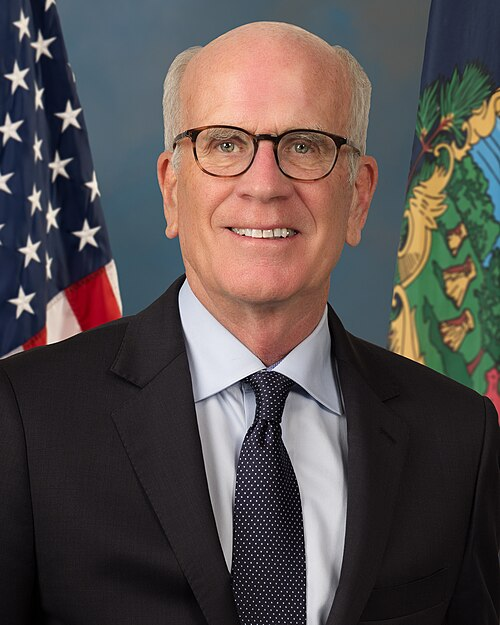
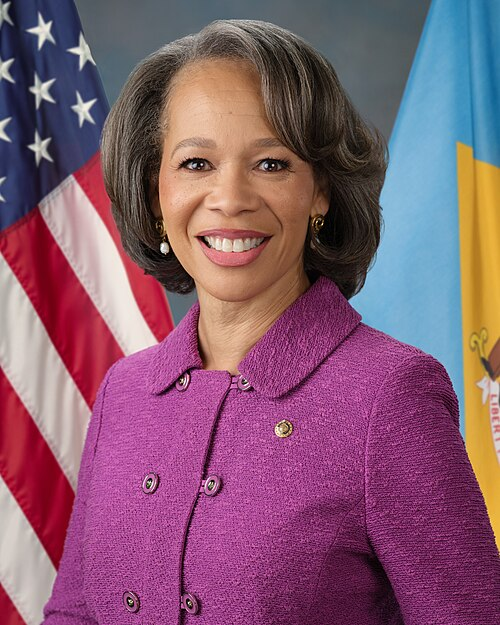
3 bill sponsors

Actions
2 actions
| Date | Action |
|---|---|
| Nov. 06, 2025 | Introduced in Senate |
| Nov. 06, 2025 | Read twice and referred to the Committee on Agriculture, Nutrition, and Forestry. |
Corporate Lobbying
0 companies lobbying
None found.
* Note that there can be significant delays in lobbying disclosures, and our data may be incomplete.