S. 3110: Supporting Transportation Operations that Prevent Human Trafficking Act
This bill, titled the Supporting Transportation Operations that Prevent Human Trafficking Act, is focused on updating and enhancing efforts to combat human trafficking within the transportation sector. Here’s a breakdown of the main provisions and actions proposed by the bill.
1. Research and Reporting
The bill mandates the Secretary of Transportation to:
- Enhance existing research efforts related to human trafficking in transportation by incorporating findings from recognized organizations and studies.
- Submit a comprehensive report to Congress within three years that summarizes current research and findings on combating human trafficking related to transportation.
2. Information Sharing
Within two years of the enactment of the bill, the Secretary is required to:
- Create a central database to track counter-trafficking efforts from transportation organizations that have committed to fighting human trafficking.
- Develop policies for sharing information and training protocols across different modes of transportation.
- Establish guidelines to help organizations implement effective counter-trafficking measures and report any human trafficking incidents.
3. Counter-Trafficking Training and Awareness
Within one year of the bill’s enactment, the following actions are mandated:
- Update the Department of Transportation’s training campaigns on counter-trafficking, incorporating best practices that address the needs of victims.
- Develop and distribute various resources, including:
- Digital and print awareness materials tailored for different transportation modes.
- Standardized checklists and evaluation tools for transportation employees to identify potential trafficking situations.
4. Public Awareness Campaign
The bill requires the Secretary to:
- Establish a public awareness campaign aimed at increasing knowledge on human trafficking, particularly during high-profile events and in vulnerable areas.
- Consult with law enforcement and other stakeholders to ensure the campaign effectively addresses the issue.
- Report to Congress on plans for pre-departure public service announcements related to human trafficking at transportation agencies.
5. Grant Program for Counter-Trafficking Efforts
The Secretary is instructed to establish a grant program that funds multi-modal transportation organizations addressing human trafficking. Key points include:
- A total of $10 million per fiscal year from 2027 through 2031 will be allocated for these grants.
- Grants will be prioritized for organizations in areas with high rates of trafficking, focusing on education and prevention efforts.
- Eligible recipients include nonprofit organizations, transit operators, airports, and other relevant entities as determined by the Secretary.
6. Implementation and Oversight
The bill emphasizes collaboration with various stakeholders, including human trafficking advisory committees, local governments, and transportation leaders. The emphasis on evidence-based approaches and survivor-informed practices aims to enhance the effectiveness of the initiatives being proposed.
Relevant Companies
- UAL (United Airlines): As air travel is a key mode of transportation, United Airlines may need to adapt its training and prevention measures significantly in compliance with new regulations.
- CSX (CSX Corporation): As a leading supplier of rail transportation, CSX could be impacted by requirements for new policies and training protocols regarding human trafficking issues.
- SJW (SJW Group): If involved in water transportation or logistics, SJW Group may need to implement the training and awareness programs supported by the bill.
This is an AI-generated summary of the bill text. There may be mistakes.
Sponsors
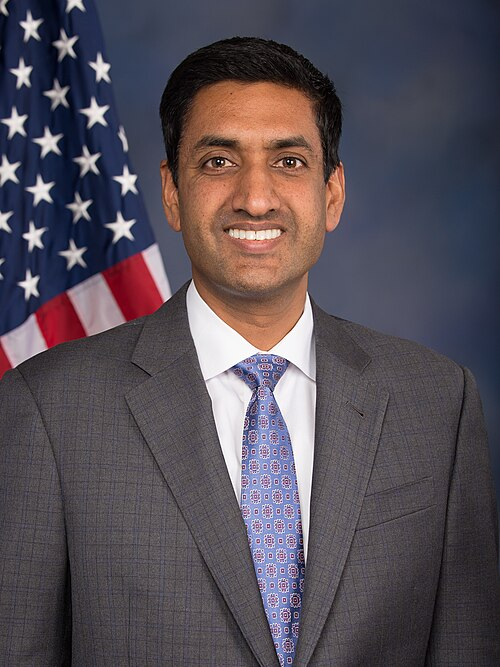
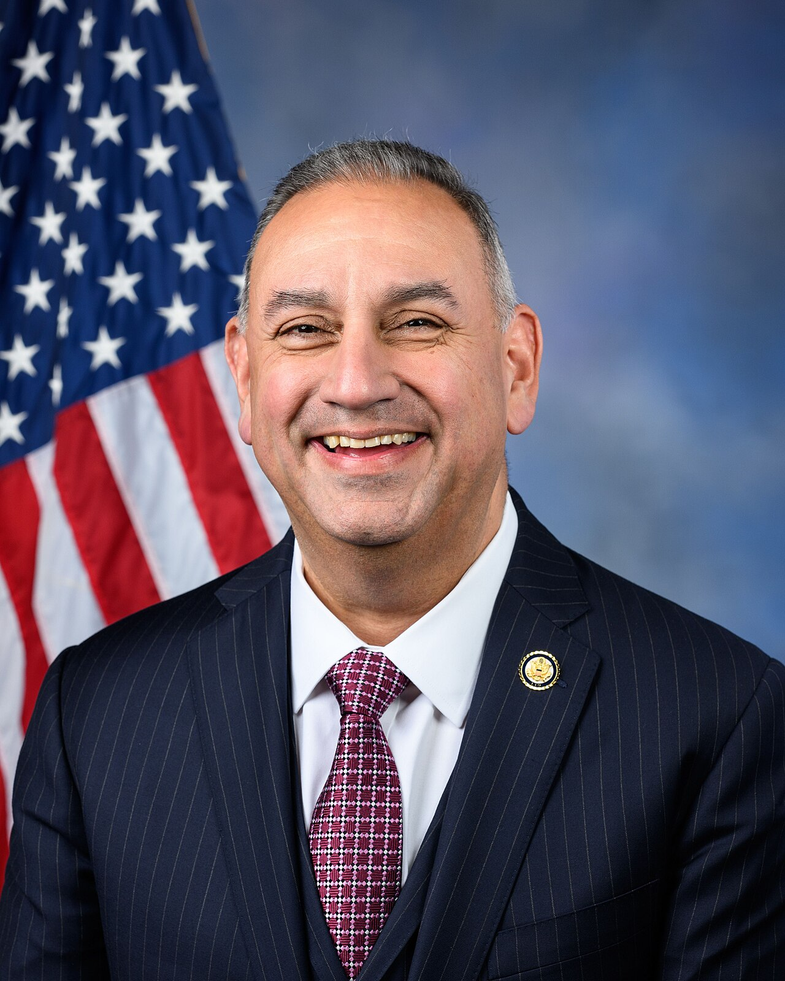
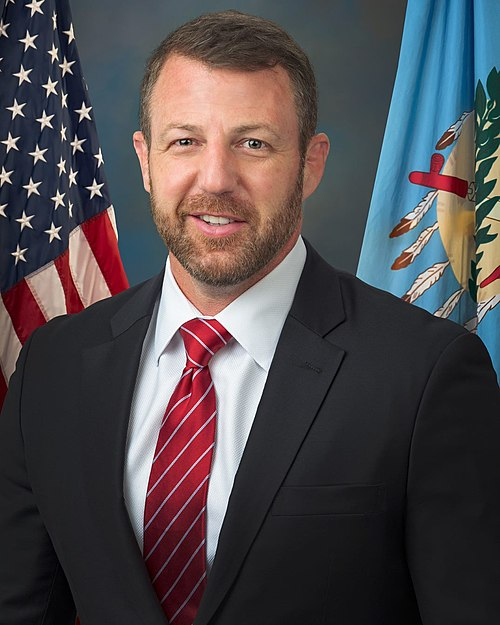
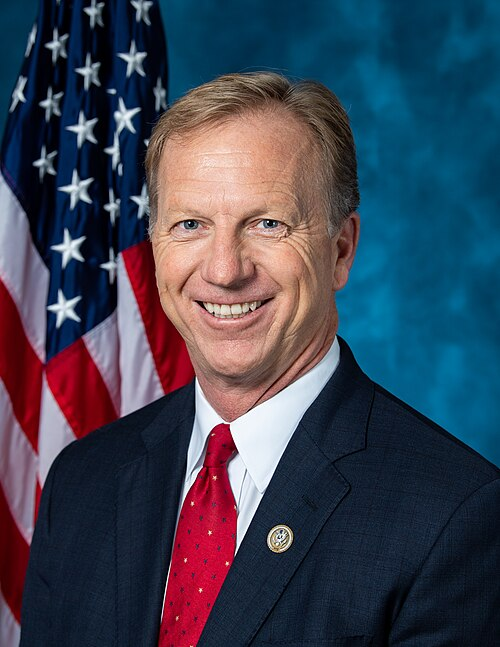
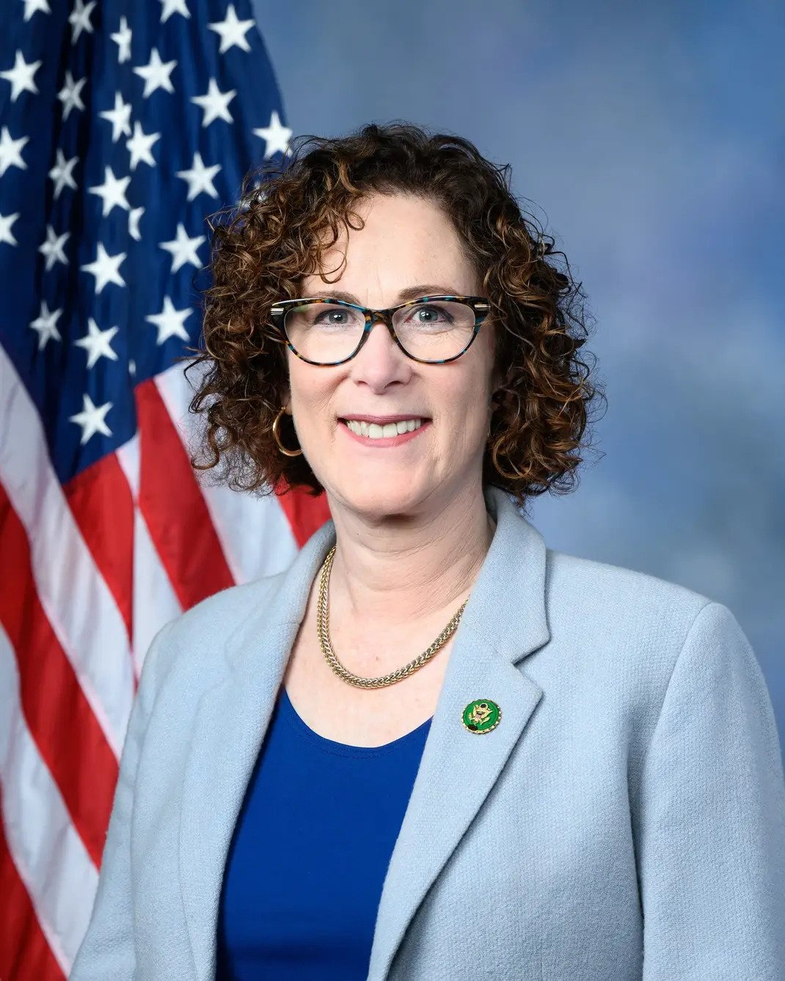
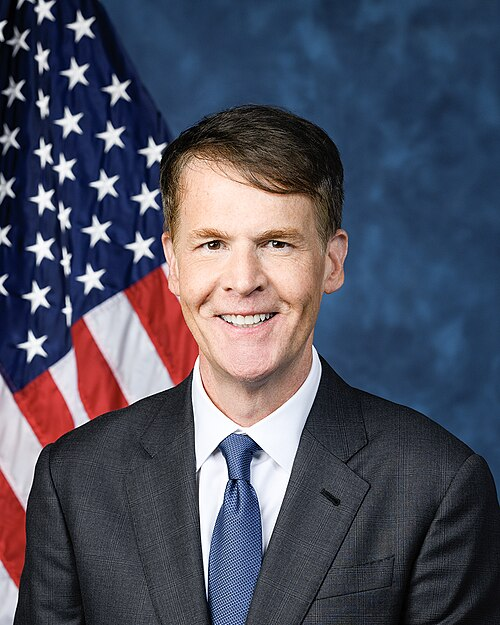
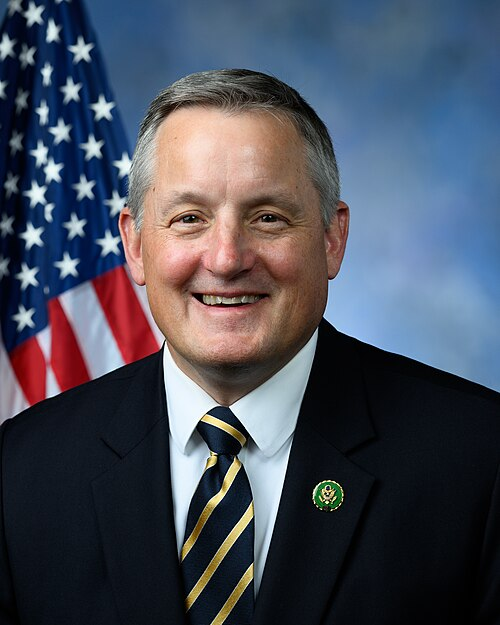
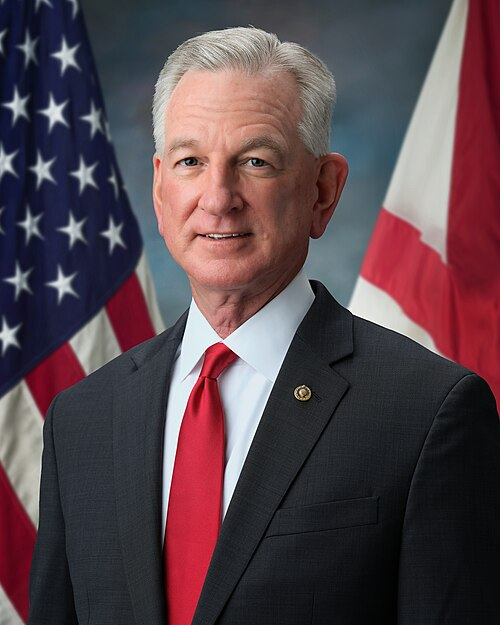
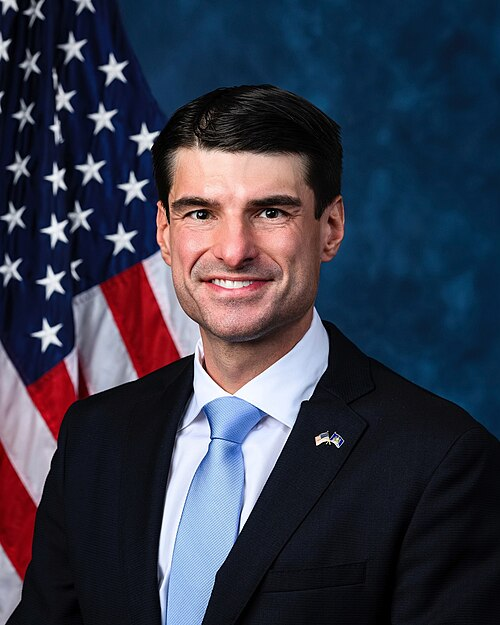
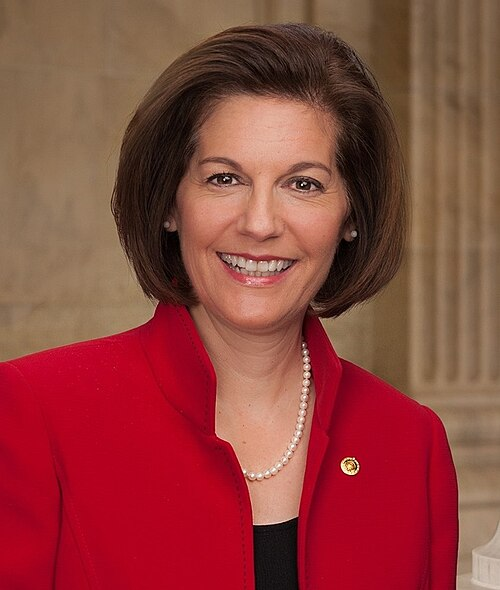
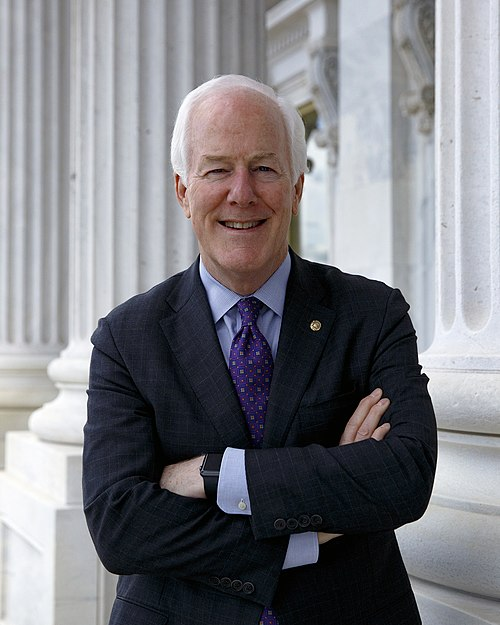
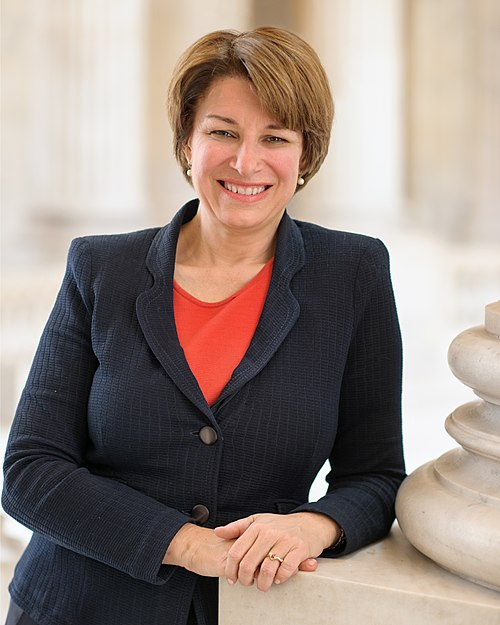
4 bill sponsors

Actions
2 actions
| Date | Action |
|---|---|
| Nov. 05, 2025 | Introduced in Senate |
| Nov. 05, 2025 | Read twice and referred to the Committee on Commerce, Science, and Transportation. |
Corporate Lobbying
0 companies lobbying
None found.
* Note that there can be significant delays in lobbying disclosures, and our data may be incomplete.