S. 3016: Advancing Research in Nuclear Fuel Recycling Act of 2025
The Advancing Research in Nuclear Fuel Recycling Act of 2025 aims to require the U.S. Department of Energy to conduct a thorough study regarding the recycling of spent nuclear fuel. This fuel is a byproduct from nuclear reactors that is currently stored temporarily and is considered nuclear waste. The bill outlines several key components:
Objectives of the Study
The Secretary of Energy, through the Assistant Secretary for Nuclear Energy, must complete a study no later than 90 days after the bill's enactment. The study will focus on:
- Evaluating the feasibility and potential advantages, costs, and risks of using dedicated recycling facilities for converting spent nuclear fuel into usable forms, which can be employed in:
- Commercial light water reactors
- Advanced nuclear reactors
- Medical, space-based, and other non-reactor applications
- Assessing the practicality of recycling spent nuclear fuel that comes from temporary storage locations, comparing the associated benefits and risks with the existing one-time use of nuclear fuel.
- Investigating different recycling processes, such as aqueous methods (like PUREX) versus non-aqueous methods (like pyro-electrochemistry).
- Analyzing the technical and economic viability of extracting specific isotopes from nuclear waste for various applications, including medical and energy purposes.
- Evaluating methods for integrating recycling facilities with existing operations like reactors and fuel fabrication facilities.
- Identifying communities or individuals affected by the temporary storage of spent nuclear fuel and assessing the implications of transitioning to a recycling system.
- Reviewing different siting and sizing strategies for recycling facilities, from centralized to regional, and recommending optimal approaches with regards to environmental and logistical considerations.
- Establishing tracking and accountability systems for recycled fuels and any byproducts that result from the recycling process.
- Identifying gaps in existing nuclear waste regulations and definitions and suggesting improvements based on international practices.
- Exploring potential policy changes at both federal and state levels to facilitate recycling technologies.
Reporting Requirements
Within one year of the bill’s enactment, the Secretary will need to prepare and submit a report that:
- Summarizes the findings from the study.
- Is made available to the public.
- Is not more than 120 pages long and includes:
- A front matter section with a cover page, table of contents, and other essential information.
- An executive summary.
- An introduction covering historical aspects of nuclear recycling in the U.S. and addressing challenges.
- Sections on results, findings, challenges, and policy recommendations related to spent nuclear fuel recycling.
- An appendix of additional relevant information and references.
Conclusion
This bill seeks to enhance understanding and potentially improve the recycling of spent nuclear fuel, which could impact energy production, waste management, and environmental safety related to nuclear materials.
Relevant Companies
- NEE (NextEra Energy): As a significant producer of clean energy, any developments in nuclear recycling could affect their energy sourcing strategies.
- DNN (Denison Mines Corp): A nuclear energy company that might benefit from improved recycling technologies and processes.
- AREVA (Orano SA): Involved in nuclear fuel cycle services, including recycling spent nuclear fuel.
This is an AI-generated summary of the bill text. There may be mistakes.
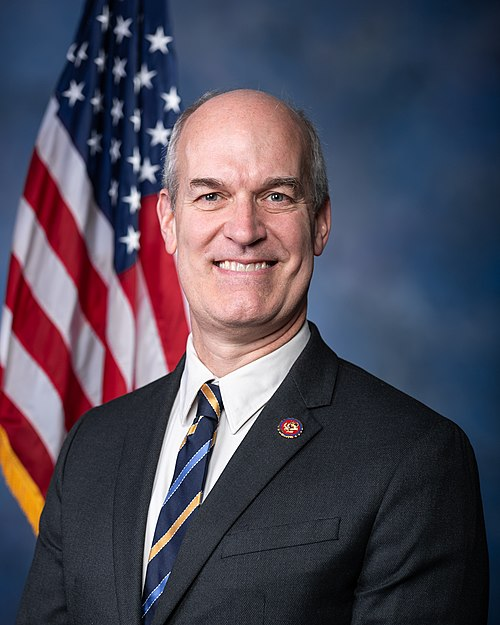
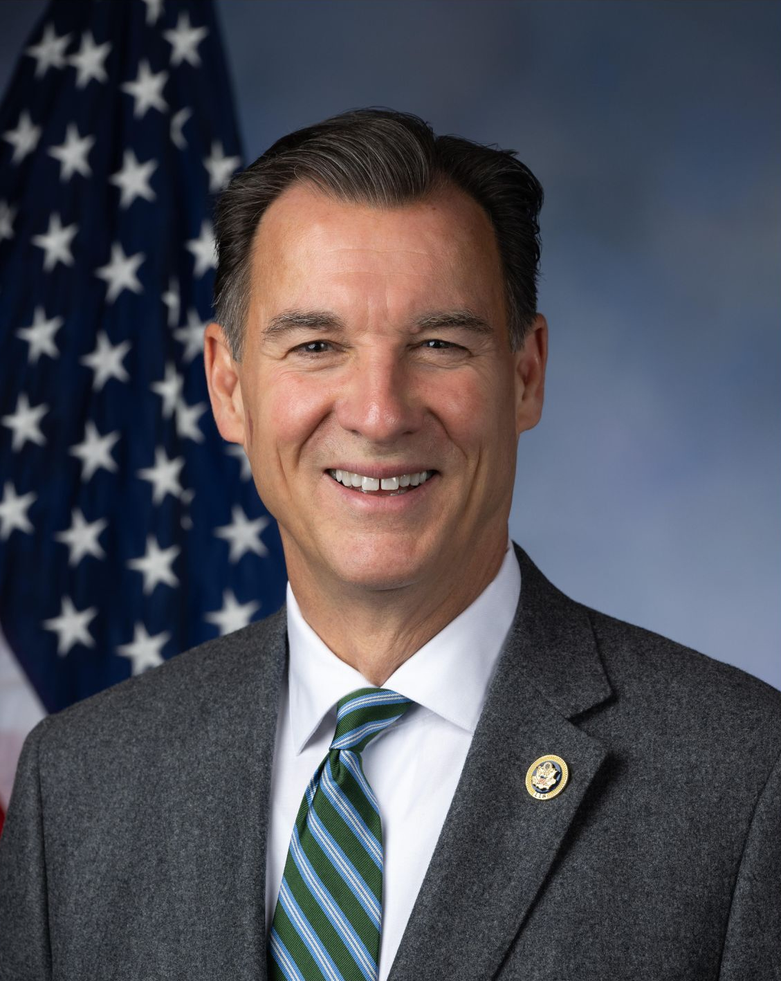
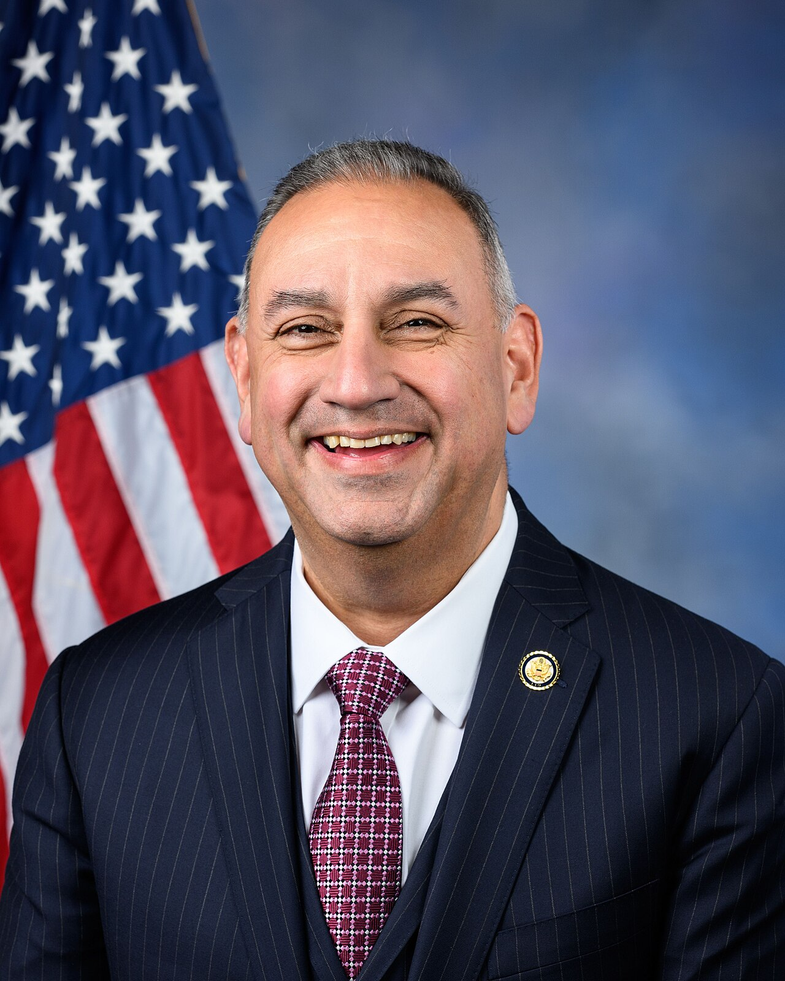
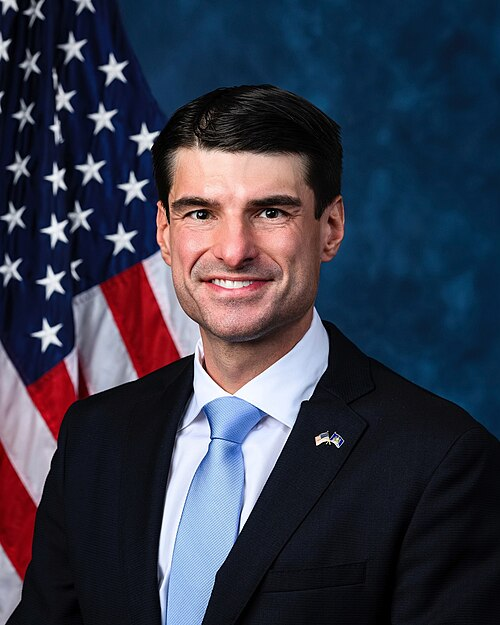
Sponsors
2 bill sponsors


Actions
2 actions
| Date | Action |
|---|---|
| Oct. 16, 2025 | Introduced in Senate |
| Oct. 16, 2025 | Read twice and referred to the Committee on Energy and Natural Resources. |
Corporate Lobbying
0 companies lobbying
None found.
* Note that there can be significant delays in lobbying disclosures, and our data may be incomplete.