S. 3008: No Shari’a Act
This bill, known as the "No Shari'a Act," aims to ensure that U.S. courts do not apply Shari'a law or any foreign law that would undermine constitutional rights. Here are the main points of the bill:
Short Title
The Act is officially referred to as the "No Shari’a Act."
Sense of Congress
The bill expresses Congress's perspective that:
- The U.S. Constitution must remain the supreme law and that no foreign legal system should undermine it.
- Applying foreign laws in U.S. courts could harm constitutional protections, especially in family law, contract law, and civil rights issues.
- Protecting constitutional rights is crucial for vulnerable individuals, particularly women and children, who may face inequalities under foreign legal systems.
- While individuals can freely practice their religion, U.S. courts should not enforce laws that contradict constitutional rights.
- The Act is necessary to affirm citizens' rights by ensuring that only U.S. laws govern U.S. courts.
Findings and Purposes
The bill finds and states the following:
- The Constitution's Supremacy Clause mandates that U.S. laws take precedence over Shari’a or any foreign law.
- There have been instances where parties attempted to use foreign law against U.S. constitutional guarantees in judicial and arbitration cases.
- There is a need for clear and consistent rules to protect constitutional rights across all U.S. jurisdictions.
The purposes of the bill are:
- To prohibit the enforcement of Shari’a or any foreign law that conflicts with constitutional rights.
- To assert that U.S. courts should only rely on Federal and State laws.
- To provide clarity about constitutional protections nationwide.
Definitions
The bill defines several key terms:
- Court: Any Federal, State, or territorial court, including arbitration tribunals if their decisions can be enforced judicially.
- Foreign Law: Any law or legal code from outside the U.S., including religious laws that serve as substitutes for U.S. laws.
- Fundamental Rights: Rights guaranteed by the U.S. Constitution and state constitutions, such as due process and equal protection.
Application of Shari’a
The bill includes specific prohibitions:
- No court may enforce any judgment or arbitration that relies on Shari’a or any foreign law if it violates constitutional rights.
- Contracts may specify foreign law, but they are valid only if their enforcement does not violate constitutional rights.
- In family law matters—such as marriage, divorce, custody, adoption, and inheritance—no foreign law may be used if it contradicts fundamental rights or public policy.
Rulemaking
The U.S. Attorney General is tasked with developing regulations and educational resources to ensure the consistent application of this Act.
Severability
If any part of the Act is deemed invalid, the rest of the Act and its applications will remain unaffected.
Effective Date
This Act would take effect 180 days after being enacted.
Relevant Companies
None found
This is an AI-generated summary of the bill text. There may be mistakes.
Sponsors
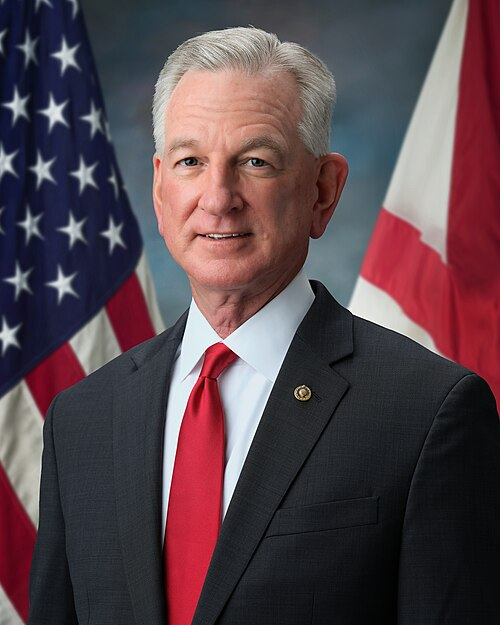
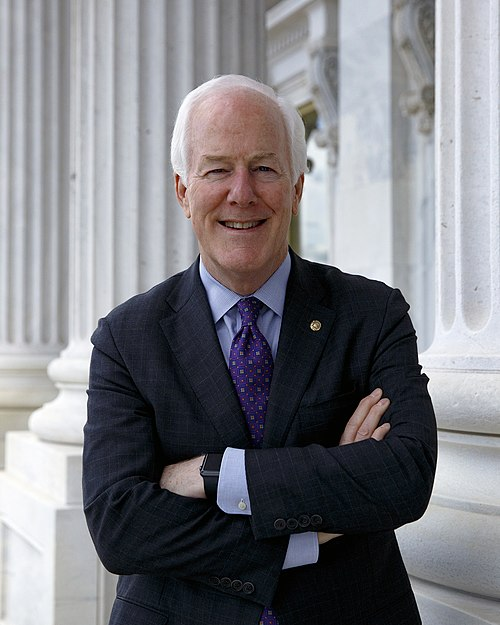
2 bill sponsors
Actions
2 actions
| Date | Action |
|---|---|
| Oct. 15, 2025 | Introduced in Senate |
| Oct. 15, 2025 | Read twice and referred to the Committee on the Judiciary. |
Corporate Lobbying
0 companies lobbying
None found.
* Note that there can be significant delays in lobbying disclosures, and our data may be incomplete.
Potentially Relevant Congressional Stock Trades
No relevant congressional stock trades found.