S. 2984: Employee Rights Act
The Employee Rights Act proposed in the U.S. Senate aims to reform several aspects of labor law, impacting the rights of employees and their interactions with labor organizations. Below are the key changes and provisions laid out in the bill:
1. Enhanced Employee Rights for Lawful Workers
The bill proposes to amend the National Labor Relations Act (NLRA) to ensure that collective bargaining representatives are chosen through secret ballot elections conducted by an independent board, enhancing the democratic process within labor representation.
2. Voting Restrictions for Employees without Lawful Status
It introduces provisions stating that employees who do not have lawful immigration status are not eligible to vote in union elections. Votes cast by such individuals will be considered invalid.
3. Employee Privacy and Information Sharing
The legislation would require employers to provide a voter list containing employee names and selected personal contact information to labor organizations before a union election, thereby promoting transparency while protecting certain employee information interests.
4. Labor Organization Use of Personal Information
Labor organizations would be prohibited from using personal information obtained for organizing drives for purposes other than representation, ensuring a degree of privacy for employees.
5. Rights Regarding Labor Organization Funds
Employees would have the right to ensure that their labor organization dues are not used for non-representation activities without explicit written consent. Additionally, these authorizations would need to be renewed annually, preventing automatic renewals.
6. Employee Status Determination
The bill clarifies the criteria for determining whether individuals are independent contractors or employees, favoring independent contractor classification under specific conditions. It would prevent certain factors, like compliance with health and safety regulations, from affecting this determination.
7. Joint Employer Status Criteria
The criteria for determining joint employer status would be revised to require that significant control over employees' working conditions must be demonstrated. This change aims to provide clarity for employers and control over shared employment relations.
8. Indirect Employment Relations for Franchises
Franchisors and franchisees would not be considered joint employers solely based on the provision of certain training or guidelines, attempting to protect franchise relationships from liability issues.
9. Provisions on Diversity Initiatives
The bill restricts labor agreements from mandating diversity, equity, or inclusion initiatives unless required by law, thereby limiting the ability of labor organizations to impose such requirements in collective bargaining agreements.
10. Changes Regarding Unions and Employee Negotiations
Employees who have ceased their membership in a labor organization will have the right to negotiate directly with their employer, particularly in states where such independent negotiations are permitted.
11. Prohibition of Violence in Labor Disputes
The bill enhances regulations against violent conduct related to labor disputes, introducing penalties for actions that obstruct commerce through threats or violence. Particular exclusions are made for minor incidents during lawful picketing.
12. Tribal Sovereignty
The bill recognizes the sovereignty of Indian tribes in labor law matters, allowing further distinctions in labor relations concerning tribal lands and employees.
13. Unlawful Harassment Provisions
Employers are given additional rights to take action against language or conduct that may be discriminatory or harassing during organizing campaigns or strikes, emphasizing protections for employees in the workplace.
Relevant Companies
None found.
This is an AI-generated summary of the bill text. There may be mistakes.
Sponsors
11 bill sponsors
-
TrackTim Scott
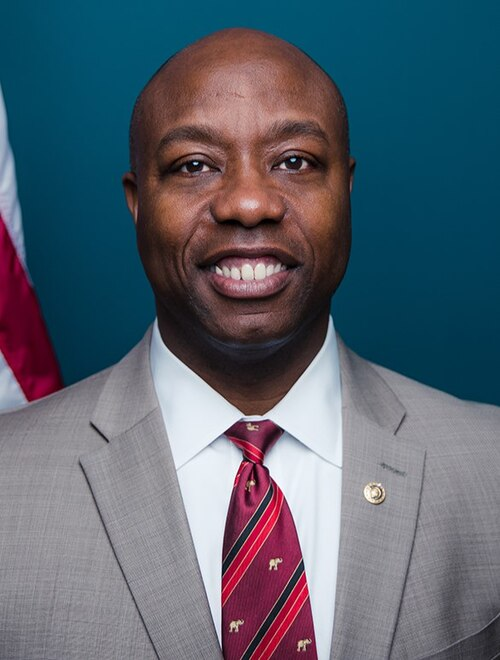
Sponsor
-
TrackJohn Barrasso

Co-Sponsor
-
TrackJohn Boozman
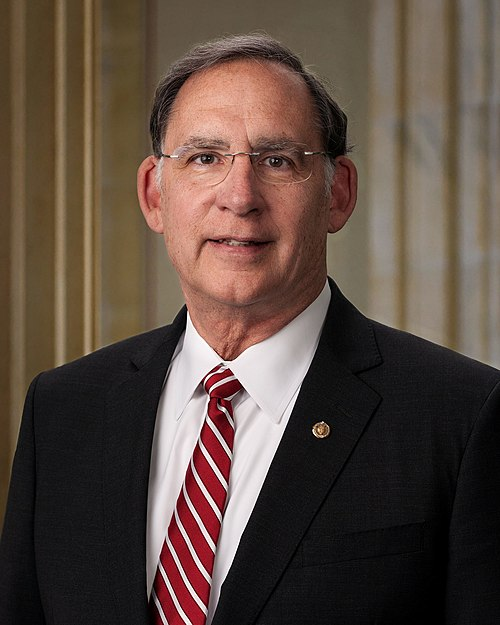
Co-Sponsor
-
TrackKatie Boyd Britt

Co-Sponsor
-
TrackKevin Cramer
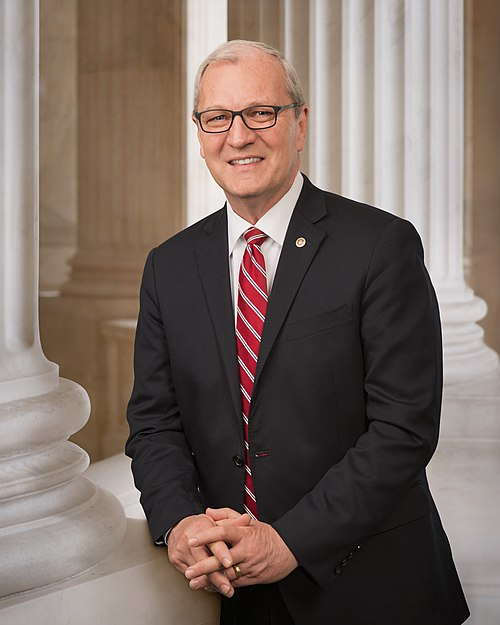
Co-Sponsor
-
TrackMike Crapo

Co-Sponsor
-
TrackJohn Hoeven
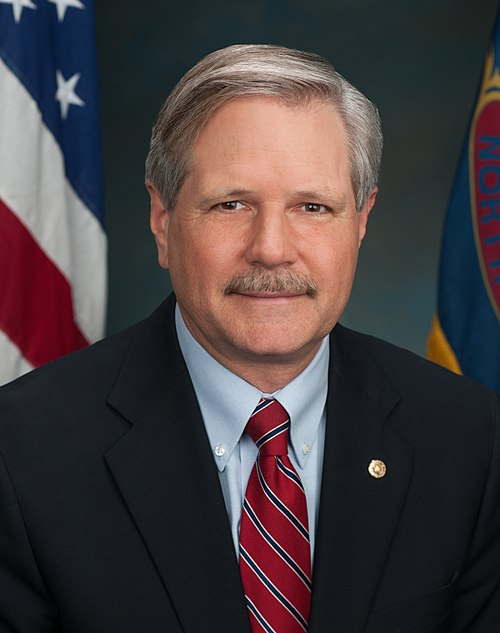
Co-Sponsor
-
TrackCindy Hyde-Smith

Co-Sponsor
-
TrackMarkwayne Mullin

Co-Sponsor
-
TrackJames E. Risch

Co-Sponsor
-
TrackTommy Tuberville
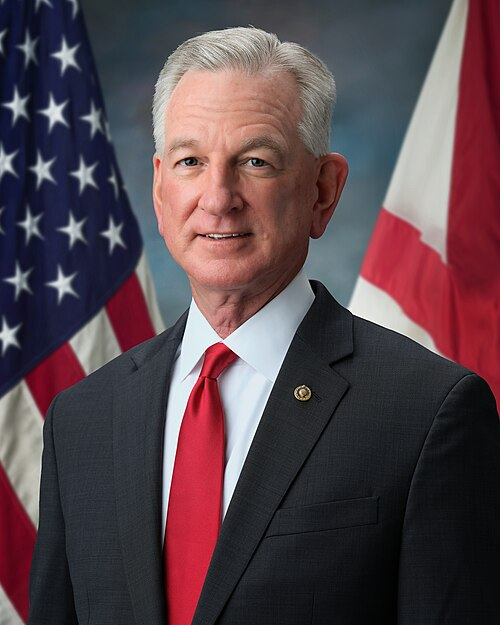
Co-Sponsor
Actions
2 actions
| Date | Action |
|---|---|
| Oct. 08, 2025 | Introduced in Senate |
| Oct. 08, 2025 | Read twice and referred to the Committee on Health, Education, Labor, and Pensions. |
Corporate Lobbying
0 companies lobbying
None found.
* Note that there can be significant delays in lobbying disclosures, and our data may be incomplete.
Potentially Relevant Congressional Stock Trades
No relevant congressional stock trades found.