
S. 2977: Fair Access to Swift and Timely Justice Act
The bill, known as the Fair Access to Swift and Timely Justice Act or FAST Justice Act, proposes to amend the process concerning how federal employees and job applicants can appeal decisions made by the Merit Systems Protection Board (MSPB). Here’s a breakdown of its key components:
Purpose of the Bill
The primary aim of this bill is to ensure that appeals related to personnel actions taken by federal agencies are addressed in a timely manner. It seeks to provide more efficient recourse for federal employees and applicants when their appeals are not acted upon within a certain timeframe.
Timeliness of Appeals
Under the proposed amendment, a new subsection would be added to Section 7701 of Title 5 of the United States Code, which will establish specific timelines for the MSPB's handling of appeals:
- If an employee or applicant files an appeal regarding a personnel action, they should expect a ruling from the MSPB within 120 days of filing.
- If the MSPB has not taken any action on the appeal within this period, the employee or applicant has the right to file a civil action in a U.S. district court.
Where to File Civil Actions
When filing such a civil action, the employee or applicant may choose from the following judicial districts:
- The district where the personnel action allegedly occurred.
- The district where the employee would have been employed if not for the personnel action.
- If the entity responsible for the action is not subject to jurisdiction in those districts, a civil action may be filed in the district where that entity's principal office is located.
Judicial Review Standards
In any civil action regarding the appeal:
- The court will apply specific standards for reviewing MSPB orders and decisions, as outlined in existing regulations.
- However, for other determinations, the court will apply the same standard of review that would have been utilized by the MSPB.
Appeals from District Court Decisions
Any party dissatisfied with a district court’s decision in these civil actions can appeal to the court of appeals for the district where the original district court is located.
Impact on MSPB Appeals
If a civil action is filed regarding a personnel action:
- The MSPB is required to stay the relevant appeal while the civil action is in process.
- If the civil action is dismissed because the court lacks jurisdiction, the MSPB will resume processing the appeal.
Judicial Review Rights
The bill clarifies that nothing in these amendments would limit an employee or applicant's existing rights to seek judicial review of MSPB orders or decisions under current law.
Relevant Companies
None found.
This is an AI-generated summary of the bill text. There may be mistakes.
Sponsors
14 bill sponsors
-
TrackRichard Blumenthal
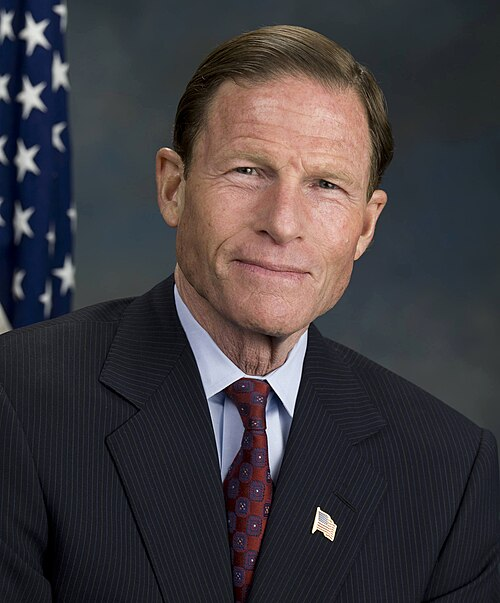
Sponsor
-
TrackAngela Alsobrooks
Co-Sponsor
-
TrackCory A. Booker
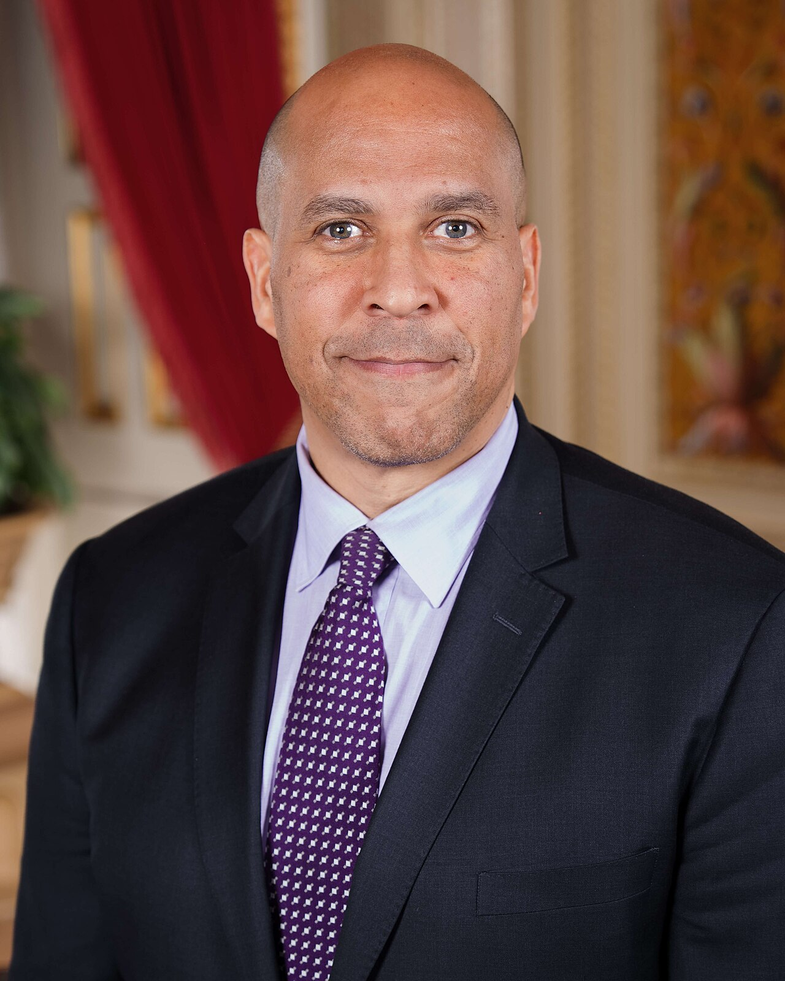
Co-Sponsor
-
TrackTammy Duckworth

Co-Sponsor
-
TrackTim Kaine
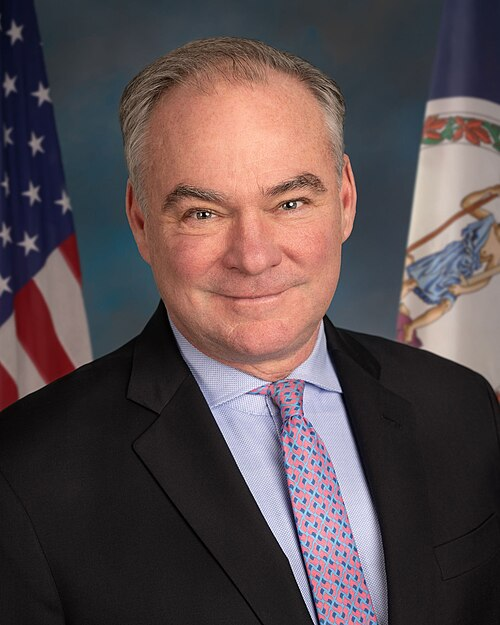
Co-Sponsor
-
TrackAndy Kim

Co-Sponsor
-
TrackEdward J. Markey

Co-Sponsor
-
TrackAlex Padilla
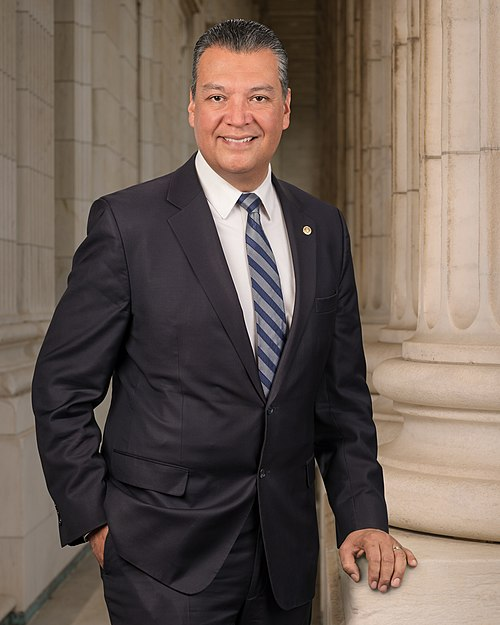
Co-Sponsor
-
TrackGary C. Peters
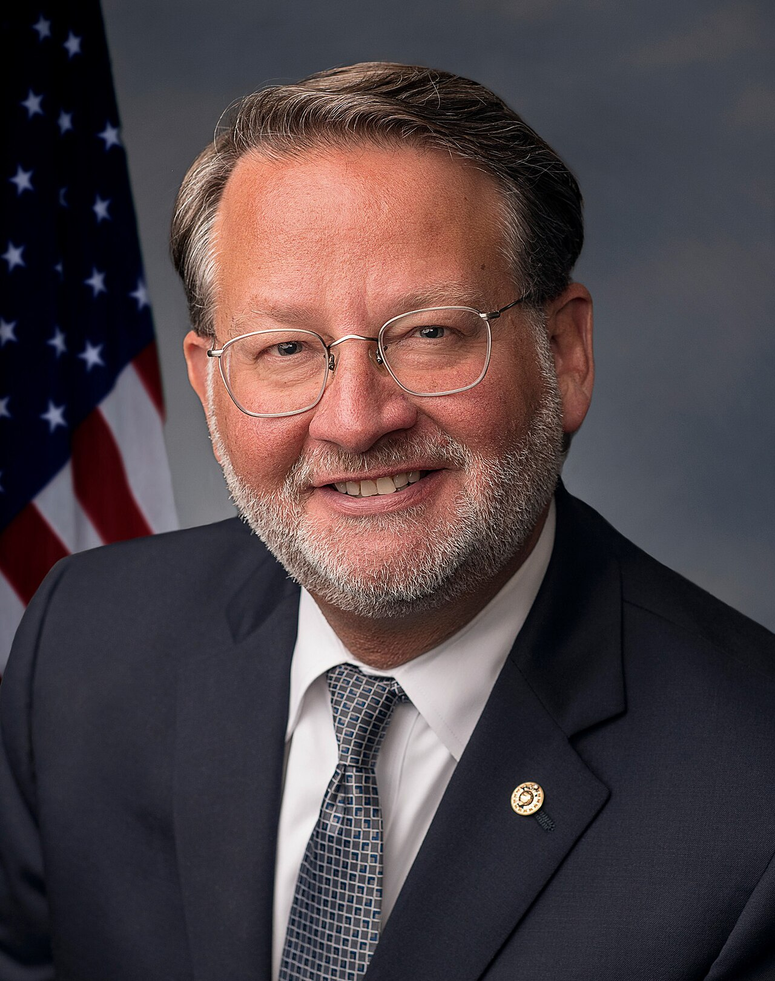
Co-Sponsor
-
TrackJack Reed

Co-Sponsor
-
TrackBrian Schatz
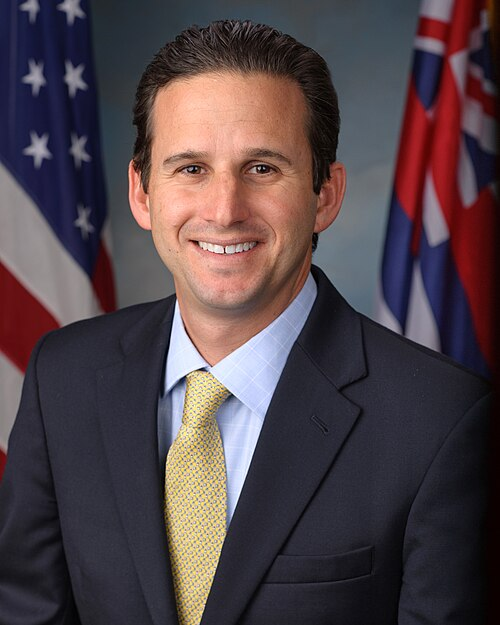
Co-Sponsor
-
TrackAdam B. Schiff
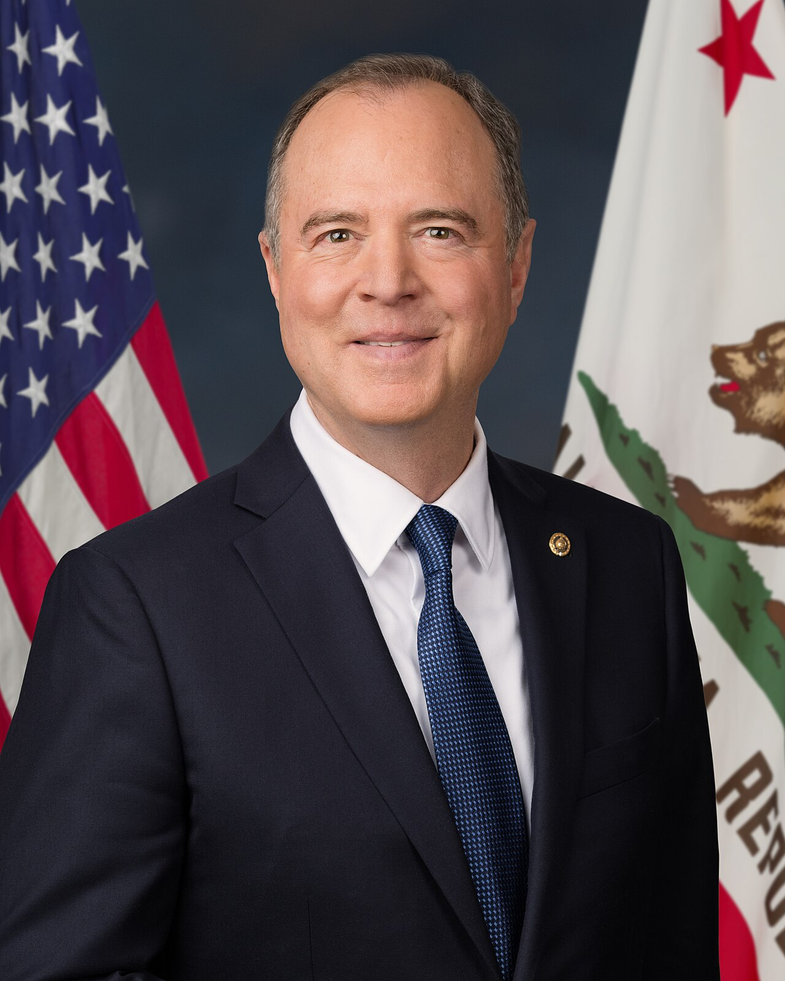
Co-Sponsor
-
TrackChris Van Hollen

Co-Sponsor
-
TrackMark R. Warner

Co-Sponsor
Actions
2 actions
| Date | Action |
|---|---|
| Oct. 07, 2025 | Introduced in Senate |
| Oct. 07, 2025 | Read twice and referred to the Committee on Homeland Security and Governmental Affairs. |
Corporate Lobbying
0 companies lobbying
None found.
* Note that there can be significant delays in lobbying disclosures, and our data may be incomplete.
Potentially Relevant Congressional Stock Trades
No relevant congressional stock trades found.