S. 292: Educational Choice for Children Act of 2025
This bill, named the Educational Choice for Children Act of 2025, proposes to amend the Internal Revenue Code to create tax credits for individuals and corporations who make charitable donations to nonprofit organizations that provide education scholarships for students in need. Here are the main components of the bill:
Tax Credits for Individuals
Individuals can receive a credit against their federal income tax for contributions made to scholarship granting organizations (SGOs). The amount of the credit is based on the total contributions made during the taxable year, capped at either 10% of the individual's adjusted gross income or $5,000, whichever is greater. However, this credit can be reduced by any amount credited on a state tax return for similar contributions.
Tax Credits for Corporations
Corporations can also receive tax credits for contributions to SGOs, with the credit not exceeding 5% of the corporation's taxable income for the year. Similar to individuals, these contributions are subject to a volume cap defined in the bill.
Scholarships and Eligible Students
The scholarships can be used for a variety of education-related expenses, including:
- Tuition
- Curricula and materials
- Books and instructional materials
- Online educational resources
- Tutoring services
- Standardized testing fees
- Educational therapies for students with disabilities
To qualify for these scholarships, students must come from households earning less than 300% of the area median income and must be eligible for enrollment in public elementary or secondary schools.
Qualified Contributions and Organizations
Qualified contributions include cash or marketable securities donated to SGOs that primarily provide scholarships. These organizations must be recognized as tax-exempt (501(c)(3) status), not operate as private foundations, and follow specific operational guidelines to ensure compliance.
Volume Cap and Allocation
The total available credits for qualified contributions are limited by a volume cap of $10 billion per year, starting in 2026. The allocation is managed on a first-come, first-served basis, ensuring that credits are available to individuals and corporations based on when their contributions are made.
Parental and Organizational Autonomy
The bill emphasizes that participation in scholarship programs will not subject organizations or educational institutions to governmental control. It affirms parental rights to utilize scholarships at both public and private educational institutions, including religious schools, without any penalties or exclusions based on the institution’s religious character.
Prohibitions on Self-Dealing
Scholarship granting organizations will be prohibited from award distributions to disqualified individuals, ensuring that funds are not improperly used.
Carryforward of Unused Credits
If individuals or corporations cannot fully utilize their credits in a given year, they may carry forward unused credits to future tax years, subject to certain limitations.
Definitions and Compliance Requirements
The bill includes definitions for eligible students, qualified contributions, and scholarship granting organizations, along with requirements for these organizations to maintain good standing and comply with financial audits.
Effective Date
The amendments proposed in this bill will apply to taxable years ending after December 31, 2025.
Relevant Companies
None found
This is an AI-generated summary of the bill text. There may be mistakes.
Sponsors
34 bill sponsors
-
TrackBill Cassidy
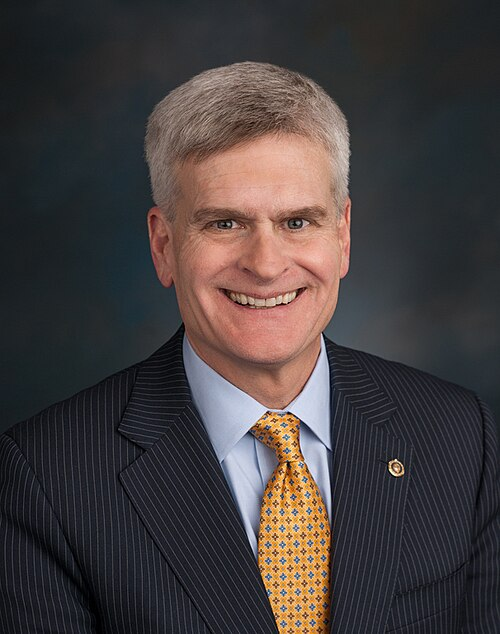
Sponsor
-
TrackJim Banks
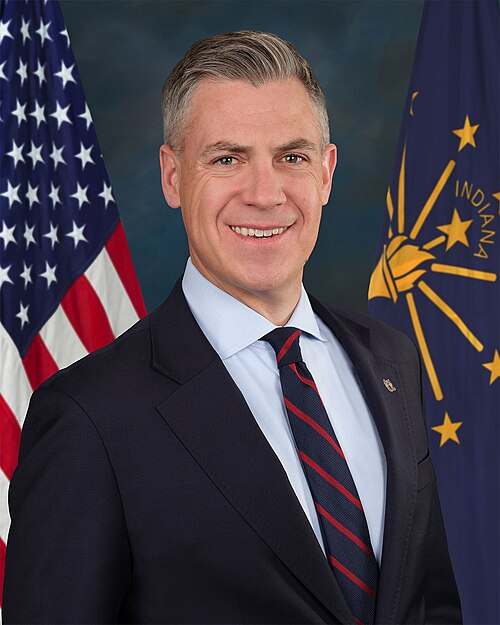
Co-Sponsor
-
TrackJohn Barrasso
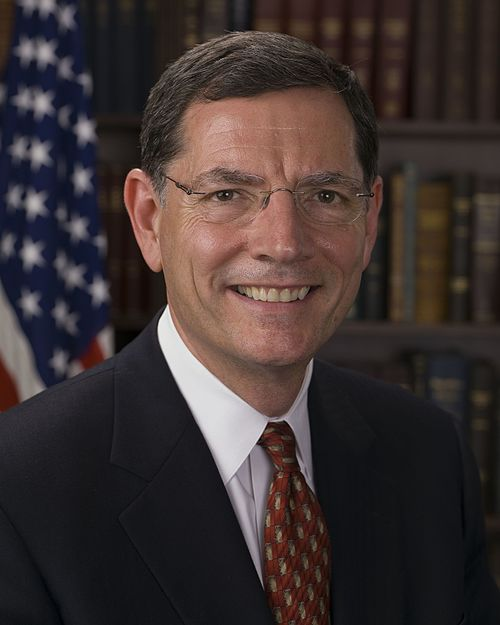
Co-Sponsor
-
TrackMarsha Blackburn
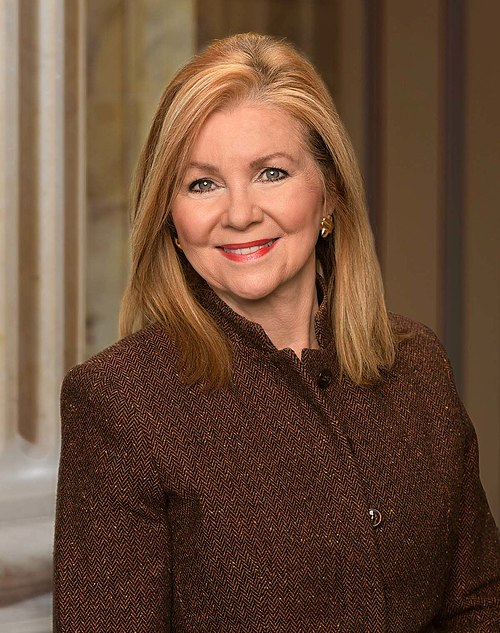
Co-Sponsor
-
TrackJohn Boozman
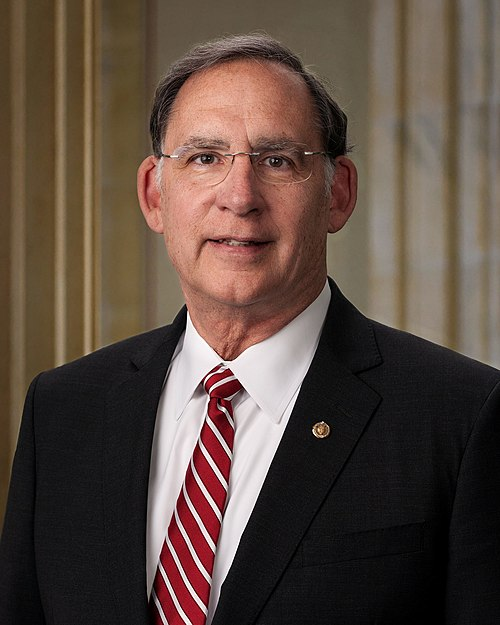
Co-Sponsor
-
TrackKatie Boyd Britt
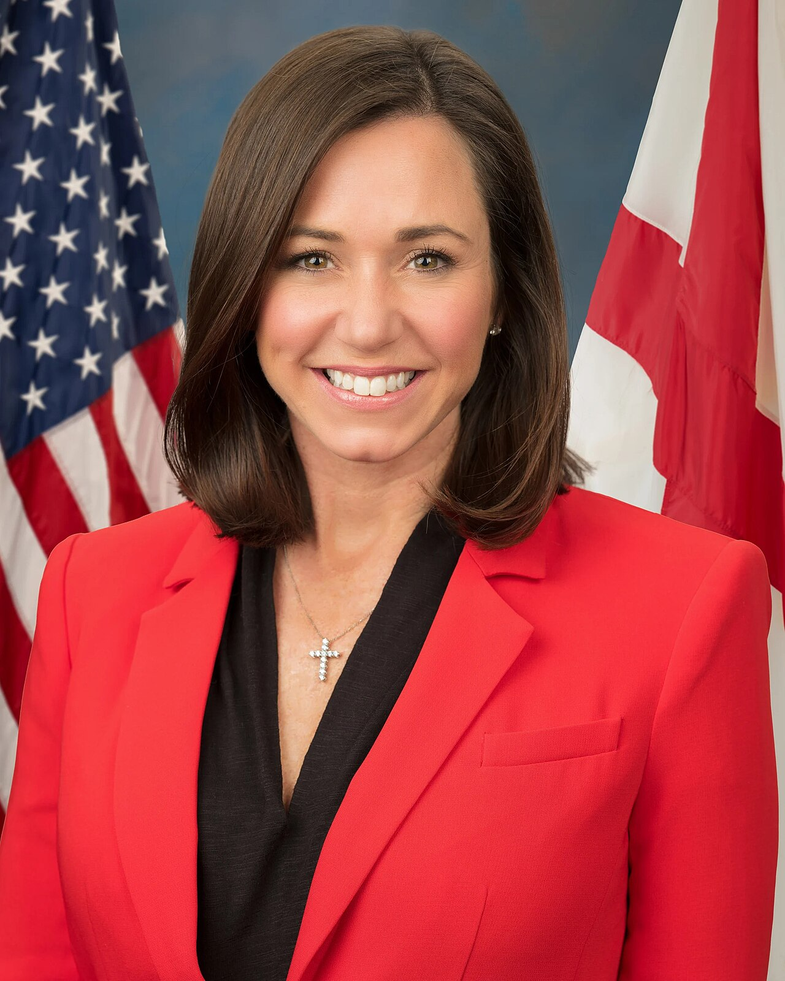
Co-Sponsor
-
TrackTed Budd
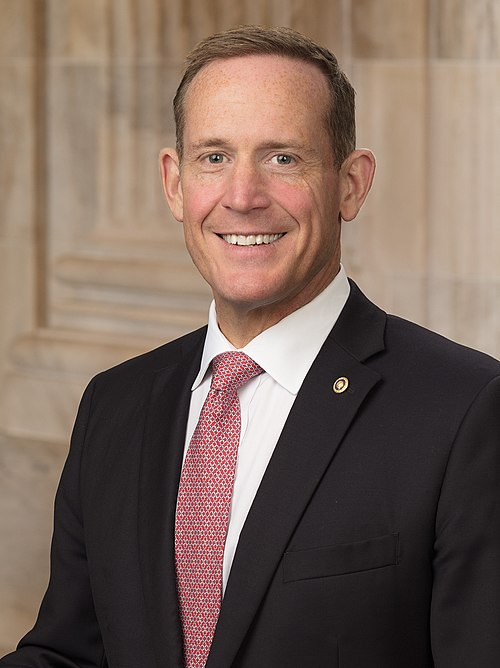
Co-Sponsor
-
TrackShelley Moore Capito
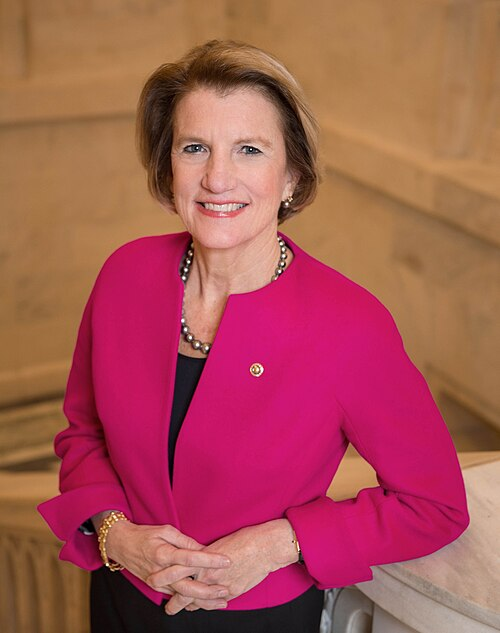
Co-Sponsor
-
TrackJohn Cornyn
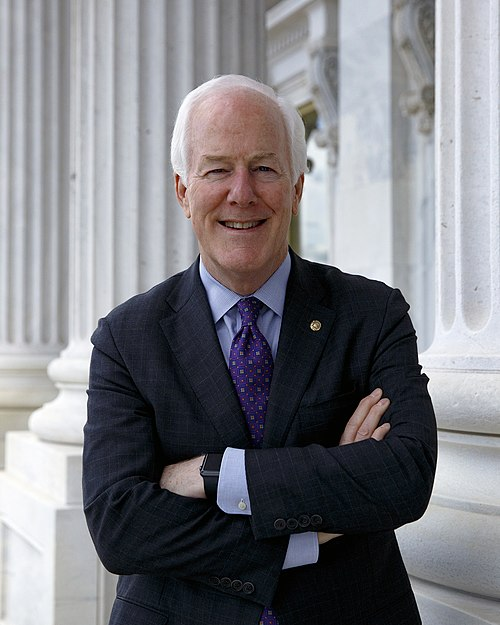
Co-Sponsor
-
TrackTom Cotton

Co-Sponsor
-
TrackKevin Cramer
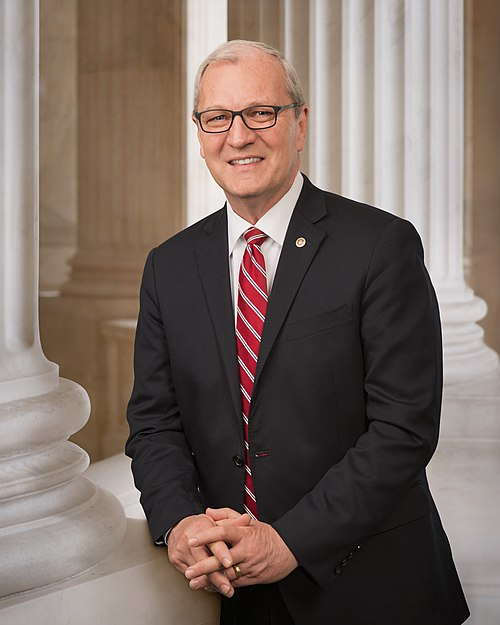
Co-Sponsor
-
TrackSteve Daines
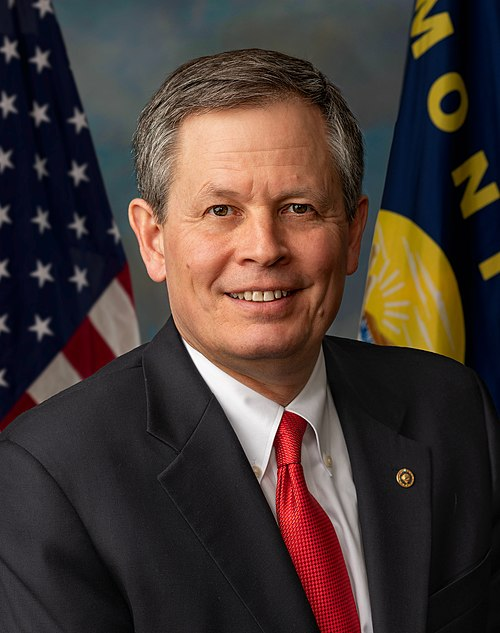
Co-Sponsor
-
TrackLindsey Graham
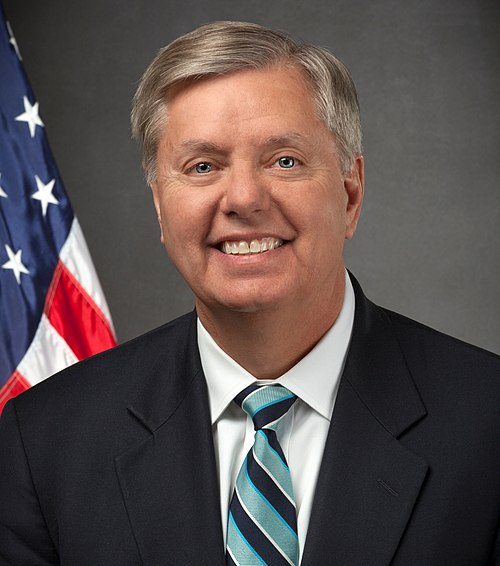
Co-Sponsor
-
TrackBill Hagerty
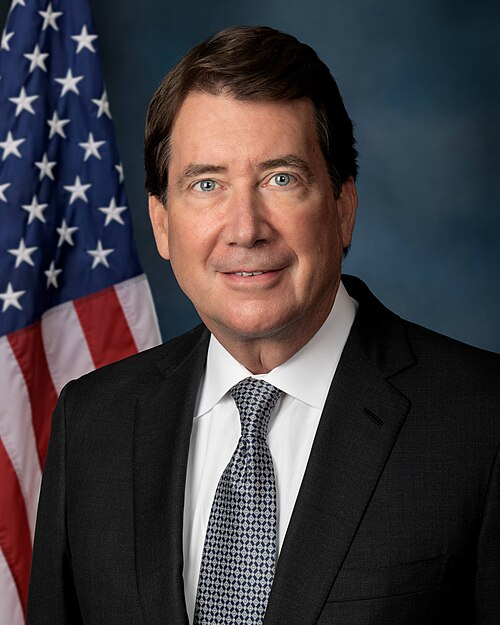
Co-Sponsor
-
TrackJosh Hawley
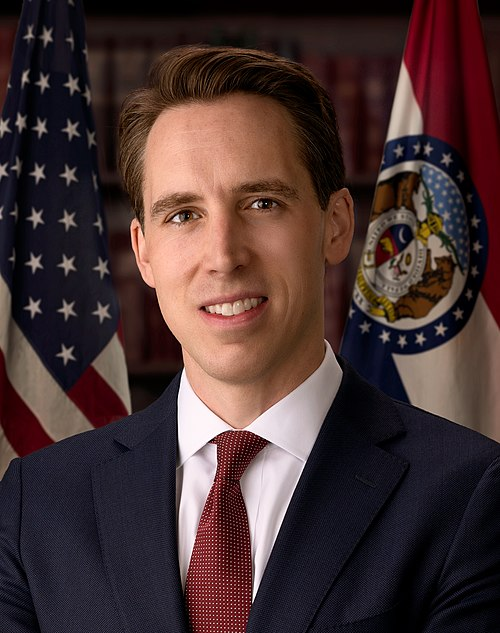
Co-Sponsor
-
TrackJon Husted
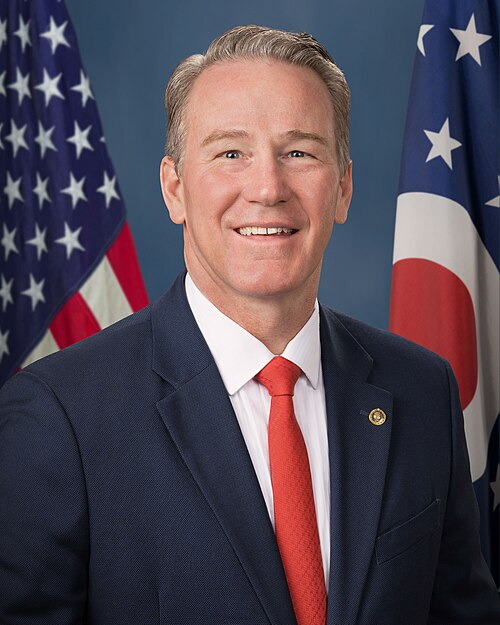
Co-Sponsor
-
TrackCindy Hyde-Smith
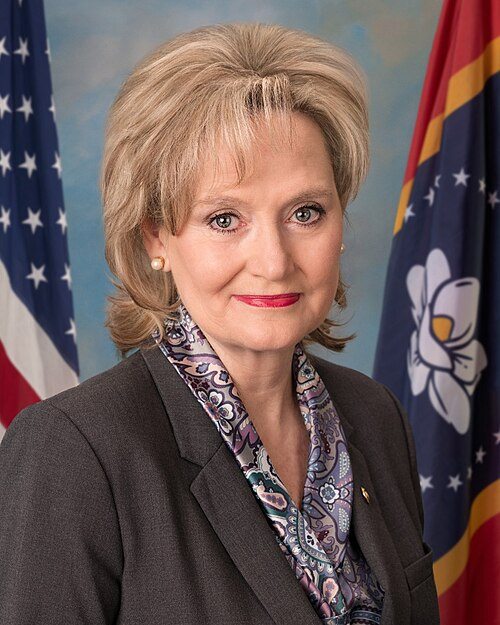
Co-Sponsor
-
TrackJames C. Justice
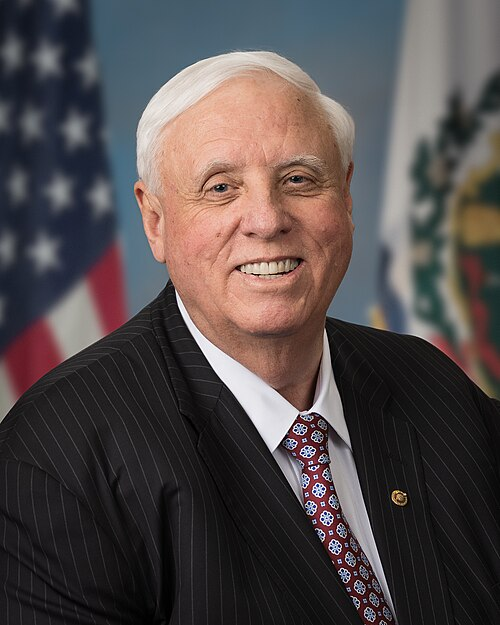
Co-Sponsor
-
TrackJohn Kennedy

Co-Sponsor
-
TrackCynthia M. Lummis
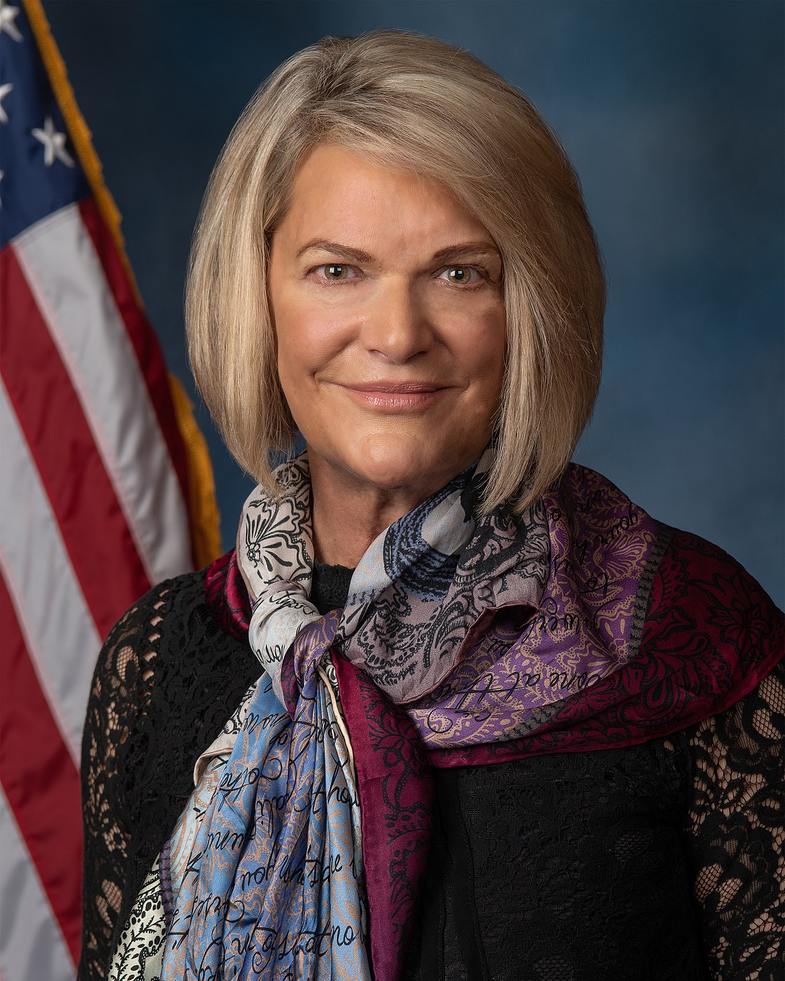
Co-Sponsor
-
TrackRoger Marshall
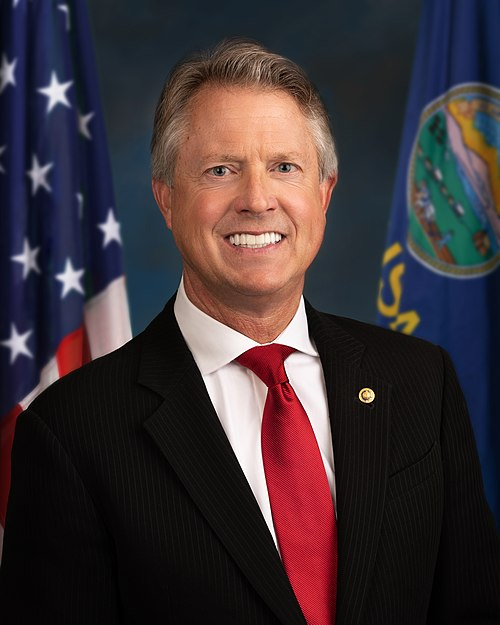
Co-Sponsor
-
TrackDavid McCormick
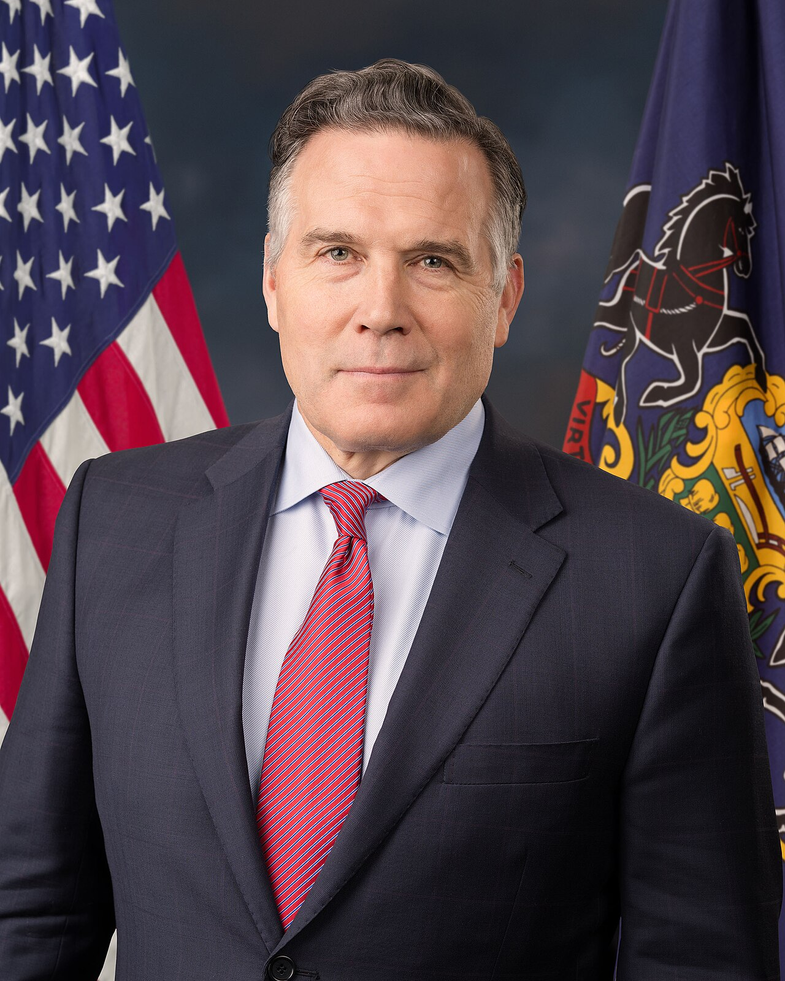
Co-Sponsor
-
TrackAshley Moody
Co-Sponsor
-
TrackBernie Moreno
Co-Sponsor
-
TrackPete Ricketts
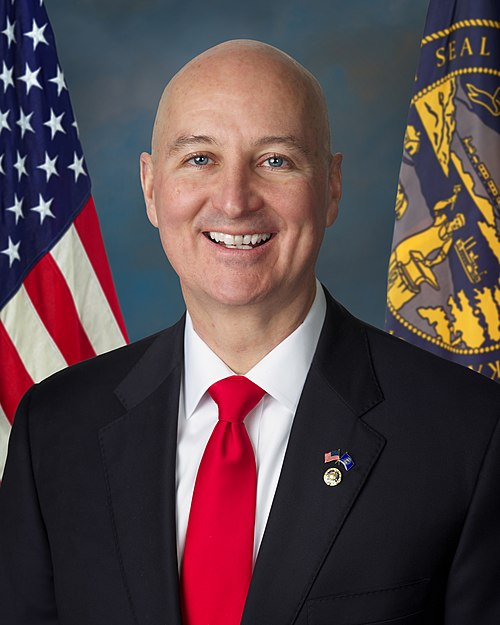
Co-Sponsor
-
TrackJames E. Risch

Co-Sponsor
-
TrackEric Schmitt
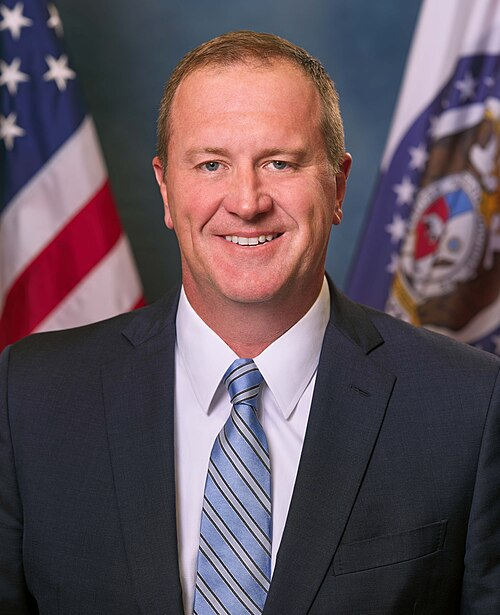
Co-Sponsor
-
TrackTim Scott
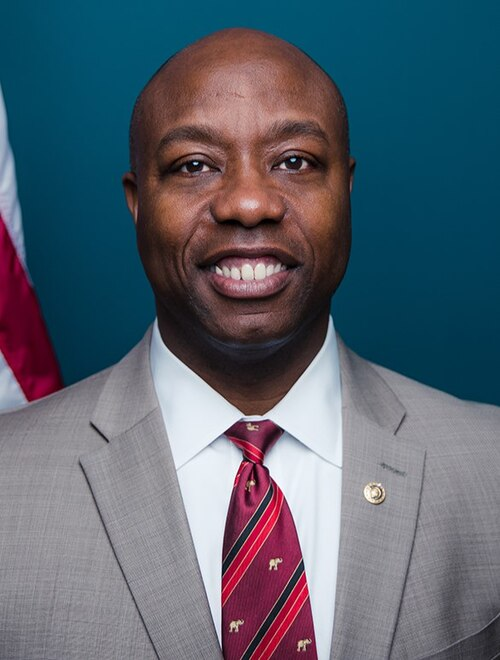
Co-Sponsor
-
TrackTim Sheehy

Co-Sponsor
-
TrackJohn Thune
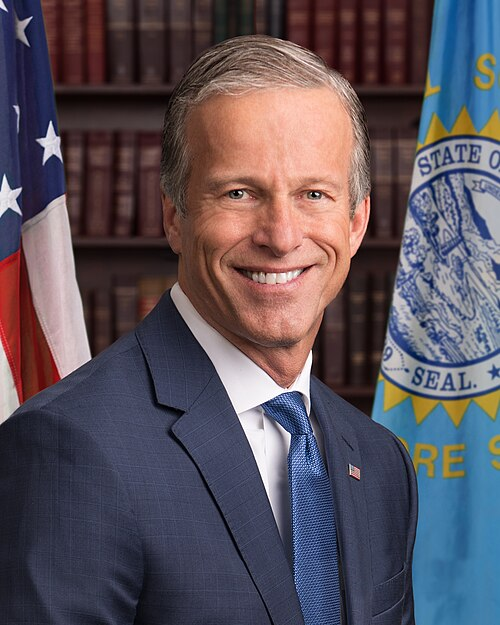
Co-Sponsor
-
TrackThom Tillis
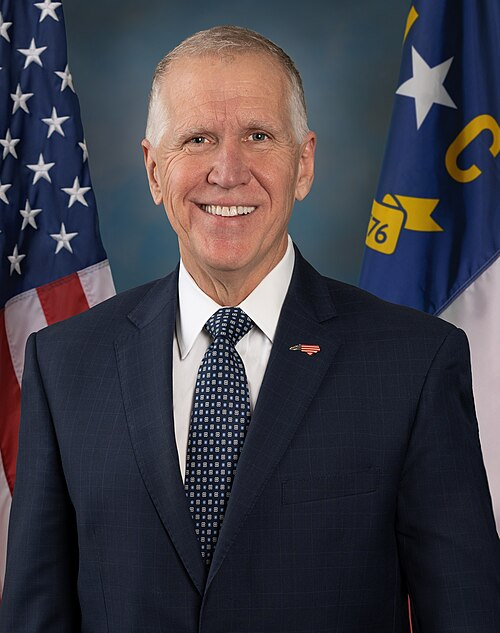
Co-Sponsor
-
TrackTommy Tuberville
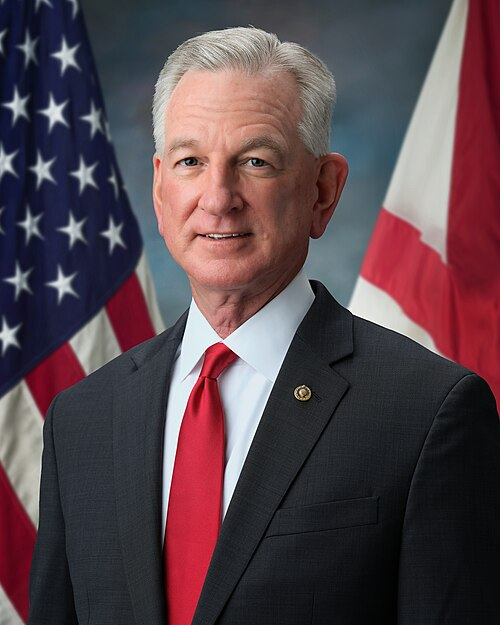
Co-Sponsor
-
TrackRoger F. Wicker
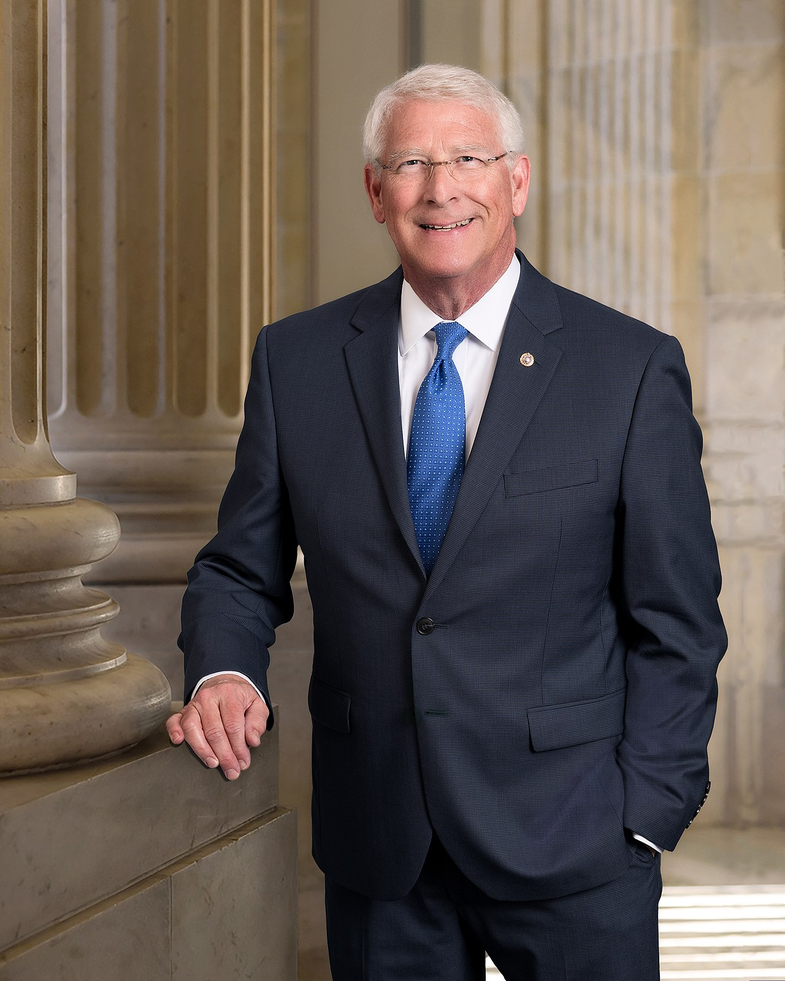
Co-Sponsor
-
TrackTodd Young
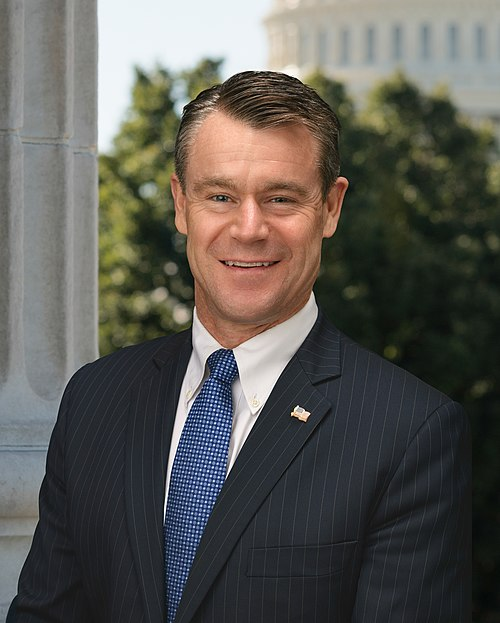
Co-Sponsor
Actions
2 actions
| Date | Action |
|---|---|
| Jan. 29, 2025 | Introduced in Senate |
| Jan. 29, 2025 | Read twice and referred to the Committee on Finance. |
Corporate Lobbying
0 companies lobbying
None found.
* Note that there can be significant delays in lobbying disclosures, and our data may be incomplete.
Potentially Relevant Congressional Stock Trades
No relevant congressional stock trades found.