
S. 2838: Protecting Our Democracy Act
The "Protecting Our Democracy Act" is legislation designed to prevent misuse of presidential powers and to ensure accountability and transparency in government operations. The primary goals of the bill include addressing issues such as presidential self-pardons, election interference from foreign entities, and strengthening the ability of Congress to oversee executive actions, thereby ensuring that no president operates outside the rule of law.
Ethical Standards
The bill maintains existing prohibitions against accepting gifts and benefits, thereby reinforcing ethical standards for government officials. This aims to uphold integrity within government practices, preventing conflicts of interest or unethical behavior among public officials.Reporting Violations
The legislation mandates comprehensive reporting concerning violations related to appropriations. Reports must detail the nature of the violation, the individuals involved, the disciplinary actions taken, and preventive measures to address future occurrences. Additionally, if disagreements arise between the Comptroller General’s decisions and those of various agencies, these discrepancies must be clearly reported.National Emergencies Act Amendments
The bill amends the National Emergencies Act to require the President to provide Congress with in-depth reports during national emergencies. These reports must outline the emergency's duration, the actions planned, and ensure the protection of whistleblowers. It also clarifies how communication logs are handled, particularly concerning issues of censorship in research.National Security Improvements
Modifications to the National Security Act of 1947 are included in the bill, adding restrictions on how intelligence community whistleblower complaints are shared and introducing penalties for violations of the Hatch Act. It emphasizes the importance of protecting whistleblowers while establishing accountability for acting officials and political appointees through stringent enforcement and reporting requirements.Definitions and Ethics Pledge
The legislation provides definitions for terms relevant to executive branch officials and outlines the ethical obligations of appointees. It requires an ethics pledge for appointees that includes limitations on gifts, lobbying activities, and rules to prevent the "revolving door" phenomenon, which seeks to maintain public trust and accountability in government service.Inspector General Oversight
The bill calls for an annual audit of the Inspector General's office conducted by the Council of Inspectors General. This audit must occur within 120 days following the appointment of a new Inspector General and results are to be reported to Congress each October to ensure rigorous oversight of the Executive Office of the President.Political Advertisement Transparency
The legislation requires online platforms to disclose substantial information regarding political advertisements. This includes identifying sponsors and candidate details, along with a requirement to retain such data for a duration of four years. Failure to comply with these requirements may result in penalties, which would take effect immediately upon the bill’s enactment.Relevant Companies
None found.This is an AI-generated summary of the bill text. There may be mistakes.
Sponsors
11 bill sponsors
-
TrackAdam B. Schiff
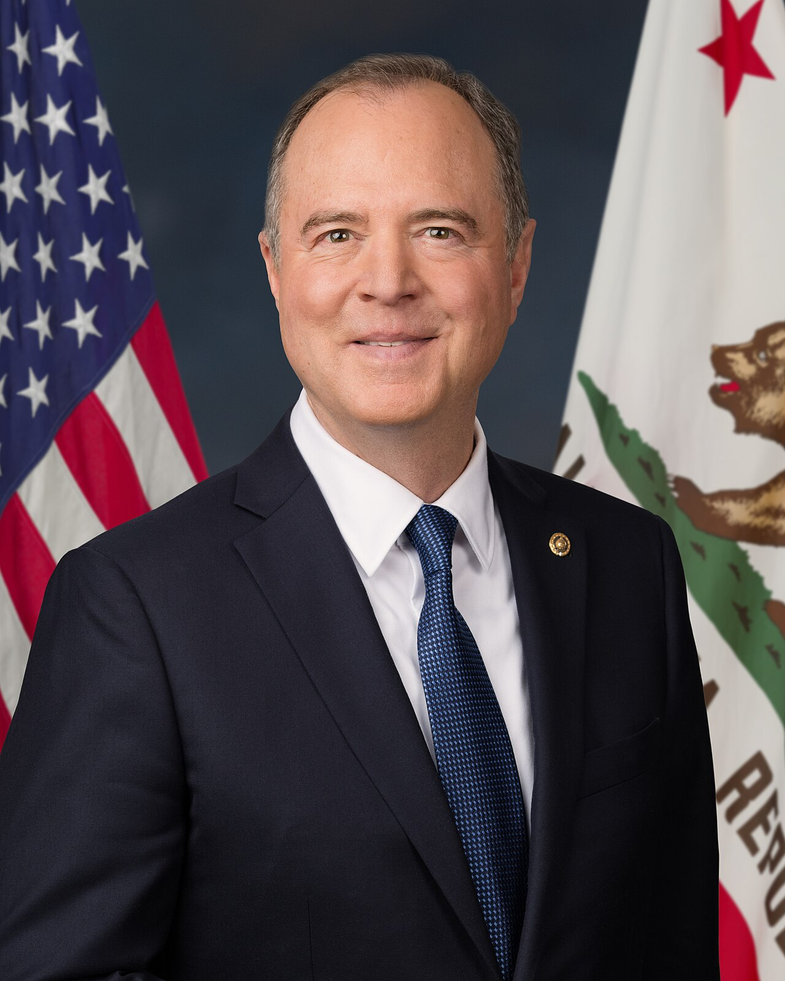
Sponsor
-
TrackAngela Alsobrooks
Co-Sponsor
-
TrackRichard Blumenthal
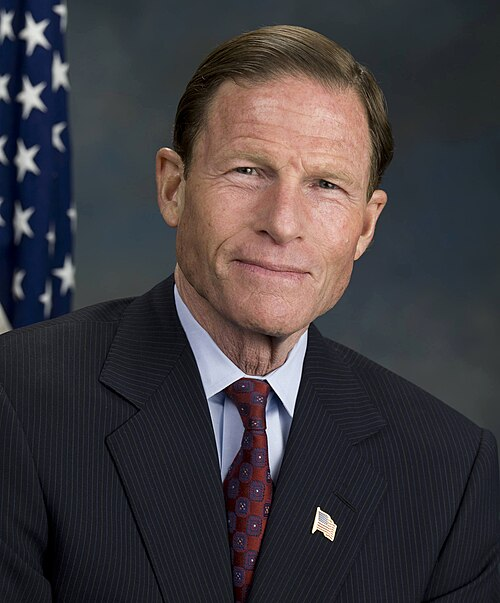
Co-Sponsor
-
TrackRuben Gallego
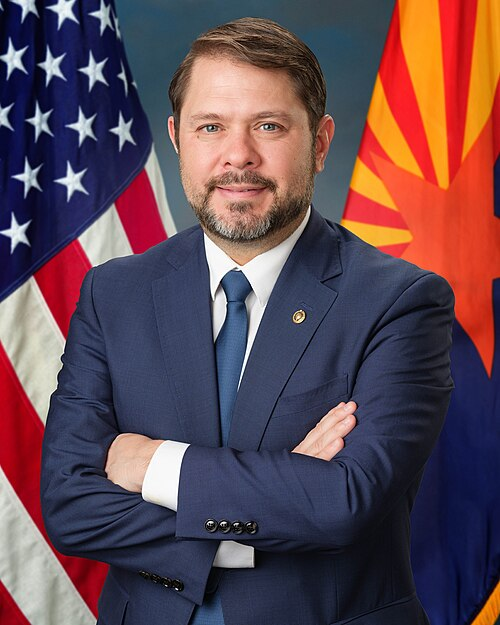
Co-Sponsor
-
TrackMazie K. Hirono

Co-Sponsor
-
TrackAndy Kim

Co-Sponsor
-
TrackAmy Klobuchar
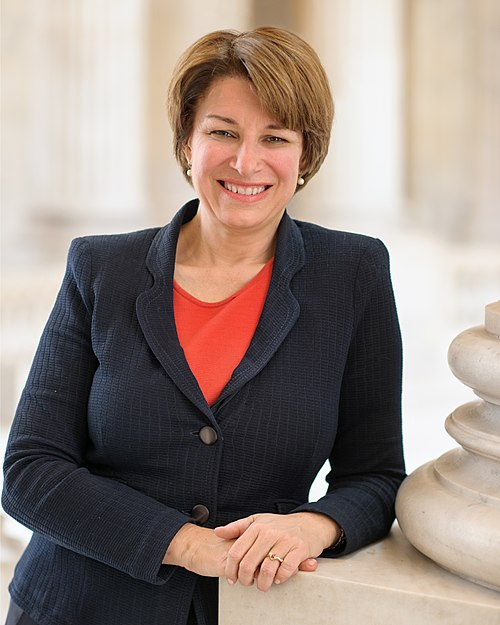
Co-Sponsor
-
TrackEdward J. Markey
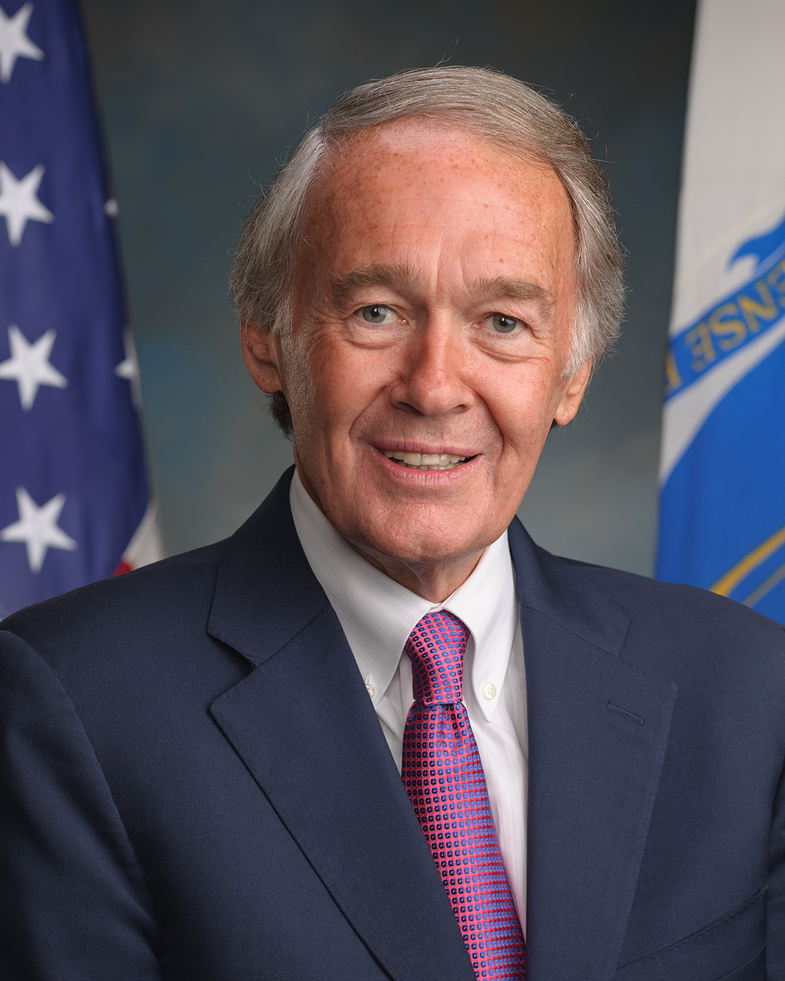
Co-Sponsor
-
TrackJeff Merkley

Co-Sponsor
-
TrackAlex Padilla
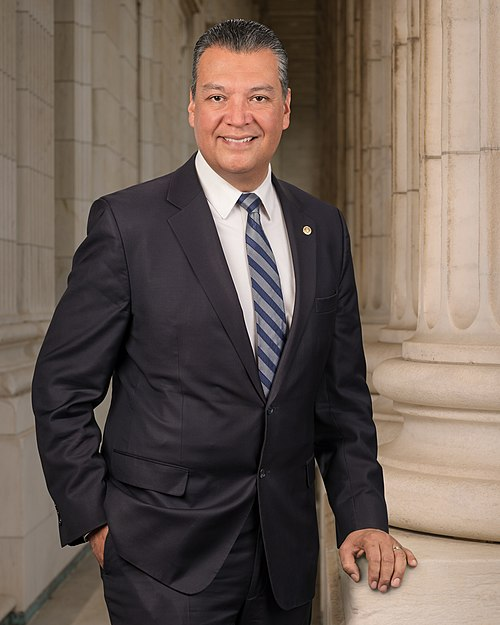
Co-Sponsor
-
TrackBernard Sanders
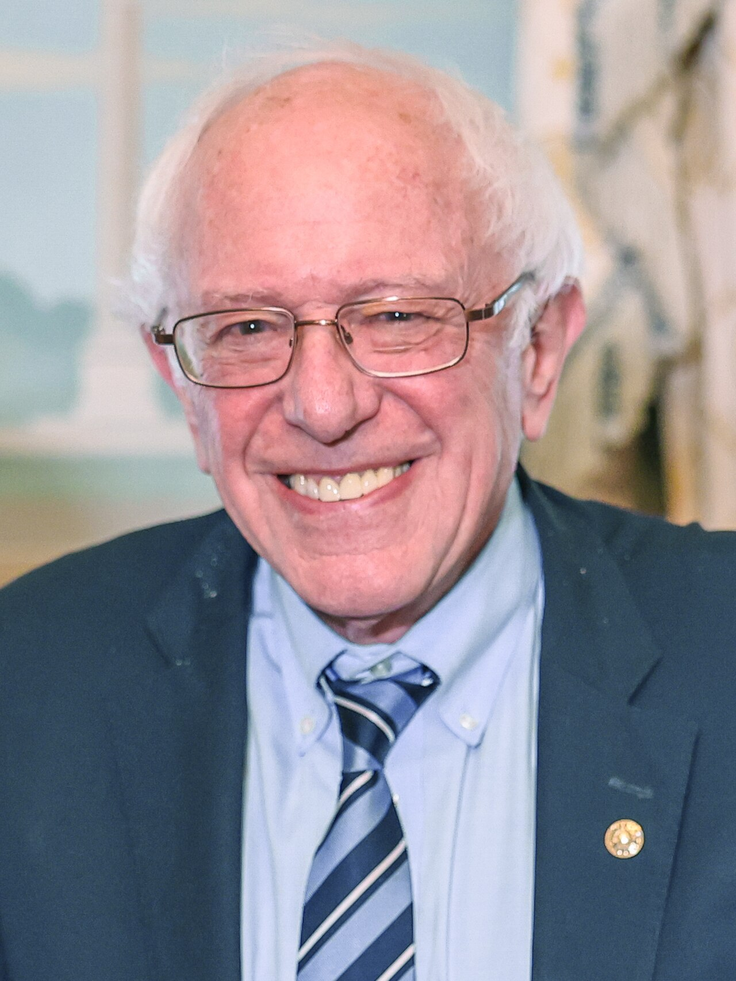
Co-Sponsor
Actions
2 actions
| Date | Action |
|---|---|
| Sep. 17, 2025 | Introduced in Senate |
| Sep. 17, 2025 | Read twice and referred to the Committee on Homeland Security and Governmental Affairs. |
Corporate Lobbying
0 companies lobbying
None found.
* Note that there can be significant delays in lobbying disclosures, and our data may be incomplete.
Potentially Relevant Congressional Stock Trades
No relevant congressional stock trades found.