S. 2657: Severing Technology Transfer Operations and Partnerships between China and Russia Act of 2025
The Severing Technology Transfer Operations and Partnerships between China and Russia Act of 2025 seeks to impose sanctions on individuals and entities from China that are providing support to the Russian defense sector, particularly in the context of the ongoing conflict in Ukraine. The bill outlines several core objectives and actions:
Key Objectives
- To restrict financial and material support from Chinese entities that aid the Russian military and defense industries.
- To coordinate efforts with U.S. allies to impose sanctions against Chinese companies that contribute to Russian military capabilities.
- To prevent technology and resources from flowing from China to Russia, particularly those that enhance military operations.
Sanctions Implementation
Once enacted, the President is tasked with imposing sanctions within 90 days against any foreign person identified as:
- A Chinese national or entity that is controlled by or works with Chinese nationals.
- Individuals or entities that knowingly sell or provide goods or services to the Russian Armed Forces or the Russian defense industry.
Types of Sanctions
The proposed sanctions may include:
- Blocking property and interests in property of sanctioned entities within the United States.
- Banning those individuals from entering the U.S. or receiving visas.
- Revocation of currently held visas for individuals connected to their activities.
Assessment and Coordination
The Secretary of State, in consultation with the Secretary of Treasury, will develop a strategy aimed at coordinating with U.S. allies on sanctions and other actions. They will provide periodic reports on the progress of these strategies.
Long-Term Goals
Congress emphasizes the need to deter China's ongoing support for Russia and warns that the partnership between China and Russia poses a potential military threat, especially related to operations in the Taiwan Strait. The bill calls for continuous monitoring and periodic assessments of the effectiveness of the imposed sanctions.
Exceptions and Waivers
There will be provisions allowing the President to waive sanctions if deemed in the U.S. national interest and certain actions may be exempt from sanctions, particularly those required by international obligations.
Duration of the Legislation
The sanctions could potentially be in effect for a period of seven years unless terminated earlier based on specific criteria that demonstrate compliance or a significant change in behavior from the parties involved.
Relevant Companies
- Aviation Industry Corporation of China (AVIC): Likely to be affected due to its involvement in military aircraft and defense technology, which may fall under the restrictions imposed by the bill.
- China Electronics Technology Group Corporation (CETC): May experience sanctions due to its role in electronics and communication technology for military use.
- China North Industries Group Corporation (Norinco): As a major arms manufacturer, it could face significant restrictions under this bill.
This is an AI-generated summary of the bill text. There may be mistakes.
Sponsors
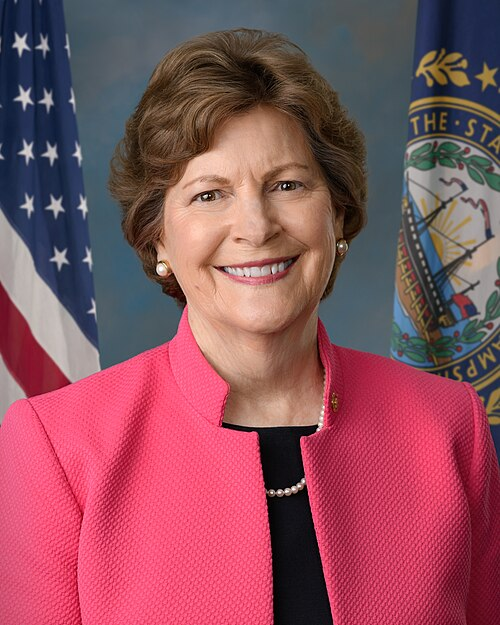
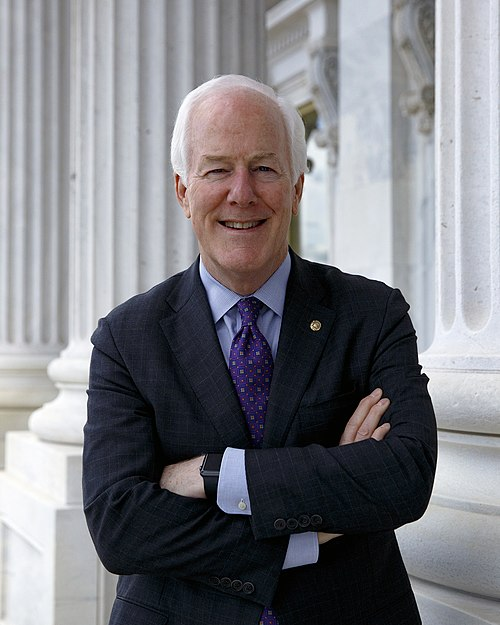
2 bill sponsors
Actions
5 actions
| Date | Action |
|---|---|
| Oct. 30, 2025 | Committee on Foreign Relations. Reported by Senator Risch with an amendment in the nature of a substitute. Without written report. |
| Oct. 30, 2025 | Placed on Senate Legislative Calendar under General Orders. Calendar No. 241. |
| Oct. 22, 2025 | Committee on Foreign Relations. Ordered to be reported with an amendment in the nature of a substitute favorably. |
| Aug. 01, 2025 | Introduced in Senate |
| Aug. 01, 2025 | Read twice and referred to the Committee on Foreign Relations. |
Corporate Lobbying
0 companies lobbying
None found.
* Note that there can be significant delays in lobbying disclosures, and our data may be incomplete.
Potentially Relevant Congressional Stock Trades
No relevant congressional stock trades found.