S. 2010: Transparency in Enforcement, Restricting, and Monitoring of Services Act
This legislation, known as the Transparency in Enforcement, Restricting, and Monitoring of Services Act (TERMS Act), seeks to enhance the transparency and accountability of online service providers (OSPs) regarding their acceptable use policies and the enforcement of these policies. Here are the key provisions of the bill:
Disclosure of Acceptable Use Policies
Online service providers are required to:
- Publicly disclose their acceptable use policies within 180 days of the bill's enactment.
- Clearly describe what actions or behaviors could lead to user restrictions, such as account terminations or suspensions.
- Explain how the provider enforces these policies, including any third parties that may assist in enforcement.
- Detail the appeal process for users who may wish to contest restrictions imposed on their accounts.
- Clarify whether actions taken outside the service platform may nonetheless affect a user's account status.
Advance Written Notice
The bill mandates that:
- Online service providers must notify users in writing before restricting their access, explaining the violation and the basis for the restriction.
- They must provide this notice at least 7 days prior to any restriction, barring certain exceptions (e.g., court orders or imminent risks of harm).
- Users will have the option to request that such notices be made public by the service provider.
Annual Reporting Requirements
Each OSP is required to publish an annual report detailing:
- The total number of violations reported by users, employees, automated systems, or affiliated organizations.
- The steps taken to restrict users, including the number of account suspensions, terminations, or other actions.
- The number of appeals from users and the outcomes of those appeals.
This report must be accessible on their public website in both human-readable and machine-readable formats.
Enforcement and Compliance
The bill designates the Federal Trade Commission (FTC) as the body responsible for enforcing these provisions. This includes:
- Addressing any violations as unfair or deceptive acts, similar to existing regulations under the FTC Act.
- Issuing guidance to assist providers in complying with the new requirements within 180 days of enactment.
Exceptions to Notice Requirements
There are circumstances where an OSP can restrict a user's access without prior notice, specifically:
- If required by a court order.
- If it is necessary to comply with federal law.
- If there is an imminent risk of serious harm or health risks.
Status of Acceptable Use Policies
OSPs must notify users prior to any material changes to their acceptable use policies and provide updated information on the enforcement of those policies.
Effective Date
The requirements of the bill would take effect 180 days after its enactment.
Relevant Companies
None found
This is an AI-generated summary of the bill text. There may be mistakes.
Sponsors
10 bill sponsors
-
TrackTed Cruz

Sponsor
-
TrackMarsha Blackburn

Co-Sponsor
-
TrackKatie Boyd Britt

Co-Sponsor
-
TrackTom Cotton

Co-Sponsor
-
TrackMike Crapo

Co-Sponsor
-
TrackMike Lee
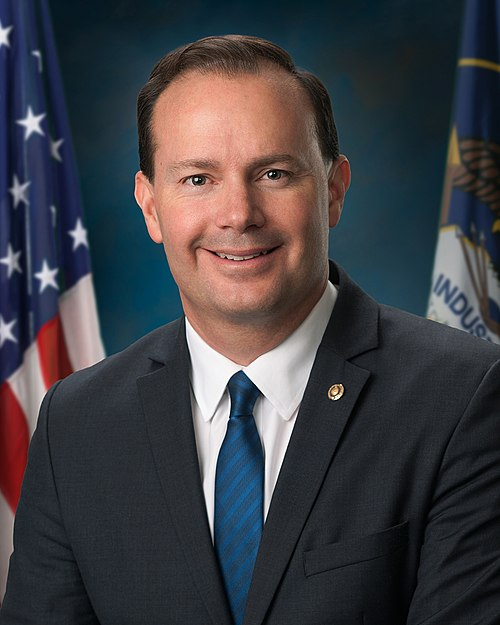
Co-Sponsor
-
TrackCynthia M. Lummis

Co-Sponsor
-
TrackRoger Marshall
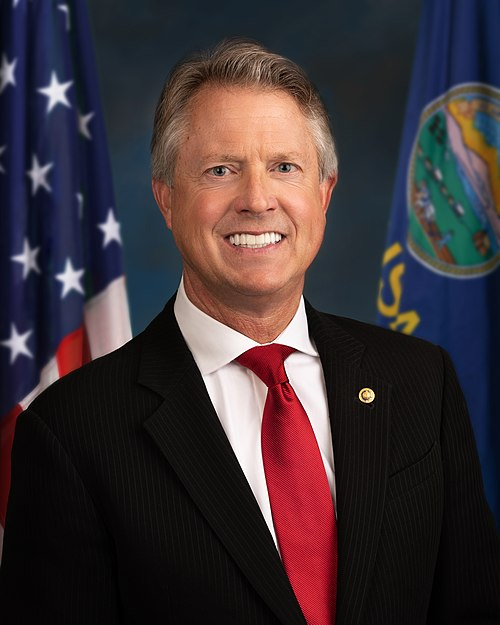
Co-Sponsor
-
TrackJames E. Risch

Co-Sponsor
-
TrackEric Schmitt

Co-Sponsor
Actions
2 actions
| Date | Action |
|---|---|
| Jun. 10, 2025 | Introduced in Senate |
| Jun. 10, 2025 | Read twice and referred to the Committee on Commerce, Science, and Transportation. |
Corporate Lobbying
0 companies lobbying
None found.
* Note that there can be significant delays in lobbying disclosures, and our data may be incomplete.
Potentially Relevant Congressional Stock Trades
No relevant congressional stock trades found.