S. 1913: Ending Qualified Immunity Act
This legislation, titled the "Ending Qualified Immunity Act," proposes changes to existing U.S. law concerning the accountability of government officials when they violate individuals' constitutional rights. Specifically, it aims to remove the legal defense known as "qualified immunity" that has historically protected state and local officials (such as police officers) from being held liable in civil lawsuits under Section 1983 of the Revised Statutes for violations of federal rights.
Key Provisions of the Bill
- Amendment of Section 1983: The bill amends Section 1983 to clarify that the qualified immunity defense is not permissible in actions pertaining to the deprivation of rights. This means that individuals could sue government officials without the officials being able to claim good faith or a lack of clarity in the law as defenses against lawsuits.
- Explicit Limitations on Defenses: The bill specifies that, in any case filed after the enactment of this bill, government officials cannot use several defenses, including:
- Claiming that they were acting in good faith at the time of the action.
- Arguing that they reasonably believed their conduct was lawful.
- Stating that the rights in question were not "clearly established" at the time of the violation.
- Claiming they could not have reasonably known their actions were against the law.
- Reinforcement of Congressional Intent: The bill reflects Congress's intention to enforce civil rights and uphold the rule of law by emphasizing that government officials should be held accountable for their actions, particularly while performing their public duties.
Background and Context
The original intent of Section 1983, created in the aftermath of the Civil War, was to allow individuals to seek justice against government officials who violated their rights. However, the interpretation of this section has evolved, and the introduction of qualified immunity has often limited the ability of individuals to seek redress when their rights are violated. This bill seeks to restore the original purpose of the statute by eliminating the barriers created by qualified immunity.
Throughout its history, qualified immunity has faced scrutiny for preventing victims of civil rights violations from obtaining justice, especially in cases involving law enforcement. By removing this defense, the bill aims to enhance accountability for government actions and ensure that constitutional rights are effectively protected.
Impact of the Legislation
If this bill is enacted, it could lead to an increase in lawsuits against state and local officials, particularly in the fields of law enforcement and public service. This could result in significant implications for how government officials perform their duties, potentially leading to changes in policies and training regarding the use of force and interactions with the public.
Relevant Companies
- None found
This is an AI-generated summary of the bill text. There may be mistakes.
Sponsors
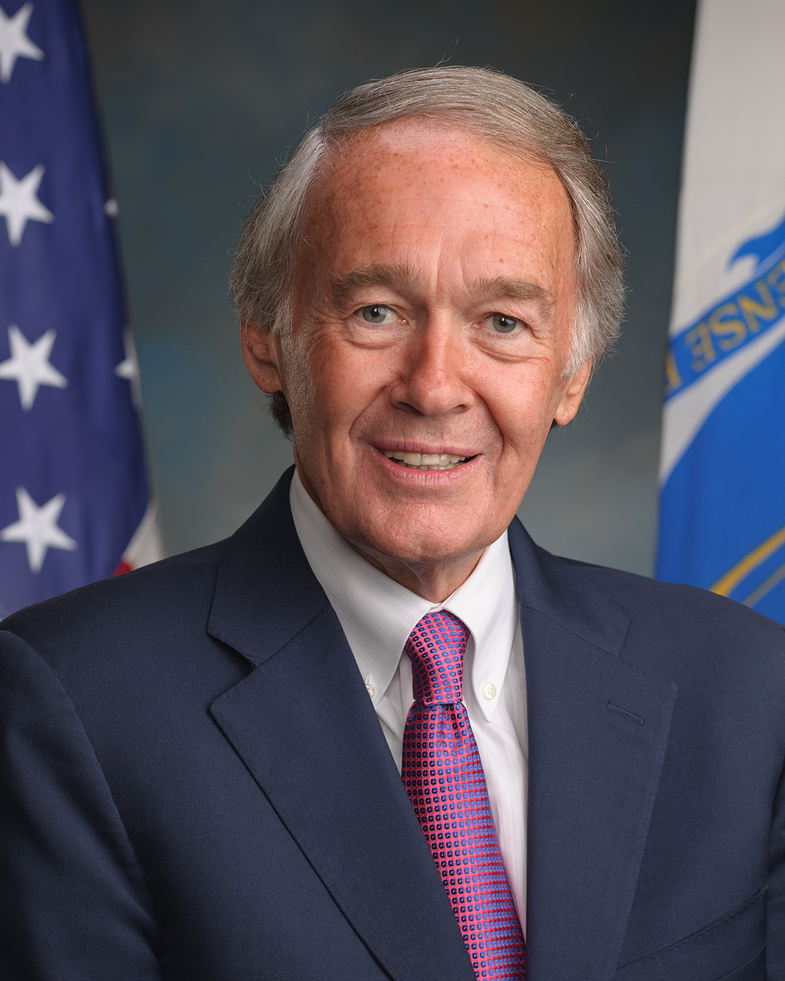
3 bill sponsors


Actions
2 actions
| Date | Action |
|---|---|
| May. 22, 2025 | Introduced in Senate |
| May. 22, 2025 | Read twice and referred to the Committee on the Judiciary. |
Corporate Lobbying
0 companies lobbying
None found.
* Note that there can be significant delays in lobbying disclosures, and our data may be incomplete.
Potentially Relevant Congressional Stock Trades
No relevant congressional stock trades found.