S. 1890: Carla Walker Act
The Carla Walker Act, also known as S. 1890, is a proposed piece of legislation that aims to enhance forensic activities in law enforcement through a grant program. The bill seeks to allocate federal funding for state and local agencies to improve the use of forensic analysis and technology, particularly in relation to DNA analysis and genetic genealogy. Here’s a breakdown of some key components of the bill:
Establishment of Grant Program
The bill proposes the creation of competitive grants that can be awarded by the Attorney General to eligible entities. These entities can include:
- State governments
- Tribal or local law enforcement agencies
- Prosecutor’s offices with forensic laboratory capabilities
- Medical examiner’s offices
- Coroner's offices
Objectives of the Grants
Eligible entities can use the grants for several purposes, including:
- Conducting DNA analyses, particularly when previous submissions to the Combined DNA Index System (CODIS) did not yield leads.
- Analyzing unidentified human remains believed to be victims of homicide.
- Acquiring new technology and equipment for forensic analysis focused on genetic genealogy.
Funding Details
The bill authorizes the appropriation of $5 million for each fiscal year from 2025 through 2029 specifically for these forensic activities. However, the use of these funds is limited primarily to forensic genetic genealogy analysis and purchasing related equipment. The funds cannot be used for staffing or training costs.
Equipment Grants
In addition to funding for DNA analysis, the bill includes provisions for grants that enable entities to purchase equipment necessary for forensic genetic genealogy DNA analysis. This can include supplies and validation expenses to support the forensic activities outlined in the bill.
Administrative Provisions
The Attorney General is tasked with developing the guidelines and regulations necessary to administer these grant programs. This includes the submission, review, and auditing of applications and the use of grant funds.
Reporting Requirements
Entities receiving grants must submit annual reports to the Attorney General detailing:
- The funding received and how it was used.
- The number of cases using forensic genealogical DNA analysis.
- The types of genetic testing performed and their outcomes.
Oversight and Accountability
To ensure accountability, the Attorney General has the right to access records related to the grants. This includes oversight of how funds are spent and the results of forensic analyses carried out under the grant program.
Implementation Timeline
Once enacted, the Attorney General must report back to Congress within two years on the implementation of the program and offer recommendations for future funding and regulations related to forensic genetic genealogy technology.
Relevant Companies
None found.
This is an AI-generated summary of the bill text. There may be mistakes.
Sponsors
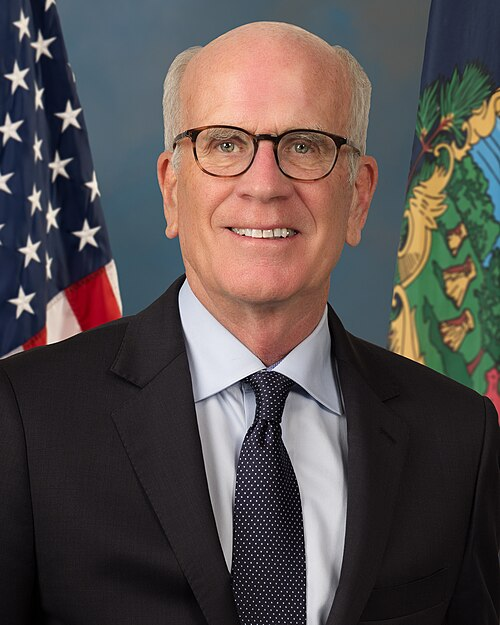
4 bill sponsors



Actions
8 actions
| Date | Action |
|---|---|
| Jun. 12, 2026 | Message on Senate action sent to the House. |
| Jun. 10, 2026 | Passed/agreed to in Senate: Passed Senate with an amendment by Voice Vote. |
| Jun. 10, 2026 | Passed Senate with an amendment by Voice Vote. (consideration: CR S2724-2727; text of amendment in the nature of a substitute: CR S2724-2726) |
| May. 20, 2026 | Committee on the Judiciary. Reported by Senator Grassley with an amendment in the nature of a substitute. Without written report. |
| May. 20, 2026 | Placed on Senate Legislative Calendar under General Orders. Calendar No. 419. |
| May. 14, 2026 | Committee on the Judiciary. Ordered to be reported with an amendment in the nature of a substitute favorably. |
| May. 22, 2025 | Introduced in Senate |
| May. 22, 2025 | Read twice and referred to the Committee on the Judiciary. |
Corporate Lobbying
0 companies lobbying
None found.
* Note that there can be significant delays in lobbying disclosures, and our data may be incomplete.
Potentially Relevant Congressional Stock Trades
No relevant congressional stock trades found.