S. 1003: Lulu’s Law
This bill, titled "Lulu’s Law," seeks to update the types of events for which emergency alerts can be sent through wireless communication systems. Specifically, it mandates that the Federal Communications Commission (FCC) must issue an order to allow for the transmission of emergency alert messages in the event of a shark attack.
Key Provisions
- Definition of Alert Message: The bill refers to the definition of "Alert Message" as stated in existing regulations.
- Action by the FCC: The FCC is required to act within 180 days of the law’s enactment to implement this requirement.
Essentially, if this legislation passes, it will enable authorities to quickly inform the public about shark attacks through official emergency alerts on their mobile devices, thereby enhancing public safety in coastal areas where such incidents may occur. This change aims to improve awareness and inform individuals who may be at risk during beach outings or water-related activities.
Implementation
The FCC will be tasked with developing the specific details and processes for how these alert messages regarding shark attacks will be disseminated. The law does not specify how these alerts should be structured but ensures they are included within the broader spectrum of emergency notifications.
Purpose
The purpose of this law is to provide another layer of emergency communication in areas that might experience shark attacks, thereby potentially reducing injuries or fatalities by allowing timely alerts to the public. It recognizes shark attacks as a significant threat that warrants immediate communication.
Relevant Companies
None found.This is an AI-generated summary of the bill text. There may be mistakes.
Sponsors
10 bill sponsors
-
TrackKatie Boyd Britt
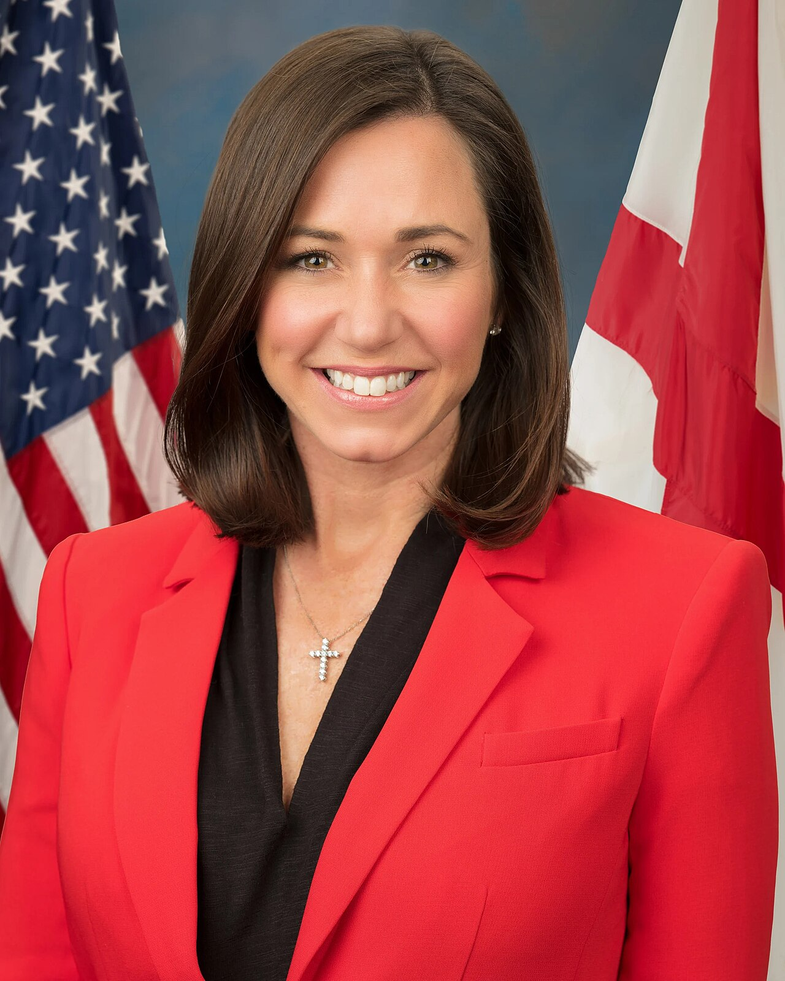
Sponsor
-
TrackShelley Moore Capito

Co-Sponsor
-
TrackBill Cassidy

Co-Sponsor
-
TrackChristopher A. Coons
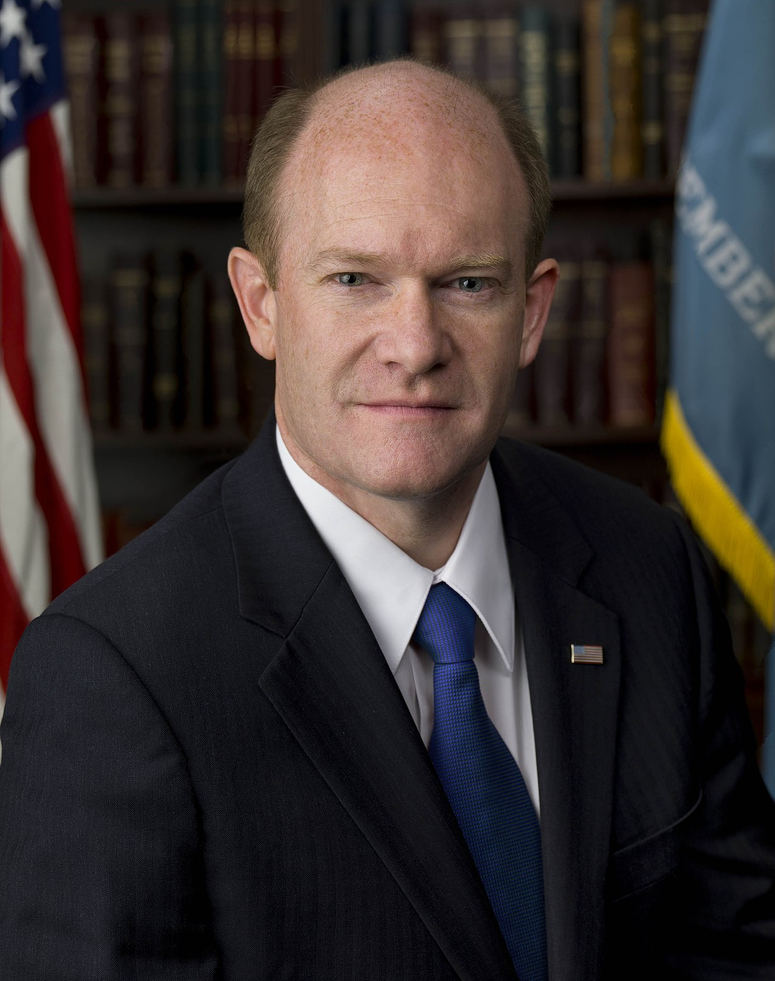
Co-Sponsor
-
TrackDeb Fischer

Co-Sponsor
-
TrackTim Kaine
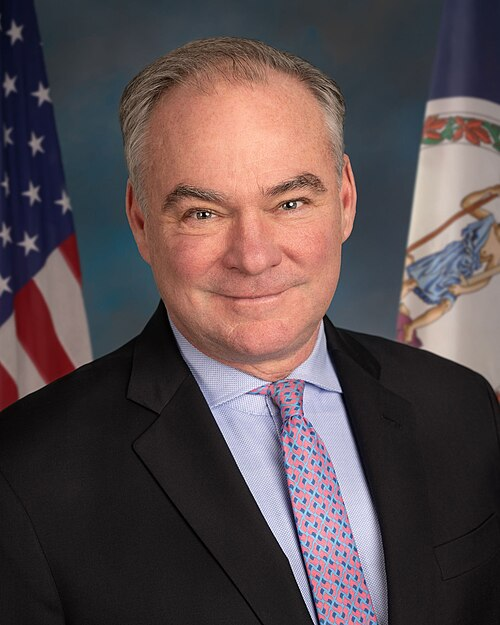
Co-Sponsor
-
TrackPete Ricketts
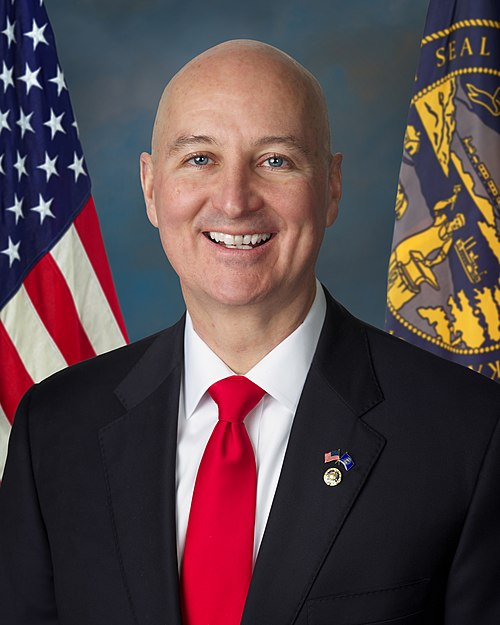
Co-Sponsor
-
TrackBrian Schatz
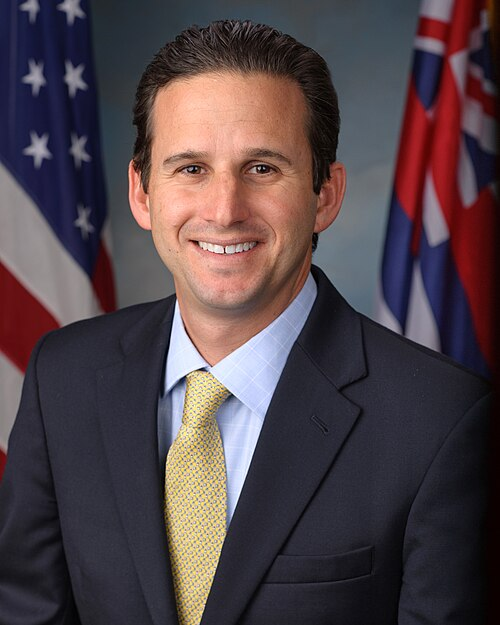
Co-Sponsor
-
TrackTommy Tuberville
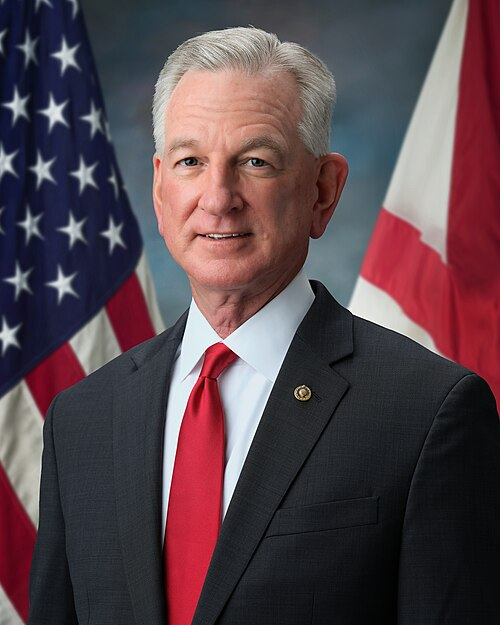
Co-Sponsor
-
TrackRaphael G. Warnock
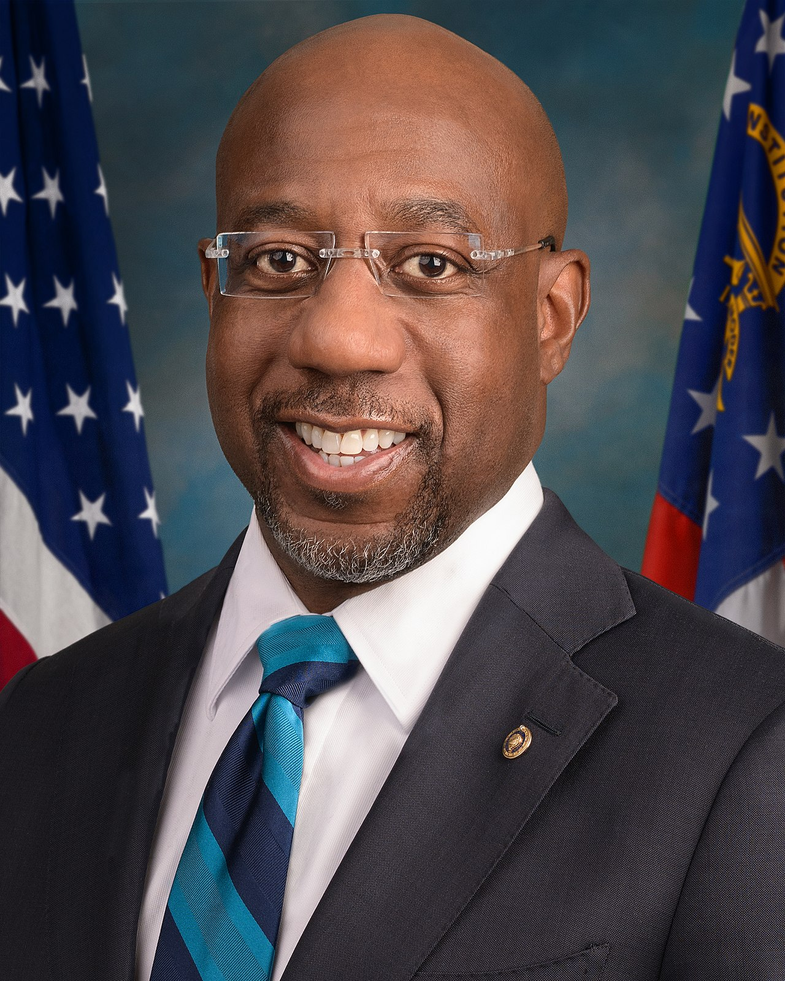
Co-Sponsor
Actions
19 actions
| Date | Action |
|---|---|
| Jun. 15, 2026 | Presented to President. |
| May. 20, 2026 | At the conclusion of debate, the Yeas and Nays were demanded and ordered. Pursuant to the provisions of clause 8, rule XX, the Chair announced that further proceedings on the motion would be postponed. |
| May. 20, 2026 | Considered as unfinished business. (consideration: CR H3647) |
| May. 20, 2026 | Considered under suspension of the rules. (consideration: CR H3642-3643) |
| May. 20, 2026 | DEBATE - The House proceeded with forty minutes of debate on S. 1003. |
| May. 20, 2026 | Motion to reconsider laid on the table Agreed to without objection. |
| May. 20, 2026 | Mr. Palmer moved to suspend the rules and pass the bill. |
| May. 20, 2026 | On motion to suspend the rules and pass the bill Agreed to by the Yeas and Nays: (2/3 required): 401 - 6 (Roll no. 181). (text: CR H3642) |
| May. 20, 2026 | Passed/agreed to in House: On motion to suspend the rules and pass the bill Agreed to by the Yeas and Nays: (2/3 required): 401 - 6 (Roll no. 181). (text: CR H3642) |
| Jul. 10, 2025 | Held at the desk. |
| Jul. 10, 2025 | Message on Senate action sent to the House. |
| Jul. 10, 2025 | Received in the House. |
| Jul. 08, 2025 | Passed/agreed to in Senate: Passed Senate without amendment by Unanimous Consent. |
| Jul. 08, 2025 | Passed Senate without amendment by Unanimous Consent. (consideration: CR S4261; text: CR S4261) |
| Jun. 12, 2025 | Committee on Commerce, Science, and Transportation. Reported by Senator Cruz without amendment. With written report No. 119-30. |
| Jun. 12, 2025 | Placed on Senate Legislative Calendar under General Orders. Calendar No. 91. |
| Apr. 30, 2025 | Committee on Commerce, Science, and Transportation. Ordered to be reported without amendment favorably. |
| Mar. 12, 2025 | Introduced in Senate |
| Mar. 12, 2025 | Read twice and referred to the Committee on Commerce, Science, and Transportation. |
Corporate Lobbying
0 companies lobbying
None found.
* Note that there can be significant delays in lobbying disclosures, and our data may be incomplete.
Potentially Relevant Congressional Stock Trades
No relevant congressional stock trades found.