H.R. 9995: Restoring Justice for Workers Act
This bill would change how workplace disputes can be handled in arbitration and in court. In plain terms, it would make it harder for employers or other entities that hire workers to require workers, in advance, to give up the ability to bring workplace claims together with other workers.
What it would prohibit
- Pre-dispute arbitration requirements for work disputes: A worker could not be forced, before any dispute arises, to agree to arbitrate workplace disputes.
- Pre-dispute waivers of group claims: A worker could not be made, before a dispute arises, to waive the right to bring or join class, collective, or other joint claims related to work.
- Retaliation for refusing these agreements: Employers or covered entities could not retaliate or threaten retaliation against a worker for refusing to agree to mandatory arbitration of a work dispute.
What counts as a “work dispute”
The bill defines work disputes broadly. It would cover disputes related to the work relationship or a prospective work relationship, including issues about pay, job terms, recruiting, advertising, referral, discipline, discharge, and disputes under certain anti-discrimination and labor-related laws. It also applies to disputes involving attempts to certify class actions or collective actions under federal or similar state procedures.
When arbitration would still be allowed
The bill would still allow arbitration after a dispute has already arisen, but only if the agreement is genuinely voluntary and meets several conditions:
- It cannot be required by the employer or other covered entity.
- It cannot be obtained through coercion or threats of adverse action.
- It cannot be made a condition of employment, work, or a work-related benefit.
- The worker must get a plain-language written disclosure explaining the right to refuse without retaliation and the legal protections in the bill.
- The worker must wait at least 45 days after receiving the final agreement and disclosures.
- The worker must affirmatively consent in writing.
Group waivers after a dispute
The bill would also say that a post-dispute waiver of the right to pursue joint, class, or collective claims is not enforceable unless it meets the same voluntariness and disclosure rules that apply to post-dispute arbitration agreements.
Enforcement and legal process
- If a worker is punished for refusing to enter a prohibited arbitration agreement, the worker could sue in federal court.
- That lawsuit would have a 2-year filing deadline, extended to 3 years if the violation was willful.
- Available relief would include attorney’s fees, costs, and other remedies allowed under specified civil rights law provisions.
- During the 45-day waiting period, the time limit for bringing related claims would be paused.
- Courts, not arbitrators, would decide whether the law applies and whether an agreement is valid under it.
Other effects
The bill would apply broadly to workers and covered entities engaged in activities affecting interstate commerce, including domestic workers. It would also make technical changes to existing federal arbitration law to add this new chapter for work disputes. The law would take effect when enacted and would apply to disputes or claims arising on or after that date, even if an earlier agreement is involved.
Relevant Companies
None found
This is an AI-generated summary of the bill text. There may be mistakes.
Sponsors
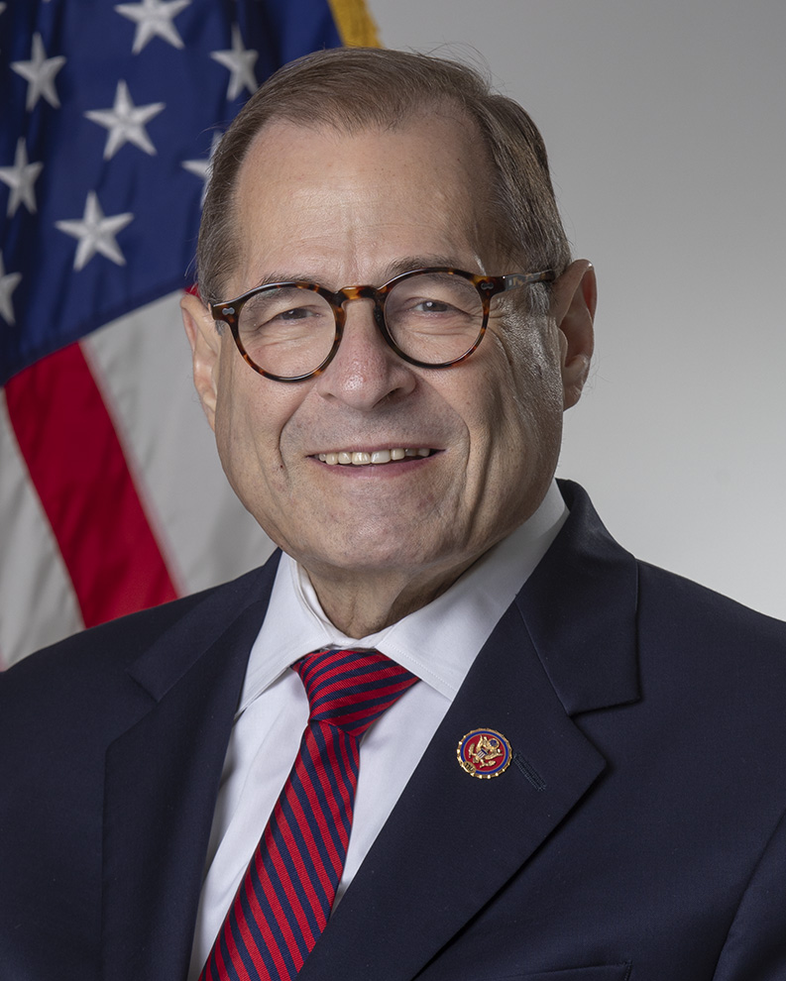
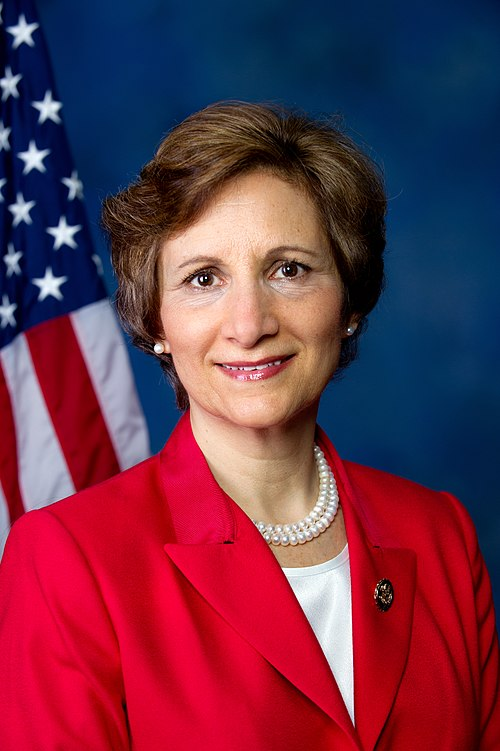
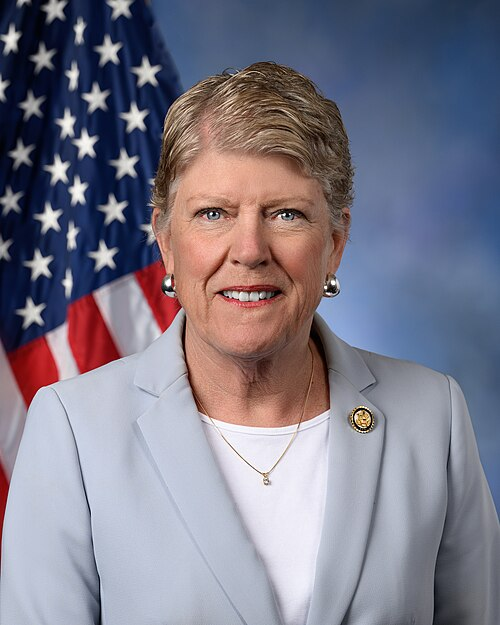
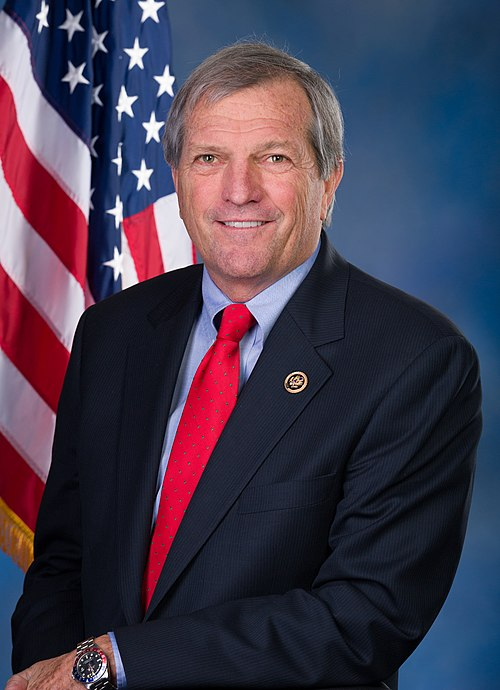
8 bill sponsors



Actions
2 actions
| Date | Action |
|---|---|
| Jul. 30, 2026 | Introduced in House |
| Jul. 30, 2026 | Referred to the Committee on the Judiciary, and in addition to the Committee on Education and Workforce, for a period to be subsequently determined by the Speaker, in each case for consideration of such provisions as fall within the jurisdiction of the committee concerned. |
Corporate Lobbying
0 companies lobbying
None found.
* Note that there can be significant delays in lobbying disclosures, and our data may be incomplete.
Potentially Relevant Congressional Stock Trades
No relevant congressional stock trades found.