H.R. 9991: Safeguarding Transparency and Oversight to Prevent the Spread of Washington’s Administrative Misconduct and Partisanship Act
This bill would change the rules for people who are called to testify before Congress and either refuse to answer certain questions or are later convicted of lying to Congress or making false statements in that setting.
What it would do
- It would keep, and slightly reorganize, an existing federal law about congressional investigations.
- If a person appears as a witness before Congress and refuses to answer a question that is considered relevant to the investigation, the bill would make that person:
- guilty of a misdemeanor, with possible fines and jail time under the existing penalties in the law, and
- barred from federal employment.
- If a person who testified before Congress is finally convicted of perjury or making false statements under the cited federal criminal laws, the bill would also bar that person from federal employment.
- If a current federal employee is found to have violated either of those rules, the bill would require that person to be removed from civil service, in addition to any other penalties that apply.
- Any decision to bar someone from federal employment would be subject to judicial review, meaning a court could review the action.
Changes to the process for taking away salary funds
- The bill would also change how Congress can move to rescind or take back funds used for the salary and expenses of a witness who is a federal employee.
- Under the bill, after facts are certified to a U.S. attorney, any member of either House of Congress could introduce a privileged joint resolution to rescind those funds within 180 days.
- The resolution would follow an expedited process:
- it would go to the relevant appropriations committee,
- the committee would have to report it quickly,
- each chamber would have to vote on it within set deadlines, and
- any disagreements between the House and Senate would also be handled on a fast track.
- The bill also expands and clarifies who counts as the “appropriate Member of Congress” for these procedures, including certain committee leaders and congressional officers.
Practical effect
In plain terms, the bill would add stronger employment consequences for people who refuse to answer Congress’s questions or are convicted of lying in that context, and it would make it easier and faster for Congress to try to cut off salary-related funding tied to such a witness who is a federal employee.
Relevant Companies
None found
This is an AI-generated summary of the bill text. There may be mistakes.
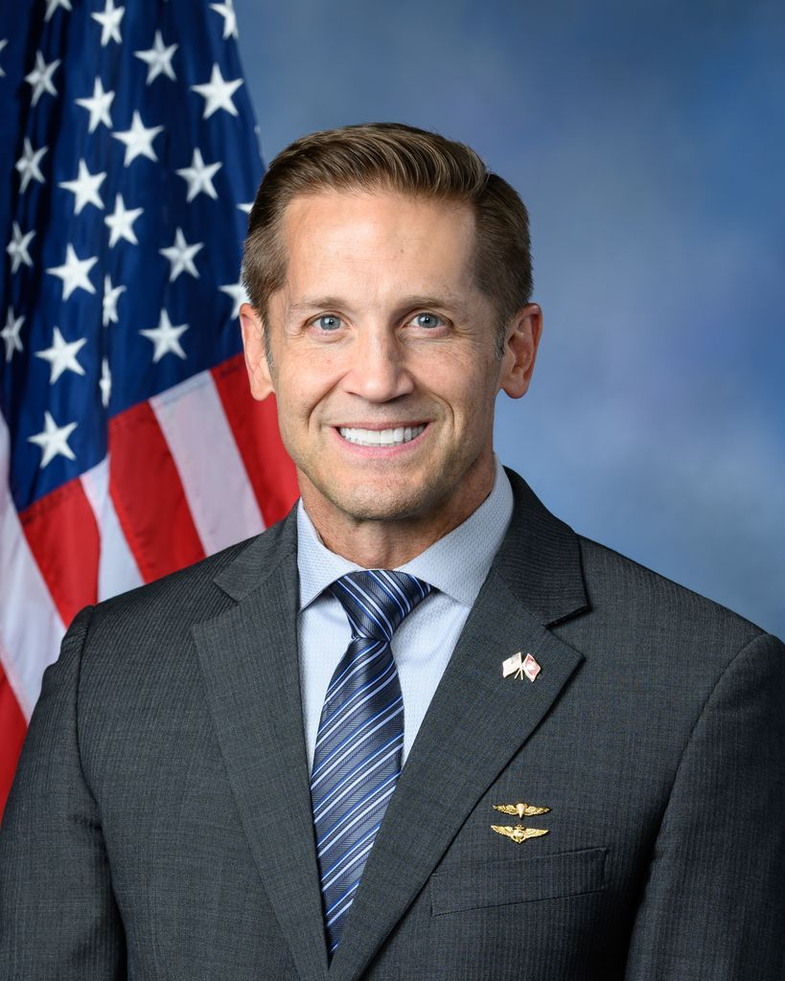
Sponsors
1 sponsor
Actions
2 actions
| Date | Action |
|---|---|
| Jul. 30, 2026 | Introduced in House |
| Jul. 30, 2026 | Referred to the Committee on the Judiciary, and in addition to the Committees on Oversight and Government Reform, and Rules, for a period to be subsequently determined by the Speaker, in each case for consideration of such provisions as fall within the jurisdiction of the committee concerned. |
Corporate Lobbying
0 companies lobbying
None found.
* Note that there can be significant delays in lobbying disclosures, and our data may be incomplete.
Potentially Relevant Congressional Stock Trades
No relevant congressional stock trades found.