H.R. 9981: Foodborne Illness Rapid Response Act
This bill would make a narrow staffing rule for certain parts of the Centers for Disease Control and Prevention (CDC) that handle foodborne disease surveillance and foodborne illness outbreak response.
What it does
- After a multi-state or nationally significant foodborne illness outbreak, the CDC could not reduce staffing in those specific divisions for one year.
- The restriction would apply to staffing cuts of 1% or more of the total employees in each covered division within any 60-day period.
- The staffing cuts covered by the bill include formal layoffs, reductions in force, and other agency reorganizations that would reduce staff.
What counts as a covered staffing reduction
The bill defines a covered reduction broadly. It would include any agency action that removes at least 1% of employees from the CDC divisions responsible for:
- tracking foodborne diseases, and
- responding to foodborne illness outbreaks.
Practical effect
In simple terms, the bill would protect these CDC teams from being cut back right after a major food poisoning outbreak. The goal is to keep those response and surveillance units staffed during the year after a serious outbreak, so they can continue monitoring cases and responding to future incidents.
Relevant Companies
None found
This is an AI-generated summary of the bill text. There may be mistakes.
Sponsors
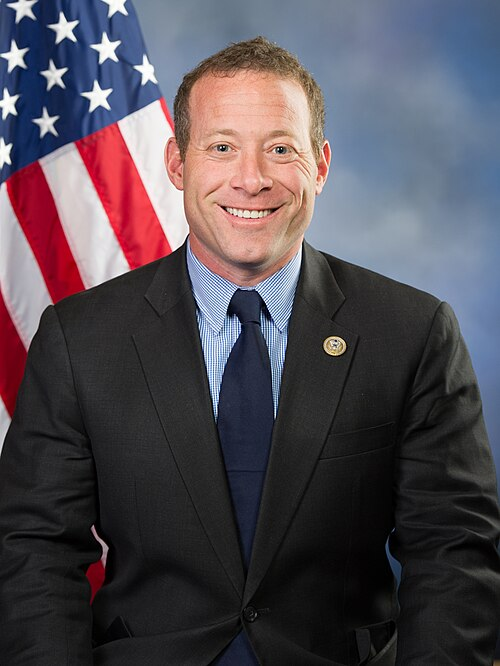
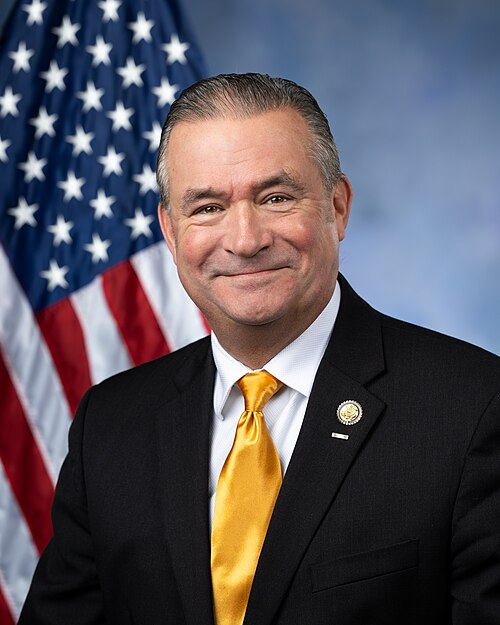
2 bill sponsors
Actions
2 actions
| Date | Action |
|---|---|
| Jul. 30, 2026 | Introduced in House |
| Jul. 30, 2026 | Referred to the House Committee on Energy and Commerce. |
Corporate Lobbying
0 companies lobbying
None found.
* Note that there can be significant delays in lobbying disclosures, and our data may be incomplete.
Potentially Relevant Congressional Stock Trades
No relevant congressional stock trades found.