
H.R. 9873: Inclusive Democracy Act of 2026
This bill would change federal voting rules for people with criminal convictions by saying that a conviction does not take away a U.S. citizen’s right to vote in federal elections such as elections for President, U.S. Senator, and U.S. Representative.
Core voting-rights change
The bill would require that citizens cannot be denied or limited in their right to vote in federal elections because they were convicted of a criminal offense. It would apply to convictions that happened before, on, or after the bill becomes law.
Notice requirements
The bill would require governments and correctional systems to tell affected people about the new rules:
- State officials would have to notify people in writing at the time of a state conviction that the conviction does not affect their right to vote in federal elections.
- Federal courts would have to give the same written notice at the time of a federal conviction.
- Probation and parole offices would have to provide written notice of any relevant voting-rights changes within 90 days after enactment.
- Jails and prisons would also have to notify incarcerated people in writing within 90 days.
- The Election Assistance Commission would have to run a public information campaign within 180 days.
- The Attorney General would have to publish updated voting-rights guidance within 60 days and share it with relevant agencies and election officials.
How registration would work in custody
Jails, prisons, and similar facilities would have to offer incarcerated people the chance to register to vote in federal elections. If someone completes a registration form, the facility would generally have to send it to the state election official within 10 days. If the deadline is very close, the form would have to be sent electronically the same day or mailed within 2 days.
States would not be allowed to reject these forms just because they were sent electronically, by mail, or close to a deadline, as long as they were mailed within the allowed time window.
An incarcerated person could register using either:
- their last known home address, or
- the address of the facility where they are held.
Absentee voting for incarcerated people
If an incarcerated person is registered to vote in a federal election, the bill would give them the right to vote by mail absentee ballot. Facilities would have to provide absentee ballot applications upon request and transmit completed applications quickly.
For absentee ballots, the bill would require several protections, including:
- Ballots and related mail would be treated as election mail.
- Facilities would have to give election mail to the person within 24 hours of receiving it.
- Completed ballots would have to be mailed or otherwise transmitted the same day, or within 24 hours if submitted after business hours.
- States could not reject a ballot just because it arrived by the usual deadline rules if it was mailed on or before election day.
- States could not reject a ballot because the person did not include a separate ID copy if state law would otherwise require one.
- If a ballot is missing a signature or has another correctable defect, election officials would have to try to notify the voter and give them 10 days to fix it.
- If a state routinely sends absentee ballots to all registered voters, it would have to do the same for incarcerated registered voters.
Access to election information and assistance
Facilities that provide internet-enabled devices would have to give eligible incarcerated voters free internet access on those devices for researching candidates, campaigns, and voting procedures.
Facilities would also have to allow:
- candidates and campaigns to distribute election materials, and
- nonpartisan groups to provide voter registration and voter education materials.
In addition, facilities would have to post information in visible common areas about how to register, request absentee ballots, and vote.
Nonpartisan voter registration help inside facilities
The bill would require facilities to let nonpartisan organizations enter and provide voter registration services to incarcerated people. Facilities would not be allowed to block someone from doing this just because they were formerly incarcerated or are on a visitor list.
Protection from prosecution for some ballot issues
If an incarcerated voter receives a ballot that includes races or measures they are not eligible to vote on, they could not be prosecuted just for voting on those other items.
Enforcement
The Attorney General could bring a civil lawsuit to enforce the law. People harmed by a violation could also sue after giving notice and allowing time for the problem to be corrected, with faster access to court in certain election-related emergencies.
Scope and timing
The bill would apply only to federal elections. It would not require states to change their rules for state or local elections, although states could choose to be more permissive. The bill says it should be interpreted in favor of people trying to register or vote. Its main election-access provisions would apply starting with the regularly scheduled federal general elections in November 2026.
Relevant Companies
None found
This is an AI-generated summary of the bill text. There may be mistakes.
Sponsors
14 bill sponsors
-
TrackAyanna Pressley
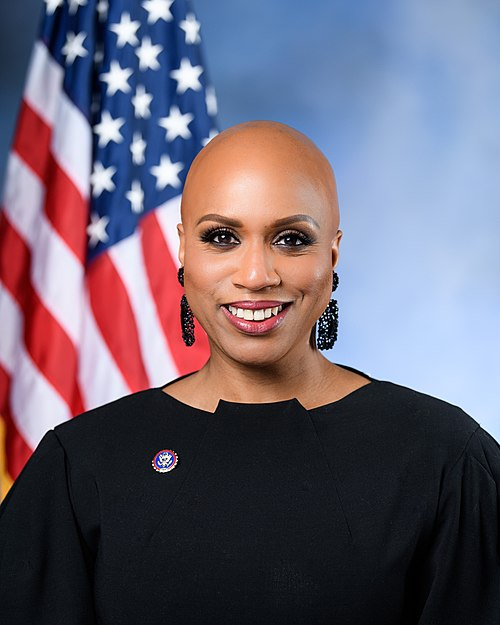
Sponsor
-
TrackGreg Casar

Co-Sponsor
-
TrackEmanuel Cleaver
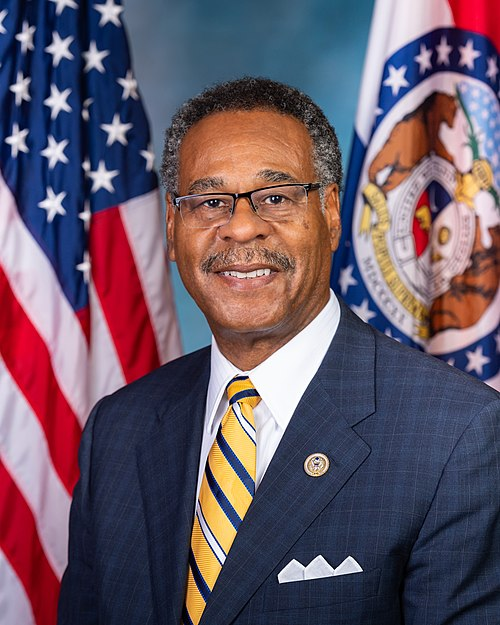
Co-Sponsor
-
TrackHenry C. "Hank" Johnson, Jr.

Co-Sponsor
-
TrackSummer L. Lee

Co-Sponsor
-
TrackKweisi Mfume
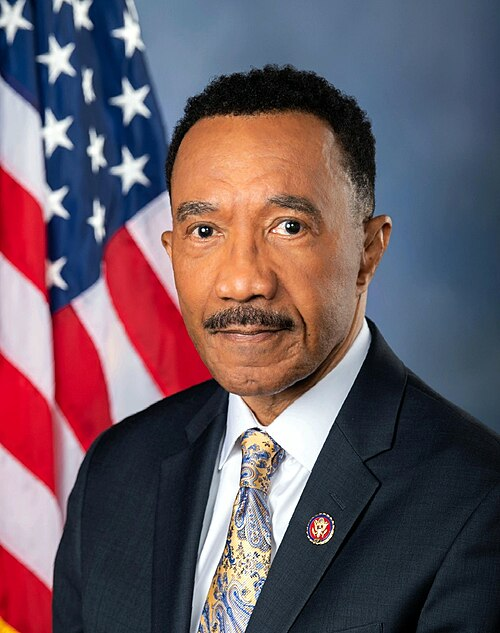
Co-Sponsor
-
TrackEleanor Holmes Norton

Co-Sponsor
-
TrackIlhan Omar

Co-Sponsor
-
TrackDelia C. Ramirez
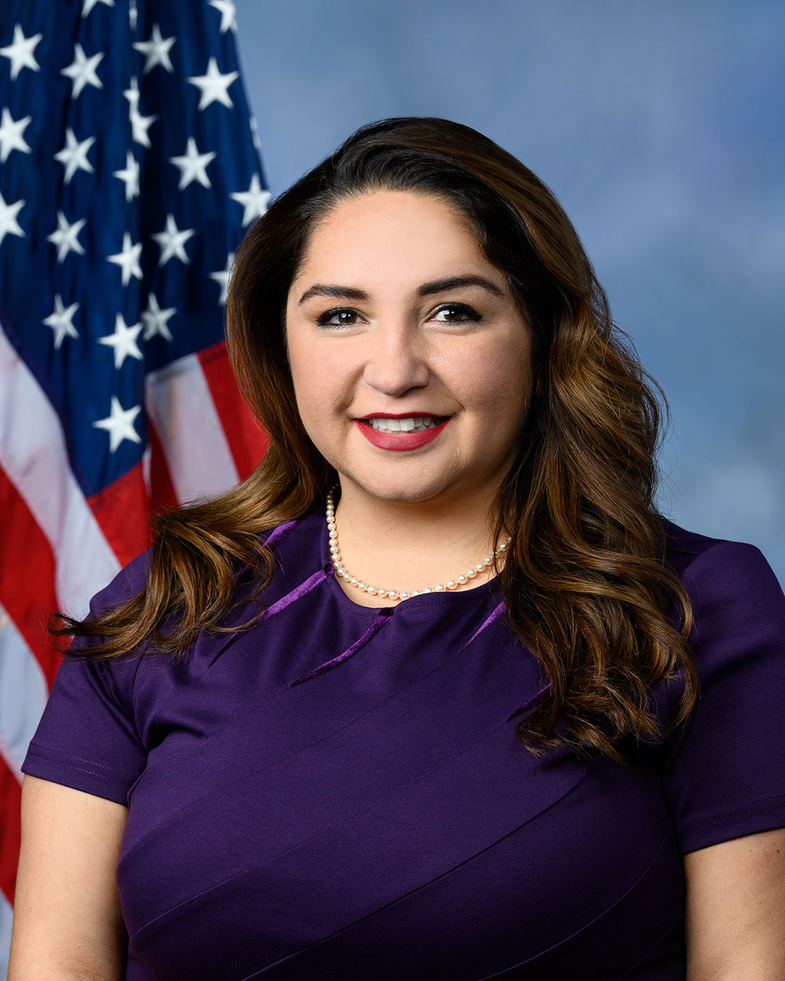
Co-Sponsor
-
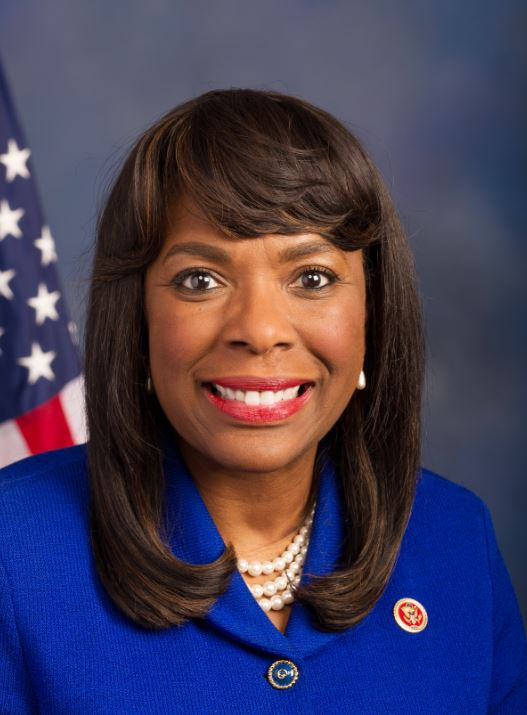
TrackTerri A. Sewell
Co-Sponsor
-
TrackLateefah Simon

Co-Sponsor
-
TrackShri Thanedar

Co-Sponsor
-
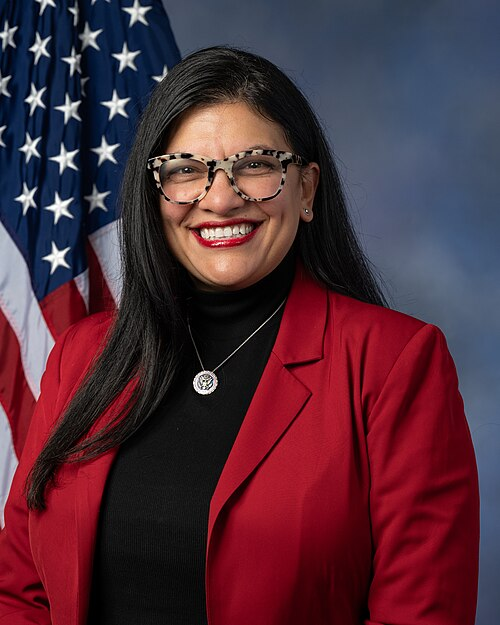
TrackRashida Tlaib
Co-Sponsor
-
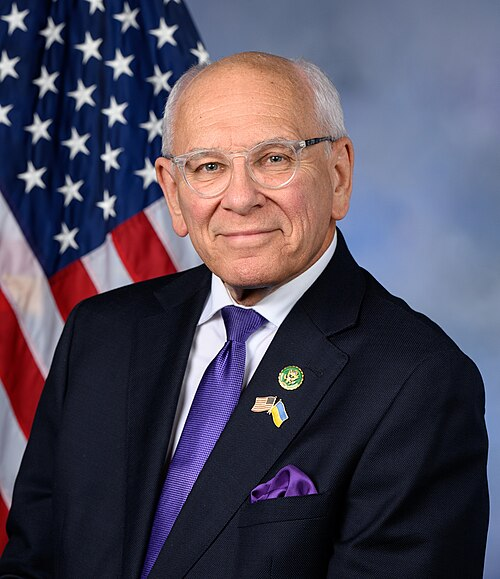
TrackPaul Tonko
Co-Sponsor
Actions
2 actions
| Date | Action |
|---|---|
| Jul. 22, 2026 | Introduced in House |
| Jul. 22, 2026 | Referred to the Committee on the Judiciary, and in addition to the Committee on House Administration, for a period to be subsequently determined by the Speaker, in each case for consideration of such provisions as fall within the jurisdiction of the committee concerned. |
Corporate Lobbying
0 companies lobbying
None found.
* Note that there can be significant delays in lobbying disclosures, and our data may be incomplete.
Potentially Relevant Congressional Stock Trades
No relevant congressional stock trades found.