H.R. 9803: Protecting Immigrants From Legal Exploitation Act of 2026
This bill would create new federal penalties for immigration-related fraud and add several anti-fraud protections for people seeking immigration help.
What the bill would do
- Make certain immigration scams a federal crime. A person who knowingly or recklessly carries out a scheme to defraud someone in connection with a matter under federal immigration law, or who gets money or something of value through false promises or misrepresentations, could be fined, imprisoned for up to 10 years, or both.
- Increase penalties for falsely claiming to be authorized legal help. Anyone who knowingly and falsely says they are an attorney or an accredited representative in an immigration matter could be fined, imprisoned for up to 15 years, or both.
- Require reimbursement to victims. A person convicted under the new fraud section would have to fully repay the client for any fraudulent services provided.
- Require more disclosure about who helped prepare immigration filings. The Department of Homeland Security and the Department of Justice would have to set rules requiring applicants, in certain cases, to identify anyone who helped prepare or translate immigration-related forms. People who were paid to help would also have to sign as preparers and provide identifying information, unless they were only doing ordinary copying, mailing, or similar tasks.
- Allow the government to seek court orders against fraudulent providers. The Attorney General could sue to stop an immigration service provider from continuing fraudulent conduct or from falsely claiming to have legal authority to represent people before DOJ or DHS.
- Let some victims undo bad filings. A person could withdraw an immigration application or other submission without penalty if it was prepared or submitted by someone engaged in unauthorized practice of law or immigration-practitioner fraud, and the person did not know that at the time.
- Allow corrected filings to be resubmitted. Federal agencies would have to create a process for resubmitting corrected filings even if normal filing limits or deadlines would otherwise block them.
- Create a limited exception to certain reentry bars. In some cases, a person who left the United States based on bad advice from an unauthorized immigration helper could avoid a specific reentry-related bar if they can prove that by a preponderance of the evidence.
- Require regulations on immigration judge contempt authority. The Attorney General would have to issue rules within 180 days clarifying how immigration judges can use contempt powers, including civil contempt sanctions and monetary penalties against parties appearing before them.
- Fund outreach to immigrant communities. DHS and DOJ would have to educate immigrants about who is authorized to give legal immigration advice, and make anti-fraud information available in offices and on government websites, including in languages such as English and Spanish where practicable.
- Create grant programs for legal help. DHS and DOJ would set up competitive grants for qualified nonprofit organizations to provide direct legal services to immigrants in removal proceedings and to people filing immigration applications, including help gathering documents and supporting evidence.
Relevant Companies
None found
This is an AI-generated summary of the bill text. There may be mistakes.
Sponsors
18 bill sponsors
-
TrackBill Foster
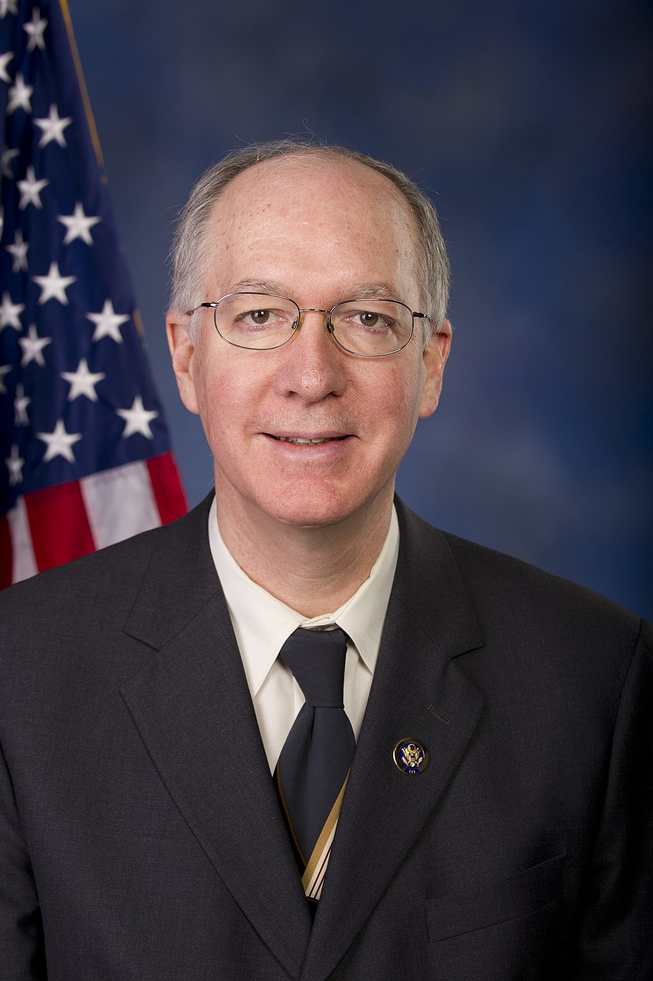
Sponsor
-
TrackSalud O. Carbajal
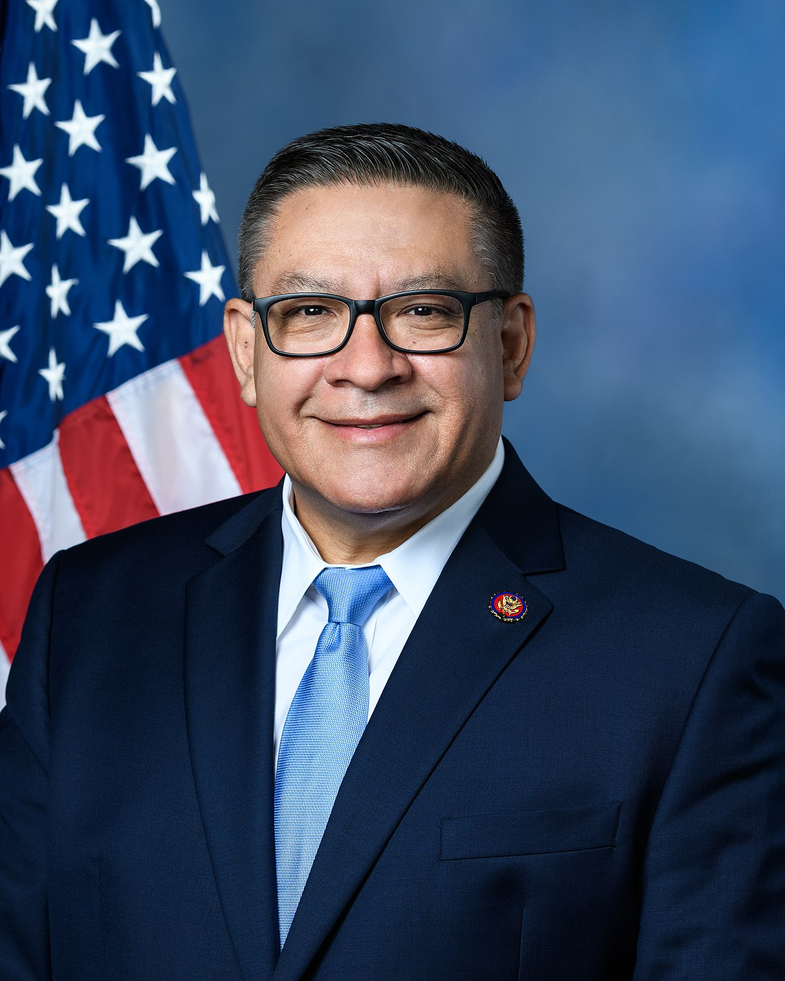
Co-Sponsor
-
TrackJudy Chu
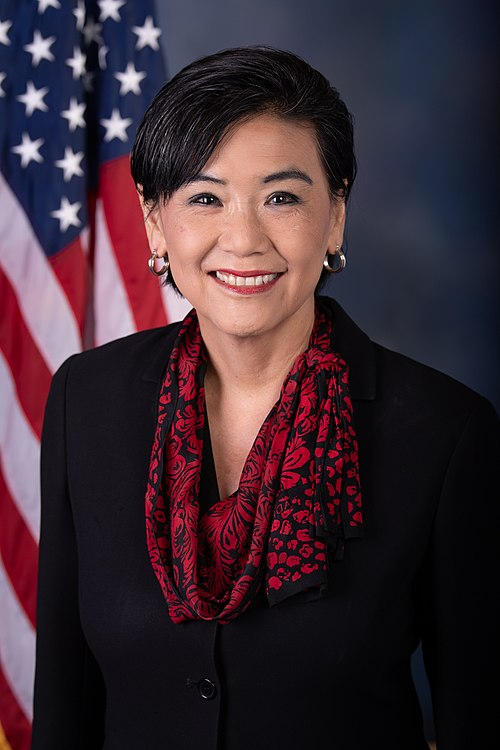
Co-Sponsor
-
TrackGilbert Ray Cisneros, Jr.
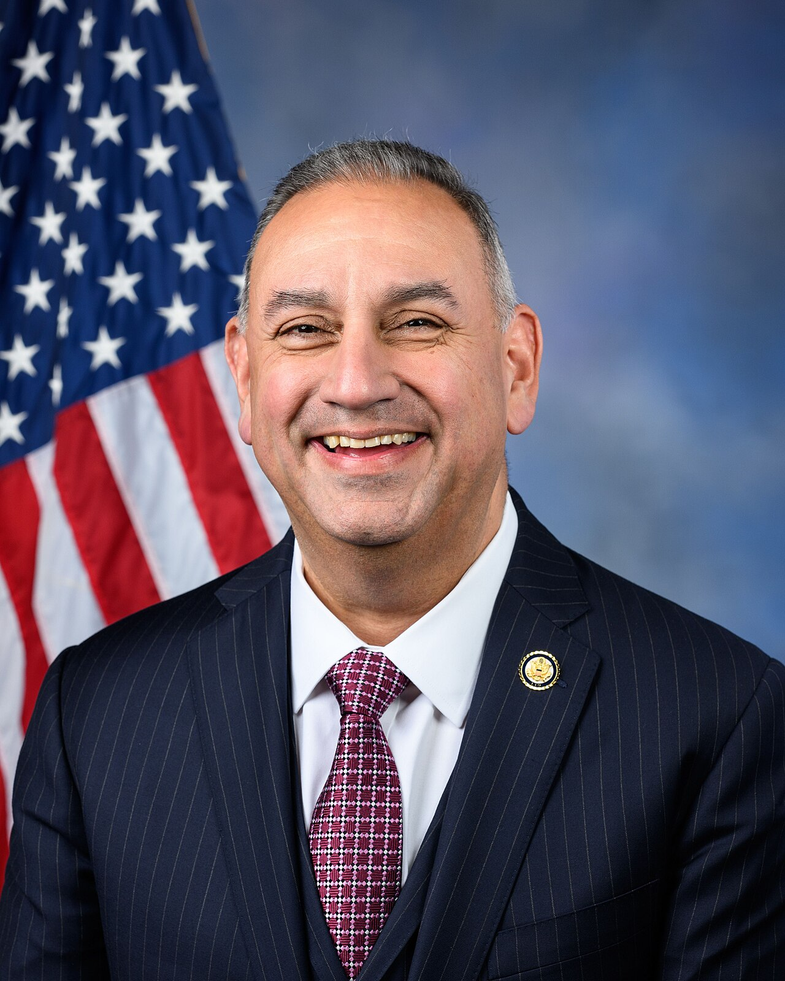
Co-Sponsor
-
TrackYvette D. Clarke
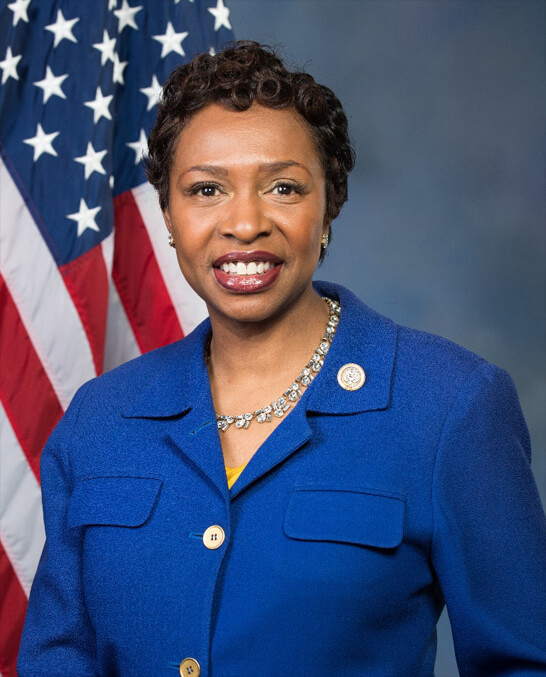
Co-Sponsor
-
TrackJesús G. "Chuy" García
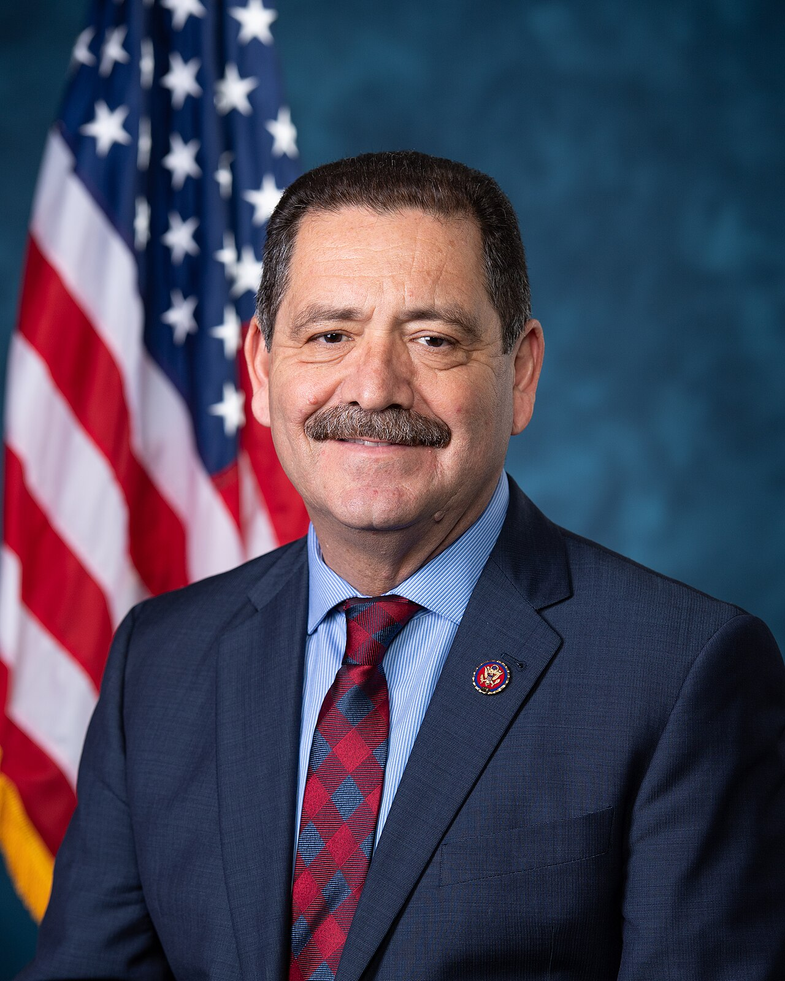
Co-Sponsor
-
TrackHenry C. "Hank" Johnson, Jr.

Co-Sponsor
-
TrackZoe Lofgren
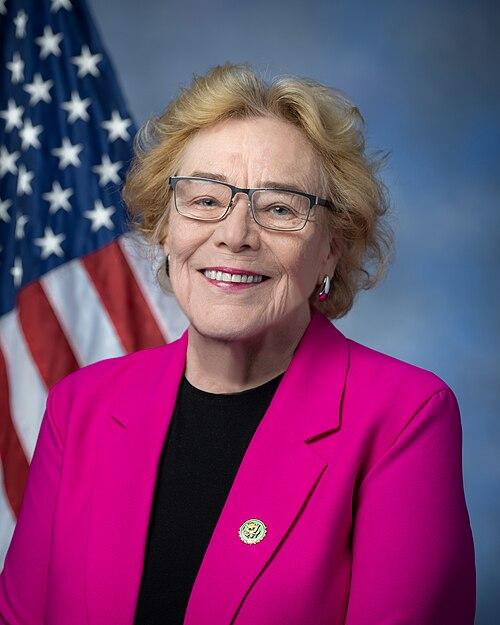
Co-Sponsor
-
TrackJames P. McGovern
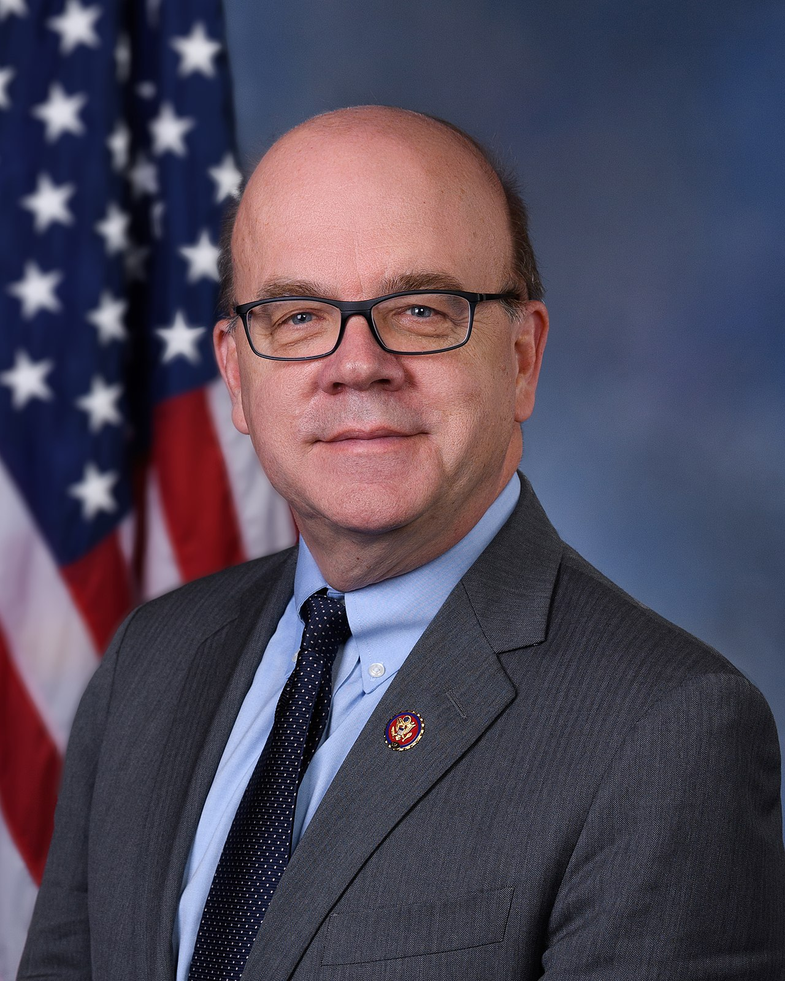
Co-Sponsor
-
TrackSeth Moulton
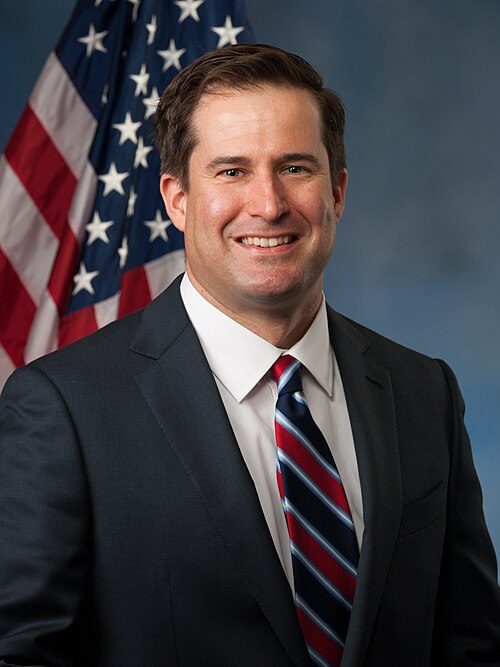
Co-Sponsor
-
TrackJerrold Nadler
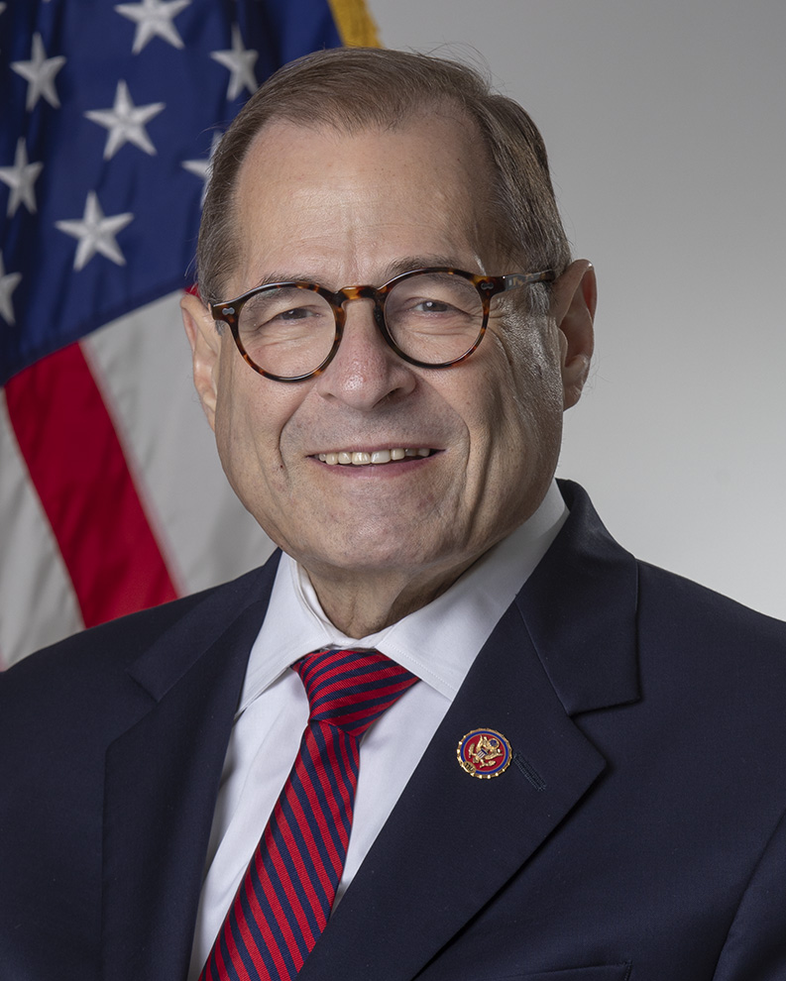
Co-Sponsor
-
TrackEleanor Holmes Norton

Co-Sponsor
-
TrackJimmy Panetta
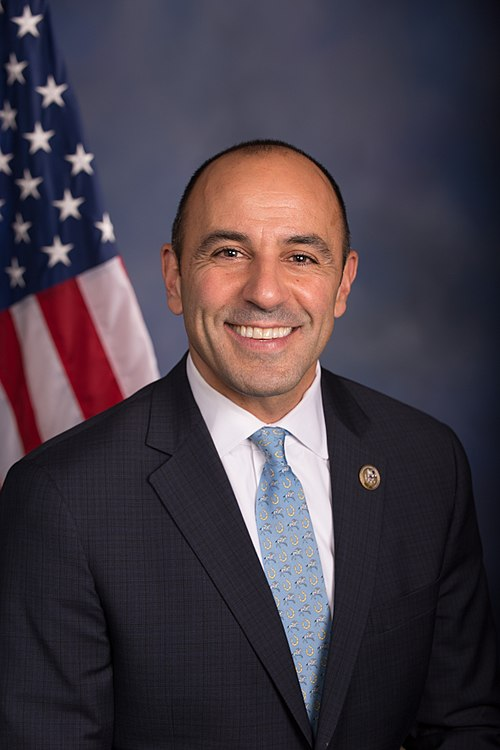
Co-Sponsor
-
TrackMike Quigley

Co-Sponsor
-
TrackJanice D. Schakowsky

Co-Sponsor
-
TrackPaul Tonko
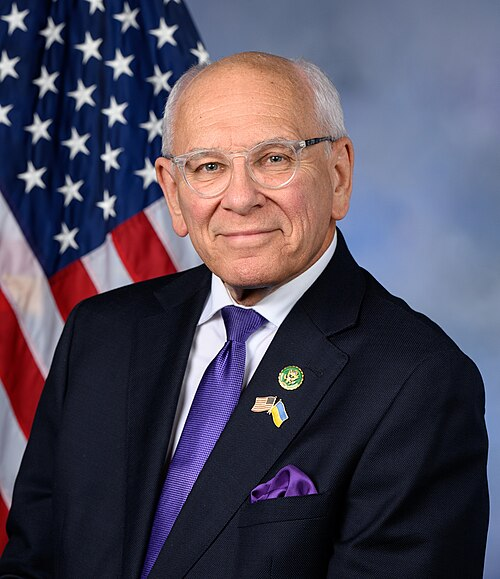
Co-Sponsor
-
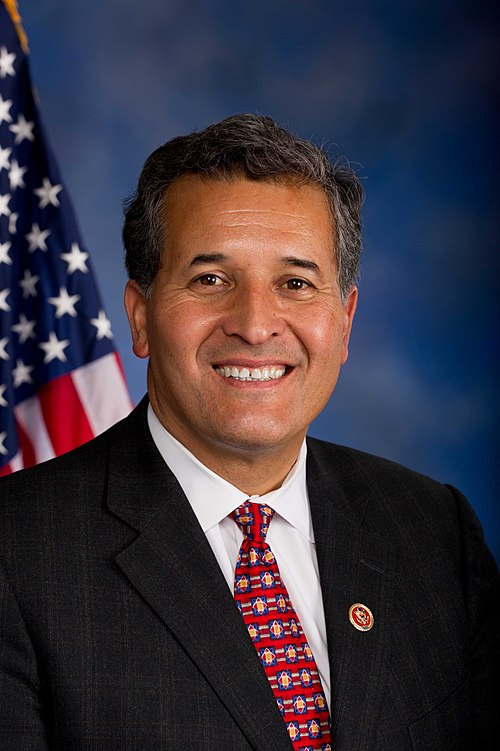
TrackJuan Vargas
Co-Sponsor
-
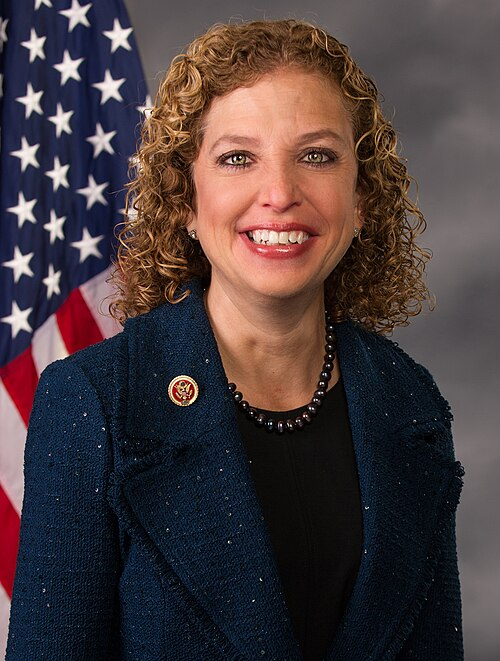
TrackDebbie Wasserman Schultz
Co-Sponsor
Actions
2 actions
| Date | Action |
|---|---|
| Jul. 21, 2026 | Introduced in House |
| Jul. 21, 2026 | Referred to the House Committee on the Judiciary. |
Corporate Lobbying
0 companies lobbying
None found.
* Note that there can be significant delays in lobbying disclosures, and our data may be incomplete.
Potentially Relevant Congressional Stock Trades
No relevant congressional stock trades found.