H.R. 9745: Orlin’s Law
This bill, called Orlin’s Law, would change how federal immigration authorities handle detained parents who have dependent children in the United States. Its main goal is to require the government to identify these parents quickly, limit detention when possible, and make it easier for parents to arrange care for their children and participate in related legal proceedings.
Core changes
- Early identification of parents: When someone is taken into immigration custody, the Department of Homeland Security (DHS) would have to ask within 2 hours whether the person is a parent of a dependent child in the U.S., and keep a record of the answer.
- Limits on detention: If DHS determines that the person is a covered parent, DHS would generally have to release them unless an immigration judge finds, by clear and convincing evidence, that the person poses an individualized safety risk that cannot be addressed through supervised release.
- Least restrictive placement: If a detained parent is found to pose a risk, DHS would have to use the least restrictive placement available, including community-based supervision when appropriate.
- Ongoing parental-status checks: DHS would have to ask about parental status, or changes in it, during immigration-related interactions and at least once a month.
Rights and access for detained parents
The bill would give detained covered parents several communication and coordination rights so they can care for or make plans for their children. These include:
- free phone calls to arrange child care before transfer or removal;
- regular in-person visits with dependent children;
- free daily phone and video calls with dependent children;
- the ability to participate in family court, child welfare, guardianship, and related proceedings, preferably in person when practical;
- free confidential calls with lawyers, child welfare agencies, family members, or courts;
- access to notary services, travel documents, medical and school records, and other papers needed for the child’s care or travel;
- advance notice about the child’s travel arrangements if the parent is being removed from the country;
- the ability to share travel information with lawyers, consulates, caregivers, or child welfare agencies before departure.
Family rights and removal procedures
- If a child is separated from a detained parent and no court has terminated parental rights, the bill creates a presumption that the parental rights still exist and that the separation alone is not proof of abandonment, abuse, or neglect.
- If a detained parent has a final order of removal, DHS would have to notify the parent, in their preferred language, that they may request to be removed together with their dependent children to the same country.
- The bill says such a request cannot count if it was made under duress or coercion.
New DHS office and training
The bill would create an Office of Detained Parent Coordination within Immigration and Customs Enforcement (ICE), led by a National Coordinator with at least 10 years of experience in child welfare, family law, or guardianship matters. The office would have at least 8 full-time employees and would:
- serve as a contact point for child welfare and guardianship issues involving detained parents;
- coordinate with courts, child welfare agencies, lawyers, consular officials, and ICE staff;
- help detained parents communicate with family members, lawyers, and agencies;
- help arrange travel and reunification involving children;
- create a public mechanism for courts and agencies to notify DHS about relevant proceedings;
- support transport procedures for children traveling to reunite with detained parents;
- ensure the online detainee locator includes whether a person was referred by state or local law enforcement before entering ICE custody.
The bill would also require DHS, with child welfare and family law experts, to train staff on these protections.
Alternative to detention
The bill would require DHS to create a community-based case management program, separate from ICE, that offers alternatives to detention and provides services such as case management, social services, medical and mental health care, housing, transportation, legal services, and language access.
Reporting requirements
DHS would have to publish quarterly data on its website and send reports to Congress every 180 days. The reports would cover, among other things:
- how many covered parents were detained or transferred from state or local custody;
- how often DHS helped parents make custody arrangements for their children;
- how many were involved in family court, child welfare, or guardianship proceedings;
- how often ICE facilitated participation in those proceedings;
- how long covered parents spend in custody;
- what happens to dependent children, including foster care placement;
- how many children were removed with their parent.
After-the-fact remedy
If a parent is removed without having received the bill’s protections, and the child remains in the United States, DHS would have to help, at government expense, with either:
- reunifying the child with the parent in the United States in a community setting within 2 months, if the parent wants reunification; or
- helping the parent make arrangements for the child to remain in the United States, including participation in family court or child welfare proceedings.
Definitions and limits
The bill defines a covered parent as a parent of a child physically present in the United States. A dependent child is generally someone under 18, or an adult who cannot support themself because of a disability. The bill says it does not override certain existing federal child-immigration protections or the Flores Settlement Agreement.
Relevant Companies
None found
This is an AI-generated summary of the bill text. There may be mistakes.
Sponsors
29 bill sponsors
-
TrackPramila Jayapal

Sponsor
-
TrackNanette Diaz Barragán
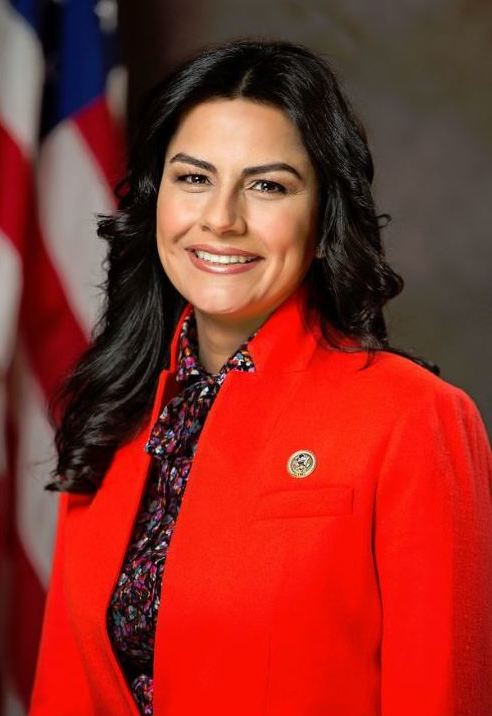
Co-Sponsor
-
TrackAndré Carson
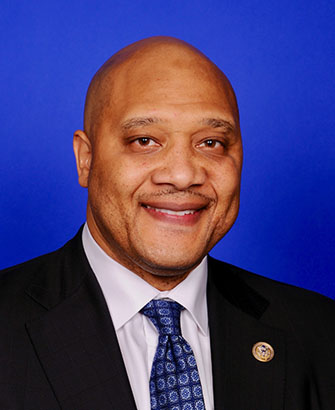
Co-Sponsor
-
TrackGreg Casar
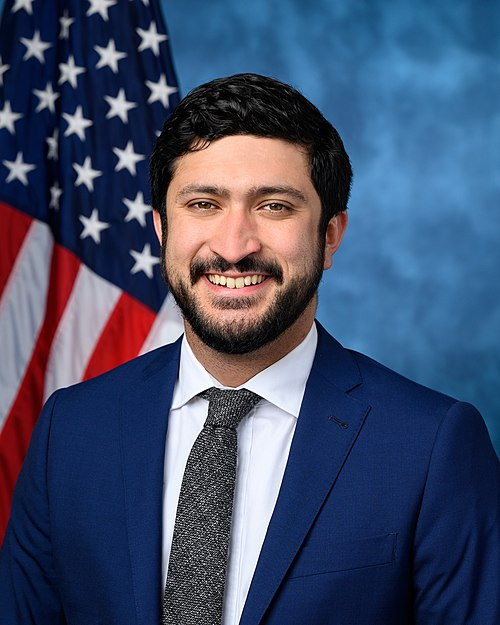
Co-Sponsor
-
TrackJudy Chu
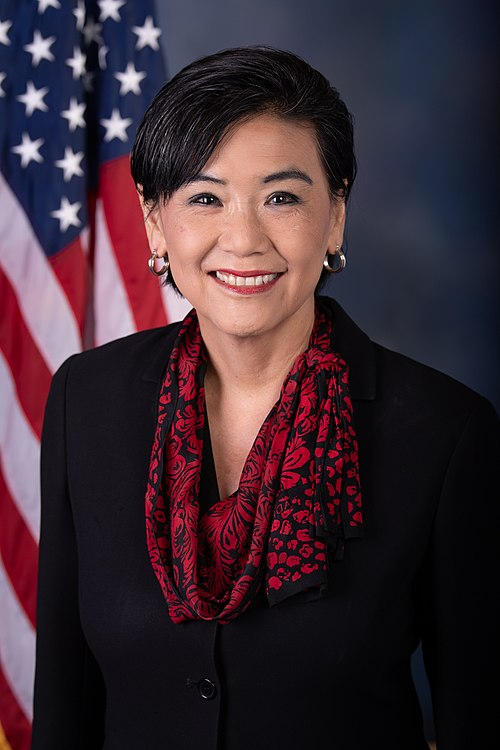
Co-Sponsor
-
TrackJ. Luis Correa
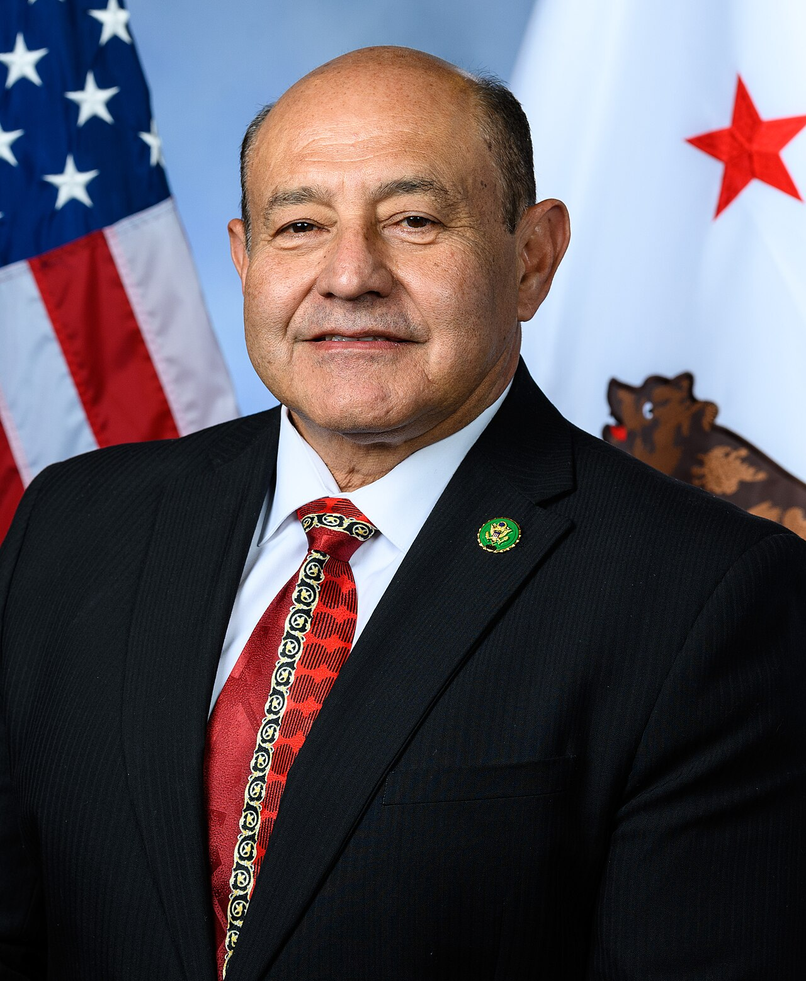
Co-Sponsor
-
TrackJasmine Crockett

Co-Sponsor
-
TrackDanny K. Davis
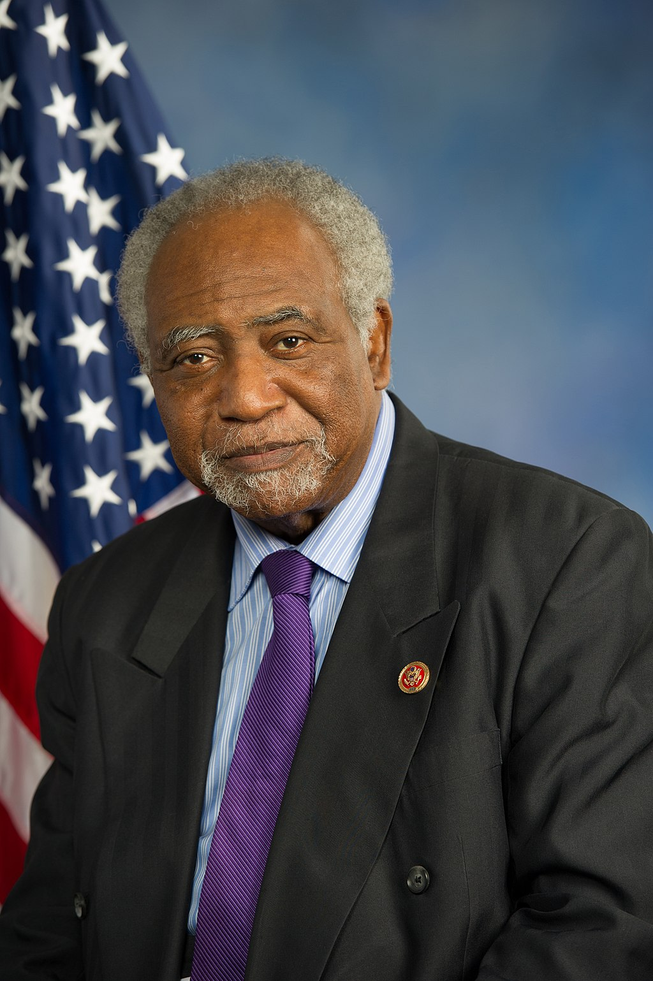
Co-Sponsor
-
TrackMark DeSaulnier
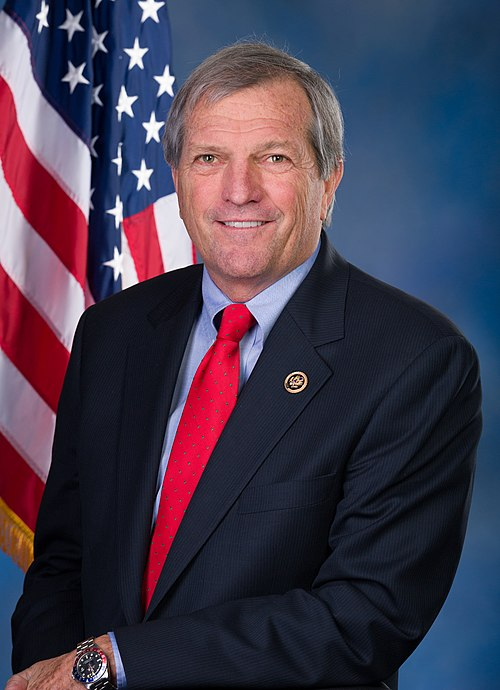
Co-Sponsor
-
TrackMaxine Dexter

Co-Sponsor
-
TrackMaxwell Frost
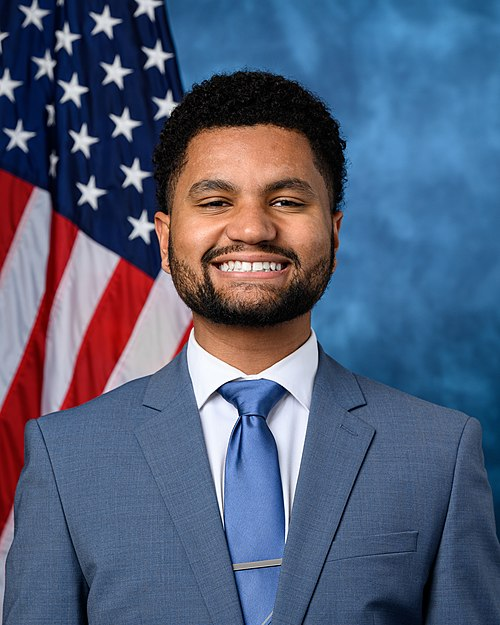
Co-Sponsor
-
TrackJesús G. "Chuy" García
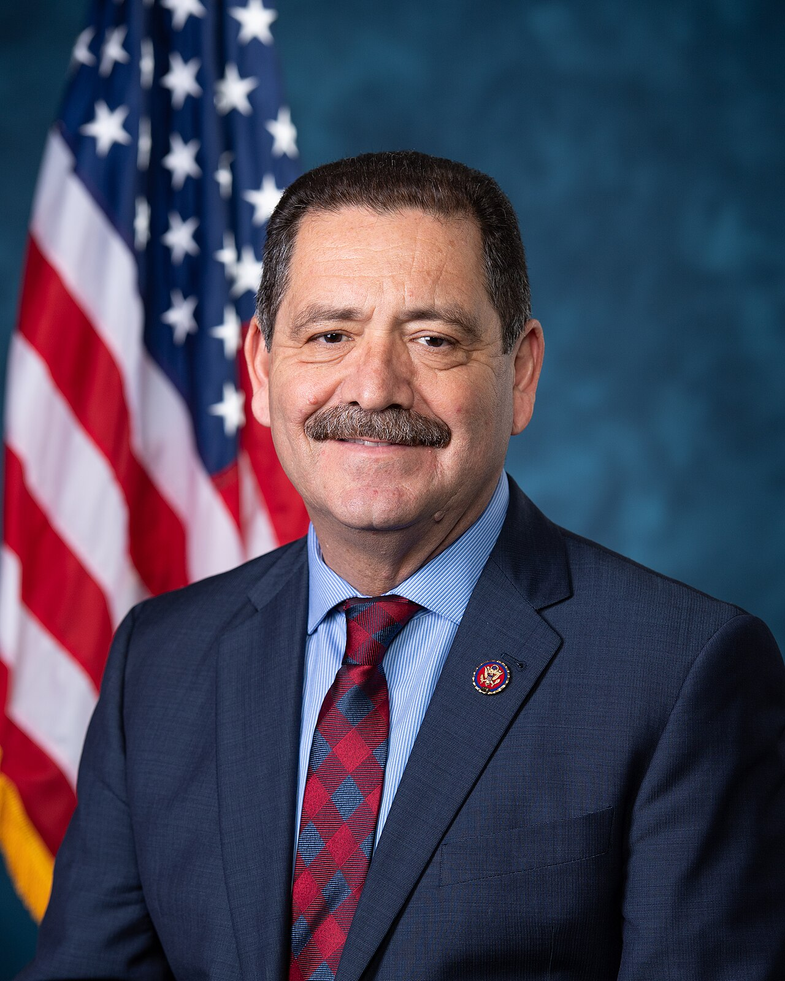
Co-Sponsor
-
TrackDaniel S. Goldman

Co-Sponsor
-
TrackHenry C. "Hank" Johnson, Jr.

Co-Sponsor
-
TrackRaja Krishnamoorthi

Co-Sponsor
-
TrackSummer L. Lee
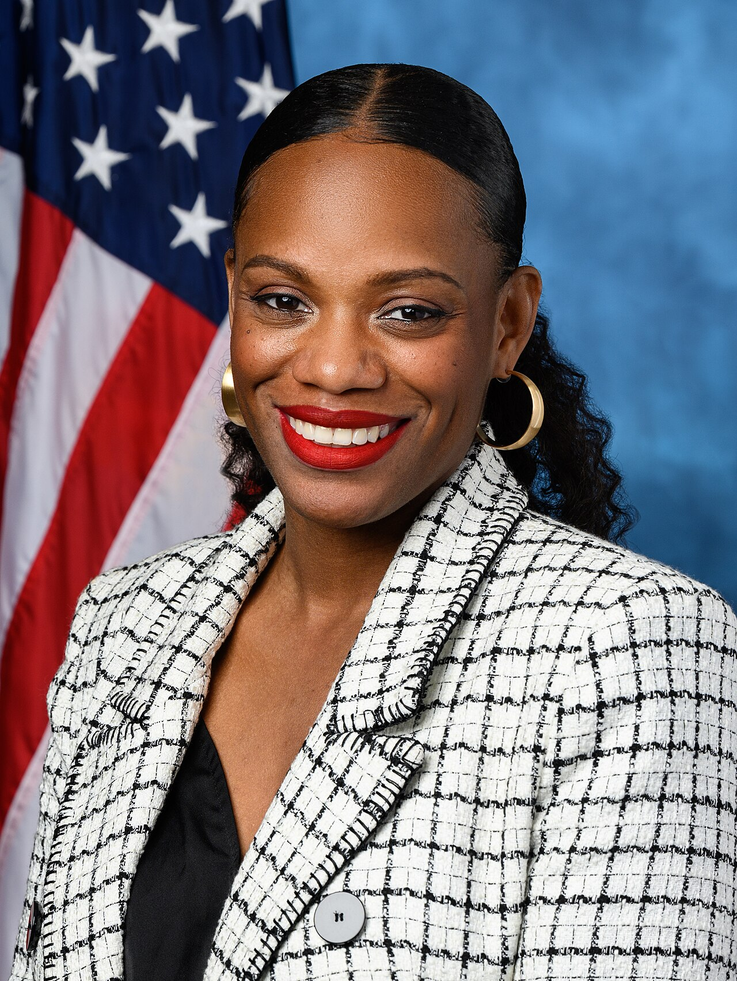
Co-Sponsor
-
TrackTed Lieu
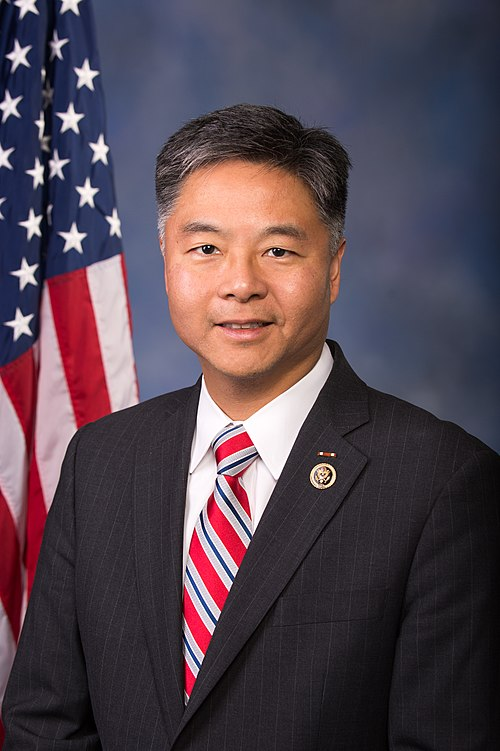
Co-Sponsor
-
TrackJames P. McGovern

Co-Sponsor
-
TrackIlhan Omar

Co-Sponsor
-
TrackMark Pocan
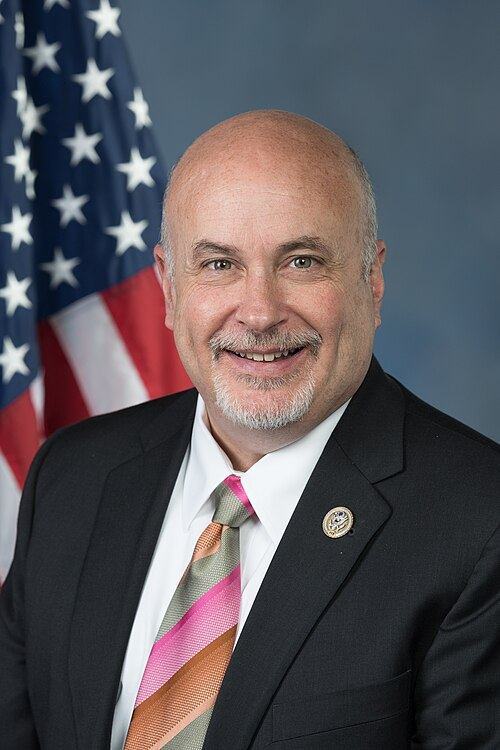
Co-Sponsor
-
TrackMike Quigley

Co-Sponsor
-
TrackDelia C. Ramirez
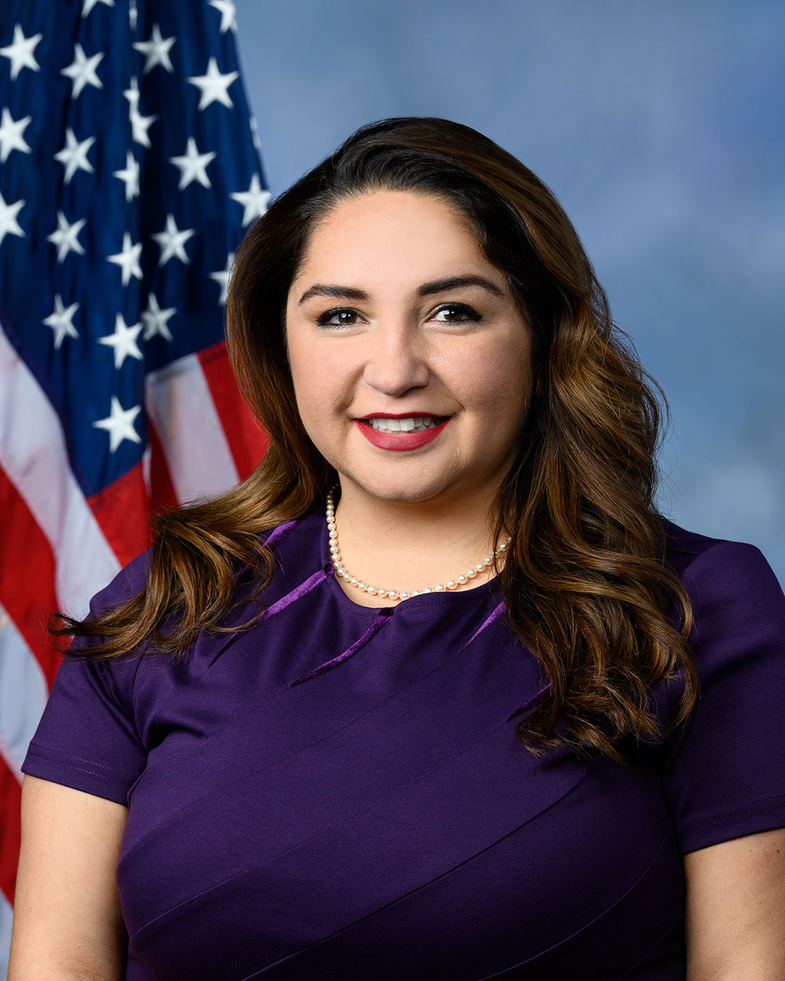
Co-Sponsor
-
TrackLateefah Simon

Co-Sponsor
-
TrackAdam Smith

Co-Sponsor
-
TrackRashida Tlaib
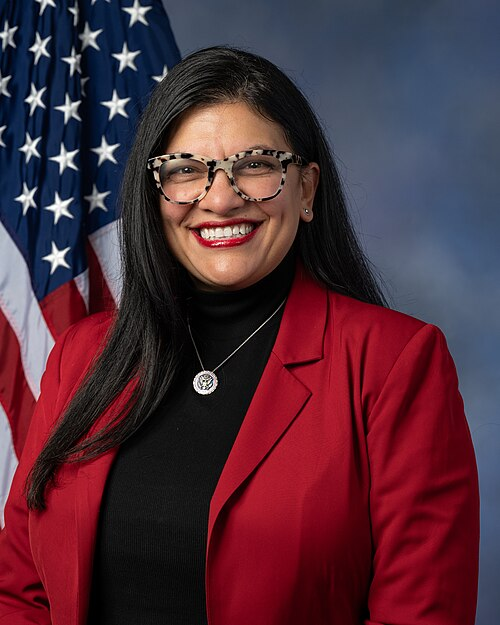
Co-Sponsor
-
TrackPaul Tonko
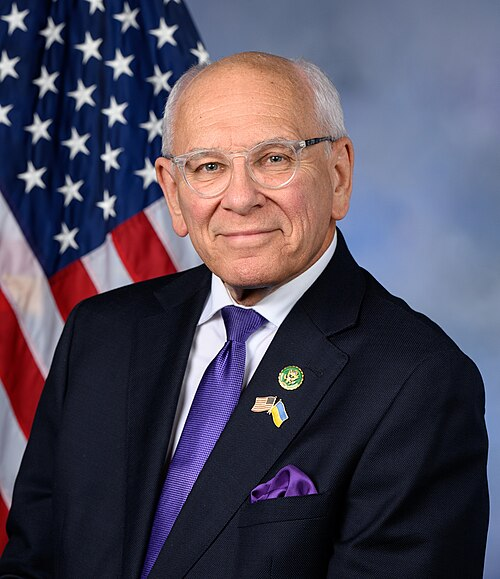
Co-Sponsor
-
TrackNydia M. Velázquez
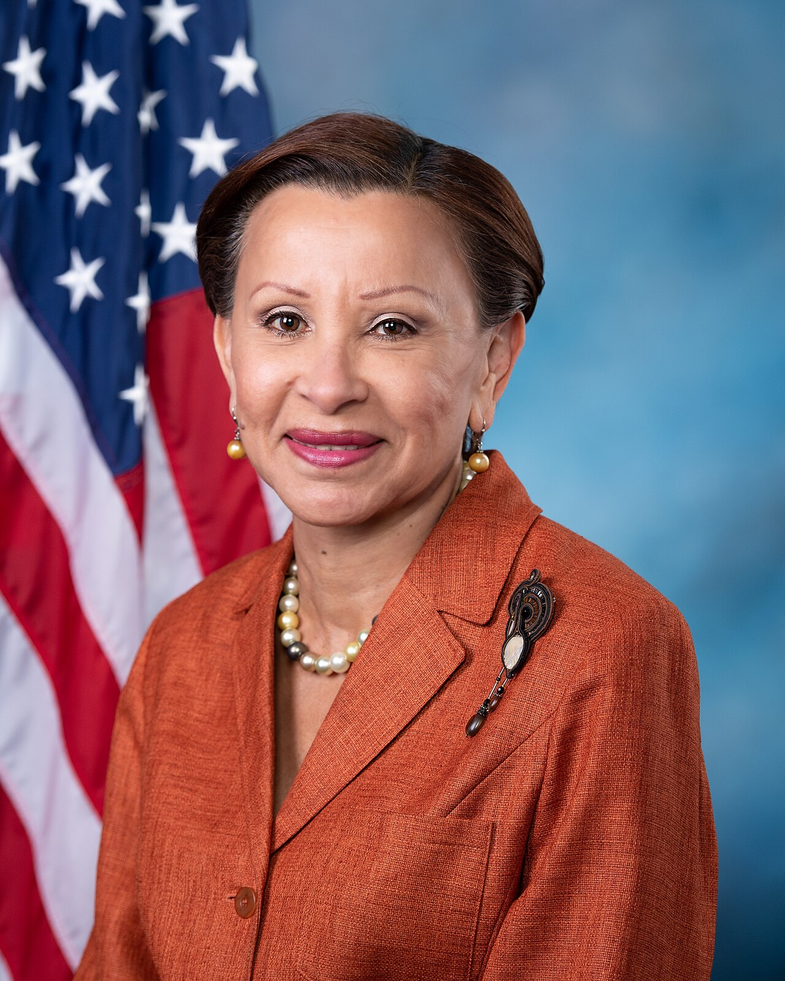
Co-Sponsor
-
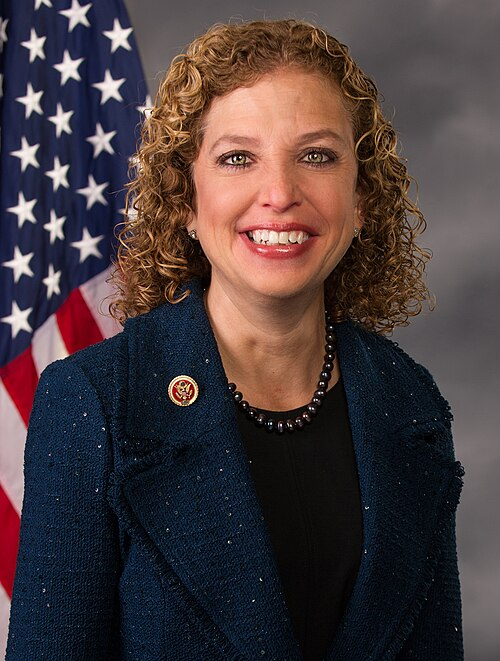
TrackDebbie Wasserman Schultz
Co-Sponsor
-
Tracknan

Co-Sponsor
Actions
2 actions
| Date | Action |
|---|---|
| Jul. 16, 2026 | Introduced in House |
| Jul. 16, 2026 | Referred to the House Committee on the Judiciary. |
Corporate Lobbying
0 companies lobbying
None found.
* Note that there can be significant delays in lobbying disclosures, and our data may be incomplete.
Potentially Relevant Congressional Stock Trades
No relevant congressional stock trades found.