
H.R. 9698: Advanced Coursework Equity Act
This bill would create a federal grant program aimed at making advanced school courses and programs more accessible to students who have traditionally been underrepresented in them. It is focused on elementary and secondary schools, especially schools and districts with higher poverty levels and fewer advanced-course offerings.
What the bill is for
The bill says its goals are to:
- Expand access to advanced coursework and programs in under-resourced schools.
- Make enrollment practices more equitable so students who are ready for harder classes can get into them.
- Increase participation in STEM-related pathways, especially for historically underrepresented students.
How enrollment would change
The bill would push schools receiving funds to use either open enrollment or universal screening for advanced courses and programs.
- Open enrollment means any student can sign up, regardless of prior grades or test scores.
- Universal screening means all students in a grade are screened for advanced placement, and those who qualify are automatically enrolled unless a parent opts out.
If universal screening is used, schools must rely on at least two objective measures when deciding who qualifies, such as standardized tests, state or district assessments, course grades, portfolios, or class rank. Subjective input, like teacher recommendations, could still be used, but only in addition to the objective measures.
Who could get grants
The Department of Education would run three grant streams:
- State educational agencies would receive most of the money and then award subgrants to local districts and charter schools.
- Local educational agencies could apply directly in some cases, but not if they are also seeking a state subgrant.
- Colleges or other nonprofit organizations with experience in advanced coursework could receive smaller grants to help students in rural areas or in places with limited access to advanced classes.
The bill would require a large share of funding to go to schools and districts with:
- High student poverty rates, and
- Fewer advanced-course offerings or fewer seats in those courses than the state average.
What grant recipients would have to do
Grant recipients would need to carry out at least two types of activities, and some activities are specifically required. These include:
- Community engagement and advisory councils made up of students and parents from underrepresented groups.
- Training for school leaders, counselors, and teachers on reducing inequities in advanced-course access and performance.
- Expanding enrollment for underrepresented students.
- Implementing open enrollment or universal screening within one year.
- Launching new advanced courses or expanding capacity in existing ones, such as gifted programs, 8th-grade Algebra I, AP, IB, dual enrollment, and early college high school.
- Providing direct academic support, such as tutoring.
Grants could also be used for:
- Curriculum and materials like books, calculators, and lab supplies.
- Paying advanced-course exam fees for low-income students.
- Training or hiring teachers for advanced courses.
- Some school-climate and educator-development efforts.
Reporting and oversight
States, districts, and nonprofit grantees would have to report yearly on things like:
- Training provided.
- Which advanced courses are offered and how students are enrolled.
- Enrollment levels and student outcomes, broken down by race, sex, disability status, income, and English learner status.
- Whether they met yearly goals for improving equity.
- How families were informed about opportunities and their ability to opt out.
The Department of Education would also have to evaluate the program at the end of the 3-year grant period and report the results to Congress.
Funding
The bill authorizes $266 million per year for fiscal years 2027, 2028, and 2029. It also sets aside a small share for administration and technical assistance.
Relevant Companies
None found
This is an AI-generated summary of the bill text. There may be mistakes.
Sponsors
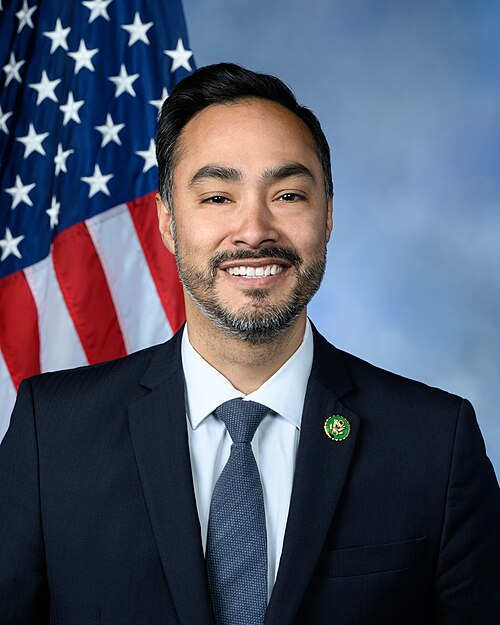
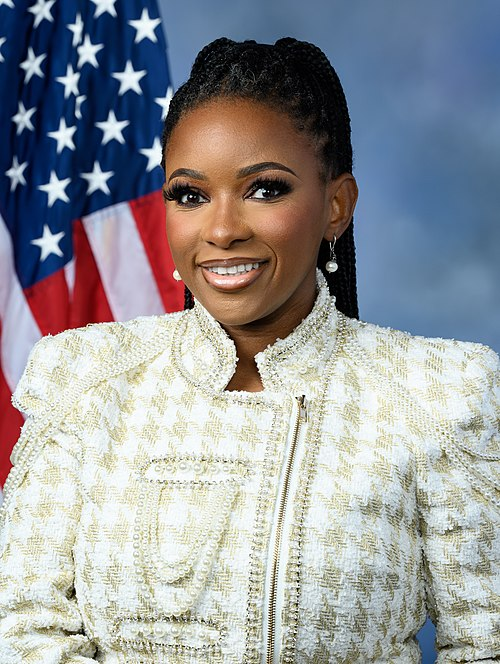
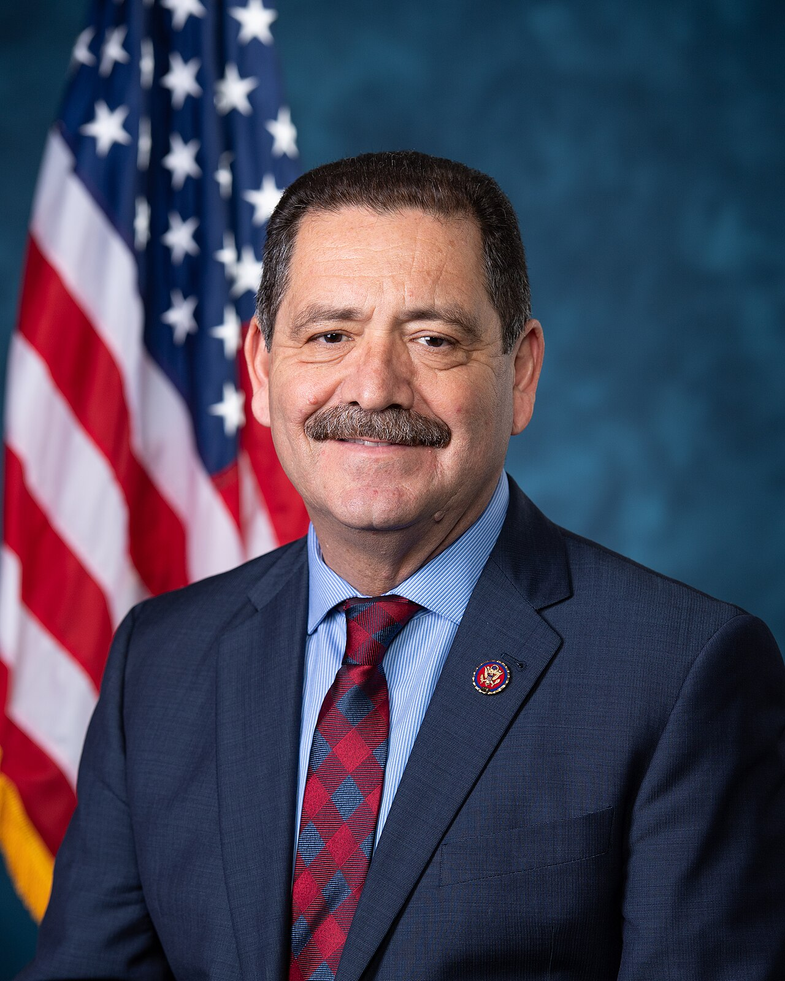
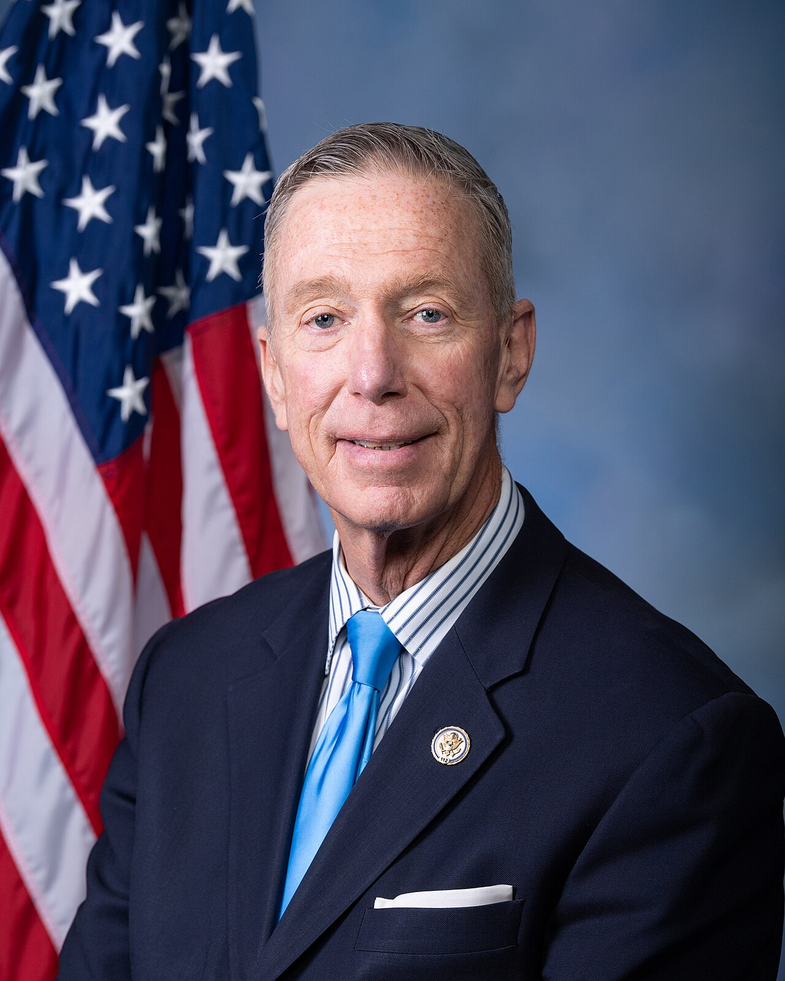
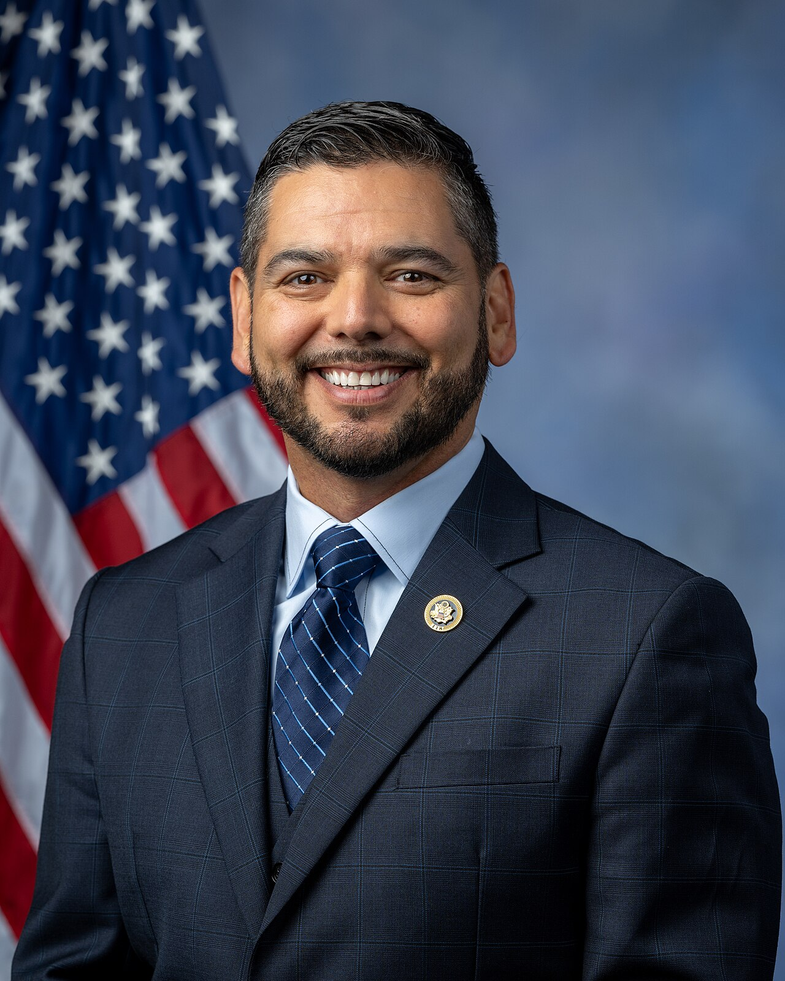
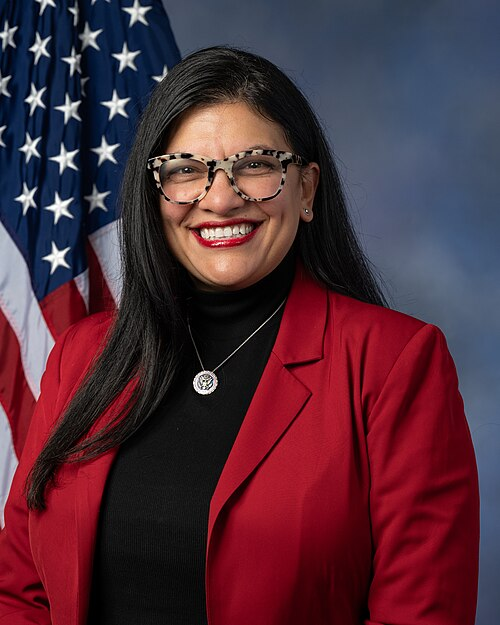
7 bill sponsors

Actions
2 actions
| Date | Action |
|---|---|
| Jul. 15, 2026 | Introduced in House |
| Jul. 15, 2026 | Referred to the House Committee on Education and Workforce. |
Corporate Lobbying
0 companies lobbying
None found.
* Note that there can be significant delays in lobbying disclosures, and our data may be incomplete.
Potentially Relevant Congressional Stock Trades
No relevant congressional stock trades found.