
H.R. 9694: Epstein Files Transparency Act II
This bill would change how federal records related to Jeffrey Epstein and Ghislaine Maxwell are handled, with a focus on making more of them available to the public, to victims, to state officials, and to members of Congress.
What it does overall
The bill amends the existing Epstein Files Transparency Act. It adds new rules that:
- Allow state attorneys general, district attorneys, and other authorized state officers to sue the U.S. Attorney General if they believe records were improperly withheld, delayed, redacted, removed, or concealed.
- Give victims a direct right to request unredacted records about themselves.
- Require the federal government to provide state officials with full access to certain records for investigations and court proceedings, even if some of those records were previously redacted from public release.
- Require the Attorney General to give members of Congress full, unredacted access to the covered records within 7 days of a written request.
- Set penalties for DOJ, FBI, or U.S. Attorney’s Office personnel who conceal, destroy, falsify, or falsely certify covered records.
- Further limit the government’s ability to use certain legal privileges to withhold these records.
State and victim enforcement
The bill would let state governments sue the U.S. Attorney General if they believe the federal government is not complying with the disclosure rules. It also lets a victim sue for records that should have been provided to them. These lawsuits could seek court orders, money damages, attorney’s fees, and other equitable relief, and courts would be directed to handle them quickly.
Access for victims
If a victim asks for them, the Attorney General would have to provide that person with full, unredacted records that identify or discuss that victim, their close family members, or the harm they suffered. The government could still redact private information about other victims. The bill says a victim only gets records relating to themselves, not records about other victims.
Access for state investigations
For state investigations or court cases, the bill would require the federal government to provide state officials with full, unredacted access to records, including material that might otherwise be withheld from public view. State officials would be allowed to use those records in investigations, prosecutions, civil cases, and court proceedings, subject to protective orders for victim privacy.
It also says that some of this material can be used in court under seal or in camera if needed, and that access cannot be limited to just private judicial review.
Access to classified material
If the requested records are classified, the Attorney General would still have to make them available for full review to the requesting state official, but access would happen in a secure facility and under court-approved procedures. The bill says the government cannot refuse access simply because the material is classified, although it can ask for protective handling rules.
Congressional access
Any member of Congress could request the covered records and must receive full, unredacted access within 7 calendar days. If a member says the Department of Justice has withheld or redacted material improperly, DOJ would have 30 days to fix the issue or give a written explanation. A member of Congress could then sue if they believe DOJ still has not complied.
Penalties for misconduct
The bill would make it clear that DOJ, FBI, and U.S. Attorneys’ Office personnel, including the Attorney General and FBI Director, could face criminal penalties if they conceal, remove, destroy, falsify, withhold, or knowingly make false statements or certifications about the records required under the law. It also treats congressional review and related enforcement proceedings as official proceedings for purposes of certain obstruction and record-destruction laws.
Who counts as a “victim” and what records are covered
The bill defines “victim” broadly to include people directly harmed by sexual abuse, trafficking, forced labor, commercial sex acts, abuse of minors, or related crimes connected to Jeffrey Epstein, Ghislaine Maxwell, or a broader “criminal network” involved in enabling those crimes. It excludes people whose claim is based on their own participation in or benefit from the crimes, unless they were also directly trafficked or abused.
The term “criminal network” is defined broadly to include people or entities that knowingly helped, funded, concealed, profited from, or obstructed investigations into the abuse and related crimes.
Limits on withholding
The bill would narrow the reasons the Attorney General can use to withhold or redact records. It specifically says the Attorney General may not rely on common law privileges such as deliberative process, attorney-client, attorney work product, or law enforcement privilege, except as the law otherwise expressly allows. It also tightens how redactions are justified by changing the language to require a written justification for each redaction.
Relevant Companies
None found
This is an AI-generated summary of the bill text. There may be mistakes.
Sponsors
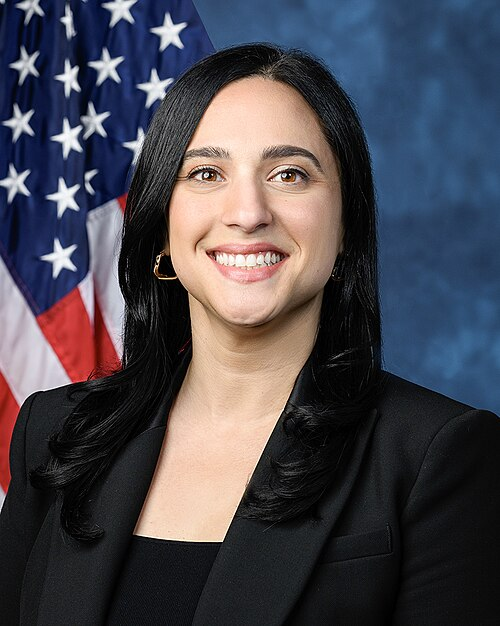
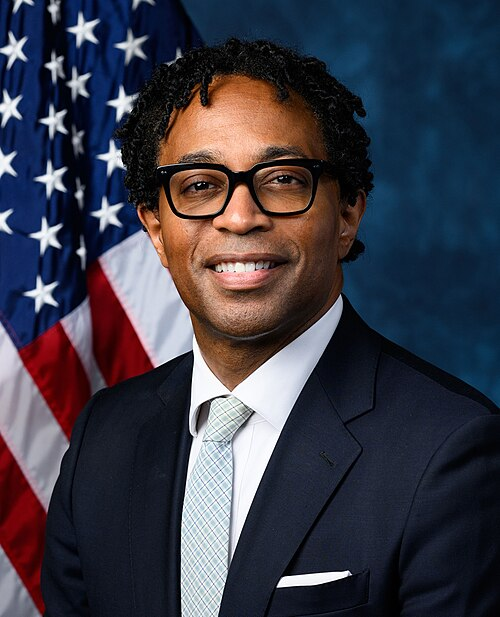
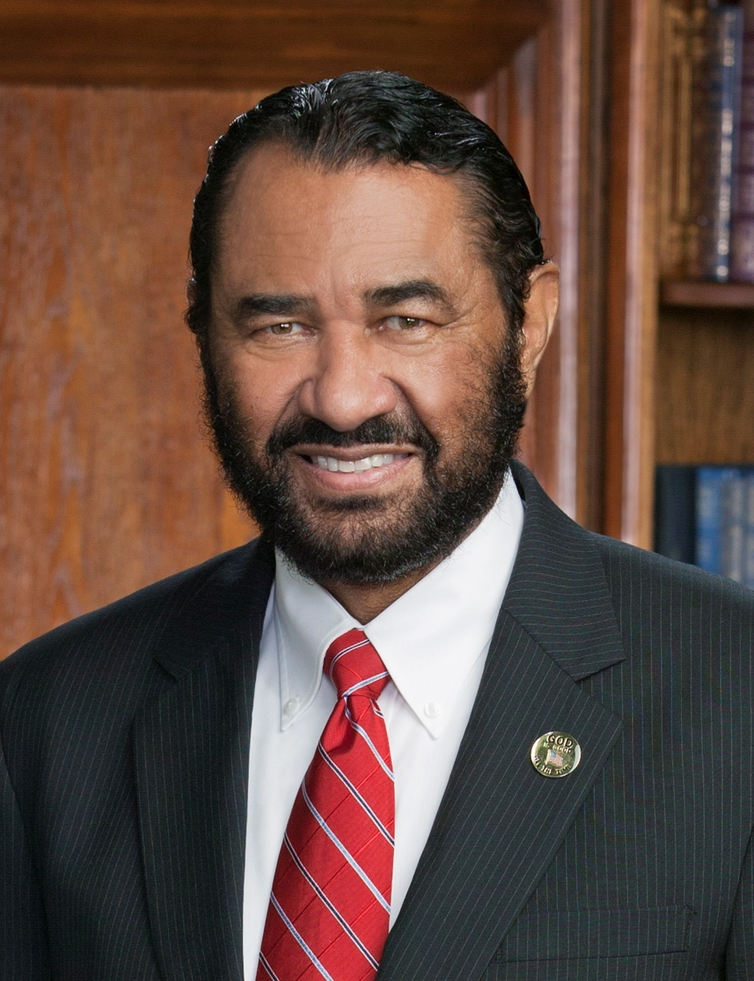
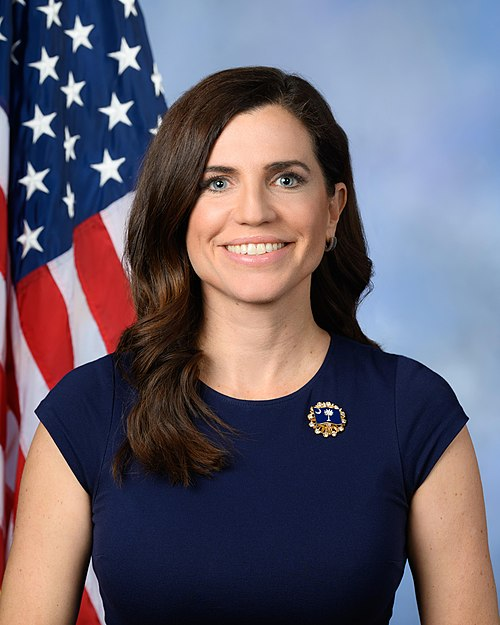
8 bill sponsors



Actions
2 actions
| Date | Action |
|---|---|
| Jul. 15, 2026 | Introduced in House |
| Jul. 15, 2026 | Referred to the House Committee on the Judiciary. |
Corporate Lobbying
0 companies lobbying
None found.
* Note that there can be significant delays in lobbying disclosures, and our data may be incomplete.
Potentially Relevant Congressional Stock Trades
No relevant congressional stock trades found.