
H.R. 9671: Menopausal Workers’ Fairness Act of 2026
This bill would create new federal workplace protections for employees experiencing menopause or the menopause transition. In plain terms, it would require covered employers to make reasonable accommodations for workers who have menopause-related symptoms, unless doing so would create an undue hardship for the employer.
What counts as a covered condition
The bill defines menopause-related conditions broadly. It covers menopause, the menopausal transition, and symptoms or related effects that are communicated to the employer, whether or not they qualify as a disability under the Americans with Disabilities Act. Examples include hot flashes, mood changes, sleep disruption, dizziness, fatigue, anxiety, depression, headaches, brain fog or other cognitive issues, joint or muscle pain, urinary issues, dry eyes or mouth, and racing heart.
Who would be covered
The bill applies to a range of employers and workplaces, including:
- Private employers with 15 or more employees
- Congressional workplaces
- Some state government workplaces
- Federal executive branch workplaces
It also covers job applicants in the same settings.
What employers would have to do
Covered employers would have to provide reasonable accommodations for a worker’s known menopause-related limitations. The bill says employers may not:
- refuse reasonable accommodations unless they can show undue hardship
- force a worker to accept a different accommodation if another reasonable one is available
- deny a job opportunity because accommodations are needed
- require leave if another accommodation would work
- retaliate against a worker for requesting or using an accommodation
- treat medical information as anything other than confidential, except in limited situations
Examples of accommodations
The bill says some accommodations should usually be straightforward and not require documentation. Examples include allowing a worker to:
- keep water nearby and drink as needed
- take extra restroom breaks
- sit or stand as needed
- take breaks to eat and drink
The Equal Employment Opportunity Commission would be able to identify other appropriate accommodations by regulation.
Enforcement and legal process
The bill would use existing civil rights enforcement systems to handle complaints, depending on the type of employee involved. It would allow workers to seek remedies through the EEOC and other existing complaint procedures. It also creates a specific anti-retaliation rule and allows damages in many cases, though damages would not be available in certain accommodation cases if the employer made good-faith efforts to work with the employee and could show no undue hardship.
Regulations and implementation
The EEOC would have to issue implementing regulations within one year. Those rules would need to include examples of covered limitations, examples of reasonable accommodations, and examples of when employers may ask for supporting documentation. The bill also directs congressional workplace regulators to issue parallel rules for congressional employees.
Other provisions
The bill says states would not have sovereign immunity from lawsuits under it, meaning a state could be sued in federal or state court for violations. It also includes a severability clause, so if one part is struck down, the rest would remain in effect.
The bill appropriates $4.5 million to carry out its provisions.
Relevant Companies
None found.
This is an AI-generated summary of the bill text. There may be mistakes.
Sponsors
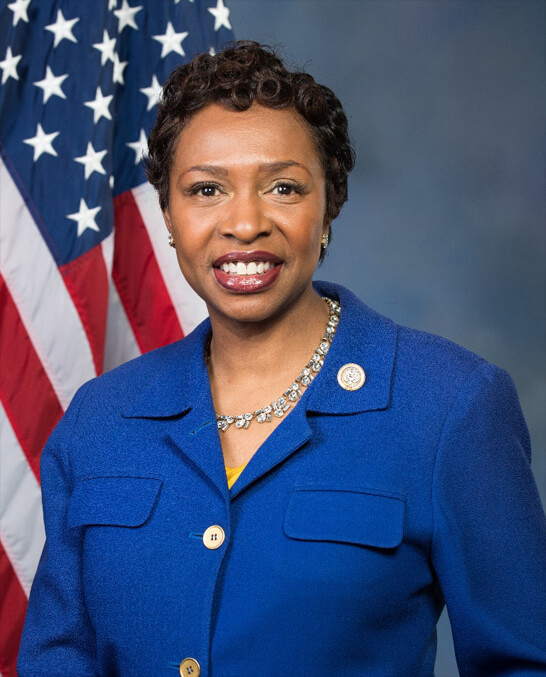
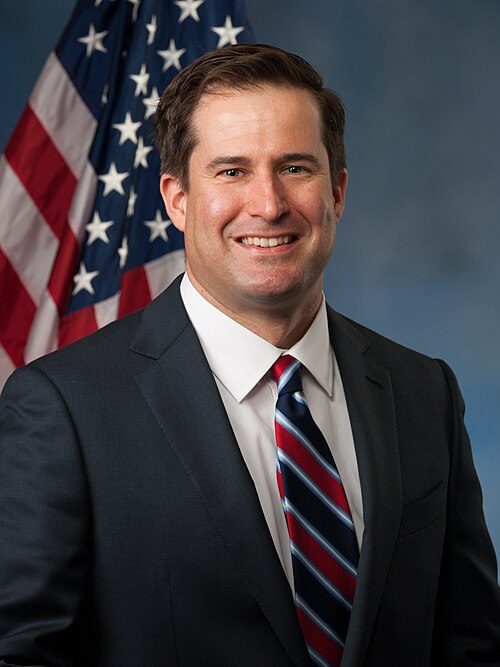
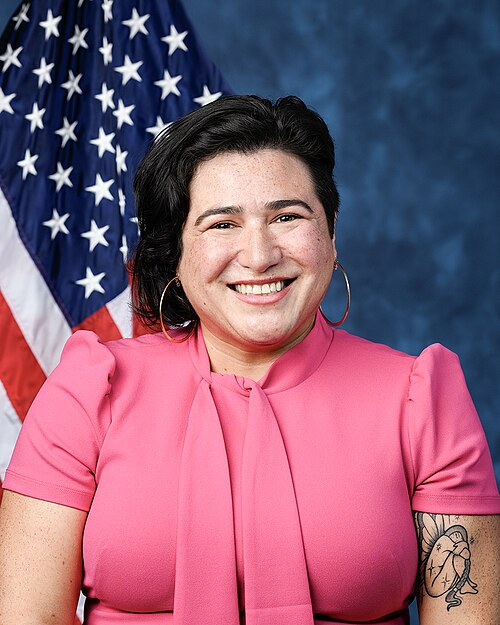
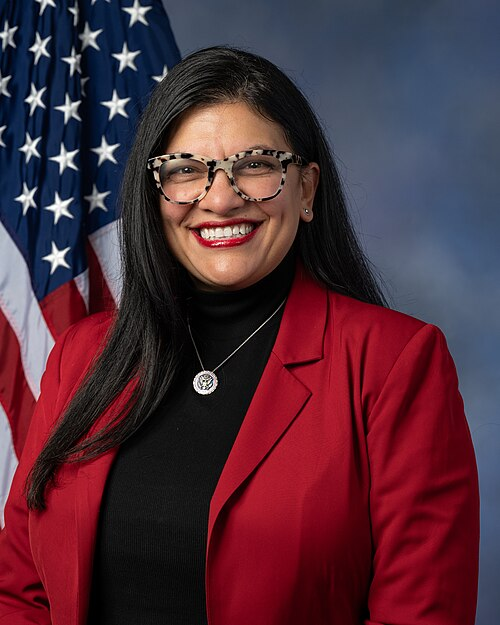
9 bill sponsors




Actions
2 actions
| Date | Action |
|---|---|
| Jul. 14, 2026 | Introduced in House |
| Jul. 14, 2026 | Referred to the Committee on Education and Workforce, and in addition to the Committees on House Administration, Oversight and Government Reform, and the Judiciary, for a period to be subsequently determined by the Speaker, in each case for consideration of such provisions as fall within the jurisdiction of the committee concerned. |
Corporate Lobbying
0 companies lobbying
None found.
* Note that there can be significant delays in lobbying disclosures, and our data may be incomplete.
Potentially Relevant Congressional Stock Trades
No relevant congressional stock trades found.