H.R. 9669: Forensic Assertive Community Treatment Pilot Program Act
This bill would direct the Department of Health and Human Services to create a 5-year grant program to help states and local governments expand forensic assertive community treatment programs, often called FACT programs.
What FACT programs are
FACT programs are intensive community-based mental health services for people with serious mental illness who also have contact with the criminal justice system. The bill describes them as programs that typically offer:
- small caseloads so teams can work closely with clients
- 24/7, ongoing support
- field-based services, meaning staff work with people in the community rather than only in an office
- mental health treatment
- addiction treatment
- vocational support
- housing assistance
The bill says these teams should include mental health professionals, specialists in employment and substance use services, a criminal justice partner such as law enforcement or probation staff, and peer specialists who have lived experience with serious mental illness and criminal justice involvement.
Who could receive grants
Only states or local governments that are already running, or partnering in, a FACT program would be eligible. Grants could be given directly to those governments or passed through to other groups, such as nonprofit organizations, licensed mental health agencies, managed care organizations, or other entities approved by the Secretary.
What the grants would be used for
The purpose of the grants would be to expand existing FACT programs so they can serve more people in the community. The bill does not set specific grant amounts or a formula; it leaves the program design to HHS.
Funding
The bill authorizes whatever money is needed for the grant program for fiscal years 2027 through 2032.
Required study and report
The bill also requires HHS to arrange for the National Academies of Sciences, Engineering, and Medicine to study FACT programs and report back. The study would recommend ways to measure whether these programs are working, including whether they reduce:
- repeat criminal justice involvement
- psychiatric hospitalizations
- emergency room use
- costs tied to repeated hospital care
- time needed to get stable housing
- time needed to get mental health care
- other measures of mental health, community reintegration, and public safety
The study would also look at how to judge whether programs stay true to the FACT model, suggest ways to scale up programs at the federal and state levels, provide guidance for communities starting new programs, including rural areas, and estimate costs and possible savings. The National Academies would have 18 months to submit the report, and HHS would then have to make it public and share it with state and local governments.
Overall effect
In practical terms, the bill would create a federal grant pilot to help existing FACT programs grow, while also commissioning a study to help governments better measure and expand these services. The bill is aimed at people with serious mental illness who have been involved with the criminal justice system and is focused on treatment, housing, and community support.
Relevant Companies
None found
This is an AI-generated summary of the bill text. There may be mistakes.
Sponsors
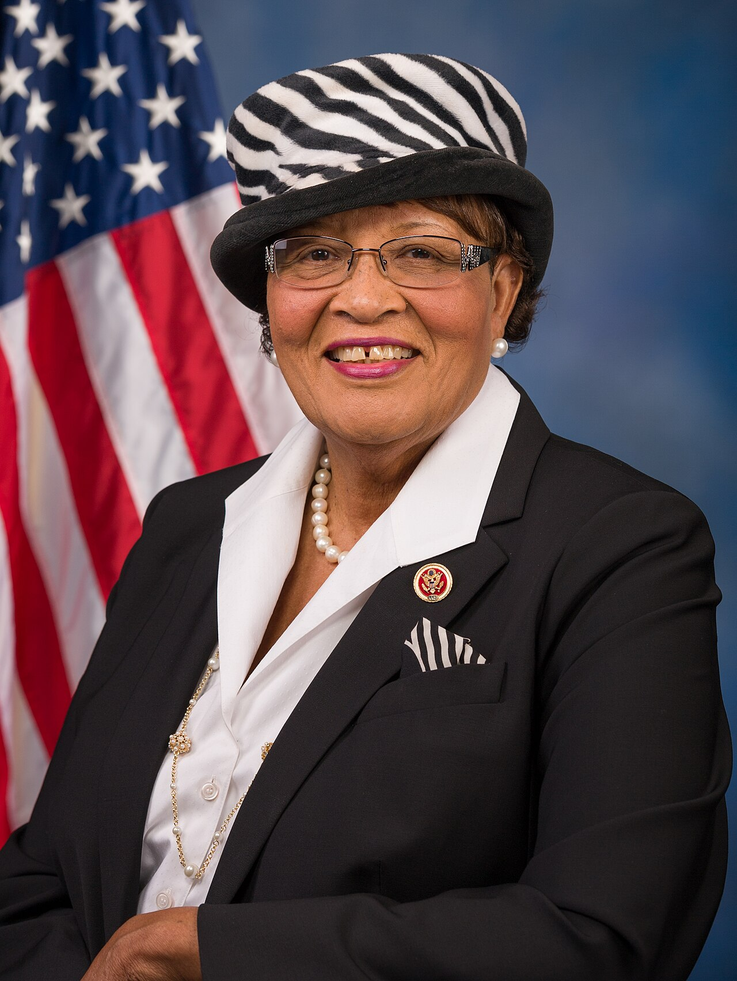
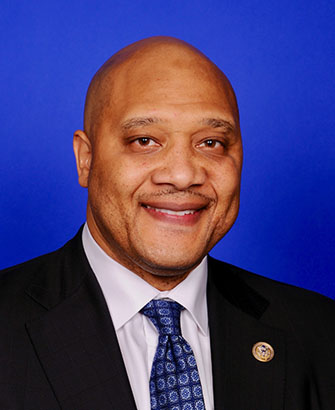
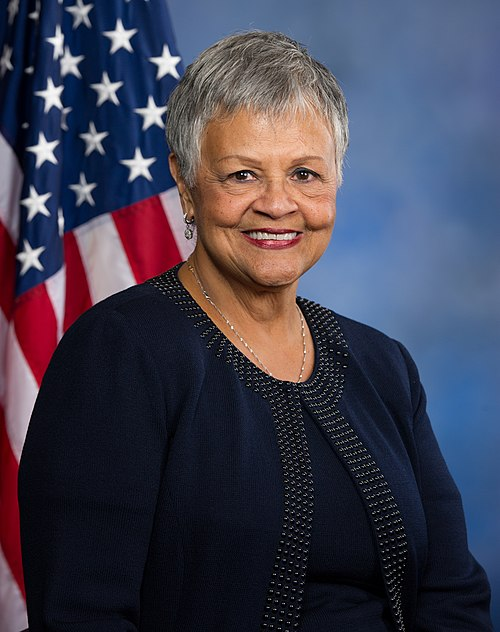
5 bill sponsors


Actions
2 actions
| Date | Action |
|---|---|
| Jul. 14, 2026 | Introduced in House |
| Jul. 14, 2026 | Referred to the House Committee on Energy and Commerce. |
Corporate Lobbying
0 companies lobbying
None found.
* Note that there can be significant delays in lobbying disclosures, and our data may be incomplete.
Potentially Relevant Congressional Stock Trades
No relevant congressional stock trades found.