
H.R. 9581: Fresh Bucks for Fresh Produce Act
This bill would create a five-year pilot program at the U.S. Department of Agriculture called the Fresh Bucks Pilot Program. Under the program, USDA would give grants to states so they can provide monthly payments of $60 to eligible households to buy fresh produce.
What the payments can be used for
The monthly payment could be used only to buy qualifying food from approved retailers. Qualifying food includes:
- Fresh, frozen, or dried fruits and vegetables with no added fat, sugar, or salt
- Herbs
- Plant starts that grow those foods
The benefit would last for a 30-day period each month and would be meant to supplement other food assistance, not replace it.
Who could qualify
States would set up household eligibility rules, but the bill requires that eligible households have incomes at or below 80% of the area median income. Households already receiving SNAP benefits would automatically be treated as meeting the income requirement. States would be expected to make enrollment easier for SNAP households through opt-in or automatic enrollment and to limit extra paperwork.
How states would run the program
States that want grants would have to apply to USDA and explain how they would:
- Reach areas with limited access to produce
- Increase retailer participation
- Use methods like mobile markets, delivery models, and partnerships with community organizations or clinics
USDA would have to publish the criteria it uses to choose states. The department would give preference to applications focused on food-insecure communities and would ensure grants go to at least one state in each of several regions of the country, including the Pacific Northwest, Northeast, West, Midwest, and South.
How the money could be used
States could use grant funds only to run the payment program and cover related costs such as:
- Staffing
- Working with community organizations
- Contracting with electronic benefit transfer, or EBT, providers
- Using payment-processing technology
- Creating marketing and participant materials in plain language and multiple languages
- Providing technical assistance to eligible retailers
Study and reporting requirements
USDA would have to study how the pilot works and collect data from participating states. The data would include household size and income, how much of the monthly payment people use, food security before and after participation, fruit and vegetable consumption, where households spend the benefits, barriers to access, and the number of eligible households waiting to participate.
The department would have to send Congress an initial report within 6 to 12 months after enactment and a final report within 5 years. The final report would also include a recommendation on whether the program should continue or be expanded.
Program length
The pilot program would end 5 years after enactment.
Relevant Companies
- None found
This is an AI-generated summary of the bill text. There may be mistakes.
Sponsors
10 bill sponsors
-
TrackPramila Jayapal
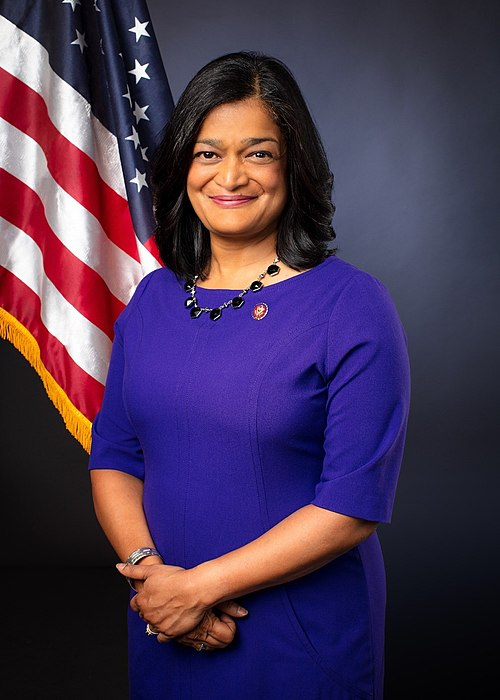
Sponsor
-
TrackAlma S. Adams
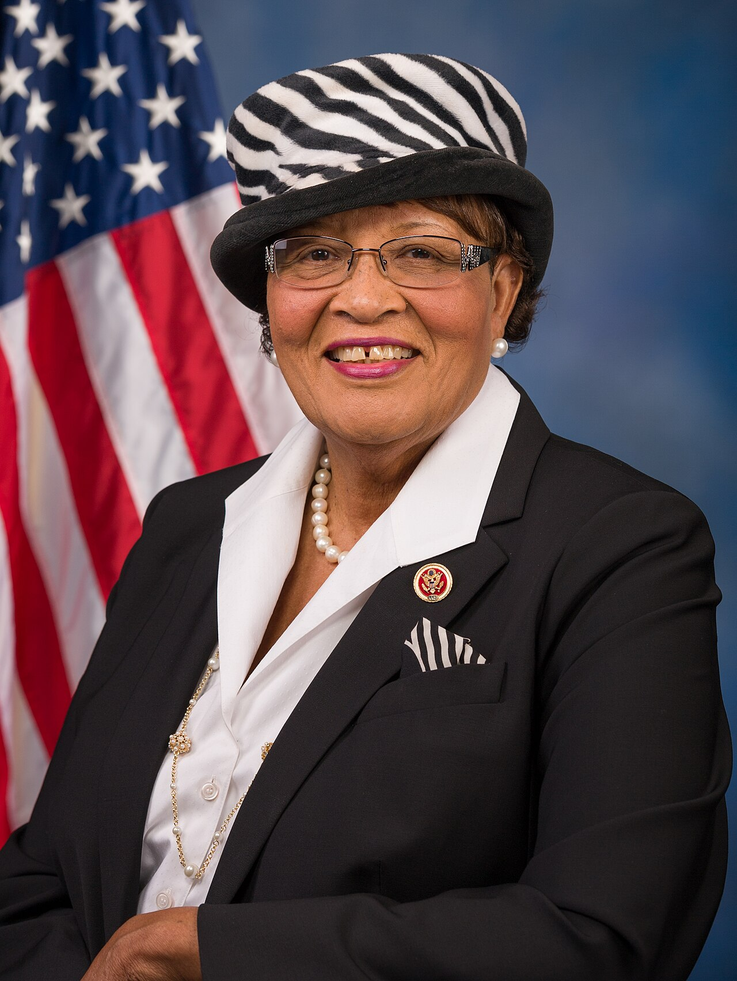
Co-Sponsor
-
TrackNanette Diaz Barragán
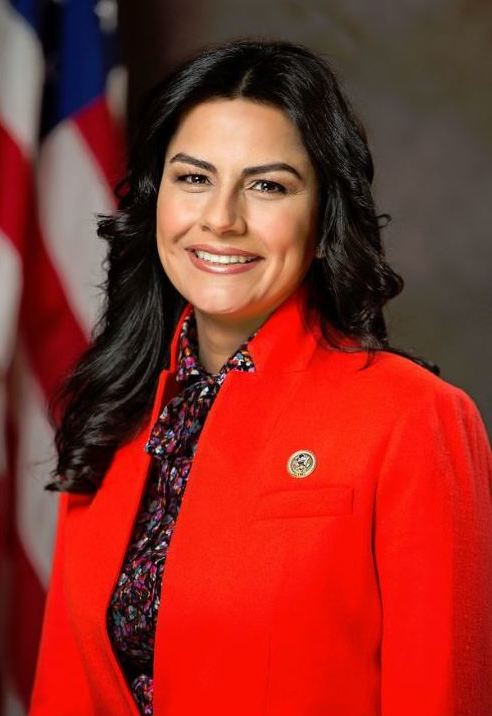
Co-Sponsor
-
TrackChristopher R. Deluzio

Co-Sponsor
-
TrackShomari Figures
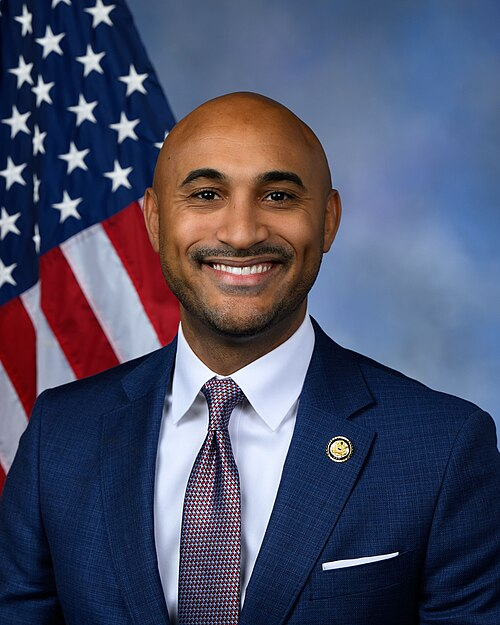
Co-Sponsor
-
TrackJahana Hayes
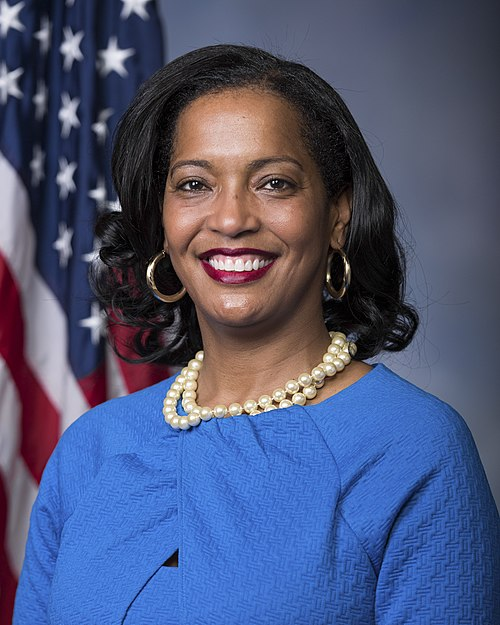
Co-Sponsor
-
TrackEleanor Holmes Norton

Co-Sponsor
-
TrackAndrea Salinas
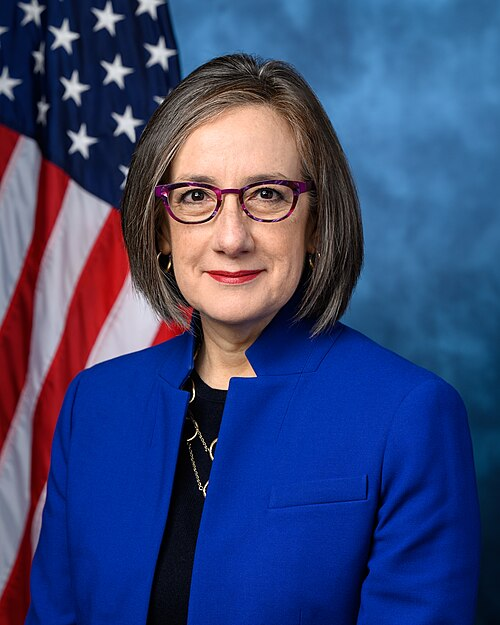
Co-Sponsor
-
TrackAdam Smith
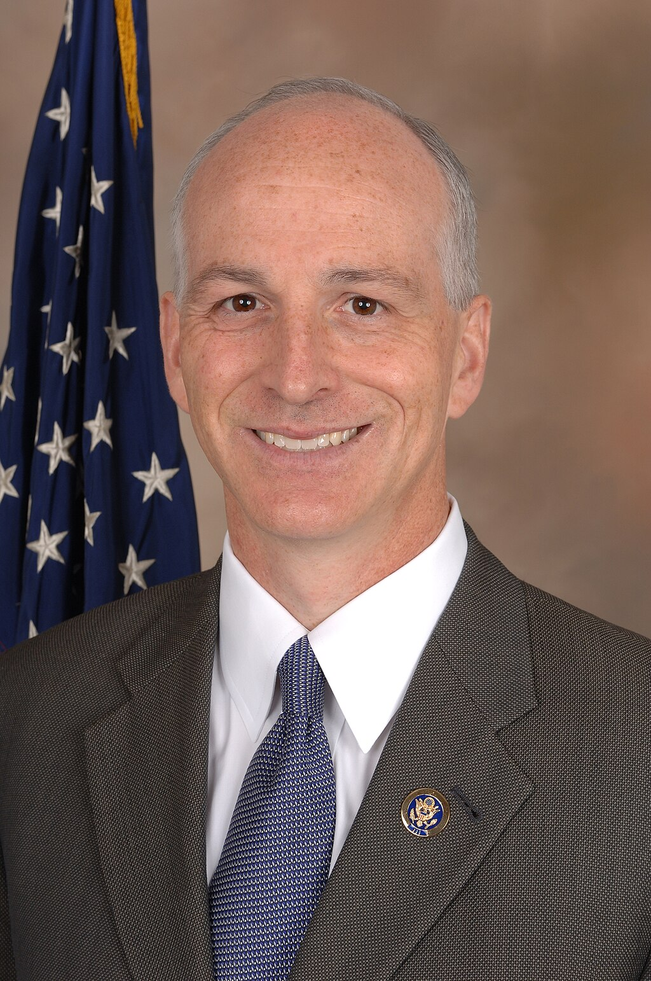
Co-Sponsor
-
TrackShri Thanedar
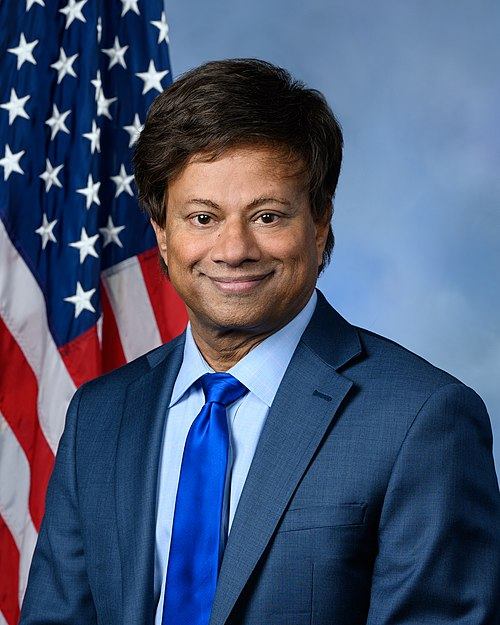
Co-Sponsor
Actions
2 actions
| Date | Action |
|---|---|
| Jul. 02, 2026 | Introduced in House |
| Jul. 02, 2026 | Referred to the House Committee on Agriculture. |
Corporate Lobbying
0 companies lobbying
None found.
* Note that there can be significant delays in lobbying disclosures, and our data may be incomplete.
Potentially Relevant Congressional Stock Trades
No relevant congressional stock trades found.