H.R. 9574: Informed Investor Access Act
This bill would expand who counts as an “accredited investor” under federal securities law.
What that means
In general, accredited investors are people who are allowed to buy certain private investments that are not available to the public, such as some private company offerings, private funds, and other securities sold under exemptions from full public registration. Current law mainly uses income, net worth, and a few other qualifications to decide who is accredited.
This bill would add a new category of accredited investor: a person whom the issuer reasonably believes is getting personalized investment advice or personalized investment recommendations for that specific transaction from certain regulated professionals. Those professionals would include:
- an investment adviser registered with the SEC, or one of that adviser’s supervised persons; or
- a broker or dealer registered with the SEC, or an associated person of such a broker or dealer acting for that firm.
How the advice would be defined
The bill says “investment advice” should be understood in line with the existing federal definition used for investment advisers. It also says “recommendation” should be interpreted consistently with the SEC’s existing rules for broker-dealer recommendations.
What the SEC would have to do
The Securities and Exchange Commission would be required to update its regulations so they match this change in the law and apply the revised accredited investor definition in SEC rules.
Practical effect
If enacted, the bill would make it easier for some people to qualify as accredited investors based on receiving tailored advice from a regulated financial professional, even if they do not meet the usual income or wealth thresholds. That could increase access to private investment opportunities for those investors and potentially broaden the pool of people eligible to participate in private offerings.
Relevant Companies
- MS — Morgan Stanley could be affected through its wealth management, brokerage, and advisory services, since more clients may qualify for private offerings through advice or recommendations from registered professionals.
- GS — Goldman Sachs could be affected in similar ways through brokerage, advisory, and private wealth services tied to private investment access.
- BAC — Bank of America could see impacts through its brokerage and advisory businesses, including private client services.
- SCHW — Charles Schwab could be affected through its brokerage and advisory platform if more clients become eligible for private securities offerings.
- AMTD — TD Ameritrade-related brokerage and advisory services may be indirectly affected through expanded access to certain private investments.
- IBKR — Interactive Brokers could be affected through its brokerage business if clients use registered advice to qualify for private offerings.
This is an AI-generated summary of the bill text. There may be mistakes.
Sponsors
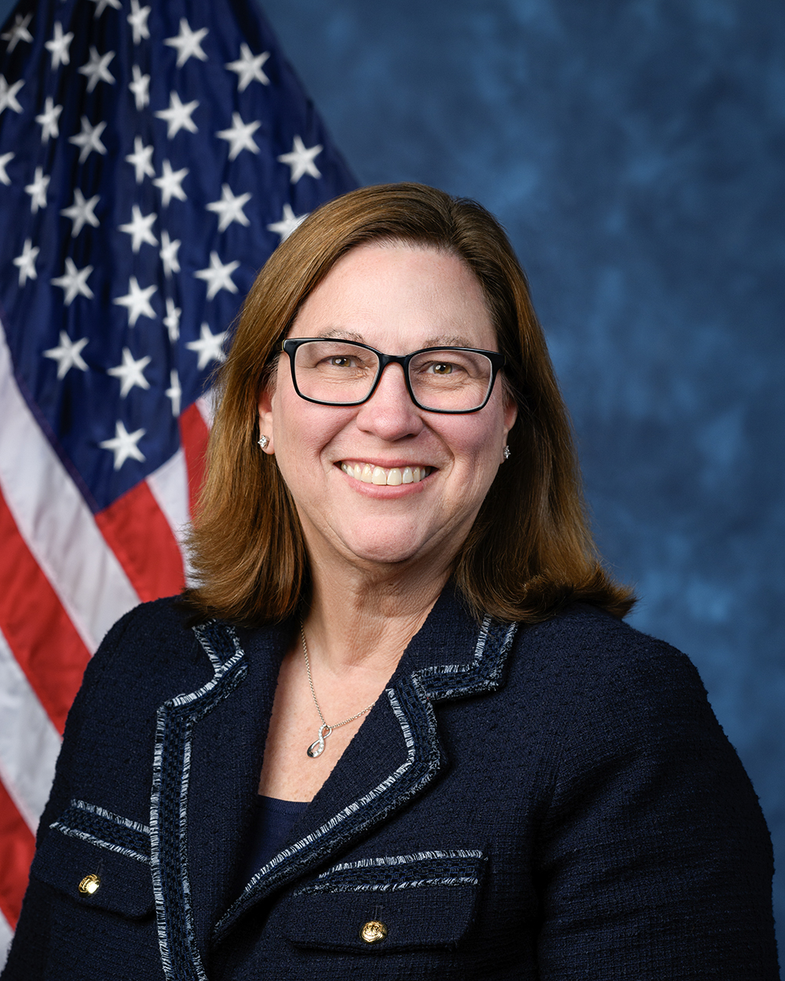
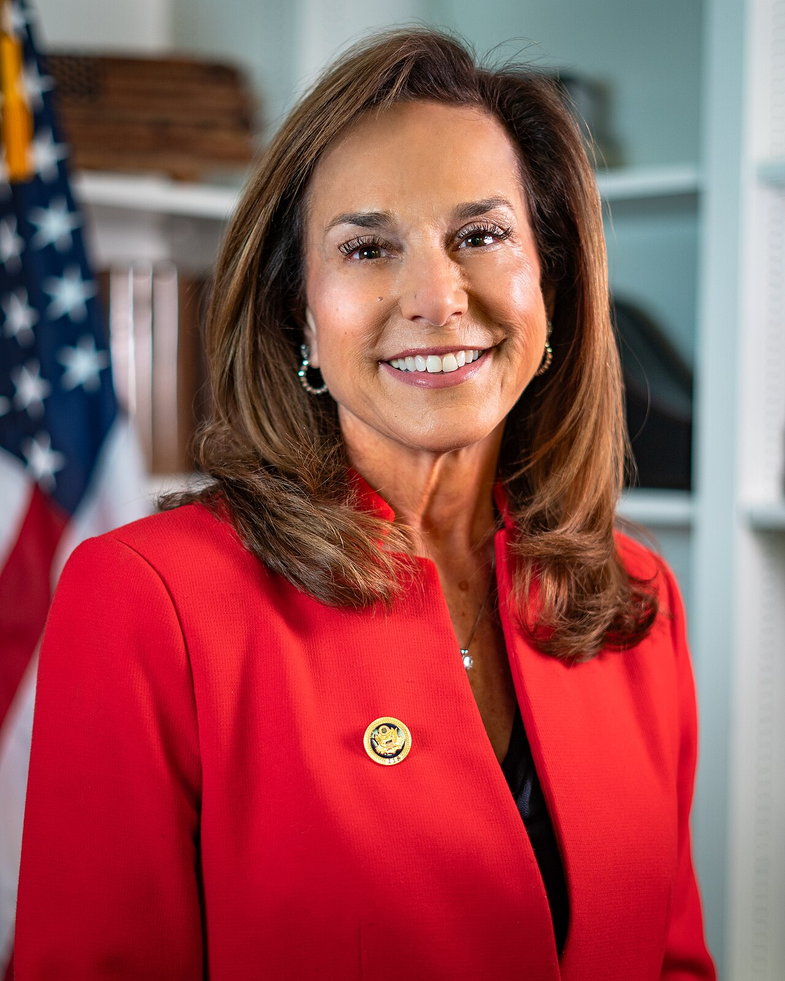
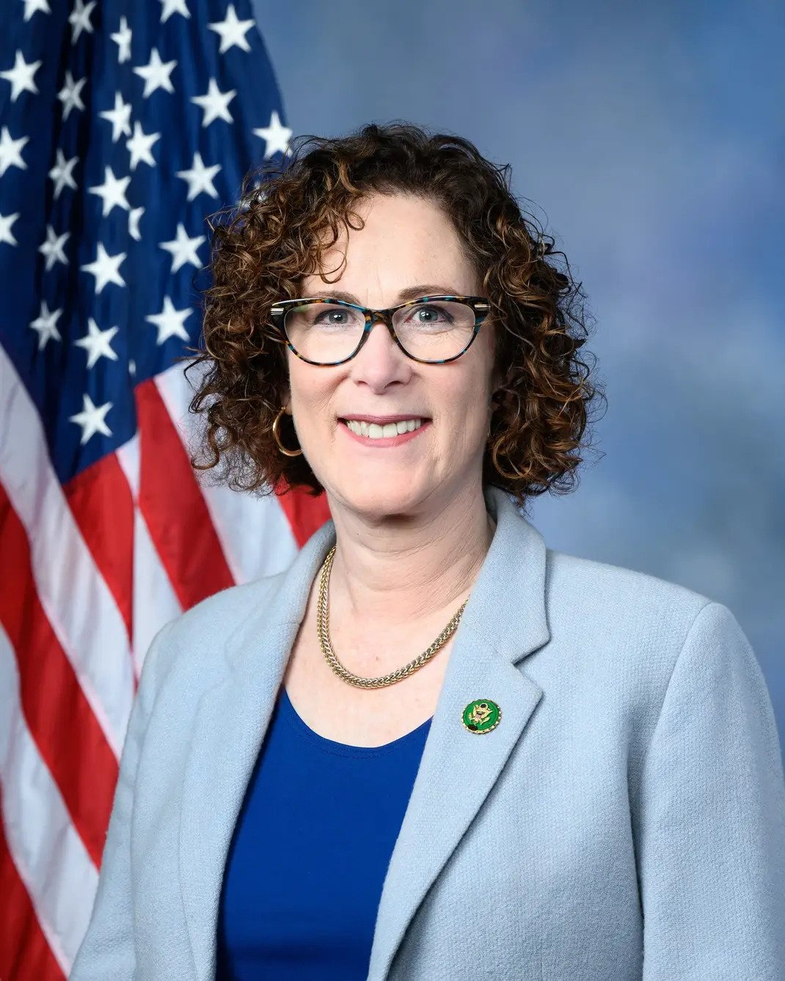
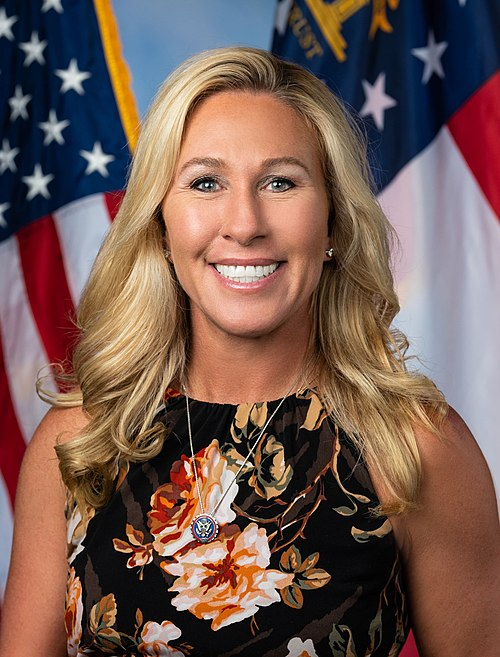
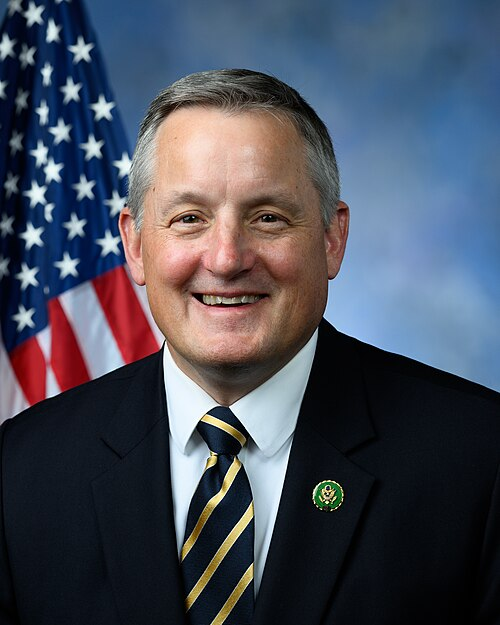
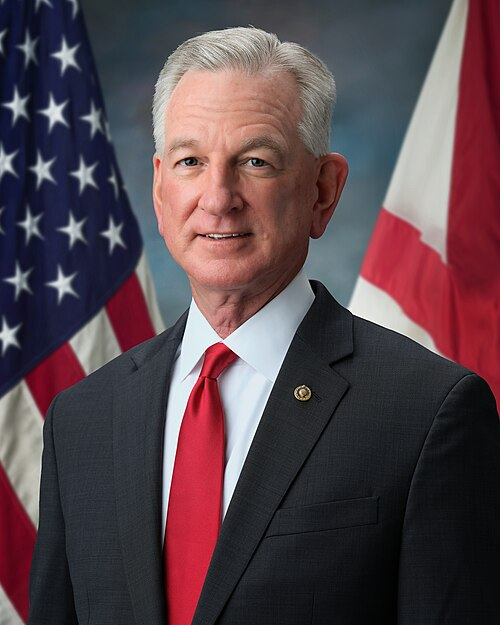
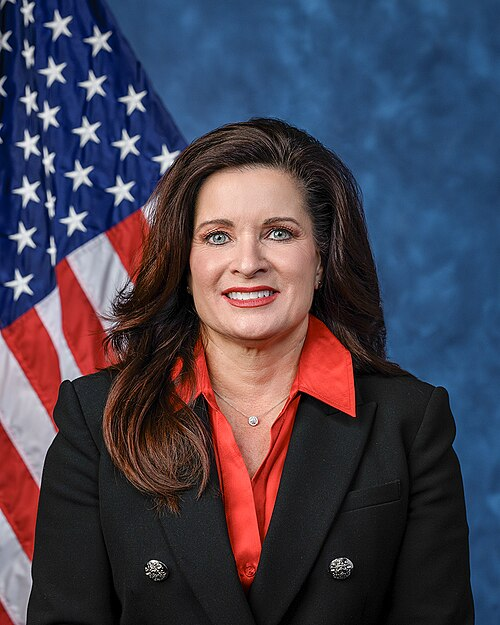
3 bill sponsors


Actions
2 actions
| Date | Action |
|---|---|
| Jul. 02, 2026 | Introduced in House |
| Jul. 02, 2026 | Referred to the House Committee on Financial Services. |
Corporate Lobbying
0 companies lobbying
None found.
* Note that there can be significant delays in lobbying disclosures, and our data may be incomplete.