
H.R. 9571: Living Wage for Federal Contractors Act
This bill would require many people who work on federal contracts to be paid a higher minimum wage, starting soon after the bill becomes law.
What the wage rules would be
For most federal contractors and subcontractors, the minimum hourly pay would be:
$17.00 per hour for the first year after the law takes effect
$19.00 per hour for the next year
$21.00 per hour for the next year
$23.00 per hour for the next year
$25.00 per hour for the next year
After that, the wage would rise each year based on inflation, using a labor-focused consumer price index, and the amount would be rounded up to the nearest $0.05.
For tipped workers on covered federal contracts, the bill sets a separate minimum base wage schedule:
$13.00 per hour for the first year
$16.00 per hour for the next year
$19.00 per hour for the next year
$22.00 per hour for the next year
$25.00 per hour for the next year
After that, the tipped-worker rate would also be adjusted yearly using inflation.
Who would be covered
The bill defines covered work broadly. It would apply to workers performing work on or connected to a federal contract, subcontract, or similar agreement for goods, services, or work on federal lands. It also covers many federal agencies, including executive branch agencies, legislative and judicial branch entities, independent regulatory agencies, and the U.S. Postal Service.
It would not apply to contracts under the Indian Self-Determination and Education Assistance Act where an Indian Tribe or Tribal organization is a party.
How it would be enforced
If a contractor pays less than the required wage, the federal government could stop the contractor’s work on the contract, finish the work another way, and charge the contractor for extra costs.
Workers who were underpaid could be paid back from money withheld from the contractor. If that money is not enough, workers could sue the contractor and its sureties. The bill also says it is not a defense that the worker agreed to accept lower pay.
Contractors that repeatedly or willfully violate the wage rules could face civil penalties of up to $1,100 per violation. The Comptroller General would also have to circulate a list of contractors who failed to meet their obligations, and those listed contractors could not be awarded new federal contracts for three years.
Changes to other federal wage laws
The bill would also change several existing federal contracting wage laws so they refer to this new wage floor instead of the current federal minimum wage:
The Davis-Bacon Act rules for federal construction contracts would require the higher of the local prevailing wage or this bill’s federal contractor wage.
The Service Contract Act wage rules would also be tied to this bill’s wage schedule, including the tipped-worker rate where relevant.
Federal procurement contracts for certain goods and manufacturing would likewise use the higher of the applicable prevailing wage or this bill’s wage floor.
When it would take effect
The new wage requirements would apply to contracts entered into on or after the date the bill is enacted, with the wage schedule beginning on the first day of the third month after enactment. The Labor Department would have to issue implementing regulations within 180 days.
Relevant Companies
None found
This is an AI-generated summary of the bill text. There may be mistakes.
Sponsors
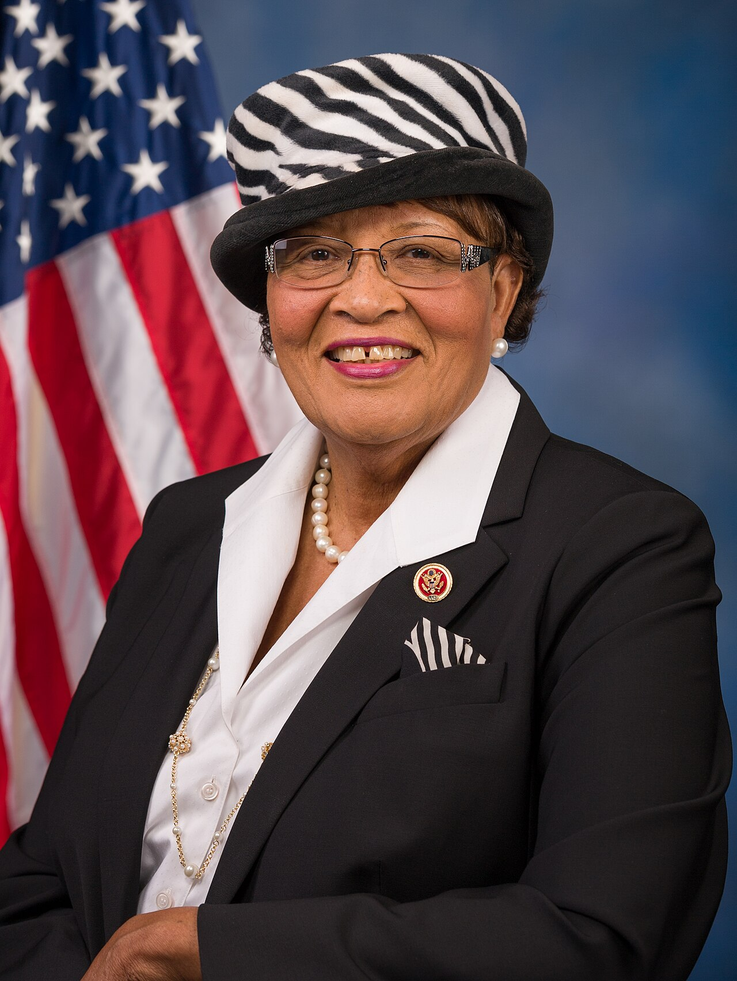
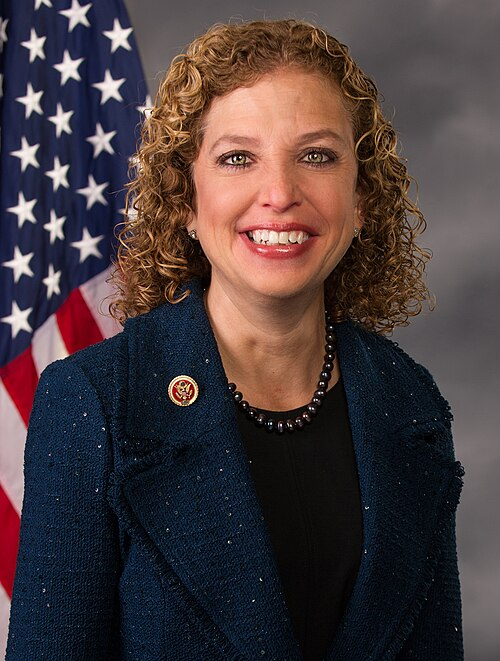
9 bill sponsors







Actions
2 actions
| Date | Action |
|---|---|
| Jul. 02, 2026 | Introduced in House |
| Jul. 02, 2026 | Referred to the Committee on Education and Workforce, and in addition to the Committee on Oversight and Government Reform, for a period to be subsequently determined by the Speaker, in each case for consideration of such provisions as fall within the jurisdiction of the committee concerned. |
Corporate Lobbying
0 companies lobbying
None found.
* Note that there can be significant delays in lobbying disclosures, and our data may be incomplete.
Potentially Relevant Congressional Stock Trades
No relevant congressional stock trades found.