H.R. 9560: No Profiting from Public Service Act
This bill would bar certain federal officials from personally benefiting from most direct investments while serving in office. It would apply to Members of Congress, judges and judicial employees, the President, the Vice President, certain executive branch appointees, candidates for federal office, and, in some cases, their spouses and dependent children.
What counts as a covered investment
The bill defines “covered investments” broadly to include securities, commodities, futures, and similar financial interests gained through derivatives or other synthetic arrangements. It would not treat several common holdings as covered investments, including:
- Diversified mutual funds and diversified exchange-traded funds
- Widely held, diversified publicly traded investment funds
- U.S. Treasury securities
- State and local government bonds
- Some compensation earned by a spouse or dependent child from their own employer
- Interests in small businesses and family farms or ranches, with a limited exception for certain related commodities or futures
- Certain real-estate holding LLCs used only for a Member’s personal residence
- Specified Alaska Native settlement stock holdings
What the bill would prohibit
A covered official would generally be forbidden from directly or indirectly owning or trading covered investments. The bill would also prohibit covered officials and covered individuals from entering into, or even offering to enter into, prediction market contracts tied to political or governmental events, actions, or policies.
The bill defines prediction market contracts broadly to cover financial instruments, contracts, or derivatives offered on a platform and tied to whether an event happens or does not happen.
How officials would have to comply
If someone is already a covered official when the bill becomes law, they would have 90 days to comply. If a person becomes a covered official later, they would have 90 days from the date they take the position.
To comply, the official would have to either:
- sell the covered investment at fair market value, or
- place it in a qualified blind trust.
If a covered investment is acquired later through something like marriage, inheritance, or divorce settlement rather than purchase, the official would have 90 days from acquisition to divest or place it in a blind trust.
The bill also says a covered official could not dissolve a blind trust holding a covered investment, or otherwise control that investment, until 180 days after leaving the covered position.
There is an exception allowing a spouse or dependent child to trade a covered investment if the investment is not owned by the covered official and the trade is part of the spouse’s or child’s primary occupation.
Rules after leaving office
For 180 days after leaving office, a former covered official or covered individual could be subject to penalties if they engage in the prohibited trading or ownership activity during that period.
Penalties
Violations would carry financial penalties. A violator could be required to:
- pay a fine equal to 10% of the value of the covered investment or prediction market contract, and
- give up any profits made from the violating transaction.
The penalties would go to the Treasury’s general fund. Losses from illegal prediction market or investment activity could not be deducted from income taxes. The bill also bars officials from using certain government office allowances or campaign-related funds to pay the penalties.
Transparency and administration
The supervising ethics offices would have to publish details on a public website about each fine, why it was assessed, and the result. The ethics offices would also be directed to issue guidance on any defined terms that need interpretation.
Relevant Companies
None found
This is an AI-generated summary of the bill text. There may be mistakes.
Sponsors
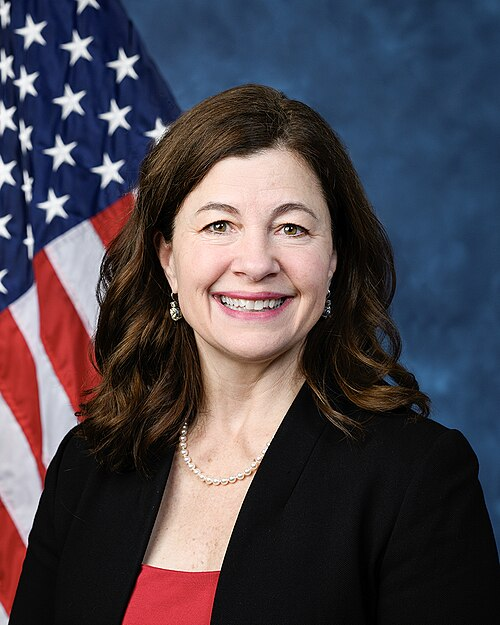
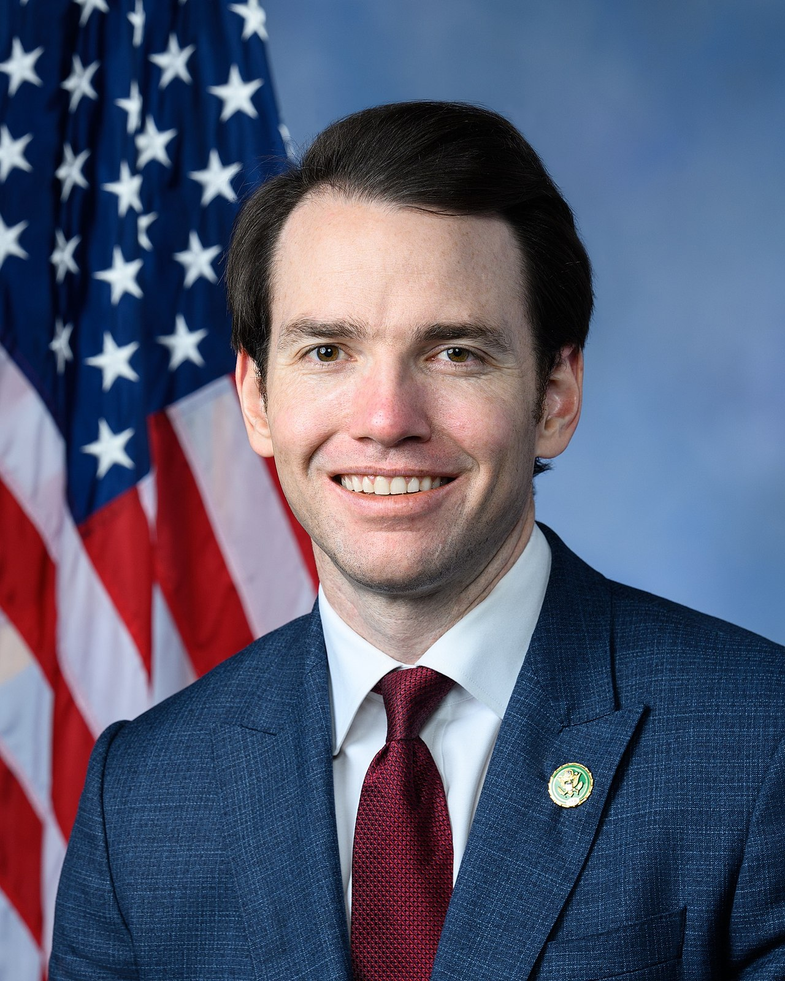
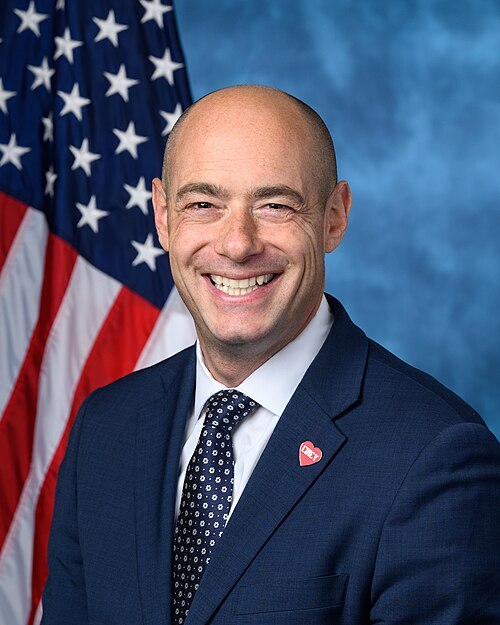
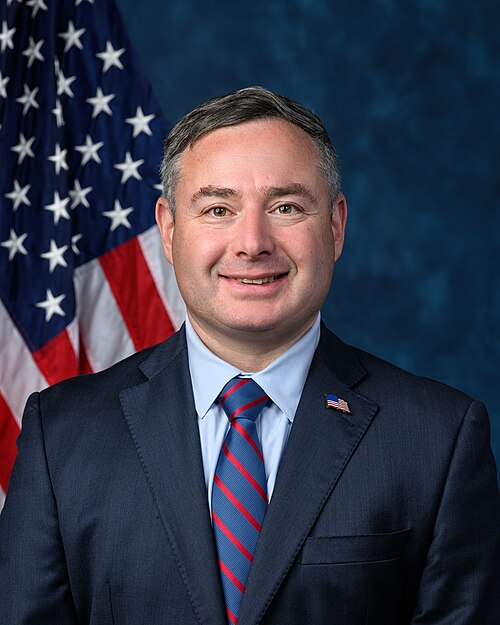
4 bill sponsors
Actions
2 actions
| Date | Action |
|---|---|
| Jun. 30, 2026 | Introduced in House |
| Jun. 30, 2026 | Referred to the Committee on Oversight and Government Reform, and in addition to the Committees on House Administration, the Judiciary, and Ways and Means, for a period to be subsequently determined by the Speaker, in each case for consideration of such provisions as fall within the jurisdiction of the committee concerned. |
Corporate Lobbying
0 companies lobbying
None found.
* Note that there can be significant delays in lobbying disclosures, and our data may be incomplete.
Potentially Relevant Congressional Stock Trades
No relevant congressional stock trades found.