
H.R. 9559: Initiating Biomedical Outcomes to Garner Advancements into Innovative Neuroplastogen Efficacy Act
This bill is aimed at speeding up the development, approval, and use of psychedelic-related medicines, especially ibogaine and similar compounds, for serious mental illness, addiction, trauma-related conditions, and related uses.
What the bill changes
- Creates a new federal definition of “ibogaine” in drug law, covering the natural plant source and similar compounds that affect brain plasticity, opioid receptors, or serotonin pathways in ways tied to addiction treatment and neurological recovery.
- Sets up a new FDA voucher pilot program for “national health priority” drugs. If a drug meets certain public-health or national-interest criteria, its sponsor could receive a voucher that allows priority FDA review of one future drug application.
- Limits those vouchers so they generally cannot be transferred to another company, except as part of a change in ownership. A sponsor can receive no more than one voucher in a 24-month period and cannot apply for another while holding one.
- Allows the FDA to charge a user fee for applications that use a voucher, with the fee based on the agency’s cost of conducting priority review.
- Requires FDA advice to companies that seek a voucher, to help them plan development and any extra studies needed for broader use.
- Requires a Government Accountability Office study on how well the voucher program works, with a report to Congress within one year.
- Ends the voucher authority after September 30, 2029.
Changes to “Right to Try” and controlled-substance rules
- Expands the federal Right to Try law so it covers certain conflicts with the Controlled Substances Act, making it easier to use eligible investigational drugs even if they are otherwise restricted as controlled substances.
- Creates a special DEA registration process for physicians to directly administer Schedule I investigational drugs to eligible patients under Right to Try. Physicians would need to show they are properly licensed, have sponsor documentation, follow handling and storage rules, and meet state-law requirements.
- Requires the Attorney General to act within 45 days on a complete application, either by registering the physician or starting a show-cause process.
- Allows electronic applications and sets rules for supplemental requests if more drug is needed.
- Requires DEA rulemaking within 240 days, followed by a final rule within two years.
Changes to drug quotas and scheduling
- Updates how DEA sets manufacturing quotas for Schedule I and II substances by requiring faster quota revisions when certain events happen, such as FDA approval, designation as a breakthrough therapy, investigational exemptions, or placement into another schedule.
- Allows manufacturers to request mid-year quota adjustments after those triggering events.
- Requires annual sufficiency standards so quotas are set at levels needed for legitimate medical, scientific, research, clinical, and industrial needs.
- Directs the Attorney General to begin reviewing ibogaine and ibogaine compounds within 60 days to determine whether they should be moved from Schedule I to Schedule II.
- Requires faster rescheduling proceedings after successful phase 3 trials for Schedule I drugs intended to treat serious mental health disorders.
Federal research and collaboration
- Lets HHS partner with states, territories, and Indian tribes to support research and development of psychedelic drugs, including ibogaine, for serious mental illness.
- Creates a public-private collaboration program to increase clinical trial participation, data sharing, and real-world evidence collection for psychedelic drugs, with priority for products already designated as breakthrough therapies.
- Requires federal agencies to share clinical-trial data with FDA when allowed by privacy and other laws, to help speed review and approval of drugs and biologics.
Veterans Affairs provisions
- Requires VA to designate a senior official to oversee policies and programs related to emerging therapeutic interventions.
- Requires recurring VA reports to Congress on research, trials, veteran participation, coordination with other agencies, and recommendations related to psychedelic-assisted therapies and similar treatments.
- Requires a workforce readiness plan for VA clinicians and peer support specialists, including training, credentialing, supervision, and implementation across VA systems.
- Requires a report on implementation of a related executive order on accelerating medical treatments for serious mental illness.
Relevant Companies
- None found
This is an AI-generated summary of the bill text. There may be mistakes.
Show More
Sponsors
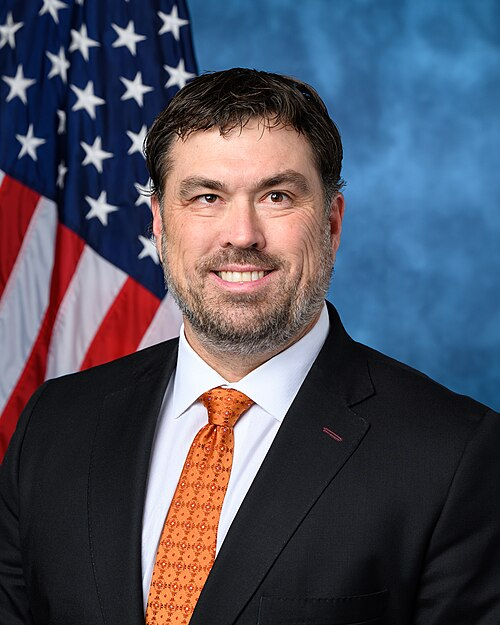
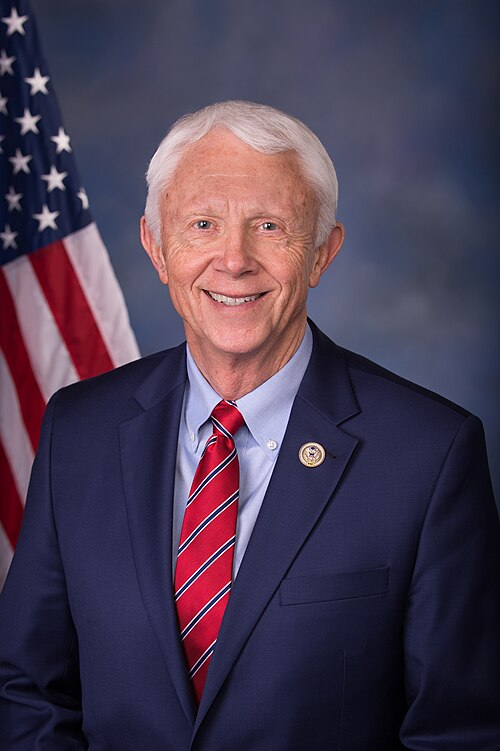
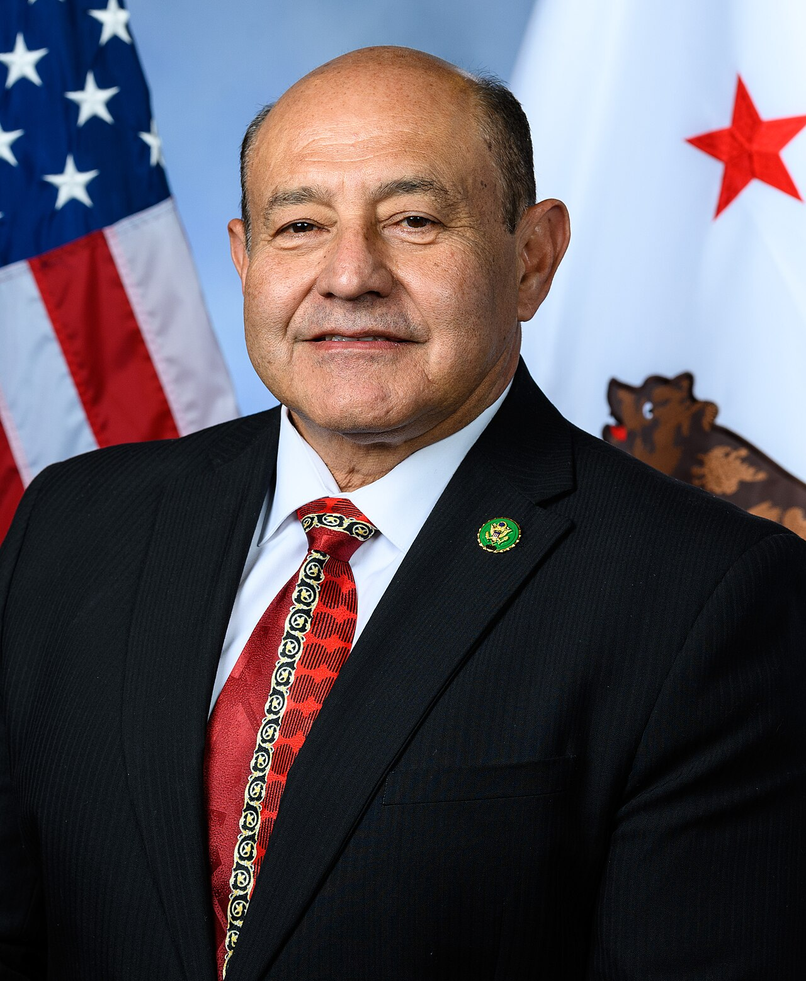
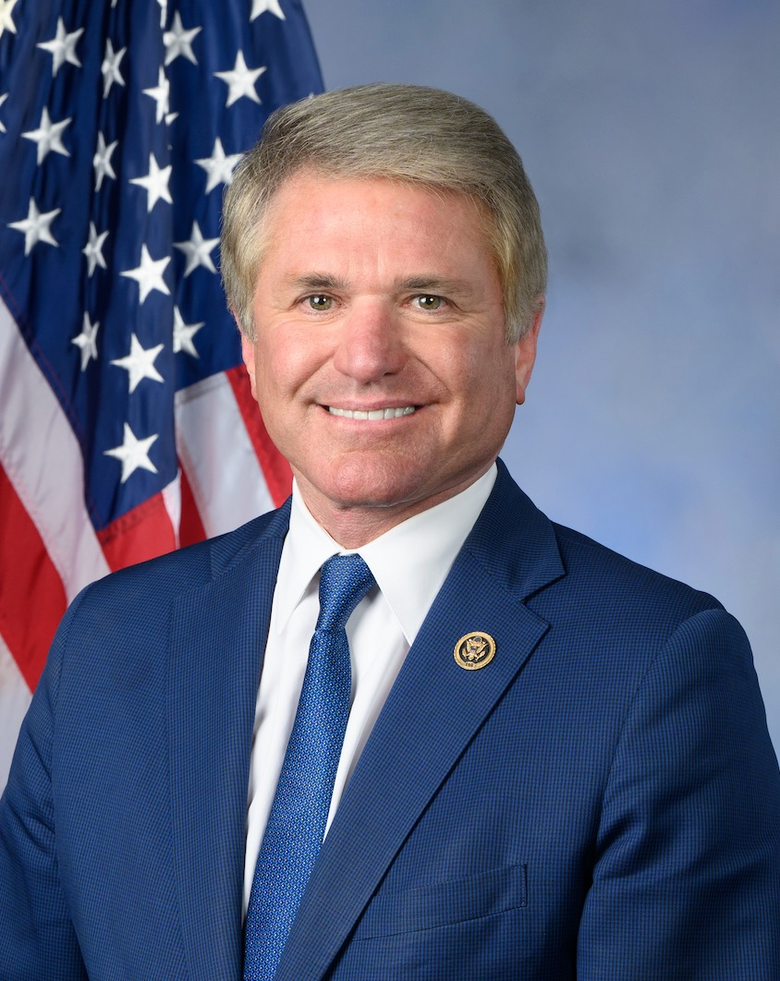
4 bill sponsors
Actions
2 actions
| Date | Action |
|---|---|
| Jun. 30, 2026 | Introduced in House |
| Jun. 30, 2026 | Referred to the Committee on Energy and Commerce, and in addition to the Committees on the Judiciary, and Veterans' Affairs, for a period to be subsequently determined by the Speaker, in each case for consideration of such provisions as fall within the jurisdiction of the committee concerned. |
Corporate Lobbying
0 companies lobbying
None found.
* Note that there can be significant delays in lobbying disclosures, and our data may be incomplete.
Potentially Relevant Congressional Stock Trades
No relevant congressional stock trades found.