
H.R. 9558: 21st Century Federal Writers’ Project Act
This bill would create a new grant program at the National Endowment for the Arts (NEA) called the 21st Century Federal Writers’ Project. Its purpose would be to pay eligible organizations to document American life through writing, photography, audio, and other forms of media.
What the program would do
Within 180 days after enactment, the NEA chair would have to set up a competitive grant program. The grants would support projects that record the history, culture, customs, folklore, and everyday experiences of people in the United States.
The bill says the program should be broad in scope and cover many parts of the country and many communities, including urban, suburban, rural, and Tribal communities. It also says the projects should collectively reflect the geographic and cultural diversity of the country.
Who would guide it
Within 90 days of enactment, the NEA chair would appoint a 5-member advisory panel to help write the program rules. The panel would include people with experience in literary arts, documentary media, state arts agencies, underserved communities, the Library of Congress, and knowledge of the original Federal Writers’ Project.
The panel would recommend guidelines and criteria for evaluating applications, then dissolve after submitting its report.
Who could apply
Eligible applicants would include:
- Nonprofit, tax-exempt organizations with experience in literary arts, documentary arts, journalism, oral history, or cultural/educational content;
- Fiscally sponsored projects of those nonprofits;
- State arts agencies or regional arts organizations designated by the NEA;
- State or territorial commissions created to commemorate the 250th anniversary of the founding of the United States.
How the grants would work
Grant recipients would use the money to hire people to produce written, photographic, audio, or other documentary works. The funds could also cover related administrative, training, and editorial costs.
The NEA chair would set the size and length of grants, but no single grant in a fiscal year could be more than 10% of the funds appropriated for that year. The bill also says the usual matching-fund requirement would not apply.
Applicants would have to follow an editorial framework set by the NEA, including standards for factual accuracy, consistency, broad coverage, and attribution. The program could publish works in books, periodicals, digital media, audio, documentary film, and other formats.
The NEA would also contract with a qualified organization to act as editor-in-chief and executive editor for the program. That organization would help guide grant recipients, review work before release, and report on the program’s coverage.
Where the work would go
The bill would require the NEA to create a public repository for completed works. Grant recipients would have to submit their finished work there, with credit given to the creator.
The NEA would then send the materials to the Librarian of Congress, who would create an archive program at the American Folklife Center. That archive would make drafts and finished works available to the public in digital and print form.
The NEA would also help publish and distribute the works, including through agreements with publishers. Any revenue from those agreements could be used to support the program, if allowed by law.
Oversight and reporting
Grant recipients would have to report information such as how much money they received and spent, how many people were involved, what topics and places were covered, and how many published copies were distributed or sold. The NEA would have to send Congress a yearly report summarizing the program’s activities, distribution, and effectiveness.
Administrative and interagency provisions
The NEA could use up to 20% of the funds for administrative costs. The chair could also enter into agreements with other federal agencies to help fund or support the program.
Relevant Companies
None found
This is an AI-generated summary of the bill text. There may be mistakes.
Sponsors
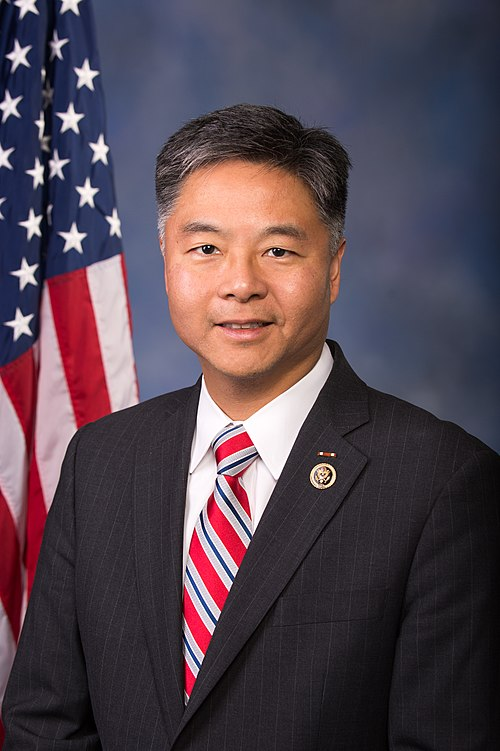
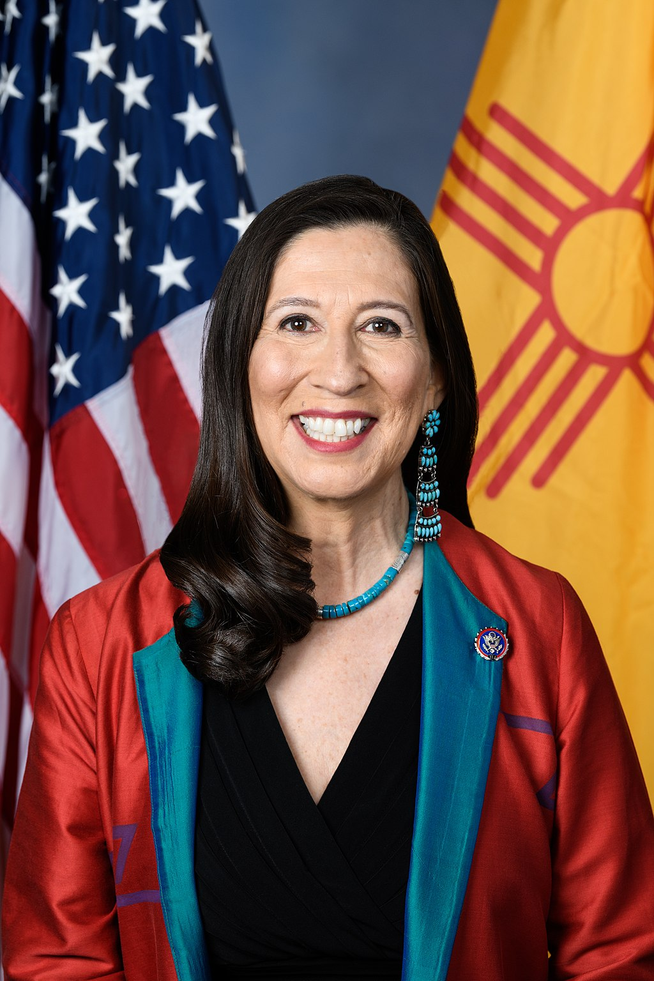
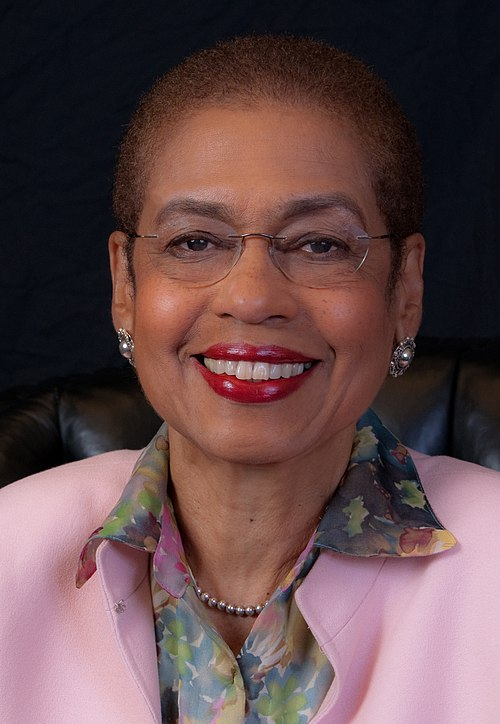
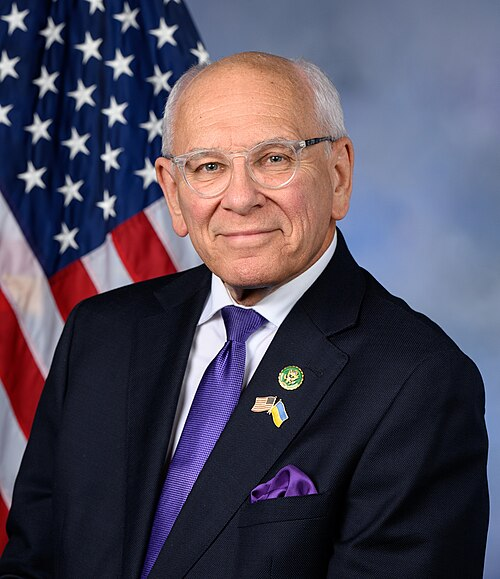
5 bill sponsors
Actions
2 actions
| Date | Action |
|---|---|
| Jun. 30, 2026 | Introduced in House |
| Jun. 30, 2026 | Referred to the House Committee on Education and Workforce. |
Corporate Lobbying
0 companies lobbying
None found.
* Note that there can be significant delays in lobbying disclosures, and our data may be incomplete.
Potentially Relevant Congressional Stock Trades
No relevant congressional stock trades found.