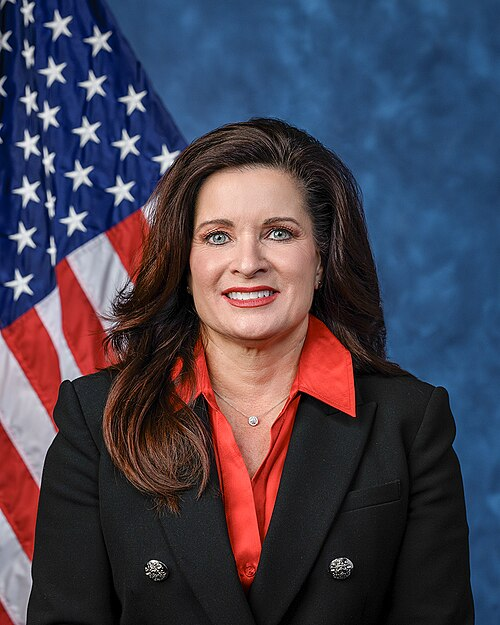
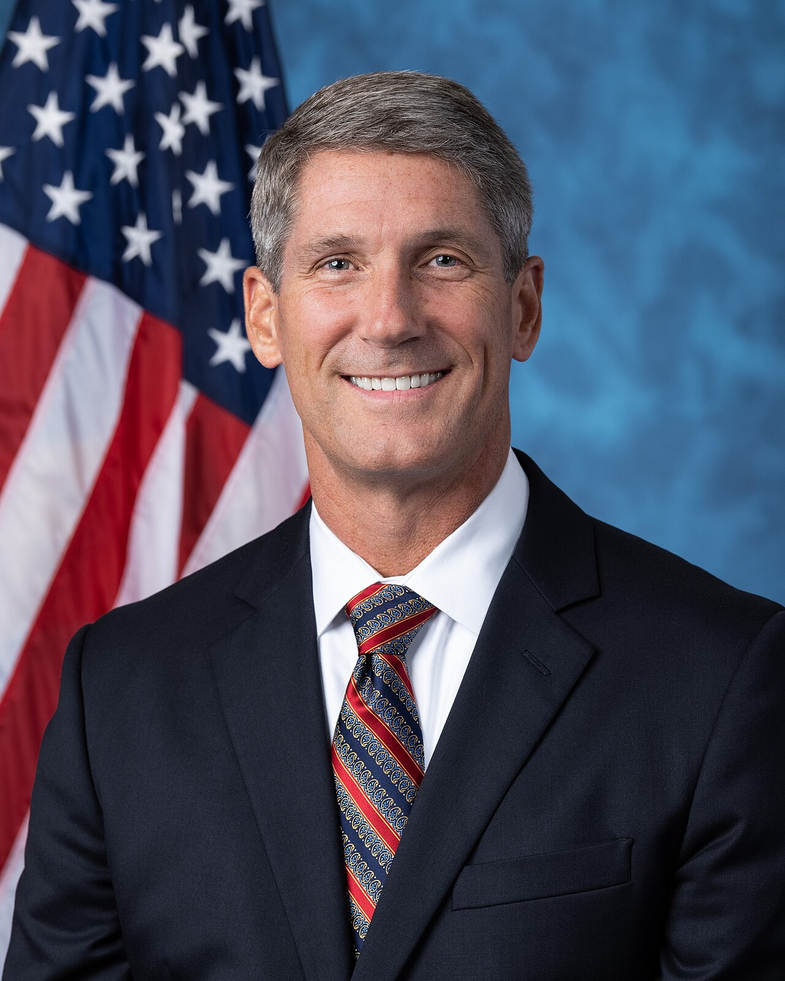
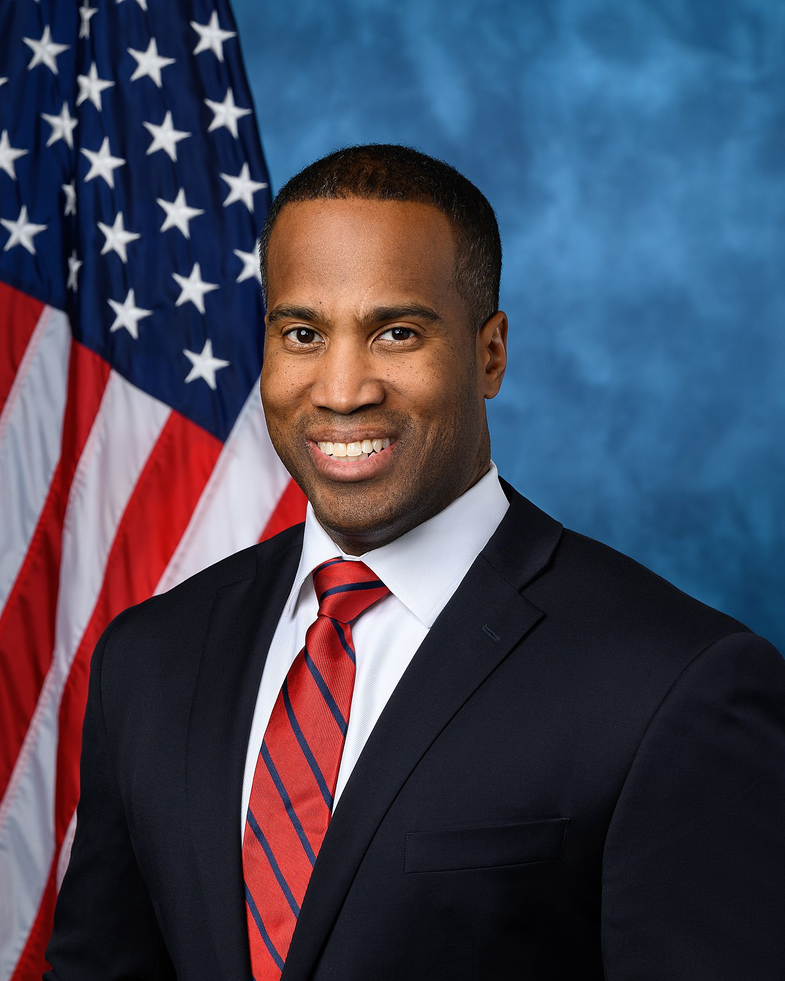
H.R. 9550: Strategic Unmanned Systems Partnership Act
This bill would create a U.S.-Ukraine working group focused on unmanned military systems, such as drones and anti-drone tools. The group would be set up by the Department of Defense, working with the State Department and Ukrainian counterparts, within 90 days after the bill becomes law.
What the working group would do
The group would examine ways for the United States and Ukraine to:
- co-develop unmanned systems together;
- co-produce them;
- buy or transfer them between the two countries; and
- create agreements for sharing technology in both directions.
The bill defines these “covered systems” broadly. They include:
- unmanned aerial, underwater, and surface vehicles;
- the hardware and software needed to operate them;
- systems used to detect, jam, intercept, or otherwise counter unmanned systems; and
- command-and-control software and hardware used to operate these systems securely and reliably.
Who would be involved
The working group would be co-chaired by senior Defense Department officials, including the Under Secretary of Defense, the Defense Innovation Unit, the Joint Interagency Task Force 401, the Under Secretary of Defense for Acquisition and Sustainment, and the commander of U.S. Special Operations Command. The bill also seeks participation from Ukraine’s Ministry of Defense, Ukraine’s military, the Brave1 defense tech cluster, and a NATO-Ukraine training center.
What the group would study and recommend
The working group would review lessons from Ukraine’s battlefield experience and defense industry to help speed up U.S. development and production of these systems. It would identify Ukraine-made systems that have performed well in combat and could add value to U.S. forces.
It would also:
- recommend ways to expand the use of Ukraine-designed systems in the U.S. Blue UAS program;
- develop defense trade frameworks between the U.S. and Ukraine;
- work on data-sharing rules for battlefield and electronic warfare information;
- develop intellectual property arrangements for joint development and production;
- create a memorandum of understanding for reciprocal defense procurement; and
- consider testing U.S.-made systems in Ukraine, including with Ukrainian operational units in combat conditions.
Prioritizing Ukraine-designed systems
The bill directs the working group to give priority to Ukraine-designed systems for co-development, co-production, and acquisition. In doing so, it would examine:
- whether the systems meet U.S. fielding requirements;
- what authorities could speed up joint ventures, cooperative production, or licensed production;
- how to accelerate procurement;
- the supply chain for parts and materials;
- the cost of producing these systems in the United States; and
- how to scale production, including using civilian manufacturing capacity.
For Ukraine-designed systems that do not meet current fielding requirements, the bill says the working group should explore alternative pathways through programs or initiatives named SkyFoundry, the UAS Marketplace, and Drone Dominance.
Reporting requirements and duration
Within 120 days after enactment, the group would brief congressional defense committees on its initial strategy and action plan. After that, it would provide reports every 180 days until it ends.
Those reports would include:
- which Ukraine-designed systems are being prioritized and their status in evaluation, certification, and integration;
- what fast-track or waiver authorities could speed up acquisition;
- supply chain reviews aimed at avoiding dependence on countries of concern, including Russia, China, Iran, and North Korea;
- frameworks for moving systems from identification to large-scale production;
- possible joint venture, cooperative production, and licensed production structures;
- intellectual property approaches; and
- legal, regulatory, export-control, and certification barriers.
The working group would end five years after enactment, unless the Secretary of Defense determines a one-year extension is vital to national security and provides a written explanation to Congress.
Relevant Companies
- AVAV — AeroVironment could be affected if the bill increases demand for unmanned aerial systems or related counter-drone technologies.
- KTOS — Kratos Defense & Security Solutions could be affected by expanded procurement or co-development of military drones and related systems.
- NOC — Northrop Grumman could be affected through defense electronics, command-and-control, and unmanned systems programs.
- LMT — Lockheed Martin could be affected if the initiative leads to additional unmanned systems, counter-UAS, or defense production partnerships.
- RTX — RTX could be affected through sensors, command-and-control, counter-drone, and defense integration work tied to these systems.
- DRON — DroneShield Limited could be affected by increased attention to counter-unmanned systems and jamming/interceptor technologies.
This is an AI-generated summary of the bill text. There may be mistakes.
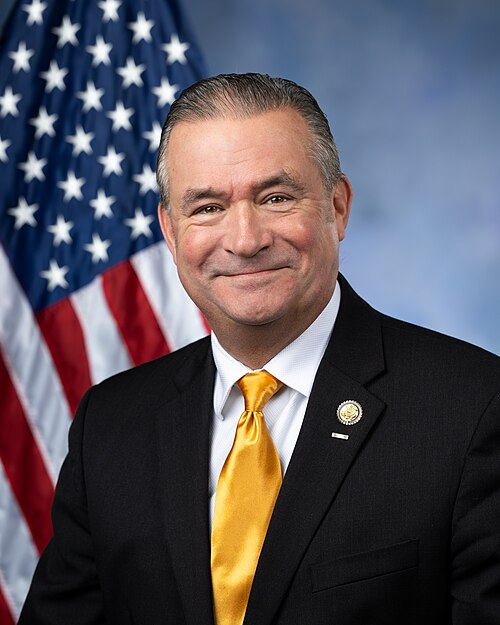
Sponsors
8 bill sponsors







Actions
3 actions
| Date | Action |
|---|---|
| Jun. 30, 2026 | Introduced in House |
| Jun. 30, 2026 | Referred to the Committee on Foreign Affairs, and in addition to the Committee on Armed Services, for a period to be subsequently determined by the Speaker, in each case for consideration of such provisions as fall within the jurisdiction of the committee concerned. |
| Jun. 30, 2026 | Sponsor introductory remarks on measure. (CR H4357-4358) |
Corporate Lobbying
0 companies lobbying
None found.
* Note that there can be significant delays in lobbying disclosures, and our data may be incomplete.