
H.R. 9538: Residential Recovery for Seniors Act
This bill would expand Medicare Part A to cover certain residential substance use disorder treatment services for eligible patients, including seniors and other Medicare beneficiaries who need this kind of care.
What Medicare would cover
The bill would add coverage for three levels of residential addiction treatment:
- Clinically managed low-intensity residential services
- Clinically managed high-intensity residential services
- Medically managed residential services
These services would include things like room and board, clinical treatment, assessments, treatment planning, recovery support services, medications, supplies, and related care. The highest-intensity level would also include 24-hour nursing services.
Where the care could be provided
The bill would recognize certain residential treatment facilities as Medicare providers, as long as they meet federal and state requirements. To qualify, facilities generally would need to:
- be enrolled in Medicare
- be accredited by an approved accrediting body
- be authorized under state law to provide the relevant level of residential substance use disorder care
- meet additional health and safety conditions set by the Secretary of Health and Human Services
Standards for treatment
The bill would require facilities to use evidence-based criteria approved by the Secretary when deciding whether a person needs admission or continued residential care. It also requires regular reviews of whether the patient still needs that level of treatment:
- at least every 30 days for low- and high-intensity clinically managed services
- at least every 10 days for medically managed services
Facilities would also need to provide or arrange for medical assessments, medication management, lab testing, referrals, and transitions to other levels of care when appropriate.
Payment system
The bill would direct the Secretary of Health and Human Services to create a per diem prospective payment system for these residential services. In plain terms, Medicare would pay a set amount per day for the care, with different payment levels based on how intensive the treatment is.
The first year of payments would be designed to cover 100% of estimated reasonable costs. After that, payment rates would be adjusted each year using an inflation-like increase factor based on the cost of goods and services used to provide the care.
The payment system would begin for cost reporting periods starting on or after October 1, 2026.
Other notable features
The bill would also allow the Secretary to require facilities to submit cost reports and other information needed to build the new payment system. It says that meeting certification standards from an approved certifying body would count as evidence that a facility meets certain federal standards.
Relevant Companies
None found
This is an AI-generated summary of the bill text. There may be mistakes.
Sponsors
9 bill sponsors
-
TrackLauren Underwood

Sponsor
-
TrackMike Bost

Co-Sponsor
-
TrackBrian K. Fitzpatrick
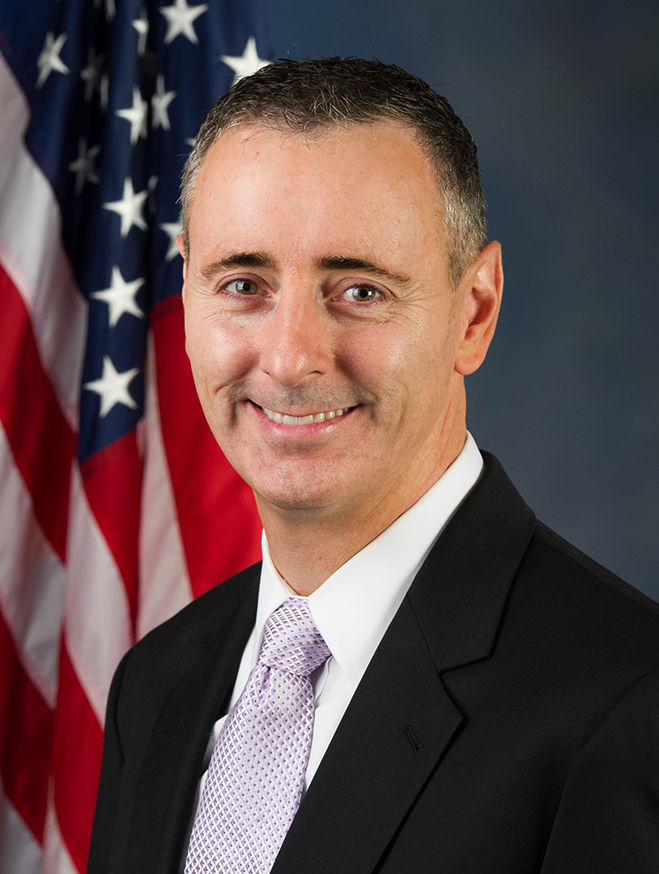
Co-Sponsor
-
TrackHenry C. "Hank" Johnson, Jr.

Co-Sponsor
-
TrackDarin LaHood

Co-Sponsor
-
TrackCarol D. Miller

Co-Sponsor
-
TrackPaul Tonko

Co-Sponsor
-
TrackDavid G. Valadao
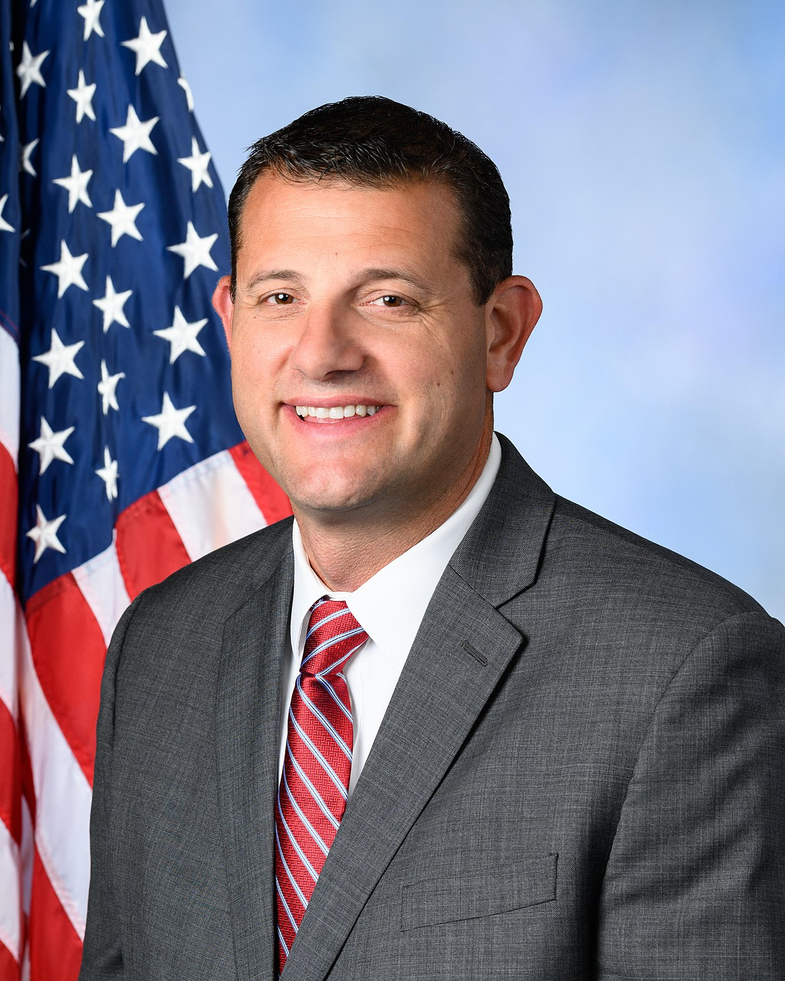
Co-Sponsor
-
TrackDebbie Wasserman Schultz
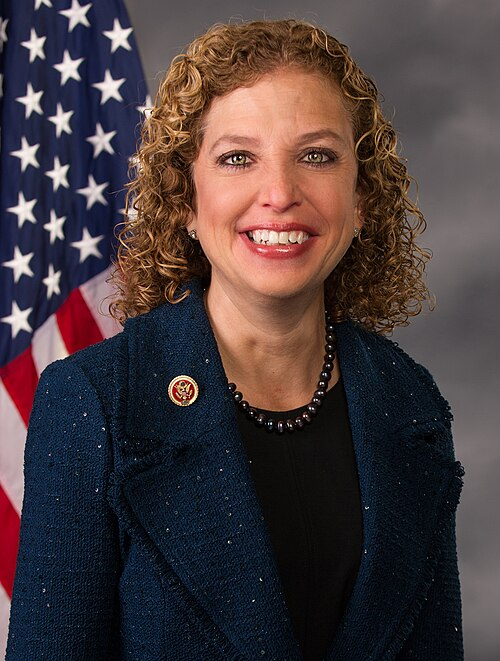
Co-Sponsor
Actions
2 actions
| Date | Action |
|---|---|
| Jun. 30, 2026 | Introduced in House |
| Jun. 30, 2026 | Referred to the House Committee on Ways and Means. |
Corporate Lobbying
0 companies lobbying
None found.
* Note that there can be significant delays in lobbying disclosures, and our data may be incomplete.
Potentially Relevant Congressional Stock Trades
No relevant congressional stock trades found.