
H.R. 9536: Fixing Egregiously Expensive Suits Act of 2026
This bill would change how the federal government awards attorneys’ fees and related costs in certain cases against the government, and it would add a later review of the bill’s effects on federal lands.
Fee limits in agency proceedings and civil cases
The bill would narrow who can get fee awards under two existing laws that help people recover legal costs when they win against the government:
- In agency proceedings, only a prevailing party with a direct and personal monetary interest could receive fees and expenses. The bill says this includes cases involving things like personal injury, damage to private property, or unpaid government payments.
- In civil actions against the United States, the same kind of limitation would apply: the prevailing party would need a direct and personal monetary interest, and cases “sounding in tort” would be excluded.
The bill would also place caps on fee awards:
- No more than $200,000 in fees and expenses in a single agency proceeding or civil action.
- No more than three fee-award cases in the same calendar year for the same party.
These limits would not apply in certain class action cases, or when the Social Security Administration or the Department of Veterans Affairs is a party.
Changes to how fee reductions are handled
The bill would require courts to reduce or deny fee awards in a way that reflects the amount of pro bono legal work and related costs, rather than leaving that reduction entirely to discretion. It also changes the language governing when a court can deny or reduce an award, adding a requirement that the opposing side acted in bad faith or similarly improper ways.
Limits on settlements and consent decrees
The bill would prohibit settlement agreements or consent decrees involving a federal agency from including payment of attorneys’ fees or litigation costs if the agreement results in a regulation or guidance document.
For this purpose, the bill defines guidance document broadly to include many nonbinding agency communications, such as memoranda, notices, bulletins, directives, news releases, letters, blog posts, no-action letters, speeches, advisories, manuals, and circulars. It also defines regulation broadly, while excluding some categories such as certain military or foreign affairs regulations, internal agency management rules, and other categories exempted by the Office of Information and Regulatory Affairs.
Review of effects on federal lands
Within five years of enactment, the Secretary of the Interior would have to assemble an independent scientific panel to study how the bill’s provisions affect federally managed lands. The review would look at:
- forest and rangeland health,
- risk of wildfire and insect infestation,
- biodiversity,
- watershed quality, and
- economic productivity of federal forests and rangelands.
The panel would have five members, including at least two hunters or anglers, one person affiliated with the forest products industry, one affiliated with a rural water utility, and one wildlife biologist. The panel would report to House and Senate committees.
Relevant Companies
None found
This is an AI-generated summary of the bill text. There may be mistakes.
Sponsors
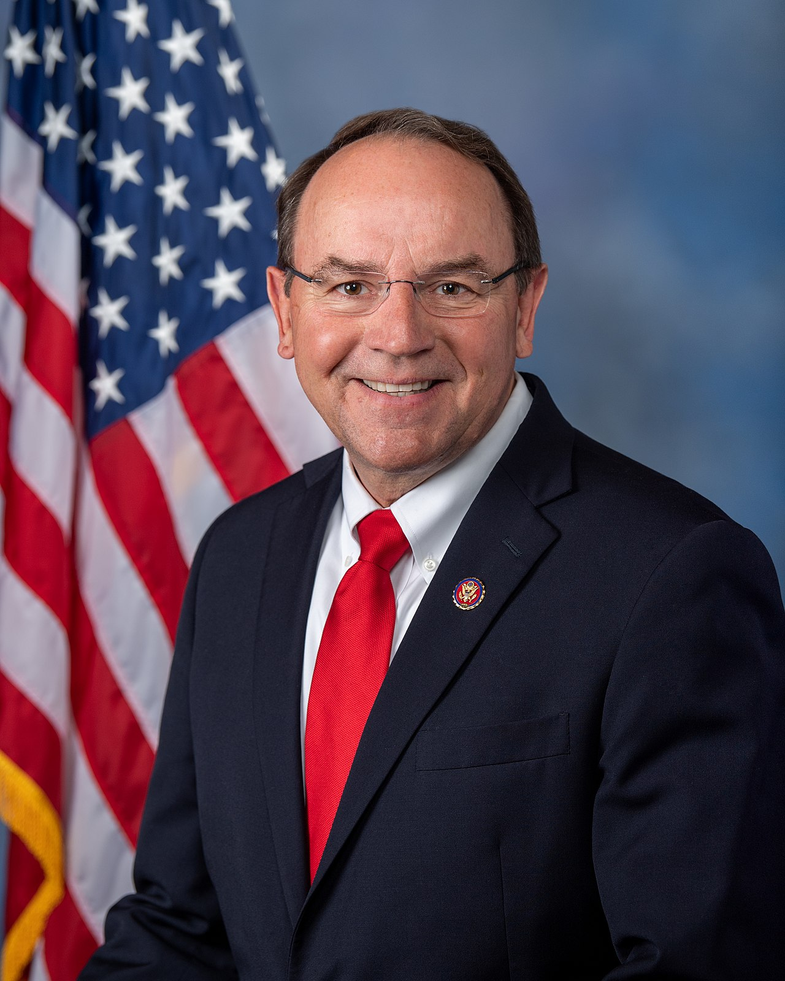
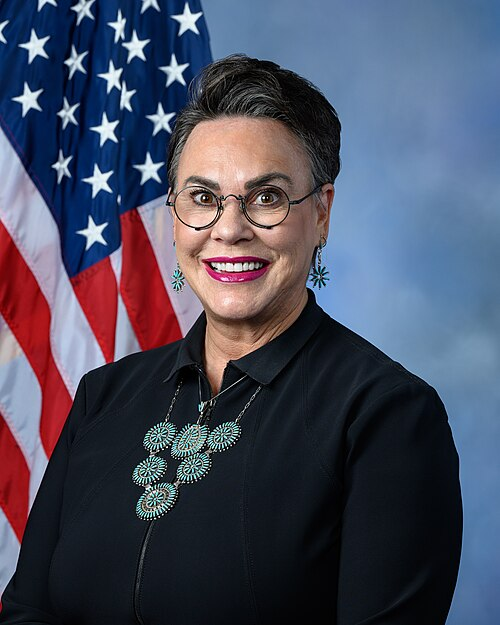
2 bill sponsors
Actions
2 actions
| Date | Action |
|---|---|
| Jun. 30, 2026 | Introduced in House |
| Jun. 30, 2026 | Referred to the House Committee on the Judiciary. |
Corporate Lobbying
0 companies lobbying
None found.
* Note that there can be significant delays in lobbying disclosures, and our data may be incomplete.
Potentially Relevant Congressional Stock Trades
No relevant congressional stock trades found.