
H.R. 9504: Tax Exempt Hospital Transparency Act
This bill would require certain tax-exempt hospitals to provide much more detailed information to the IRS each year as part of their tax filings.
What hospitals would have to report
All tax-exempt hospital organizations would have to report:
- How they are addressing the community health needs identified in their most recent community health needs assessment, including which needs are not being addressed and why.
- Their audited financial statements, or consolidated financial statements if applicable.
- Their CMS certification number, or other identifying information the IRS requests.
- The total value, at cost, of financial assistance they provided under their charity care policy.
- The number of financial assistance applications they received, approved, and denied.
For large tax-exempt hospital organizations—generally those with more than 100 staffed inpatient beds, excluding critical access hospitals and rural emergency hospitals—the bill would require additional reporting, including:
- The top three priority community health needs from their assessment.
- How much they spent on programs to address each of those needs.
- What actions they took and what effect those actions had on community health.
- How much they spent on quality improvement, nonclinical programming, and other community benefits the Treasury Secretary may specify.
The bill defines quality improvement broadly as programs aimed at improving patient health outcomes, such as education, training, compliance with quality improvement programs, and technical assistance. It defines nonclinical programming as activities not directly aimed at improving patient health outcomes, including administrative support, IT, billing, communications, lobbying, compliance, facilities management, patient experience, patient education, family support, financial counseling, discharge planning, and scheduling.
Additional reporting for high-revenue hospitals
For high-revenue tax-exempt hospital organizations—generally those with more than $100 million in net patient revenue, excluding critical access and rural emergency hospitals—the bill would require even more reporting, including:
- Advertising costs reported to Medicare, both allowable and unallowable.
- Detailed information on each health service line, including descriptions, gross receipts, and costs.
- Information about participation in the federal 340B drug discount program, if the hospital participates in it.
For the 340B program, hospitals would have to report:
- The number of individuals who received covered outpatient drugs through 340B, broken down by insurance type.
- The aggregate net amount received for those drugs.
- The hospital’s costs of participating in and complying with 340B, including legal, educational, administrative, and contractor costs.
Facility-by-facility reporting
In several cases, the bill would require hospitals to break out the information separately for each hospital facility they operate, not just report it in the aggregate.
New federal taxonomy for service lines
The bill would direct the Department of Health and Human Services, working with Treasury, to create and maintain a standardized list of health service categories. High-revenue hospitals would use that list to map their own service lines in their tax filings. The list would have to be updated at least every five years.
Other changes
The bill would treat the new reporting as part of the hospitals’ annual IRS return. It would also allow Treasury to issue regulations or guidance on how hospitals should allocate costs among the different reporting categories.
Most of the new reporting rules would apply to tax years beginning after the first standardized service-line taxonomy has been published and then one year has passed. For smaller tax-exempt hospitals that are neither large nor high-revenue, the charity-care reporting items would apply later, starting three years after enactment.
The bill also says it should not be read to change how existing laws on tax-exempt hospitals, 340B, nonprofit status, or private benefit are interpreted.
GAO study
The bill would require the Government Accountability Office to study the added administrative and compliance costs of these reporting rules, and to report on the amount of federal income tax that would be owed by the 25 highest-grossing tax-exempt hospital organizations if they were not tax-exempt.
Relevant Companies
None found
This is an AI-generated summary of the bill text. There may be mistakes.
Sponsors
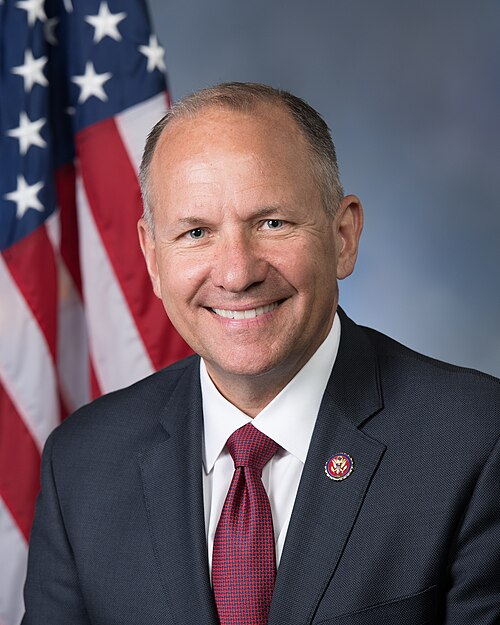
2 bill sponsors

Actions
4 actions
| Date | Action |
|---|---|
| Jul. 01, 2026 | Committee Consideration and Mark-up Session Held |
| Jul. 01, 2026 | Ordered to be Reported in the Nature of a Substitute by the Yeas and Nays: 25 - 15. |
| Jun. 29, 2026 | Introduced in House |
| Jun. 29, 2026 | Referred to the House Committee on Ways and Means. |
Corporate Lobbying
0 companies lobbying
None found.
* Note that there can be significant delays in lobbying disclosures, and our data may be incomplete.
Potentially Relevant Congressional Stock Trades
No relevant congressional stock trades found.