
H.R. 9497: Water Resources Development Act of 2026
This bill makes a broad set of changes to federal water resources, navigation, flood control, and related infrastructure programs, especially those run by the U.S. Army Corps of Engineers. It would create or expand many project authorities, update planning and permitting rules, and increase funding limits for a large number of specific projects around the country.
What the bill would change overall
The bill would give the Corps new or expanded offices and responsibilities for areas such as inland navigation, water supply, drought resilience, outreach, and alternative project delivery. It would also push the Corps to use contracting more efficiently and to update internal policies and procedures.
In addition, the bill would make it easier and faster to move forward with certain Corps projects by:
- Expediting feasibility studies and setting deadlines for reports
- Expanding electronic tracking and recordkeeping for permits
- Creating or updating categorical permitting rules
- Modifying review and approval procedures for some water projects
Flood control, drought resilience, and water supply
The bill would expand federal support for flood-risk reduction, drought resilience, water supply, and stormwater management. It directs the Corps to take a broader view of flood risk by considering multiple causes of flooding and by giving more attention to nonstructural solutions, such as changes in land use, property elevation, or other methods that reduce damage without relying only on dams or levees.
It also creates or extends continuing authority programs for flood and drought resilience projects, with limits on how much the federal government can pay and how much nonfederal partners may contribute, including for cost overruns in some cases.
The bill would update or expand programs related to levees, dam safety, reservoirs, and flood mitigation, and it would require studies or reporting on barriers to prioritizing high-hazard dam projects.
Navigation, dredging, and inland waterways
The bill would expand support for navigation projects, inland waterways, harbors, and dredging. It would update rules and policies related to dredged material, appraisals, and real-estate handling, and it would require new planning for where dredged material can be placed or reused.
It also includes provisions affecting Missouri River diversions and other navigation-related issues, and it would authorize or modify a number of specific navigation and dredging projects.
Environmental restoration and contaminated sediments
The bill would authorize many ecosystem restoration and environmental cleanup projects, including projects involving contaminated sediments, shoreline restoration, wetlands, and basin-wide environmental work. It also includes a liability protection provision for the Corps related to approved contaminated-sediment cleanup plans, under certain conditions.
Several provisions would require studies, assessments, or reports on sediment use, contaminated sediments, lake and reservoir conditions, and environmental restoration needs.
Permitting, review, and transparency
The bill would make permitting and project review more streamlined in some areas. It expands electronic permit tracking and recordkeeping, directs definitions and permitting rules to be updated, and requires more reporting and transparency on Corps policies and project progress.
It also mandates policy updates for the Corps, realigns some district responsibilities, and increases reporting on feasibility studies, project schedules, and implementation status.
Specific project authorizations and funding changes
A major portion of the bill is a large list of individual water projects, land transfers, and authorizations across the country. These include projects for:
- Flood and storm risk management
- Navigation and harbor improvements
- Water supply and wastewater infrastructure
- Stormwater systems
- Environmental restoration
- Recreation and shoreline protection
- Tribal water and irrigation projects
For many of these projects, the bill would raise authorization caps, extend deadlines, modify cost-sharing requirements, or make other changes to keep the projects moving. It also authorizes several land conveyances and exchanges, often with restrictions on future use or reversion provisions if conditions are not met.
Studies, reports, and administrative actions
The bill contains many requirements for additional studies and reports by the Corps, GAO, FEMA, and other agencies. These cover topics such as emergency navigation, recreational use, inland waterways, dredging needs, reservoirs, tribal issues, flood control, and post-disaster assessments.
It also requires updates to manuals, recapitalization plans for dredging equipment, basin studies, and other technical documents. Some existing project studies would be modified, accelerated, or completed under new deadlines.
Dam safety and related programs
The bill would amend dam safety law by extending program dates and removing references to low-head dams. It also asks FEMA to study how projects for high-hazard dams are prioritized.
Relevant Companies
None found
This is an AI-generated summary of the bill text. There may be mistakes.
Sponsors
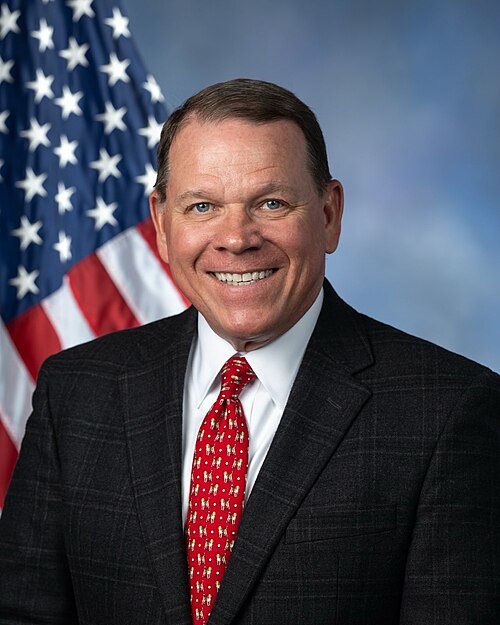
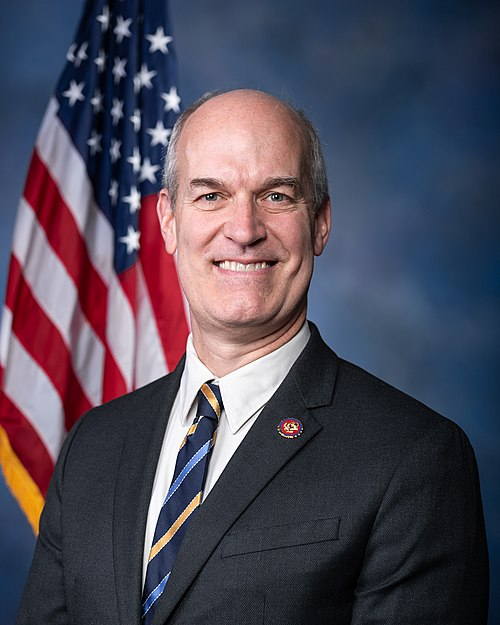
4 bill sponsors


Actions
17 actions
| Date | Action |
|---|---|
| Sep. 17, 2026 | Received in the Senate. |
| Sep. 16, 2026 | At the conclusion of debate, the Yeas and Nays were demanded and ordered. Pursuant to the provisions of clause 8, rule XX, the Chair announced that further proceedings on the motion would be postponed. |
| Sep. 16, 2026 | Considered as unfinished business. (consideration: CR H5959-5960) |
| Sep. 16, 2026 | Considered under suspension of the rules. (consideration: CR H5850-5893) |
| Sep. 16, 2026 | DEBATE - The House proceeded with forty minutes of debate on H.R. 9497. |
| Sep. 16, 2026 | Motion to reconsider laid on the table Agreed to without objection. |
| Sep. 16, 2026 | Mr. Graves moved to suspend the rules and pass the bill, as amended. |
| Sep. 16, 2026 | On motion to suspend the rules and pass the bill, as amended Agreed to by the Yeas and Nays: (2/3 required): 415 - 9 (Roll no. 313). (text: CR H5850-5888) |
| Sep. 16, 2026 | Passed/agreed to in House: On motion to suspend the rules and pass the bill, as amended Agreed to by the Yeas and Nays: (2/3 required): 415 - 9 (Roll no. 313). |
| Sep. 03, 2026 | Placed on the Union Calendar, Calendar No. 695. |
| Sep. 03, 2026 | Reported (Amended) by the Committee on Transportation and Infrastructure. H. Rept. 119-795. |
| Jul. 14, 2026 | Committee Consideration and Mark-up Session Held |
| Jul. 14, 2026 | Ordered to be Reported (Amended) by the Yeas and Nays: 66 - 0. |
| Jul. 14, 2026 | Subcommittee on Water Resources and Environment Discharged |
| Jun. 30, 2026 | Referred to the Subcommittee on Water Resources and Environment. |
| Jun. 29, 2026 | Introduced in House |
| Jun. 29, 2026 | Referred to the House Committee on Transportation and Infrastructure. |
Corporate Lobbying
0 companies lobbying
None found.
* Note that there can be significant delays in lobbying disclosures, and our data may be incomplete.
Potentially Relevant Congressional Stock Trades
No relevant congressional stock trades found.