H.R. 9474: Local Foods for Healthy Schools Act of 2026
This bill would create a new Local Foods for Healthy Schools Program within the U.S. Department of Agriculture.
What the program would do
The Secretary of Agriculture would set up cooperative agreements with certain state or territorial government agencies that handle agriculture, child nutrition, procurement, or food distribution. Those agencies could then use federal funds to:
- buy local foods from nearby producers, and
- help get those foods to schools in their area.
How the money could be used
Under the program, participating government agencies would have to use the funds in one of two ways:
- buy local foods themselves and distribute them to interested school food authorities, or
- give the funds to school food authorities so they can buy local foods directly.
Up to 5% of the money could be set aside for administration, training, technical assistance, oversight, reporting, and paying some food safety certification costs for producers.
Who could participate
The bill defines eligible schools as those taking part in the federal school lunch or school breakfast programs. It defines local food producers broadly to include farmers, ranchers, processors, distributors, and similar food businesses that are either:
- located in the same state as the participating government agency,
- within 400 miles of the school food authority, or
- meeting another requirement approved by the Secretary of Agriculture.
“Local foods” would include minimally processed agricultural products such as fresh, frozen, canned, dried, cut, or pureed foods.
Application and planning requirements
To receive funds, an eligible government agency would have to apply to USDA and include a plan that identifies:
- the lead agency in charge,
- any community partners, including aggregators,
- how the funds would be used, and
- how the program would, where possible, buy and distribute a wide variety of local foods.
The agency would also have to promise that the federal money would supplement, not replace, state funding for local foods in schools, and that it has systems in place to move money or food efficiently to the right recipients.
Allocation of funds
USDA would create a formula for dividing the money among states. The bill says:
- there would be an equal base amount for each state,
- the rest of the money would be divided based on the number of students receiving school meals, and
- unused funds could be taken back and reallocated.
No more than 30% of the total funds could be used for the equal base amount shared by states.
Reporting and public disclosure
Participating agencies would have to report on their purchases and distributions within 90 days after USDA requires the funds to be spent. The reports would need to include information such as the amount spent, the covered producer receiving the funds, and the local foods purchased. Those reports would also have to be posted publicly on the state education agency’s website.
Funding
The bill would make $200 million per year available from the Commodity Credit Corporation starting in fiscal year 2026. It also authorizes another $200 million per year in appropriations. USDA could use up to 0.5% of the total for federal administrative costs.
Relevant Companies
None found
This is an AI-generated summary of the bill text. There may be mistakes.
Sponsors
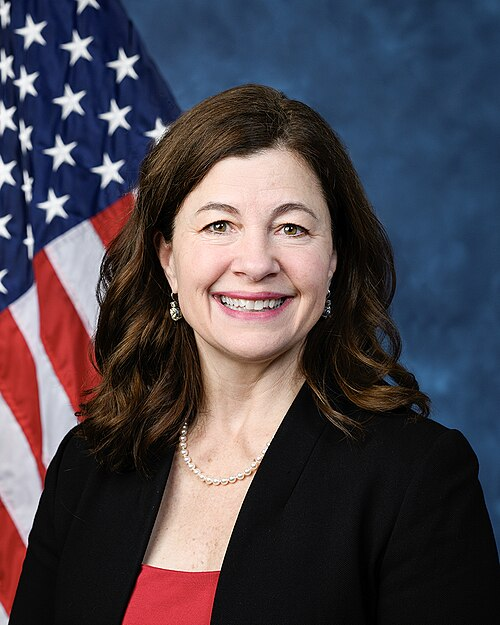
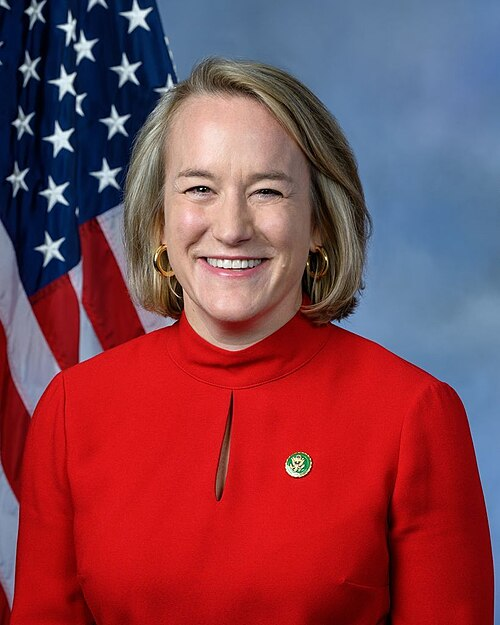
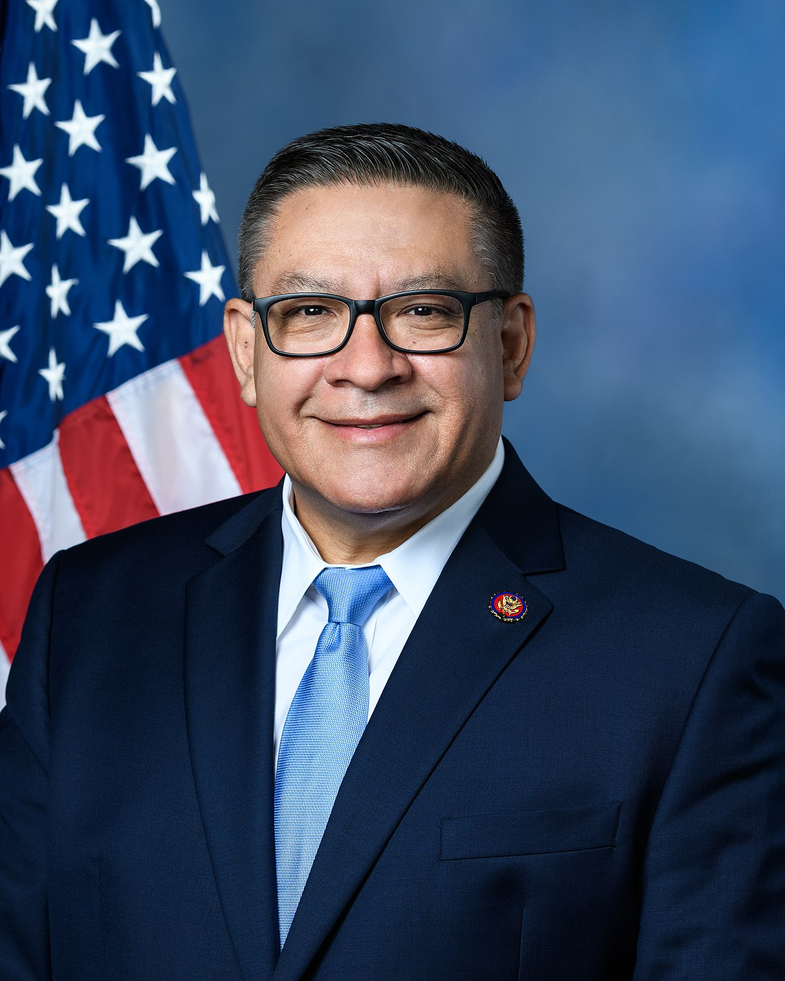
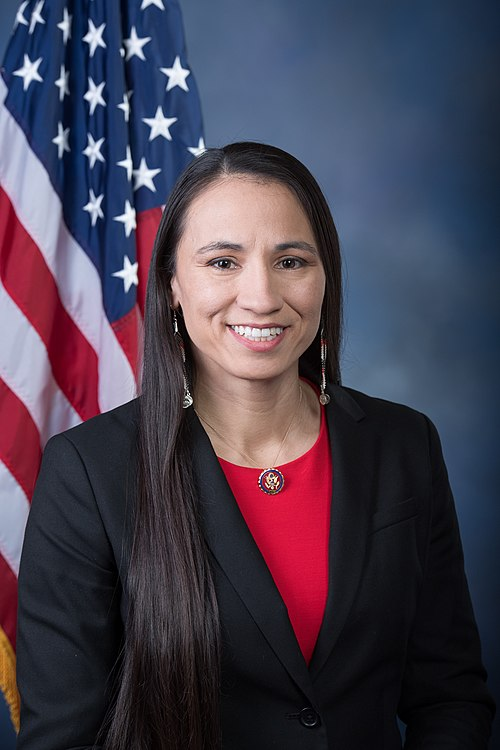
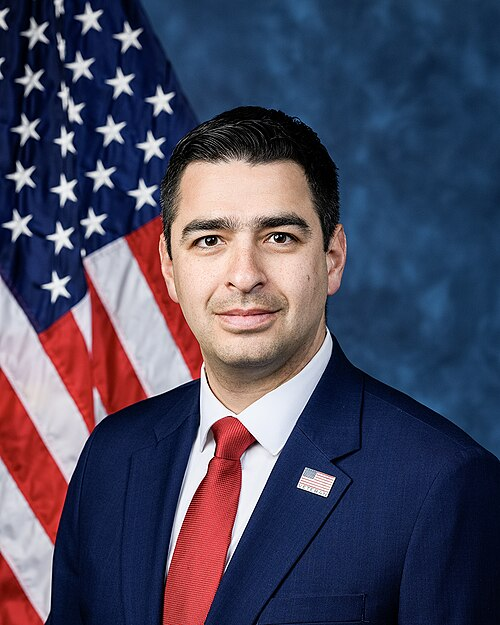
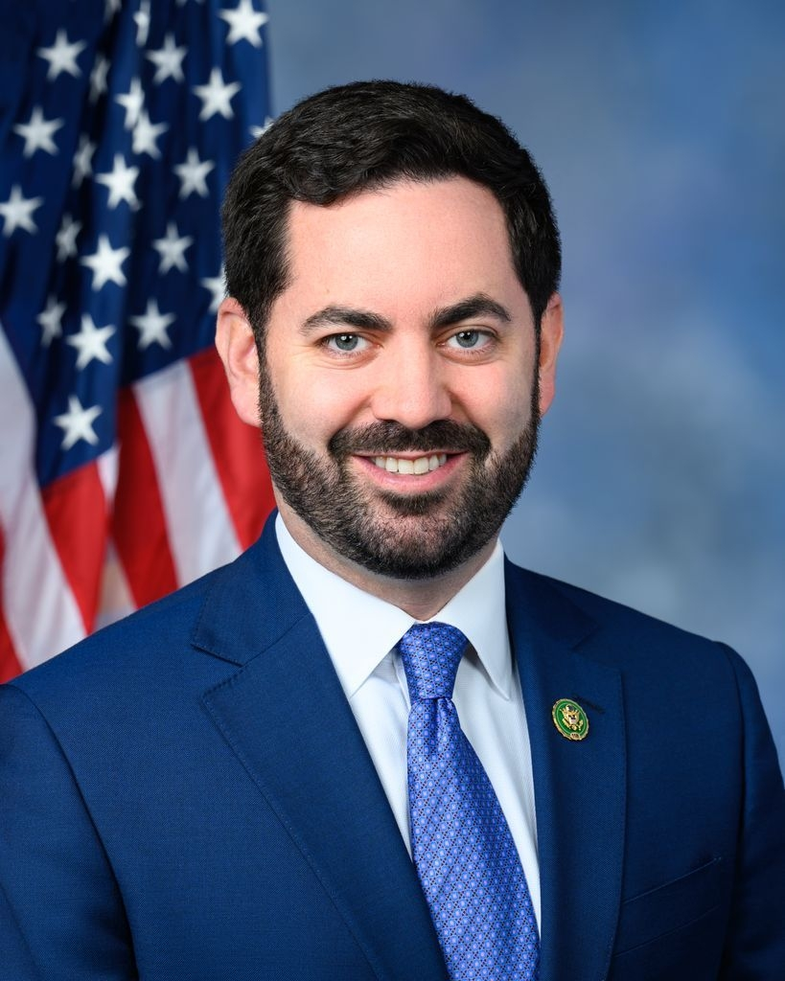
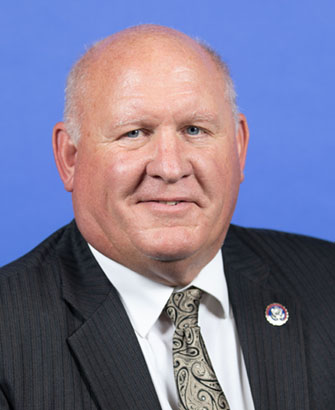
8 bill sponsors

Actions
2 actions
| Date | Action |
|---|---|
| Jun. 25, 2026 | Introduced in House |
| Jun. 25, 2026 | Referred to the House Committee on Agriculture. |
Corporate Lobbying
0 companies lobbying
None found.
* Note that there can be significant delays in lobbying disclosures, and our data may be incomplete.
Potentially Relevant Congressional Stock Trades
No relevant congressional stock trades found.