
H.R. 9454: Next Generation Shipping Act
This bill would create a new federal program to help develop zero-emission ships and the infrastructure needed to use them. In practical terms, it would direct the Secretary of Transportation to set up the Next Generation Shipping Innovation Program, which would support research, design, development, demonstration, and deployment of cleaner vessel technologies.
What the program would fund
The program could provide financial support such as:
- Grants
- Low-interest loans
- Loan guarantees
Eligible projects would include work on:
- Zero-emission vessels
- Vessels that use clean alternative fuels
- Efficiency technologies for ships, such as wind-assist systems and noise-reduction tools
- Shore power and related ship technology
- Fueling, bunkering, storage, and charging infrastructure for these vessels
Who could apply
The bill defines eligible applicants broadly. They could include U.S. vessel owners and operators, U.S. ship manufacturers, manufacturers of supporting components and materials, port authorities, terminal operators, certain academic and nonprofit partners, and some labor-training nonprofits. Foreign governments would not be eligible.
How projects would be chosen
The Secretary would be directed to prioritize projects that:
- Improve the efficiency and reliability of zero-emission ship technology
- Reduce costs
- Strengthen supporting components, materials, and infrastructure
- Reduce underwater noise
- Provide environmental co-benefits
- Support offshore renewable energy-related maritime uses
- Use project labor agreements or community benefits agreements
- Advance environmental justice and involve affected communities
- Support workforce training and development
Workforce and labor provisions
The bill places several labor-related requirements and preferences into the program. Construction, installation, repair, and similar work funded under the program would have to pay prevailing wages. The bill also emphasizes workforce training for people who will build, operate, or maintain zero-emission ships and related infrastructure.
Transparency and coordination
The Department of Transportation would have to post each year on its website the applications submitted for funding, including those selected and not selected. The bill also directs the department to coordinate with other federal agencies, use existing programs and resources where possible, and seek input from environmental justice communities and environmental organizations.
Funding
The bill authorizes $1 billion per year from fiscal years 2027 through 2036 to carry out the program. The Department could use up to 10% of those funds for administrative costs.
Advisory committee
The bill would also create a Next Generation Shipping Advisory Committee within 180 days of enactment. This committee would have at least 15 members representing federal agencies, labor, researchers, environmental justice groups, environmental organizations, the maritime industry, zero-emission fuel businesses, states, and ports.
The committee would advise the Secretary and Maritime Administrator by:
- Identifying and evaluating new zero-emission vessel technologies
- Finding gaps in current technology
- Studying barriers to adoption
- Recommending criteria for supported projects
- Setting near-term and long-term goals
It would meet at least twice a year and submit periodic reports on progress, including whether the program is helping create commercial, cost-competitive zero-emission ship technologies.
What the bill would not allow
Even though the bill supports advanced ship technology, it specifically forbids the use of program funds for the study, design, implementation, or installation of automated vessels, automated vessel operating systems, or automated cargo-handling systems.
Relevant Companies
- OSK — Oshkosh is not directly a maritime company, so no likely direct impact found.
This is an AI-generated summary of the bill text. There may be mistakes.
Sponsors
9 bill sponsors
-
TrackNanette Diaz Barragán

Sponsor
-
TrackSuzanne Bonamici
Co-Sponsor
-
TrackAndré Carson
Co-Sponsor
-
TrackTroy A. Carter
Co-Sponsor
-
TrackSean Casten
Co-Sponsor
-
TrackSeth Magaziner
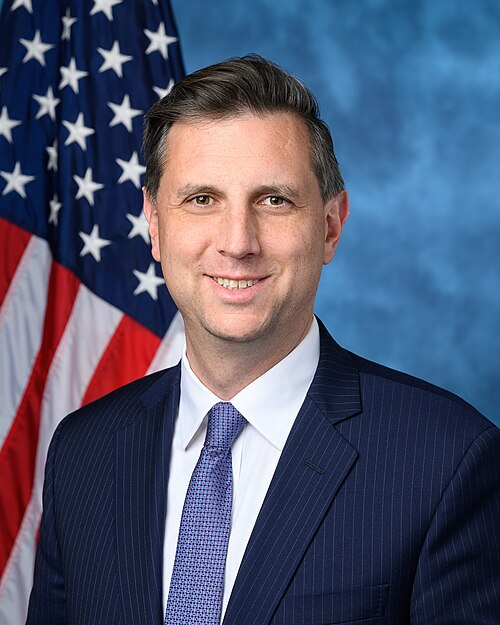
Co-Sponsor
-
TrackKevin Mullin
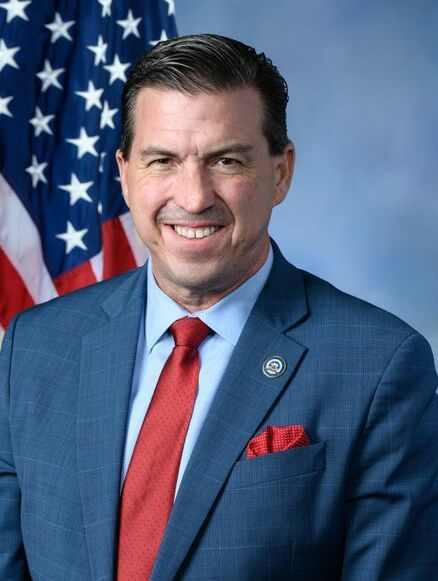
Co-Sponsor
-
TrackEleanor Holmes Norton

Co-Sponsor
-
TrackDebbie Wasserman Schultz
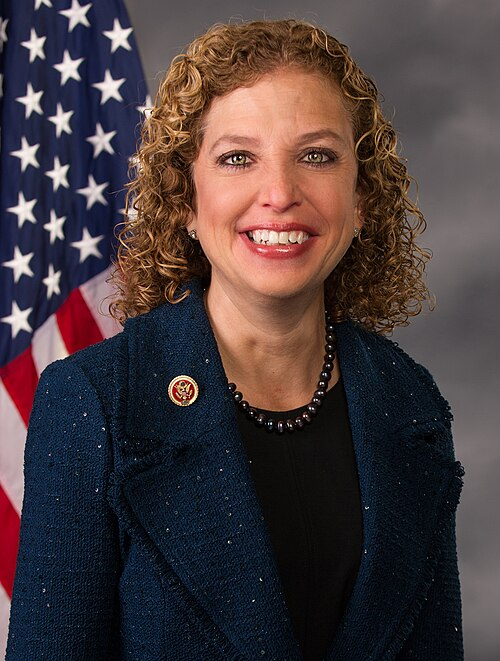
Co-Sponsor
Actions
2 actions
| Date | Action |
|---|---|
| Jun. 25, 2026 | Introduced in House |
| Jun. 25, 2026 | Referred to the Committee on Science, Space, and Technology, and in addition to the Committee on Transportation and Infrastructure, for a period to be subsequently determined by the Speaker, in each case for consideration of such provisions as fall within the jurisdiction of the committee concerned. |
Corporate Lobbying
0 companies lobbying
None found.
* Note that there can be significant delays in lobbying disclosures, and our data may be incomplete.