
H.R. 9452: Budgeting for a Better America Act
The bill would change how Congress handles budgeting by moving from a yearly budget process to a two-year, or biennial, budget cycle. In practical terms, this means the House would no longer adopt a budget every year under the same process, but instead would follow a schedule based on a two-year budget resolution. The bill also updates a number of budget deadlines and procedures so they fit that new cycle.
Budget process changes
The bill revises when and how Congress considers budget resolutions, reports, and related fiscal actions. It adds requirements for more regular budget-related reporting and analysis, including information on long-term obligations and other fiscal trends that affect the government’s finances over time. It also requires additional budget briefings for members of Congress and more fiscal hearings as part of the process.
The President would be required to submit a supplemental budget under certain circumstances, giving Congress an additional updated budget request beyond the regular annual submission.
Fiscal commission and deficit-reduction package
The bill creates an 18-member fiscal commission charged with developing proposals to reduce the deficit. The commission would draft recommendations intended to address the federal government’s fiscal challenges. Those recommendations would be packaged into a joint resolution for Congress to consider.
The joint resolution tied to the commission would receive special expedited treatment in Congress. This means it would be considered under fast-track procedures designed to limit delays and make it easier for the chamber to bring the measure to a vote.
Fast-track consideration rules
For the commission’s joint resolution, the bill sets up procedures such as:
- Limited or no debate on the floor
- No amendments allowed
- Waived procedural objections that might otherwise block consideration
- Deadlines for committee action
- Required final votes in both the House and Senate
These rules are meant to ensure that Congress must quickly take up the commission’s recommendations without the usual ability to modify them extensively.
House budget committee and related procedures
The bill also makes changes to the membership and operation of the House Budget Committee. In addition, it adds more detailed reporting and review steps within the budget process so lawmakers can better assess the government’s financial outlook, including long-term commitments and liabilities.
Overall effect
Overall, the bill would reorganize congressional budgeting around a two-year cycle, require more fiscal reporting and analysis, and create a commission to propose deficit-reduction measures that Congress would have to consider quickly under special procedures.
Relevant Companies
None found
This is an AI-generated summary of the bill text. There may be mistakes.
Sponsors
17 bill sponsors
-
TrackSteve Womack

Sponsor
-
TrackKen Calvert

Co-Sponsor
-
TrackEd Case

Co-Sponsor
-
TrackTom Cole

Co-Sponsor
-
TrackDonald G. Davis

Co-Sponsor
-
TrackCharles J. "Chuck" Fleischmann

Co-Sponsor
-
TrackJared F. Golden

Co-Sponsor
-
TrackBrett Guthrie

Co-Sponsor
-
TrackBill Huizenga
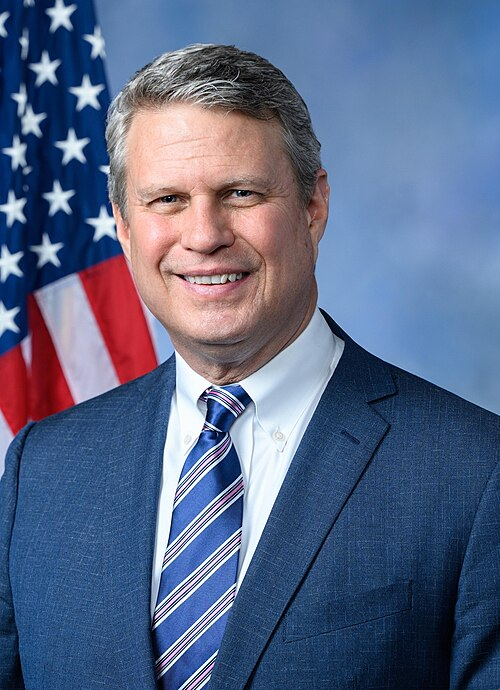
Co-Sponsor
-
TrackMichael T. McCaul

Co-Sponsor
-
TrackJimmy Panetta
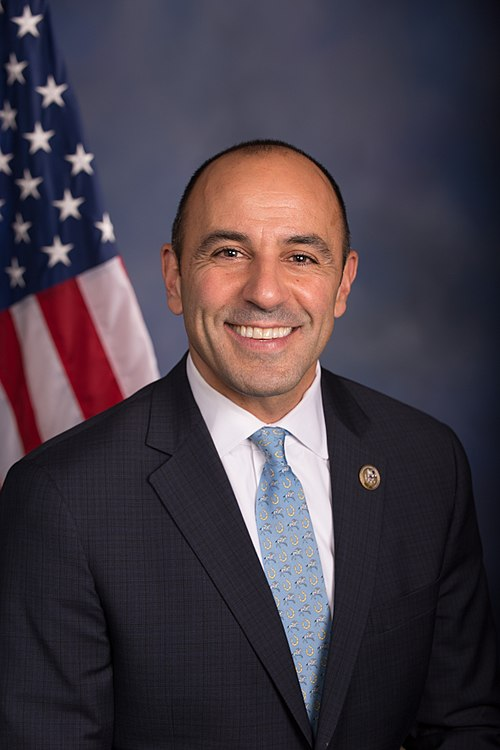
Co-Sponsor
-
TrackScott H. Peters

Co-Sponsor
-
TrackHarold Rogers

Co-Sponsor
-
TrackPete Sessions

Co-Sponsor
-
TrackJefferson Shreve

Co-Sponsor
-
TrackAdrian Smith

Co-Sponsor
-
TrackDavid G. Valadao

Co-Sponsor
Actions
2 actions
| Date | Action |
|---|---|
| Jun. 24, 2026 | Introduced in House |
| Jun. 24, 2026 | Referred to the Committee on the Budget, and in addition to the Committee on Rules, for a period to be subsequently determined by the Speaker, in each case for consideration of such provisions as fall within the jurisdiction of the committee concerned. |
Corporate Lobbying
0 companies lobbying
None found.
* Note that there can be significant delays in lobbying disclosures, and our data may be incomplete.
Potentially Relevant Congressional Stock Trades
No relevant congressional stock trades found.