H.R. 9440: State Firearms Dealer Licensing Enhancement Act
This bill would create a new federal grant program to help states and tribal governments develop, carry out, improve, or review their firearms dealer licensing systems.
What the grant program would do
- The Attorney General could award competitive annual grants to eligible states and tribal governments.
- The grants would support work on firearms dealer licensing programs, including creating new systems, improving existing ones, or evaluating how they work.
- States receiving grants could pass some of the money through to local governments that help oversee or enforce the licensing program.
Who could receive the grants
Only a state or Indian tribal government with a law already in place that meets certain minimum standards would be eligible. The law would have to require, at a minimum, that:
- Anyone operating as a firearms dealer in that jurisdiction must be licensed.
- Licenses are issued only after the applicant completes the required application process.
- Dealer licenses last no more than 3 years.
- Licensed dealers must submit to inspections under state or tribal law.
- If a dealer does not comply with the law, the government may suspend or revoke the license and may also impose civil penalties or criminal charges.
How the grants could be used
The bill says applicants would need to explain their licensing law, how they plan to use the grant money, and what inspection systems they have in place. The grants could be used for things like licensing administration, inspection procedures, and program evaluation.
Reporting and oversight
Recipients would have to submit annual reports to the Attorney General showing:
- How many inspections were conducted;
- How many violations were cited, by type;
- How many firearms dealers were licensed at the end of the year; and
- How many licenses were issued, renewed, suspended, or revoked during the year.
The Attorney General would also have to send Congress and post publicly an annual report listing:
- Which applicants received grants and how much they got;
- The inspection and enforcement data reported by grantees; and
- Which applicants were denied grants and why.
Funding limit
Each grant could not exceed $2.5 million per fiscal year. The bill also authorizes whatever sums are needed to fund the program.
Relevant Companies
None found
This is an AI-generated summary of the bill text. There may be mistakes.
Sponsors
17 bill sponsors
-
TrackJoseph D. Morelle
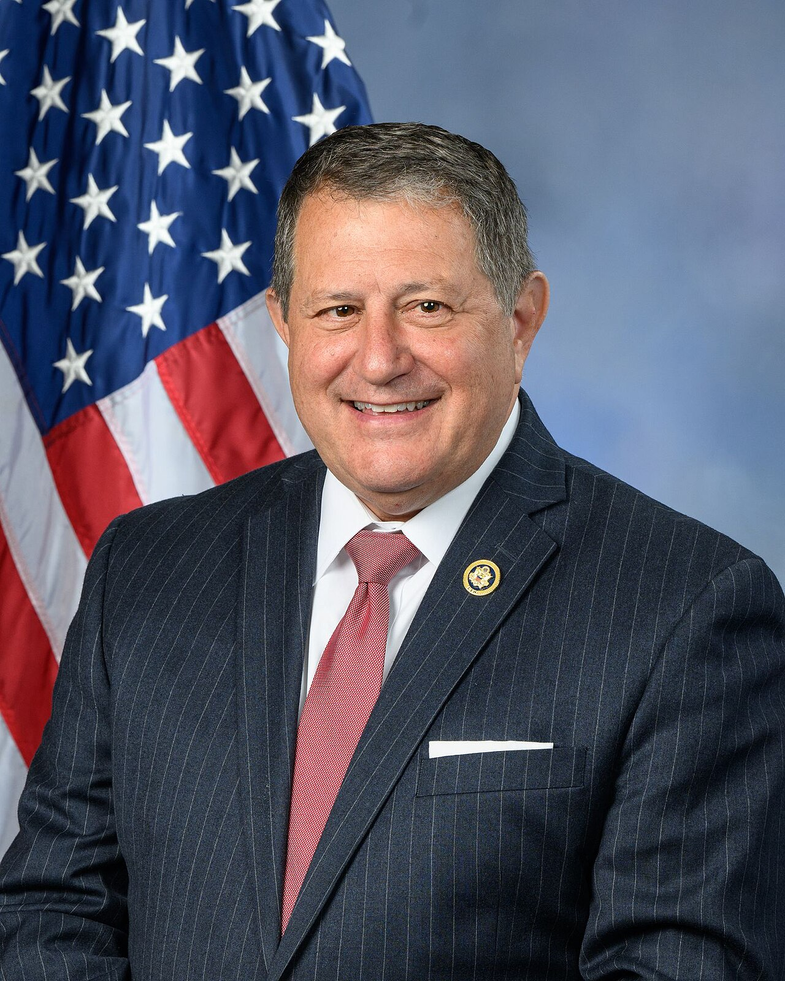
Sponsor
-
TrackSalud O. Carbajal
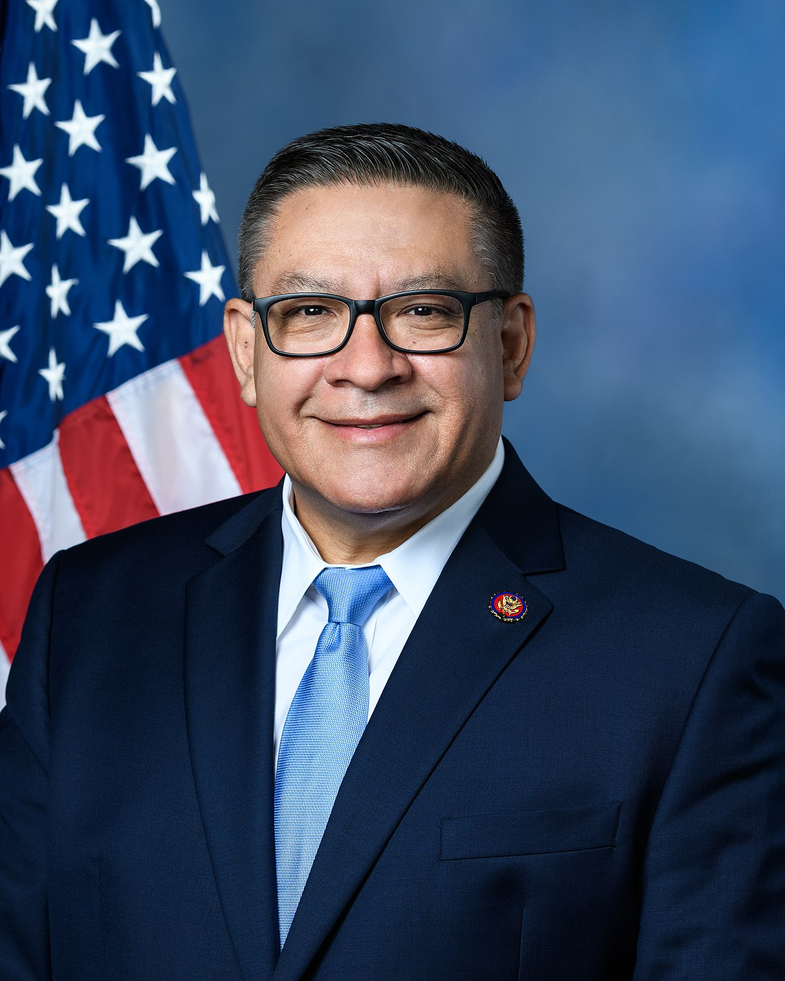
Co-Sponsor
-
TrackEd Case
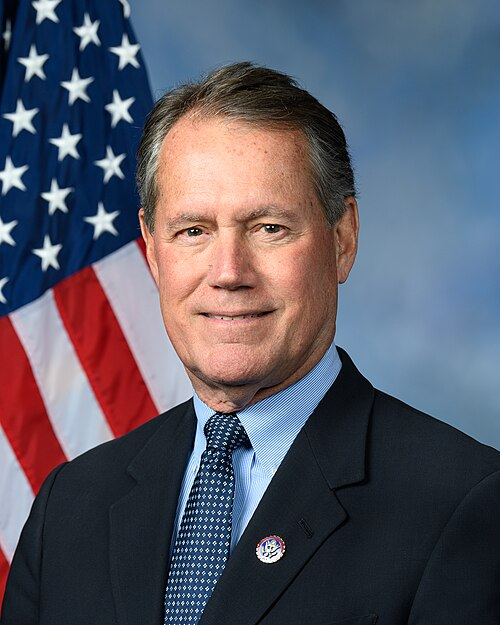
Co-Sponsor
-
TrackGilbert Ray Cisneros, Jr.
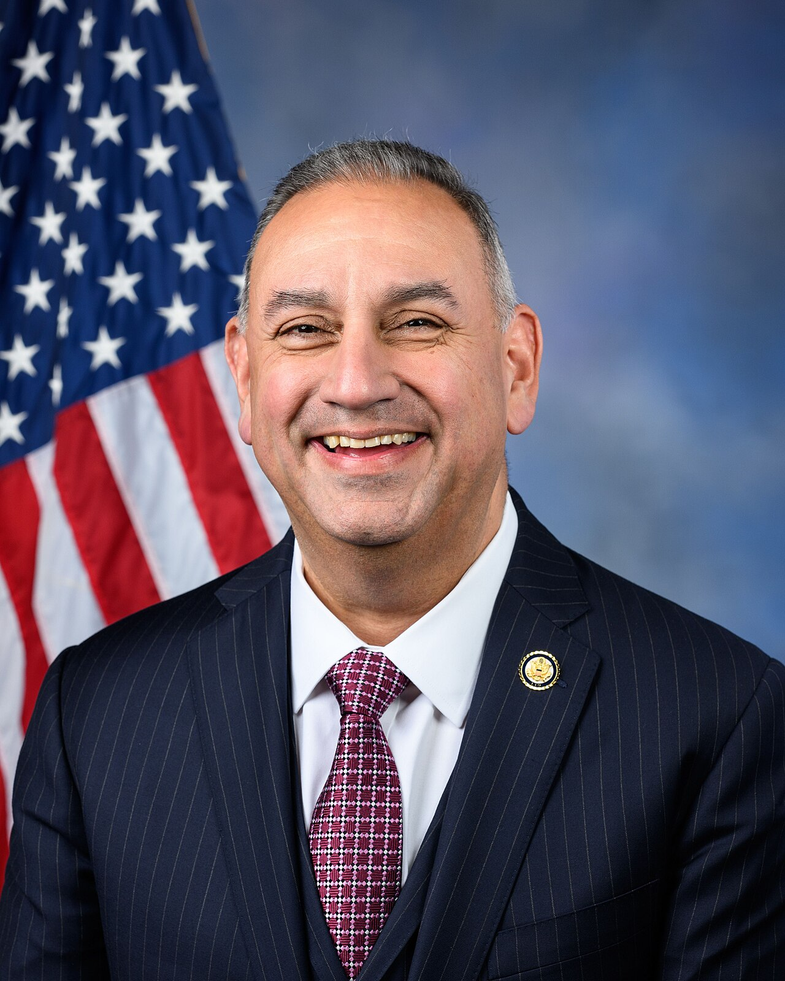
Co-Sponsor
-
TrackAngie Craig
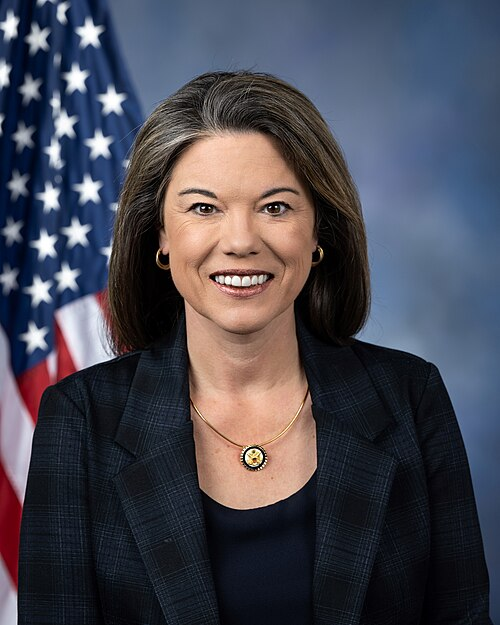
Co-Sponsor
-
TrackDanny K. Davis
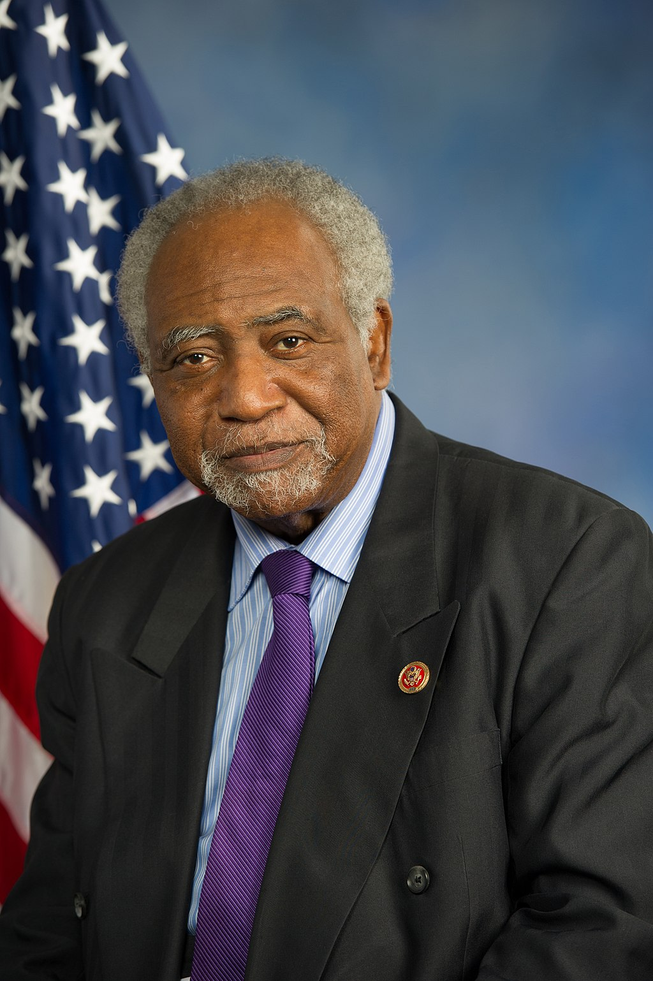
Co-Sponsor
-
TrackMark DeSaulnier
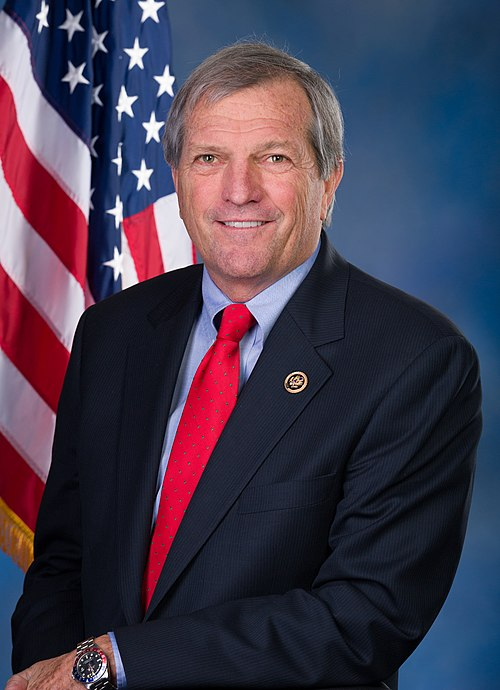
Co-Sponsor
-
TrackValerie P. Foushee
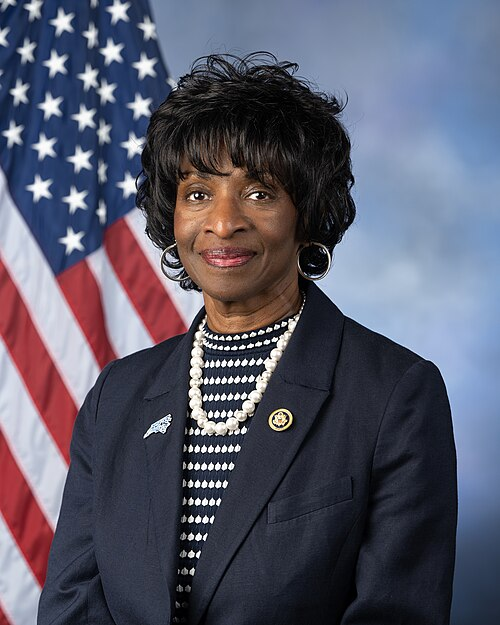
Co-Sponsor
-
TrackRobin L. Kelly
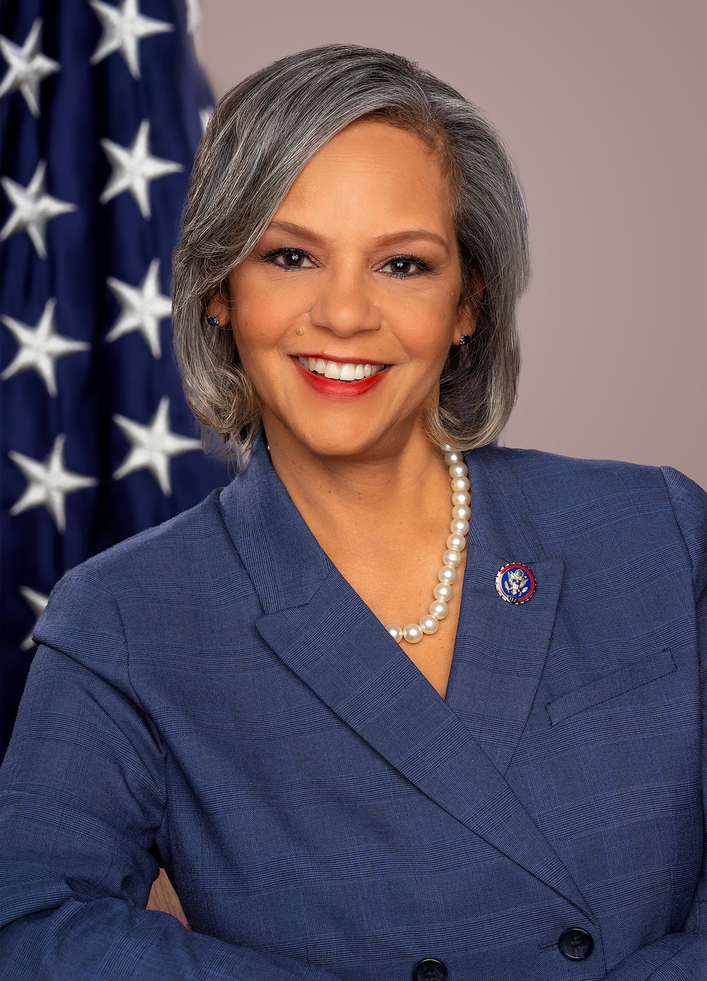
Co-Sponsor
-
TrackEleanor Holmes Norton
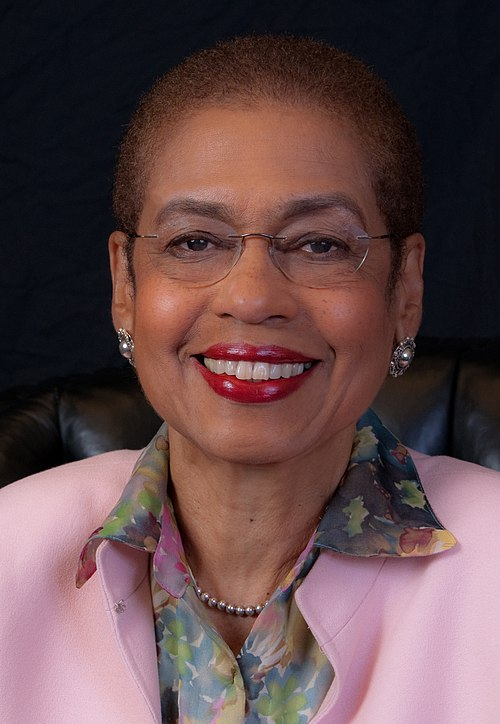
Co-Sponsor
-
TrackMike Quigley
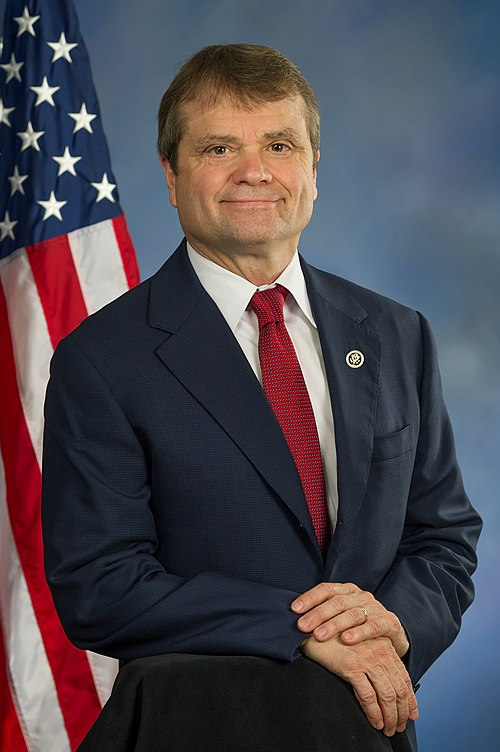
Co-Sponsor
-
TrackJanice D. Schakowsky
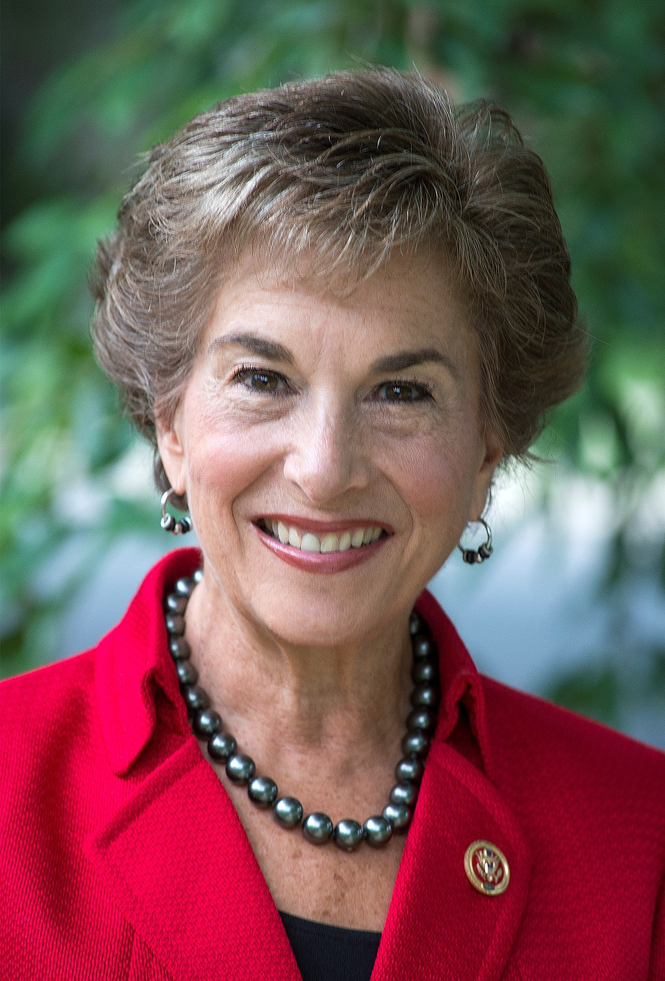
Co-Sponsor
-
TrackMarilyn Strickland
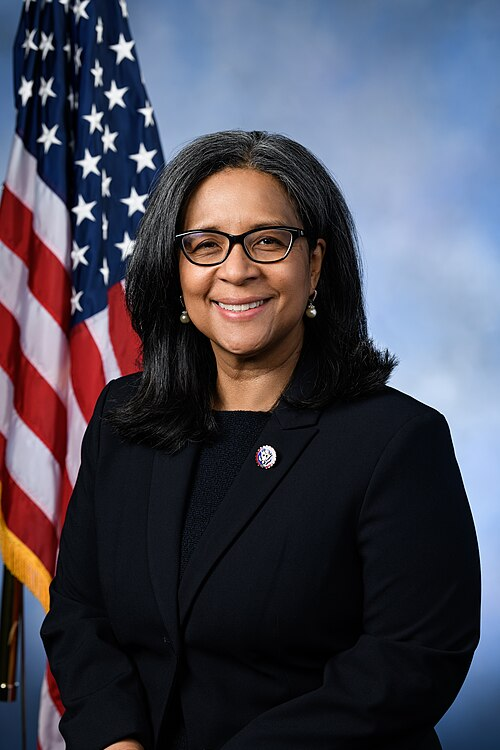
Co-Sponsor
-
TrackShri Thanedar
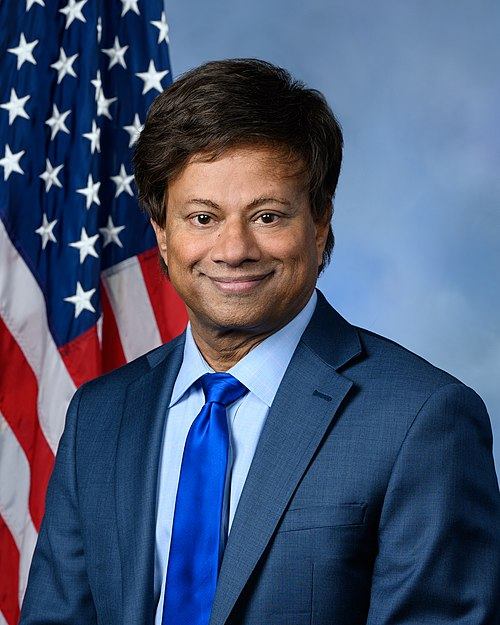
Co-Sponsor
-
TrackDina Titus
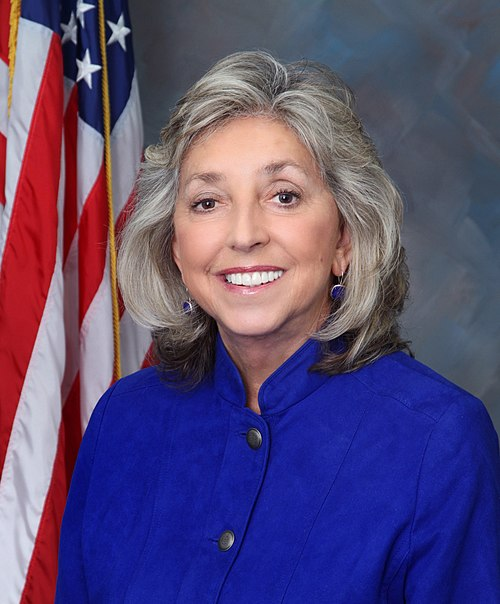
Co-Sponsor
-
TrackRashida Tlaib
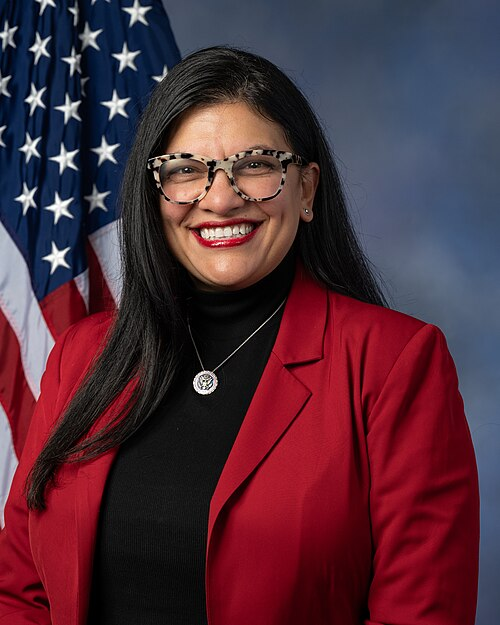
Co-Sponsor
-
TrackJill N. Tokuda
Co-Sponsor
Actions
2 actions
| Date | Action |
|---|---|
| Jun. 24, 2026 | Introduced in House |
| Jun. 24, 2026 | Referred to the House Committee on the Judiciary. |
Corporate Lobbying
0 companies lobbying
None found.
* Note that there can be significant delays in lobbying disclosures, and our data may be incomplete.
Potentially Relevant Congressional Stock Trades
No relevant congressional stock trades found.