
H.R. 9437: Right to Vote Act
This bill would create a new federal voting-rights law for elections for federal office. It says that every U.S. citizen of legal voting age has a fundamental right to vote in those elections.
What kinds of voting rules it would limit
The bill would restrict government actions that make voting harder in two main ways:
- “Retrogression”: A government could not reduce people’s ability to vote unless the change is the least restrictive way to significantly advance an important, specific government interest.
- “Substantial impairment”: A government could not significantly make voting harder unless the change significantly advances an important, specific government interest.
The bill defines a substantial impairment as a real, non-trivial difficulty that makes voting harder, even if people can still vote in the end.
How challenges would work in court
People could sue in federal court if they believe a voting rule violates the bill. They could file in the U.S. District Court for the District of Columbia, or in the district where the alleged violation happened, or where a defendant lives or does business.
The bill directs courts to handle these cases quickly. It also allows courts to issue appropriate relief, including orders stopping a rule or declaring it unlawful.
Legal standards in lawsuits
For challenges based on a voting rule making things harder, the plaintiff would first need to show that the rule diminishes or substantially impairs the ability to vote. If that showing is made, the government would then need to justify the rule with clear and convincing evidence showing that it serves an important, specific government interest. For retrogression claims, even if the government meets that burden, the rule could still be struck down if a less restrictive alternative is available.
Fees and remedies
The bill would allow prevailing parties to seek attorney’s fees under existing federal civil-rights fee rules, which can make it easier for people to bring these cases.
Definitions
The bill applies to federal elections and defines “vote” broadly to include the whole voting process, such as registration, casting a ballot, and having the ballot counted. It applies not only to states, but also to the District of Columbia, Puerto Rico, and U.S. territories and possessions, as well as their officials and subdivisions.
Other provisions
The bill says it should not be read to authorize new burdens on voting, and it does not change other rights or remedies that already exist under state or federal law. It also includes a severability clause, meaning that if one part is struck down in court, the rest would remain in effect.
Effective date
Some parts would apply to voting rules in place for federal elections on or after September 1, 2026, including certain rules adopted after the November 2024 general election.
Relevant Companies
None found.
This is an AI-generated summary of the bill text. There may be mistakes.
Sponsors
26 bill sponsors
-
TrackSummer L. Lee

Sponsor
-
TrackShontel M. Brown

Co-Sponsor
-
TrackAndré Carson
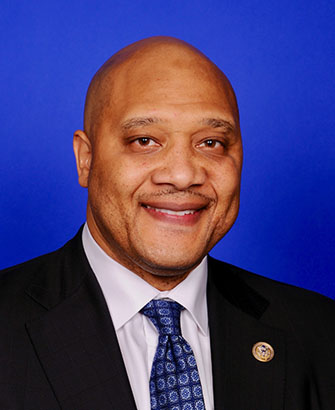
Co-Sponsor
-
TrackGreg Casar

Co-Sponsor
-
TrackAngie Craig

Co-Sponsor
-
TrackChristopher R. Deluzio

Co-Sponsor
-
TrackDwight Evans
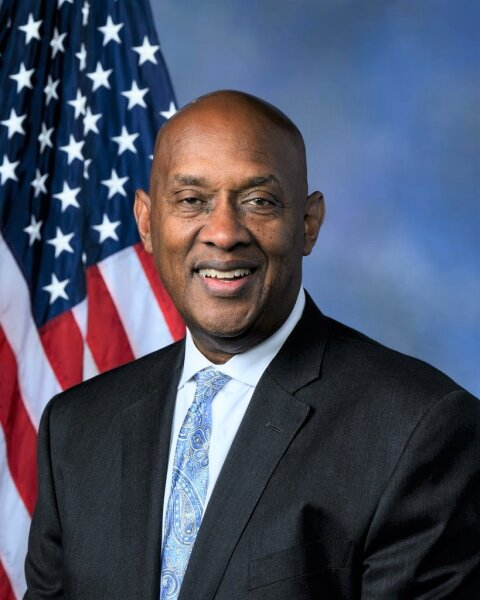
Co-Sponsor
-
TrackMaxwell Frost

Co-Sponsor
-
TrackRobert Garcia
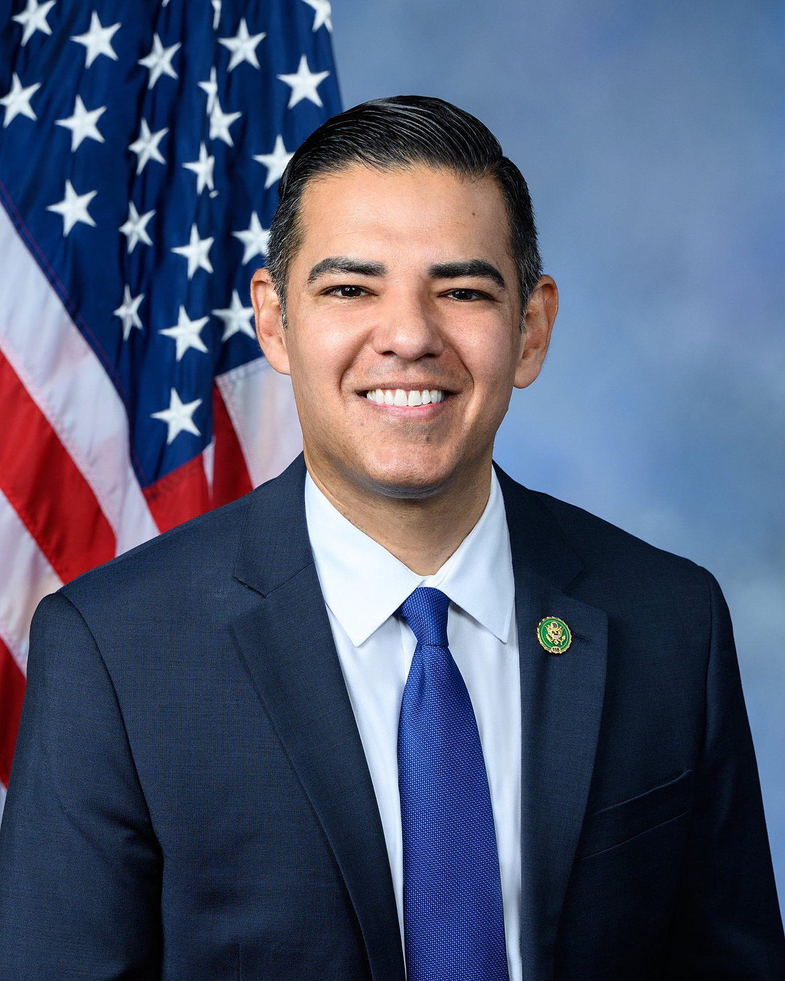
Co-Sponsor
-
TrackJesús G. "Chuy" García

Co-Sponsor
-
TrackAl Green
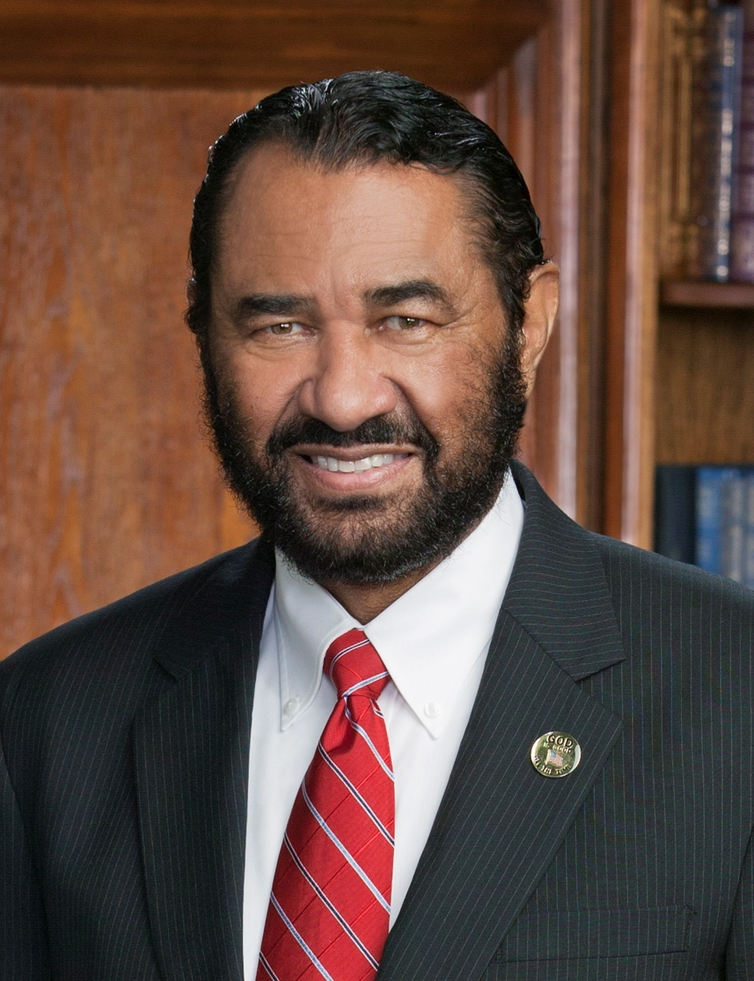
Co-Sponsor
-
TrackJonathan L. Jackson

Co-Sponsor
-
TrackHenry C. "Hank" Johnson, Jr.

Co-Sponsor
-
TrackRaja Krishnamoorthi

Co-Sponsor
-
TrackJennifer L. McClellan
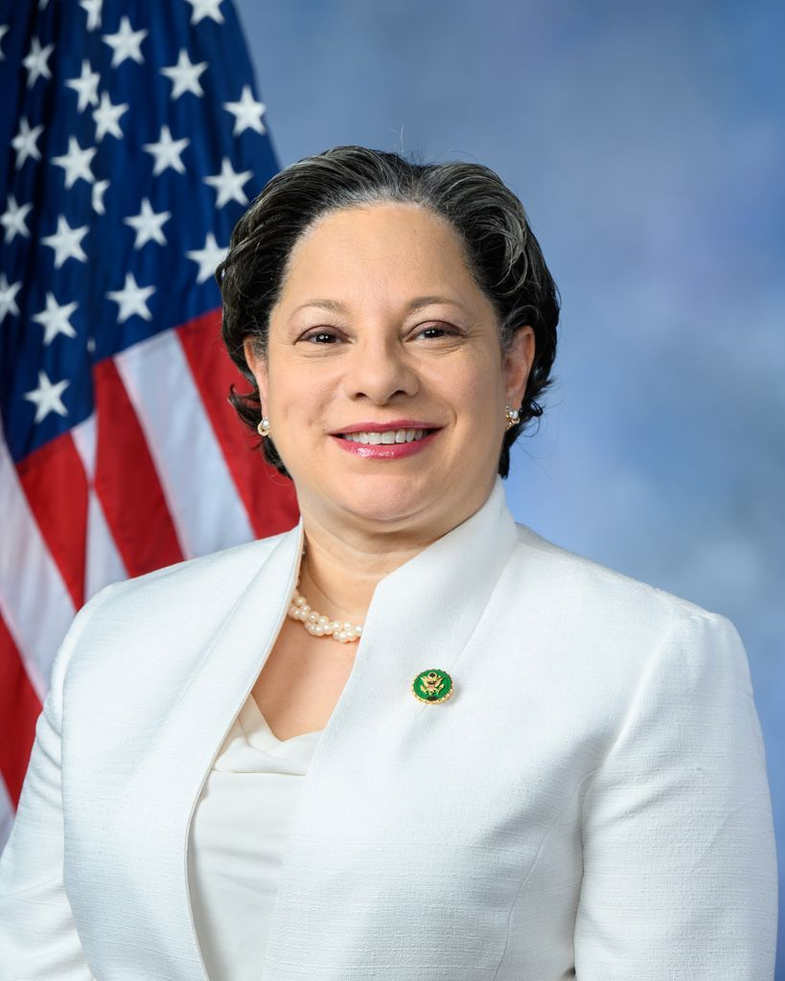
Co-Sponsor
-
TrackJoe Neguse

Co-Sponsor
-
TrackEleanor Holmes Norton

Co-Sponsor
-
TrackIlhan Omar

Co-Sponsor
-
TrackScott H. Peters

Co-Sponsor
-
TrackAyanna Pressley
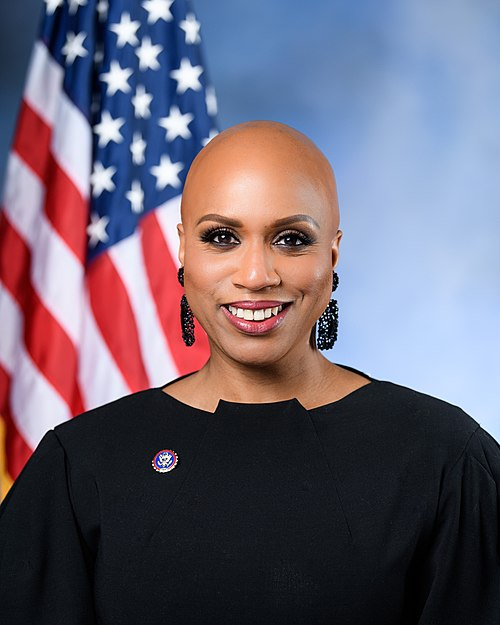
Co-Sponsor
-
TrackDelia C. Ramirez

Co-Sponsor
-
TrackLateefah Simon

Co-Sponsor
-
TrackShri Thanedar
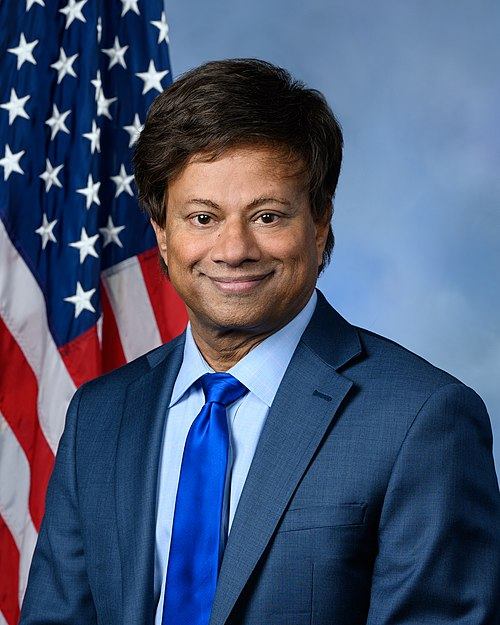
Co-Sponsor
-
TrackRashida Tlaib
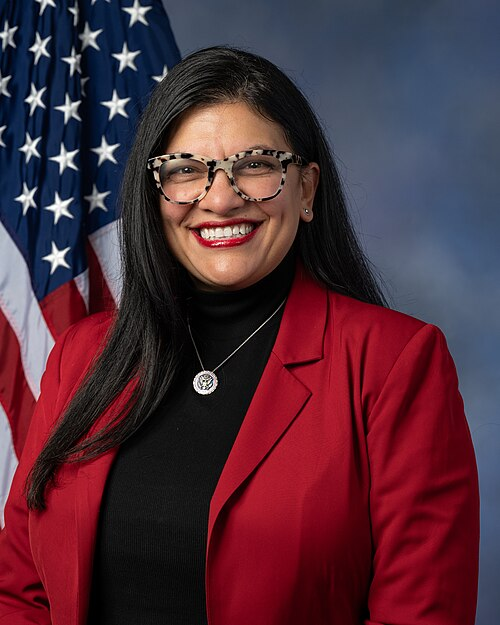
Co-Sponsor
-
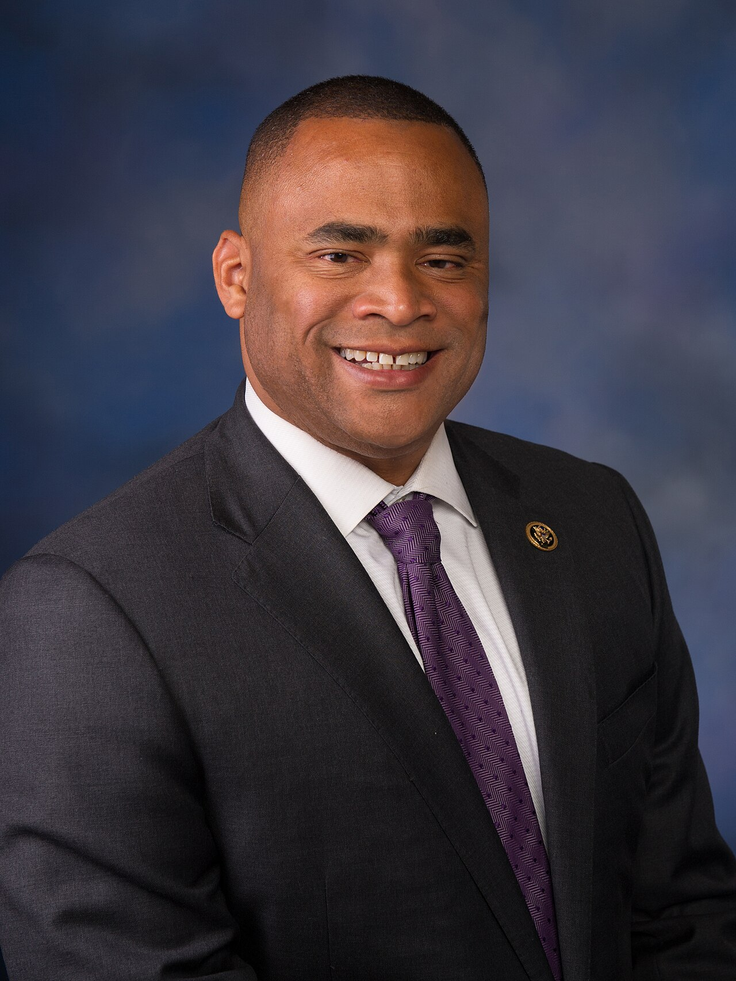
TrackMarc A. Veasey
Co-Sponsor
-
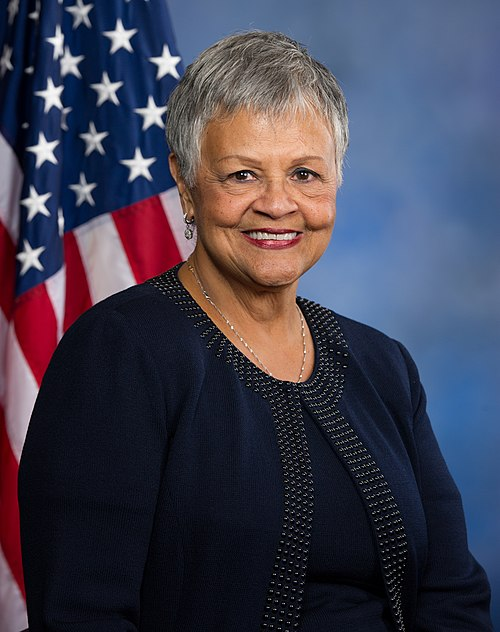
TrackBonnie Watson Coleman
Co-Sponsor
Actions
2 actions
| Date | Action |
|---|---|
| Jun. 24, 2026 | Introduced in House |
| Jun. 24, 2026 | Referred to the House Committee on the Judiciary. |
Corporate Lobbying
0 companies lobbying
None found.
* Note that there can be significant delays in lobbying disclosures, and our data may be incomplete.
Potentially Relevant Congressional Stock Trades
No relevant congressional stock trades found.