H.R. 9430: American Drone Manufacturing Dominance Act of 2026
This bill would change how certain federal grant money can be used by law enforcement agencies for drones, and it would create new programs to replace foreign-made drones with U.S.-made or allied-made systems.
Limits on foreign-made drones for law enforcement grants
Starting in fiscal year 2027, any state, local, tribal, or territorial law enforcement agency that wants to receive certain Justice Department grants would have to certify that:
- it will not buy, lease, or otherwise acquire any drone made in a “covered foreign country” after January 1, 2027; and
- by January 1, 2031, it will stop using or get rid of any drone from a covered foreign country that it already owns or operates.
The Attorney General would write the certification process and could audit recipients to check compliance. If an agency breaks the rules, it would be barred from receiving covered grant funds the next fiscal year and would have to repay grant money awarded for that year.
Support for replacing those drones
The bill would let grant money be used to buy, operate, and maintain drones that are not made, assembled, or sourced from a covered foreign country. When awarding grants, the Attorney General could give priority to agencies that are replacing foreign-made drones with secure systems made in the United States or by allies and partners.
Buyback program for existing drones and parts
The bill would direct the Attorney General to create a buyback program for law enforcement agencies. Under this program, agencies could receive payments for turning in:
- drones made, assembled, or sourced from a covered foreign country; or
- for some drones made elsewhere, critical components that came from a covered foreign country.
The money could also be used to cover program administration and to ensure surrendered drones are securely destroyed, decommissioned, or stored. Agencies using drones in public safety or critical infrastructure operations would get priority for payment.
New DOJ grants for secure drones
The Attorney General, through DOJ grant offices, would have to award grants to help law enforcement agencies buy drones that are not made or assembled in a covered foreign country. These grants could also pay for operator training, certification and licensing, maintenance, software, cybersecurity protections, and integration into public safety operations.
When choosing recipients, the Attorney General would have to prefer agencies that plan to buy:
- drones made in the United States; or
- drones made in Ukraine, a NATO country, a major non-NATO ally, or another qualifying country, as long as they do not include components made in a covered foreign country.
Grants for U.S. drone manufacturing facilities
The bill would also create a competitive grant program at the Commerce Department for private companies that want to build, expand, or modernize U.S. facilities that make drones and drone components.
To qualify, a company would have to make drones or components, propose building or expanding a U.S. facility, and show that the products can be readily adapted for Defense Department use. The bill says that means, for example, that the systems use modular or open architecture, can support secure communications and navigation, and can be modified for intelligence, surveillance, reconnaissance, logistics, or similar defense missions without major redesign.
Grant money could be used for land, construction, equipment, workforce training, supply chain localization, and related research and development. Commerce would have to coordinate with the Defense Department on compatibility with defense needs.
Funding and oversight
The bill authorizes $1.5 billion to come from tariffs collected under Section 301 trade actions. Of that amount:
- $150 million would go to the Justice Department to run the buyback program;
- $150 million would go to the Justice Department to run the secure drone procurement grants; and
- $1.2 billion would go to the Commerce Department for the manufacturing facility grants.
Any of the Justice Department funds that are not used within five years would be rescinded and sent to the Treasury for deficit reduction.
The bill would also require reports to Congress: DOJ would report on surrendered drones and grant distribution within 18 months, and Commerce would report on grants, construction progress, facility status, and defense-related production within two years and then yearly for five years.
Relevant Companies
- DOOO — Draganfly-like? Actually ticker mismatch; no publicly traded drone manufacturer is clearly named in the bill. Likely direct impacts would fall on drone suppliers to law enforcement and manufacturers competing for U.S. public safety and defense-oriented drone contracts.
- IRDM — Could be indirectly affected if agencies shift toward secure communications and navigation systems integrated with drone operations.
- RTX — May be affected indirectly through defense-related drone manufacturing, sensors, and secure systems if it participates in related supply chains.
- NOC — May be affected indirectly by increased demand for defense-adaptable unmanned systems and related components.
This is an AI-generated summary of the bill text. There may be mistakes.
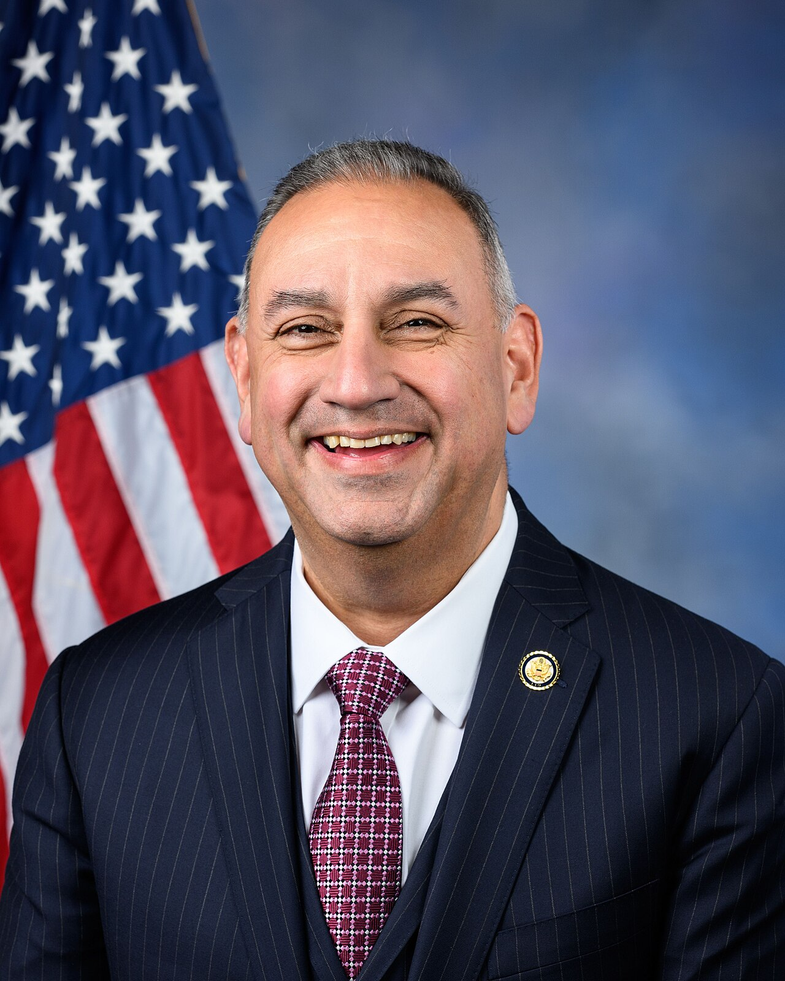
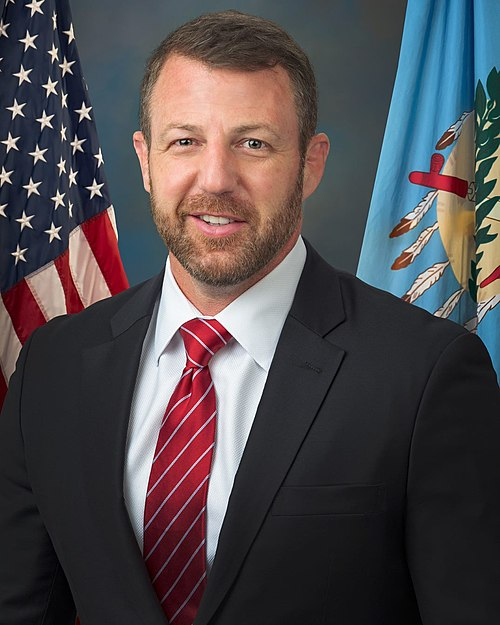
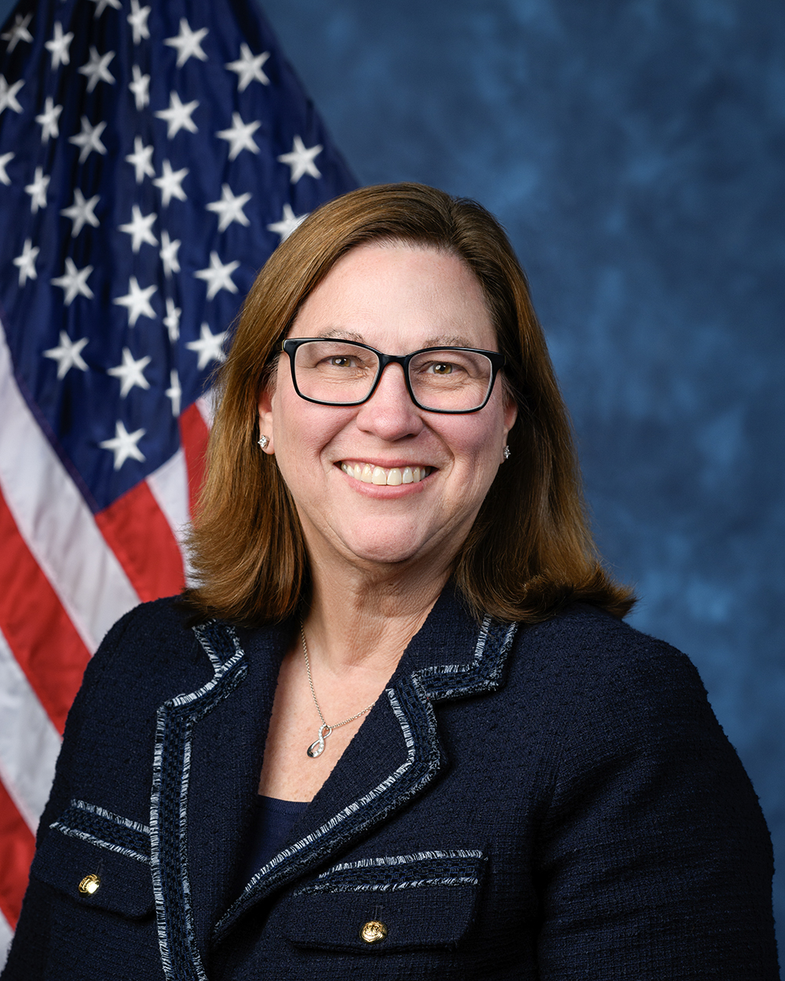
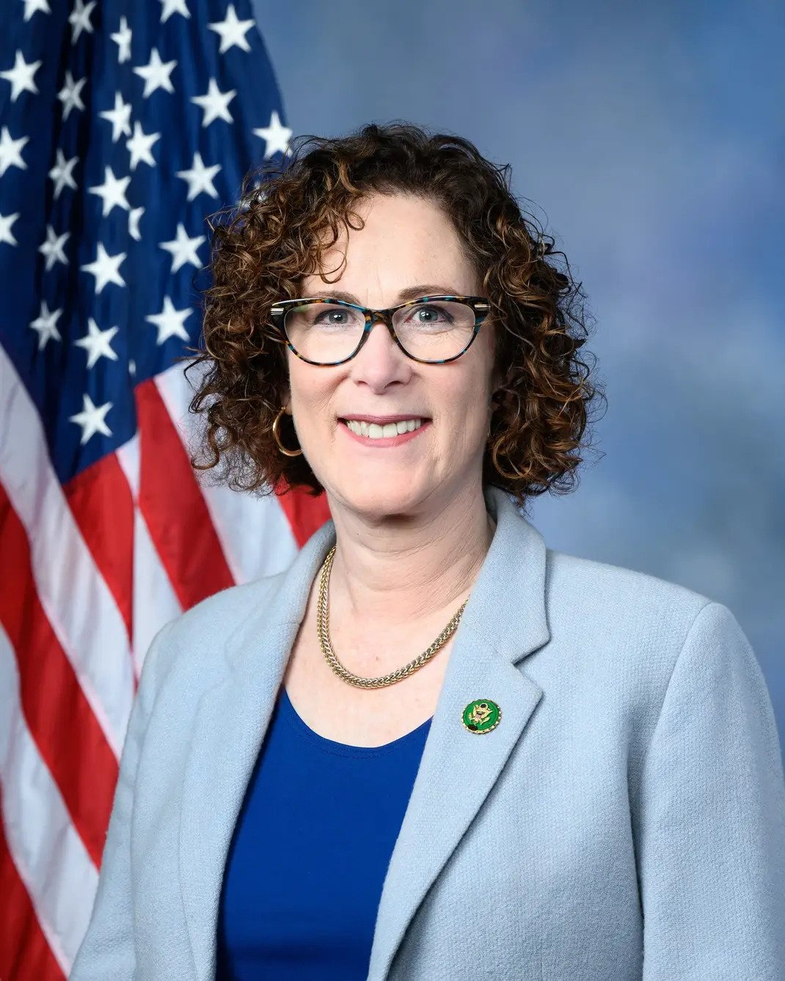
Sponsors
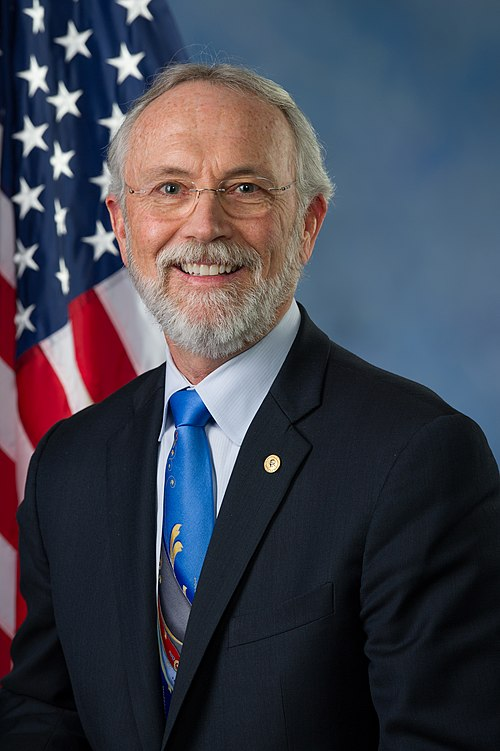
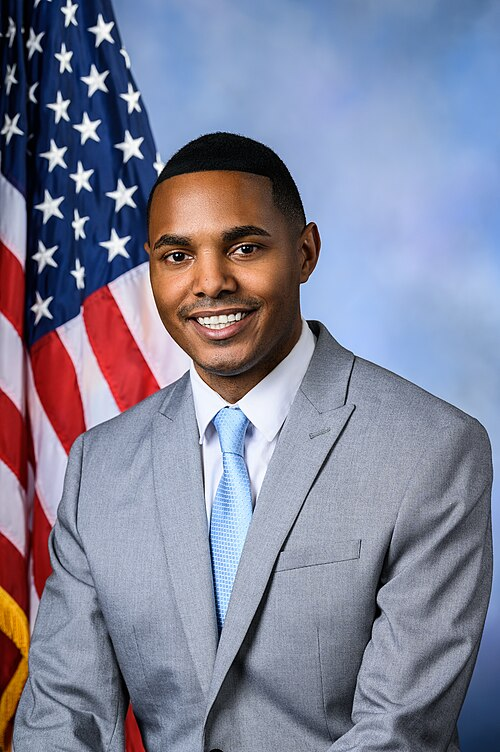
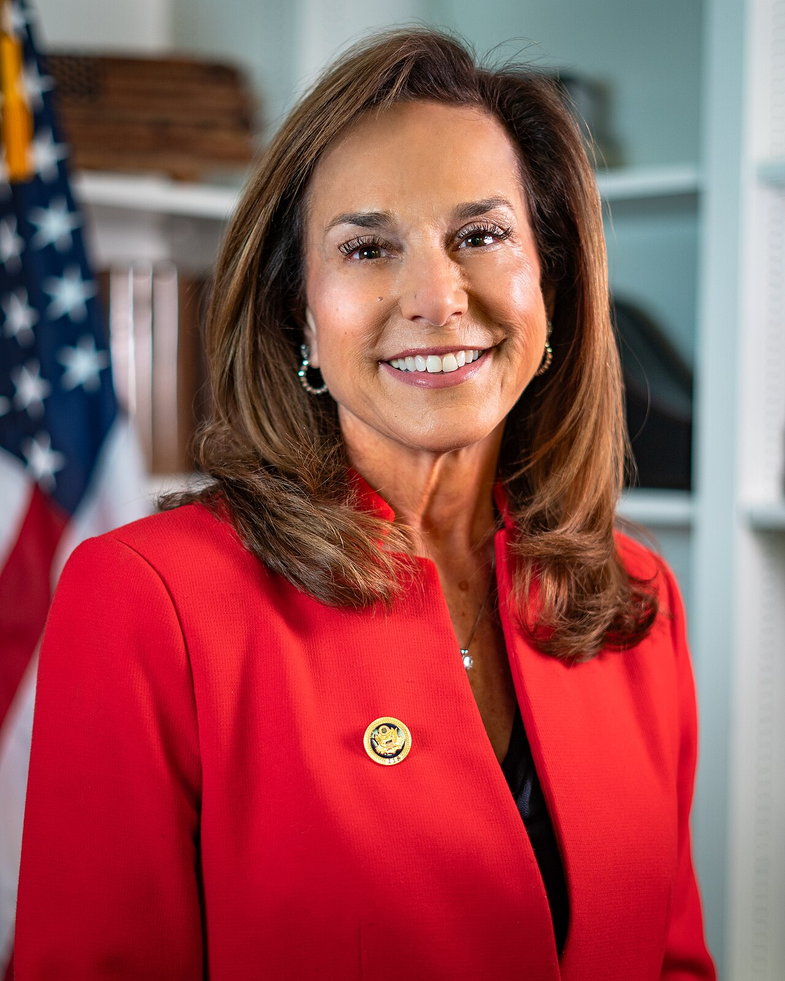
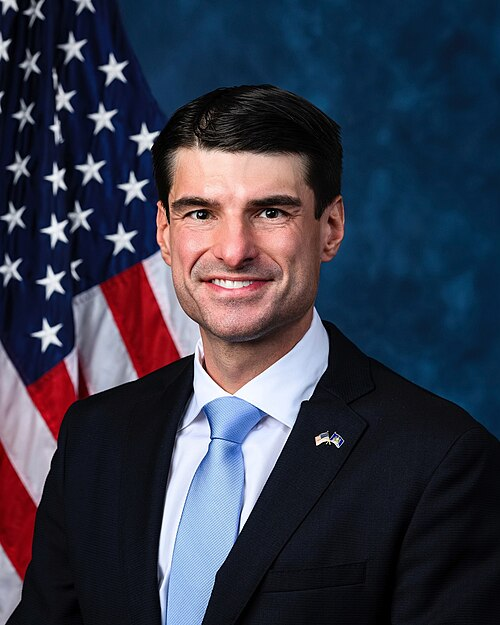
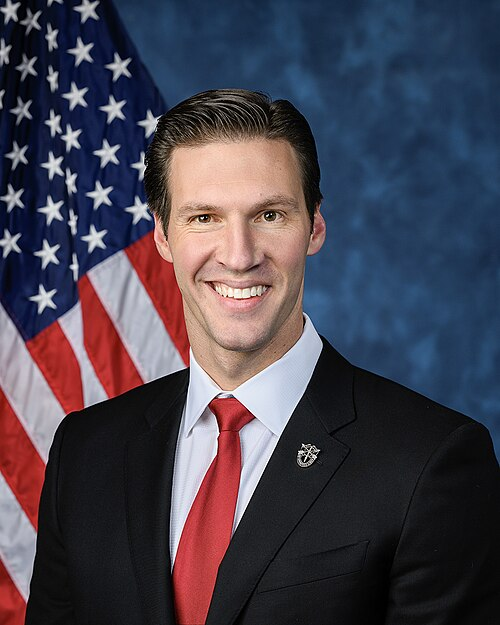
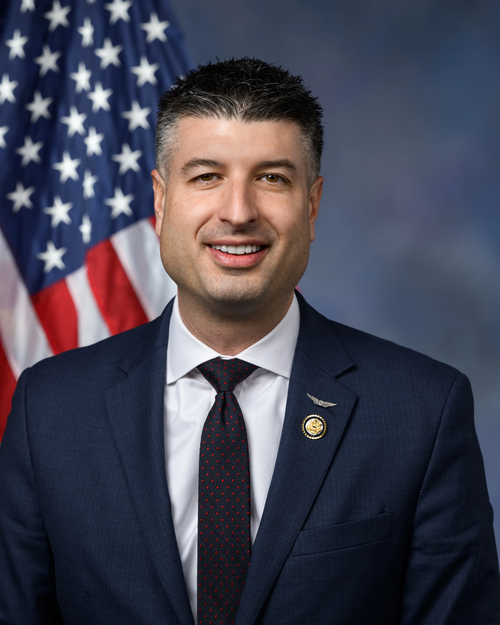
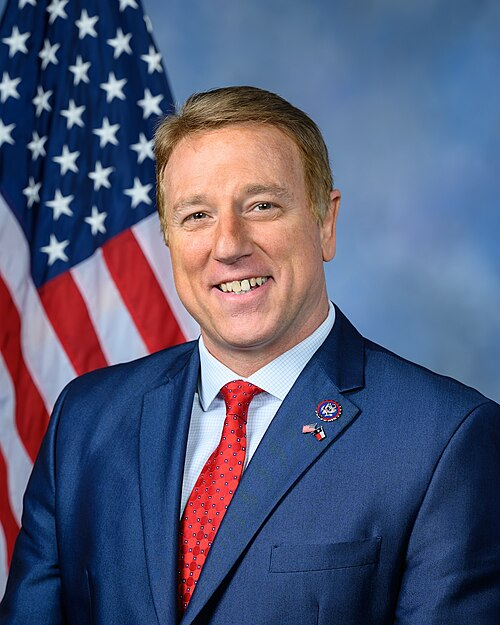
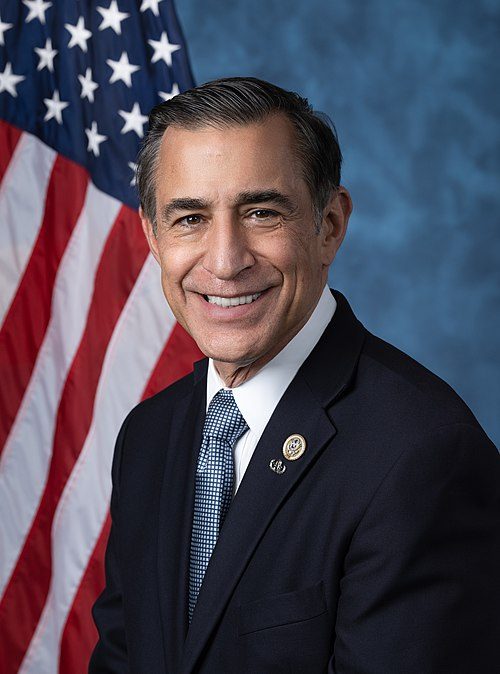
4 bill sponsors
Actions
2 actions
| Date | Action |
|---|---|
| Jun. 24, 2026 | Introduced in House |
| Jun. 24, 2026 | Referred to the Committee on the Judiciary, and in addition to the Committee on Energy and Commerce, for a period to be subsequently determined by the Speaker, in each case for consideration of such provisions as fall within the jurisdiction of the committee concerned. |
Corporate Lobbying
0 companies lobbying
None found.
* Note that there can be significant delays in lobbying disclosures, and our data may be incomplete.