
H.R. 9422: Medicaid RAC Improvement Act of 2026
This bill would change how Medicaid “recovery audit contractor” programs, often called Medicaid RAC programs, are overseen and used. These programs are meant to find Medicaid overpayments and, in some cases, underpayments, so states can recover money that was paid incorrectly.
What the bill would do
- Strengthen federal oversight of Medicaid RAC exceptions. States are allowed in some cases to receive exceptions from the usual Medicaid RAC requirements. The bill would require the federal government to clearly tell states when an exception approval expires and note that these approvals cannot be extended past 2029. It would also require the government to track upcoming expiration dates.
- Require more reporting from states with exceptions. States with approved exceptions would have to submit annual detailed reports explaining how their Medicaid RAC programs work, including what audit methods they use and why they limit or exclude certain audits.
- Require annual federal reports to Congress. Starting in 2027, the Secretary of Health and Human Services would have to report each year on how effective Medicaid RAC programs were. These reports would include state-by-state information such as:
- how each state’s RAC program works;
- the amount of overpayments recovered;
- the amount of underpayments found;
- savings from pre-payment reviews, if used;
- how often overpayment disputes are settled;
- the most common initiatives states use to reduce payment errors; and
- how many audit categories are used, held up, or denied.
- Bring Medicaid managed care plans into RAC review requirements. The bill would make clear that Medicaid managed care organizations, prepaid inpatient health plans, and prepaid ambulatory health plans must be included in payment integrity review efforts. States would have to ensure their contracts with these plans either:
- allow a period of payment integrity review during which the plan can identify and recover overpayments and underpayments, or
- allow a Medicaid recovery audit contractor hired by the state to do that review.
- Require annual state reports on who is doing the reviews. States would have to report which entity is reviewing each payment stream, including reviews of payments to managed care plans and other health plans.
- Have HHS report those state findings to Congress. HHS would then compile those state reports and send Congress a summary with recommendations.
- Study barriers to state participation. HHS would be required to study why some states do not establish or use Medicaid RAC programs. The study would look at contractor payment structures, possible multi-state contracts, and the start-up costs of launching a new program.
- Create a demonstration project. Based on that study, HHS would launch a 5-year demonstration project aimed at getting more states to create and use Medicaid RAC programs. HHS would have to report to Congress early in the project and again when it ends.
- Expand the time period for audits and recoveries. For contracts with recovery audit contractors, the bill would require audit and recovery work to cover the current fiscal year and the prior 4 fiscal years, including payments made through managed care arrangements where applicable.
Practical effect
In plain terms, the bill would push states and the federal government to do more checking of Medicaid payments, require more reporting about those checks, and try to expand audit activity to managed care plans and more states overall. It also sets timelines for when certain state exceptions end and when new reporting and demonstration activities must begin.
Relevant Companies
- None found
This is an AI-generated summary of the bill text. There may be mistakes.
Sponsors
10 bill sponsors
-
TrackGus M. Bilirakis

Sponsor
-
TrackRick W. Allen
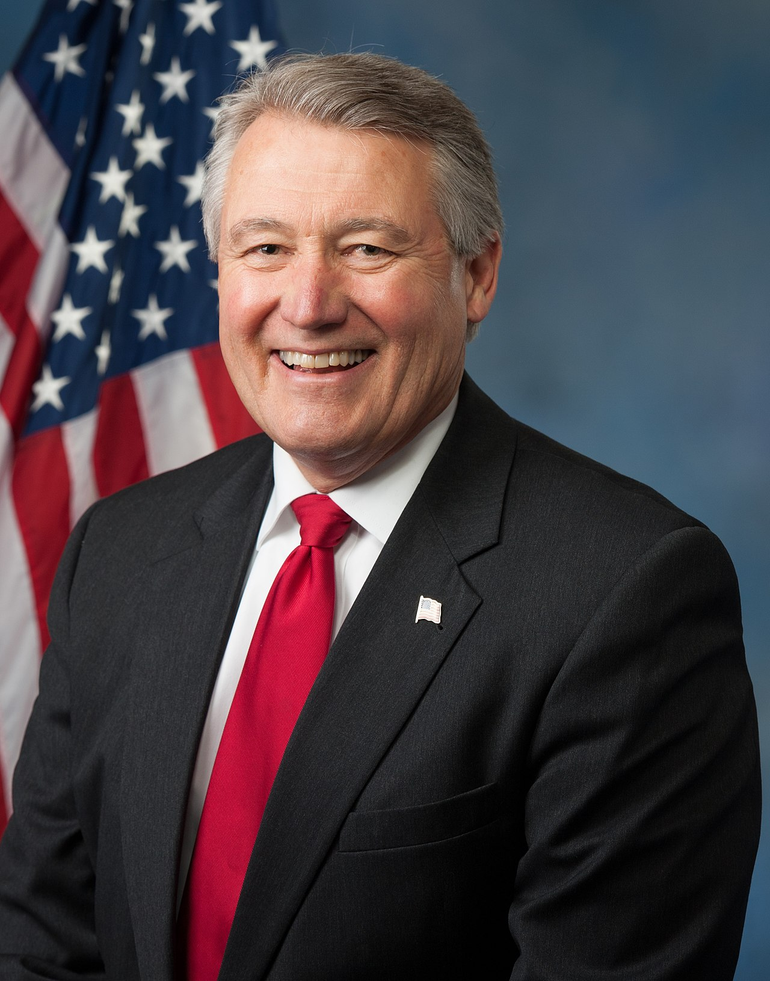
Co-Sponsor
-
TrackJodey C. Arrington
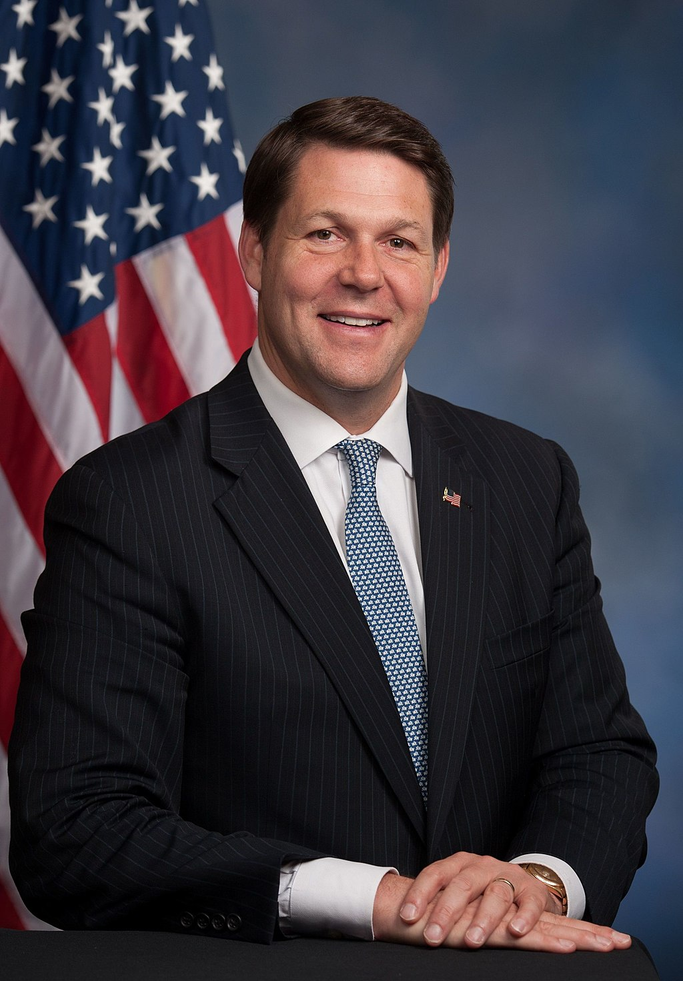
Co-Sponsor
-
TrackAaron Bean
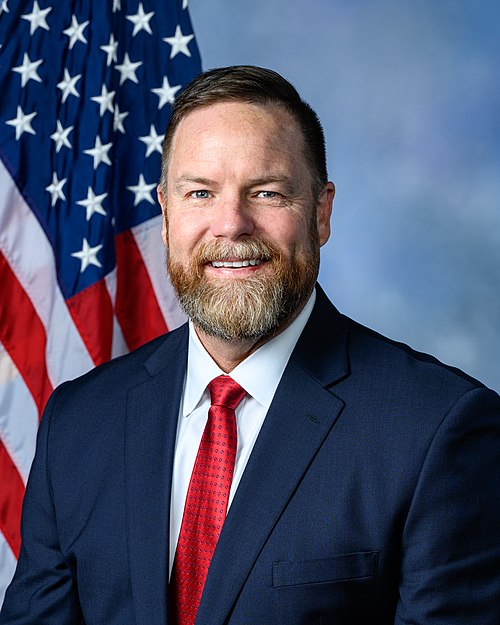
Co-Sponsor
-
TrackKat Cammack
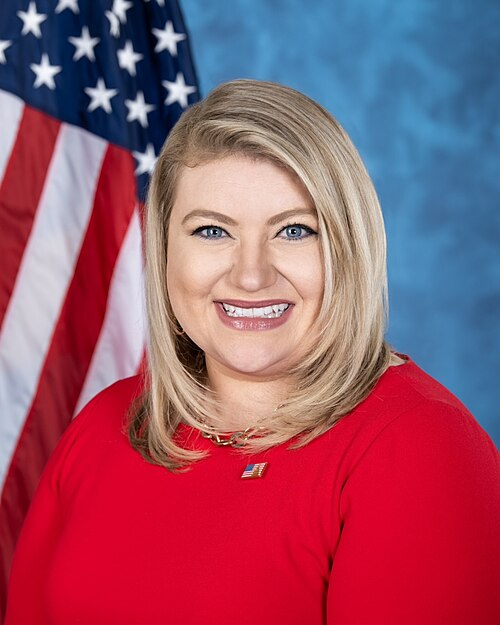
Co-Sponsor
-
TrackEarl L. "Buddy" Carter
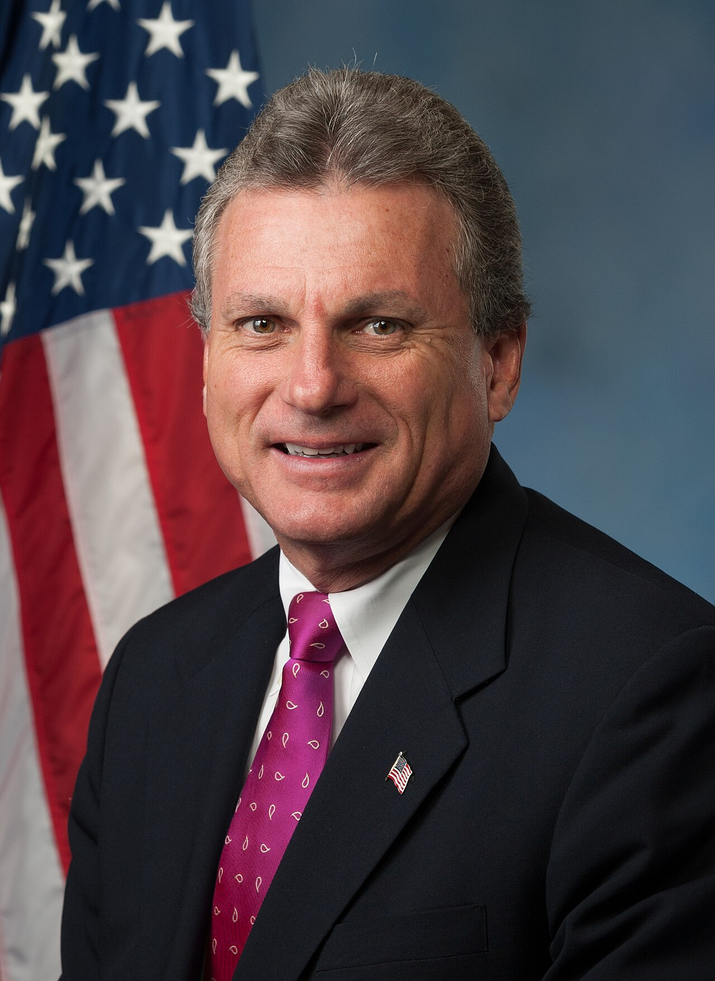
Co-Sponsor
-
TrackMariannette Miller-Meeks
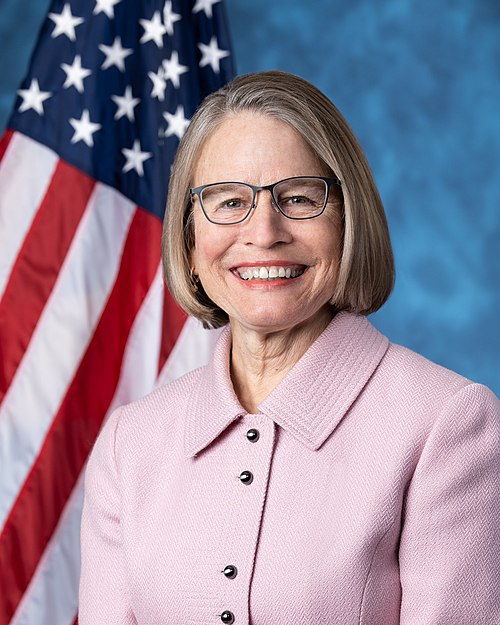
Co-Sponsor
-
TrackGary J. Palmer
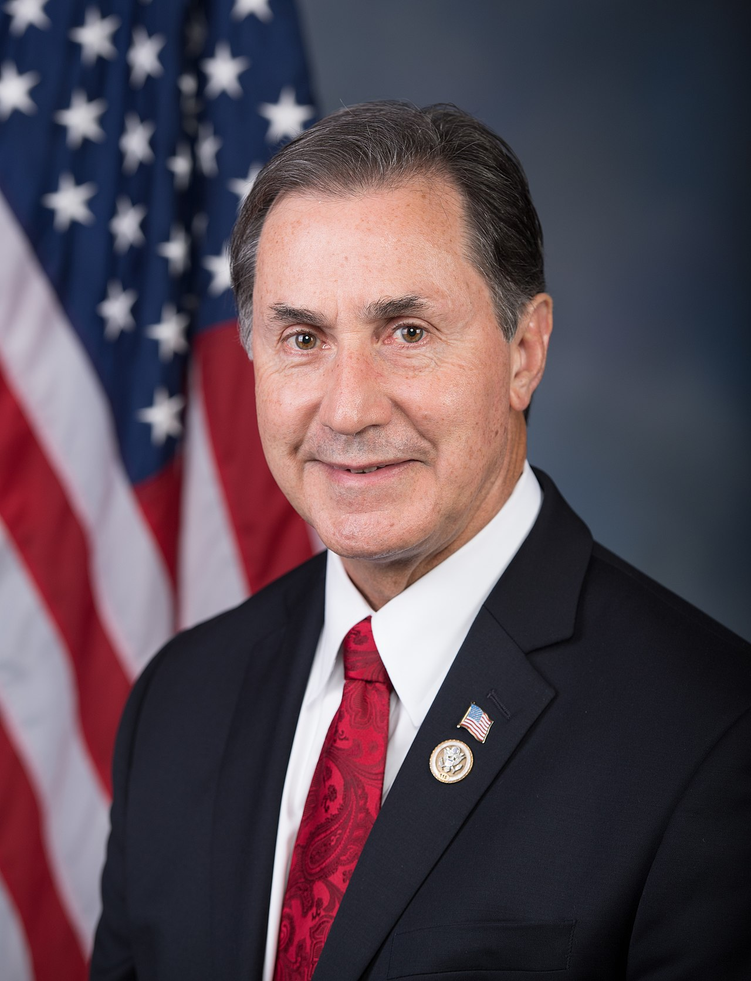
Co-Sponsor
-
TrackAugust Pfluger
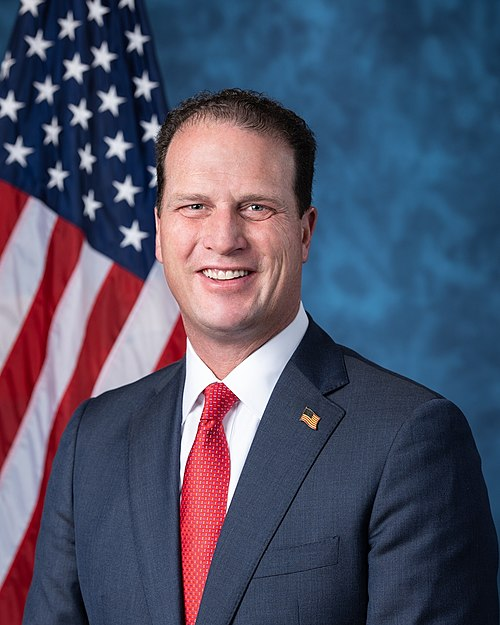
Co-Sponsor
-
TrackLloyd Smucker
Co-Sponsor
Actions
2 actions
| Date | Action |
|---|---|
| Jun. 24, 2026 | Introduced in House |
| Jun. 24, 2026 | Referred to the House Committee on Energy and Commerce. |
Corporate Lobbying
0 companies lobbying
None found.
* Note that there can be significant delays in lobbying disclosures, and our data may be incomplete.
Potentially Relevant Congressional Stock Trades
No relevant congressional stock trades found.