
H.R. 9411: Next Mission Act
This bill would create a temporary grant program at the Department of Defense to help people who are leaving the military, along with their spouses, with the transition to civilian jobs.
What the program does
The Secretary of Defense would be required to start the program within one year of the bill becoming law. The program would give multi-year grants to eligible private nonprofit organizations that provide services to people taking part in the Pentagon’s Transition Assistance Program.
Who could get the grants
To qualify, an organization would have to:
- Be a private nonprofit.
- Have a track record of providing career services, job placement, or job training.
- Use strong evaluation methods to show efficiency.
- Work with partners such as employers, government agencies, or other nonprofits.
- Be able to provide online training so people in rural areas can participate and costs can be lower.
What services would be covered
The grants would pay for services offered at no cost to eligible individuals, including:
- Assessments of education, work history, and job goals.
- Help preparing for civilian employment, such as mock interviews, salary negotiation practice, networking platform use, and company research.
- Industry-specific training pathways focused on stable, in-demand fields.
- Help connecting military skills to civilian careers.
- One-on-one support from a career services professional or academic advisor.
- Coursework or training needed for recognized credentials and certifications.
- Job placement services.
How grants would be awarded and tracked
The Secretary of Defense would have to give priority to organizations whose results have been independently verified by a third party. The department would also have to consult with the Department of Veterans Affairs and the Department of Labor while running the program.
The bill would require the Pentagon to set performance measures, including:
- How many participants receive and complete training.
- How many get jobs.
- How long those participants keep their jobs.
- Their median salary.
Possible expansion and duration
Each grant recipient would have to submit an assessment on whether the services could be expanded to reserve members and to people located outside the United States.
The grant authority would end three years after the program is implemented. Within six months after the program ends, the Secretary of Defense would have to send Congress a report describing what was done, what metrics were used, how effective the program was, and the expansion assessments that were submitted.
Who is covered
The program would apply to:
- Members of the Armed Forces participating in the Department of Defense Transition Assistance Program.
- The spouses of those service members.
Relevant Companies
None found
This is an AI-generated summary of the bill text. There may be mistakes.
Sponsors
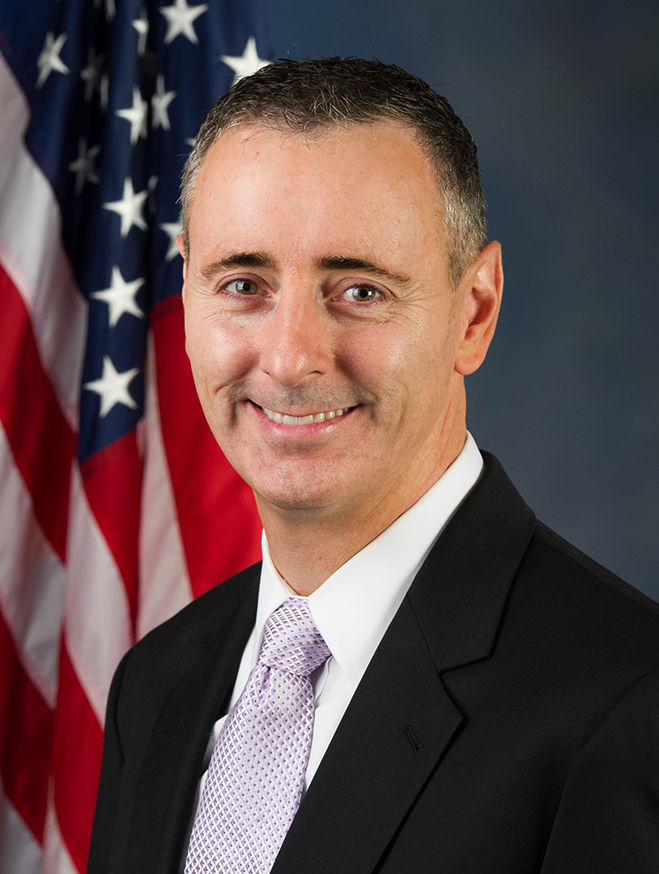
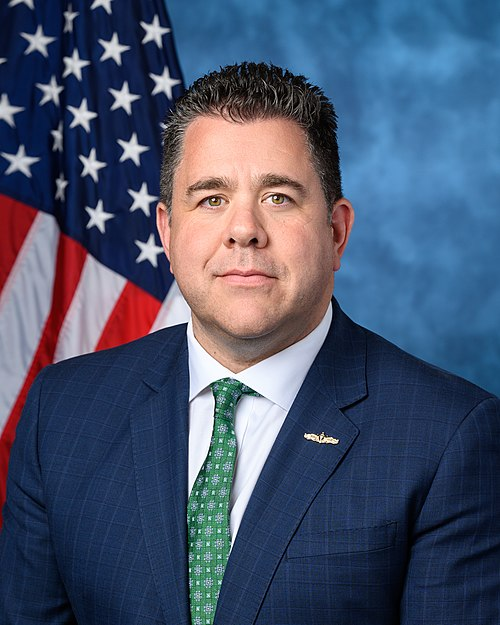
3 bill sponsors

Actions
2 actions
| Date | Action |
|---|---|
| Jun. 23, 2026 | Introduced in House |
| Jun. 23, 2026 | Referred to the House Committee on Armed Services. |
Corporate Lobbying
0 companies lobbying
None found.
* Note that there can be significant delays in lobbying disclosures, and our data may be incomplete.
Potentially Relevant Congressional Stock Trades
No relevant congressional stock trades found.