
H.R. 9349: Voting Systems Protection Act
This bill would place new limits on how the federal government can seize or take control of election-related materials, such as voting machines, voter rolls, ballots, election equipment, software, and records.
What it would require
- Federal agencies would generally need a court-issued warrant before seizing election materials.
- Before a seizure, the federal government would have to give the affected state election official written notice at least 48 hours in advance, except in emergencies.
- The notice would need to describe what materials are being seized, the legal basis, the expected length of custody, where the materials will be stored or examined, and which federal agency is responsible.
- At the same time, Congress’s House and Senate election and judiciary committees would also have to be notified.
- During any federal seizure, a designated state official would have the right to be present and maintain continuous oversight of how the materials are handled, transported, stored, examined, and documented.
- The state official could inspect the locations where the materials are kept, observe processing, document the condition of the materials, and countersign chain-of-custody records.
Limits around federal elections
The bill would create a special “restricted period” that begins 120 days before a federal election and ends 120 days after it. During that time, federal agencies would generally be barred from seizing election materials from state or local authorities.
There is an exception if there is clear and convincing evidence of an imminent threat to election integrity, public safety, or national security, and a federal district court specifically authorizes the seizure. The seizure would also have to be narrowly tailored to the emergency.
Penalties and enforcement
- Federal officials who tamper with, damage, destroy, or mishandle seized election materials could face criminal penalties, including up to 10 years in prison for knowing and willful violations.
- Reckless or negligent violations could trigger a civil fine of up to $250,000.
- Officials who violate the law could also be permanently barred from holding federal office or federal employment.
- States could sue in federal court for damages, attorney’s fees, and other relief if they are harmed by a violation.
- Federal officials who knowingly conduct a prohibited seizure during the restricted period could face civil penalties of $50,000 to $500,000 per violation.
Implementation
The Attorney General, working with the Department of Homeland Security and the Election Assistance Commission, would have to issue regulations within 180 days to carry out the law. The Attorney General would also have to create mandatory training for federal law enforcement personnel.
Other details
The bill broadly defines election materials and “seizure” to include physical removal, court orders or directives that restrict state access, searches, subpoenas, imaging, or any other federal action that effectively takes control away from state or local election officials. It would take effect 90 days after enactment.
Relevant Companies
None found
This is an AI-generated summary of the bill text. There may be mistakes.
Sponsors
10 bill sponsors
-
TrackDaniel S. Goldman

Sponsor
-
TrackYassamin Ansari

Co-Sponsor
-
TrackChristopher R. Deluzio

Co-Sponsor
-
TrackJosh Gottheimer
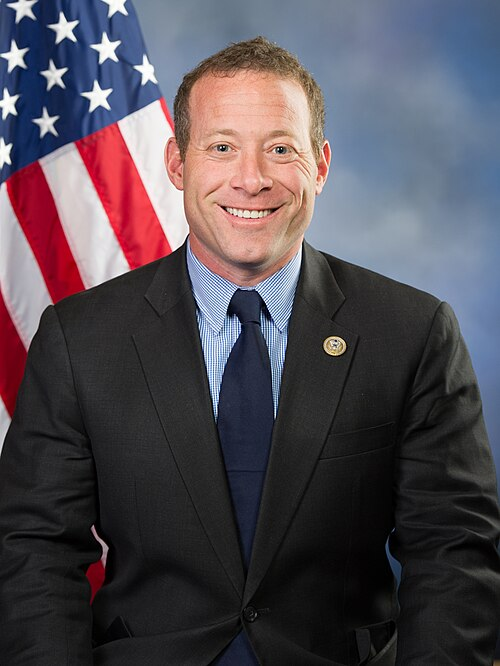
Co-Sponsor
-
TrackAl Green
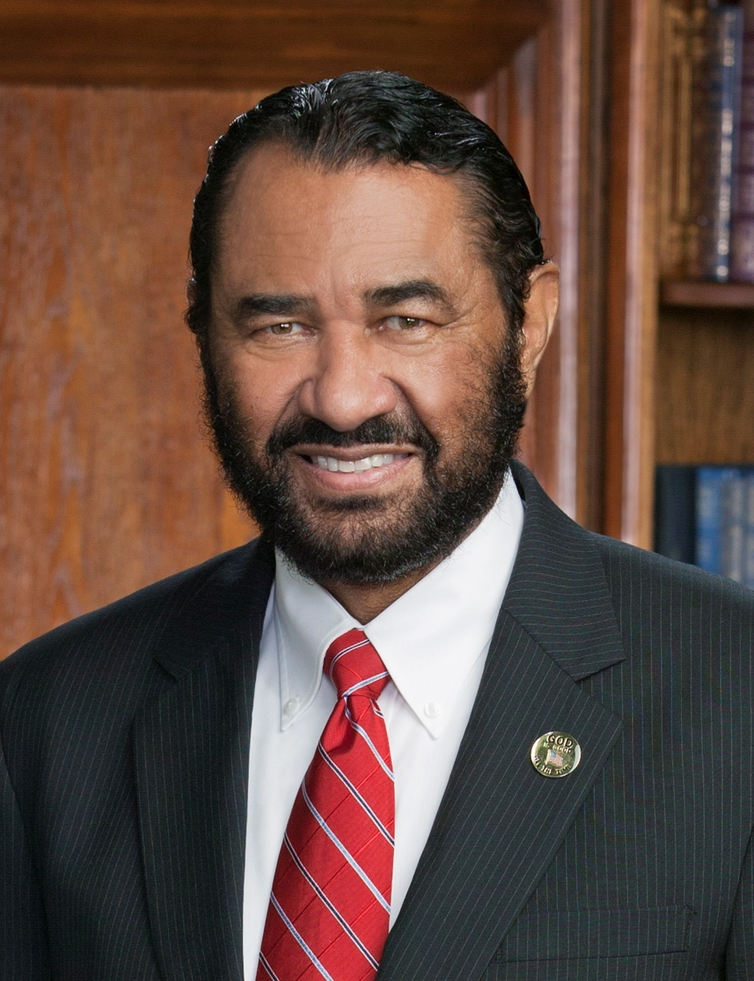
Co-Sponsor
-
TrackHenry C. "Hank" Johnson, Jr.

Co-Sponsor
-
TrackRaja Krishnamoorthi

Co-Sponsor
-
TrackSeth Moulton
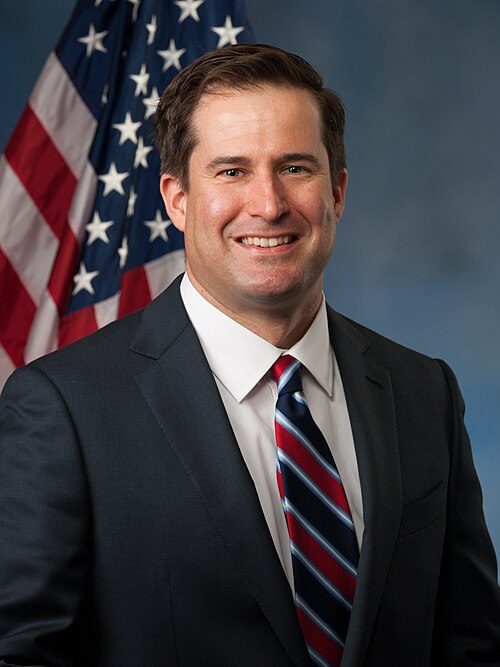
Co-Sponsor
-
TrackEleanor Holmes Norton

Co-Sponsor
-
TrackEugene Vindman

Co-Sponsor
Actions
2 actions
| Date | Action |
|---|---|
| Jun. 18, 2026 | Introduced in House |
| Jun. 18, 2026 | Referred to the Committee on House Administration, and in addition to the Committee on the Judiciary, for a period to be subsequently determined by the Speaker, in each case for consideration of such provisions as fall within the jurisdiction of the committee concerned. |
Corporate Lobbying
0 companies lobbying
None found.
* Note that there can be significant delays in lobbying disclosures, and our data may be incomplete.
Potentially Relevant Congressional Stock Trades
No relevant congressional stock trades found.