
H.R. 9340: Ratepayer Protection Act
This bill would add a new federal rule under the Public Utility Regulatory Policies Act that applies to large-load customers, meaning non-residential electric customers that request service for one or more facilities with a combined peak demand of 100 megawatts or more at a single site or campus.
What the new rule would require
Electric utilities would have to set rates and service terms so that these large customers pay for the full, incremental cost of any generation, transmission, or distribution upgrades needed to serve them. In other words, if a new large facility requires the utility to build or upgrade infrastructure, the bill says the cost of those upgrades should be recovered from that large customer rather than spread broadly across other ratepayers.
The bill also says that before a utility makes those upgrades, it must require the large-load customer to provide financial assurances or contributions to cover the upgrade costs. This is meant to reduce the risk that a utility or its other customers would be left paying for improvements if the large customer later leaves or stops buying power.
Who would be covered
The rule would apply to large non-residential customers that, on or after the date of enactment, enter into or request an electric service contract for a facility or campus with at least 100 megawatts of peak demand.
What states and utilities would have to do
The bill would require state utility regulators, and nonregulated electric utilities, to consider this standard within 1 year of enactment and complete that consideration within 2 years. It also updates existing federal law so that states that have already implemented a similar rule, considered one in a proceeding, or had their legislature vote on one would not need to repeat that process for this standard.
Practical effect
In practical terms, the bill is aimed at making sure that very large new electricity users pay for the extra grid and power-plant infrastructure they require, instead of those costs being shifted to other customers. It would also give utilities a clearer basis to ask for upfront payment or guarantees before investing in major upgrades for such customers.
Relevant Companies
None found
This is an AI-generated summary of the bill text. There may be mistakes.
Sponsors
43 bill sponsors
-
TrackGabe Evans
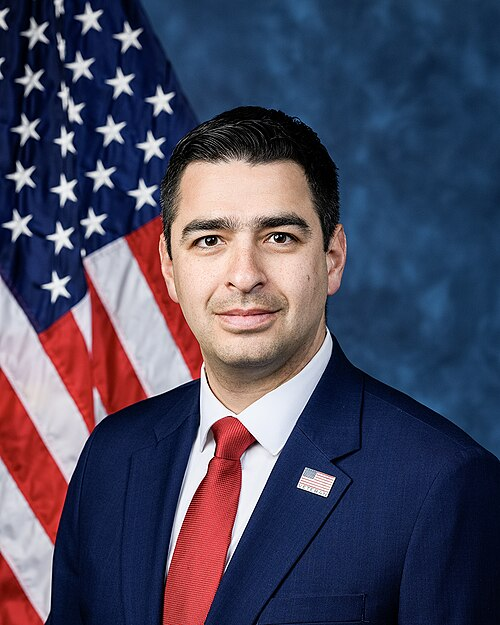
Sponsor
-
TrackTom Barrett
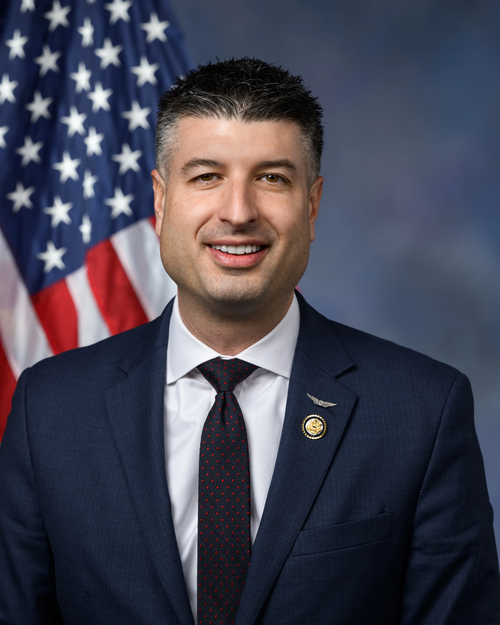
Co-Sponsor
-
TrackMichael Baumgartner
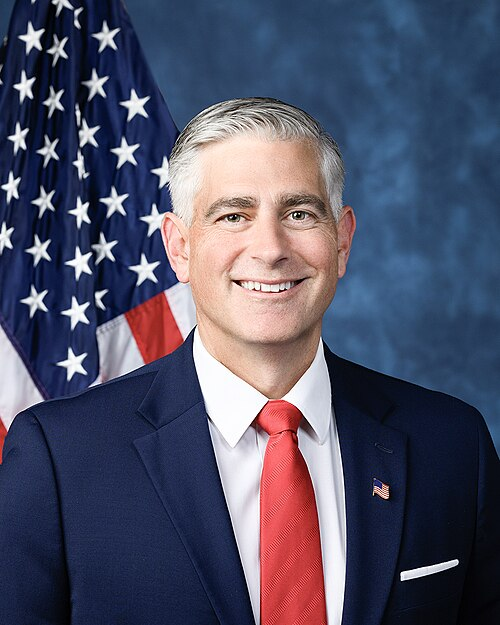
Co-Sponsor
-
TrackSanford D. Bishop, Jr.
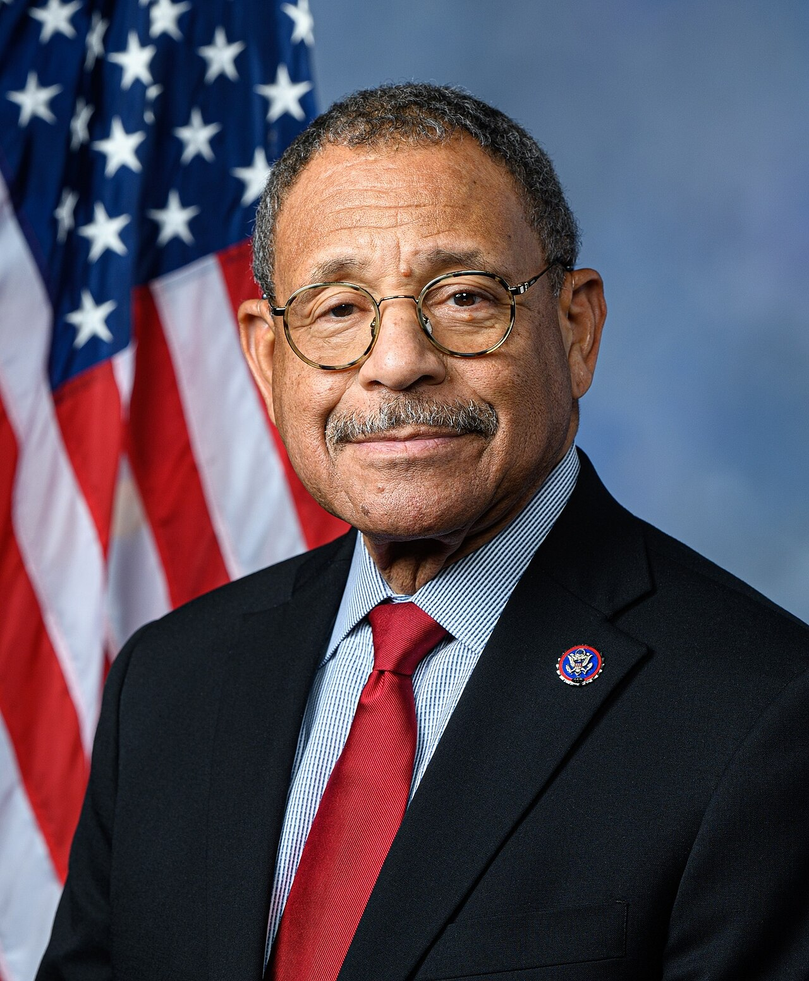
Co-Sponsor
-
TrackLauren Boebert
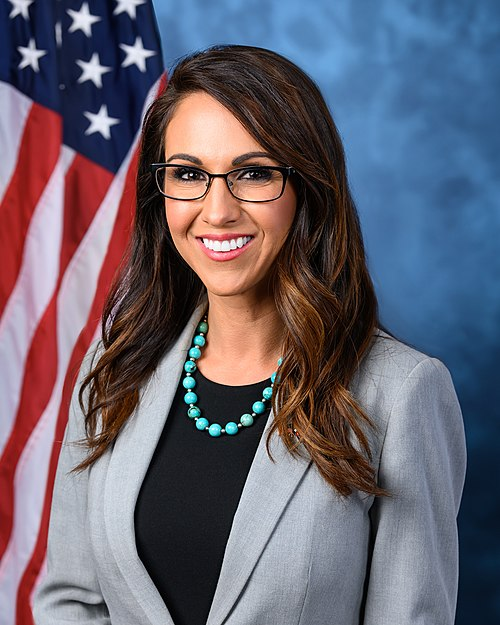
Co-Sponsor
-
TrackEarl L. "Buddy" Carter
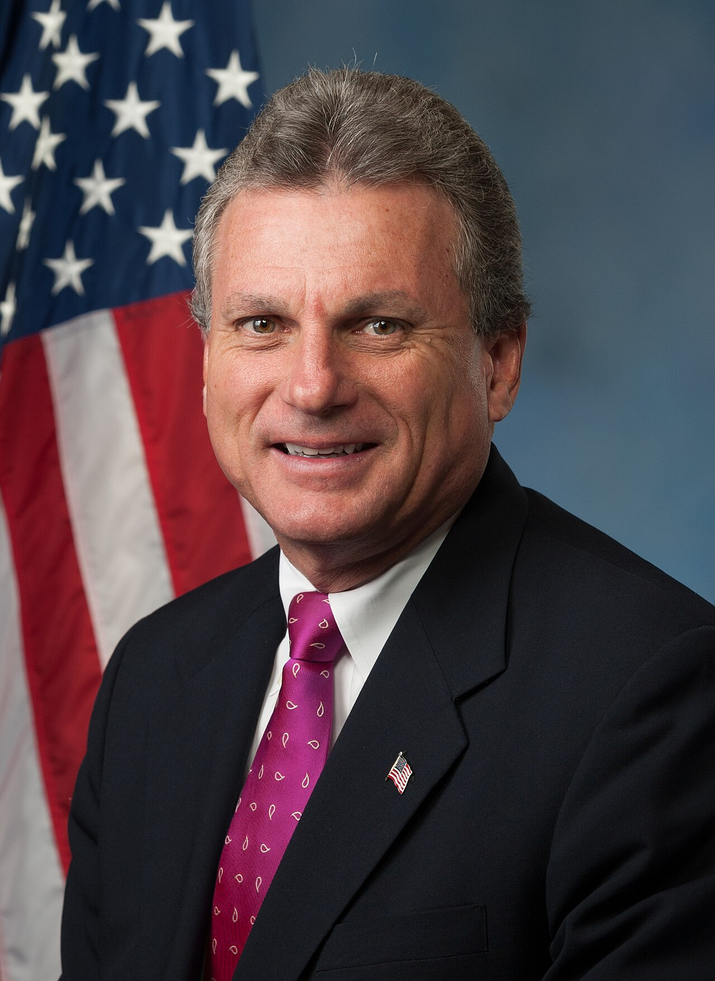
Co-Sponsor
-
TrackKathy Castor
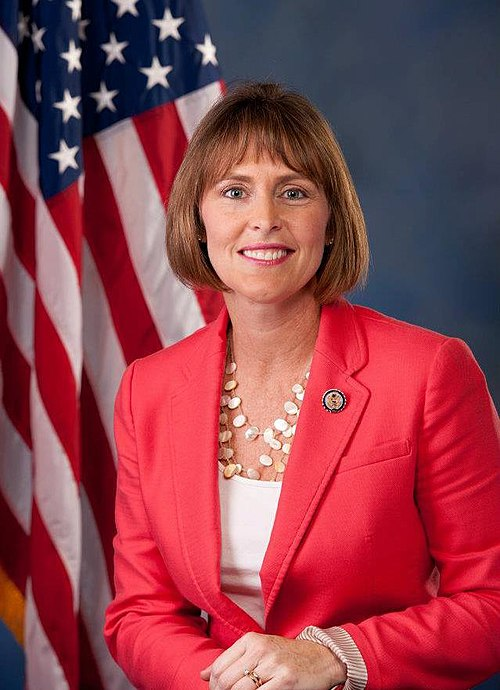
Co-Sponsor
-
TrackBen Cline
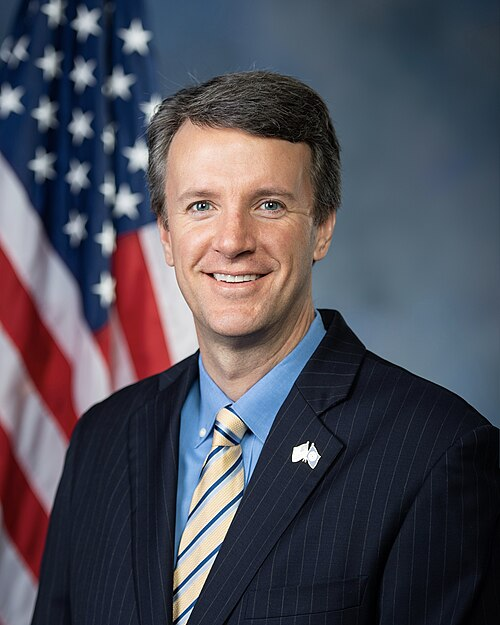
Co-Sponsor
-
TrackJeff Crank
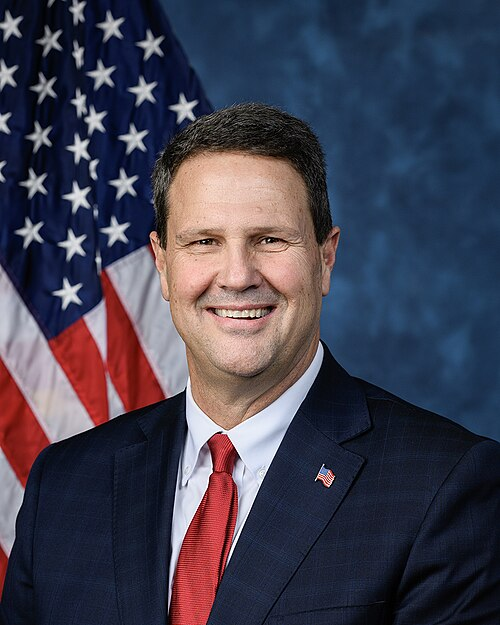
Co-Sponsor
-
TrackHenry Cuellar
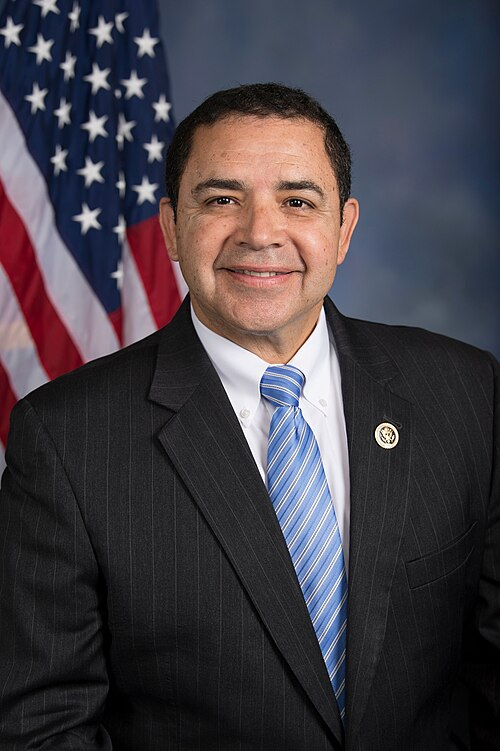
Co-Sponsor
-
TrackMonica De La Cruz
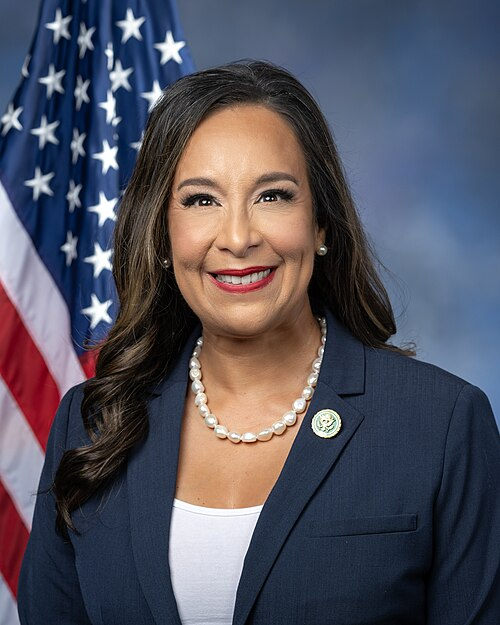
Co-Sponsor
-
TrackPat Fallon
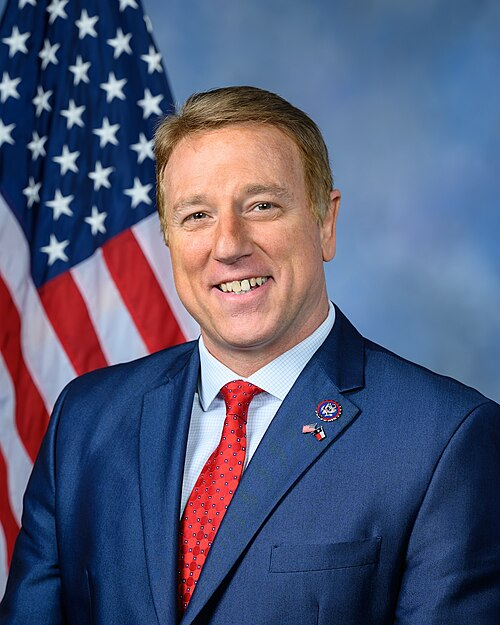
Co-Sponsor
-
TrackBrad Finstad
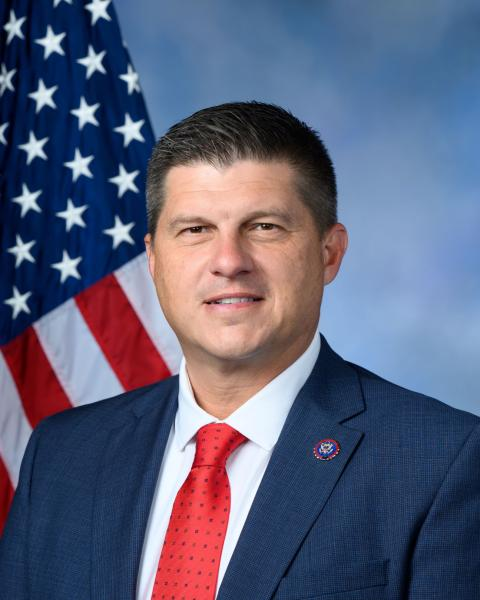
Co-Sponsor
-
TrackBrian K. Fitzpatrick
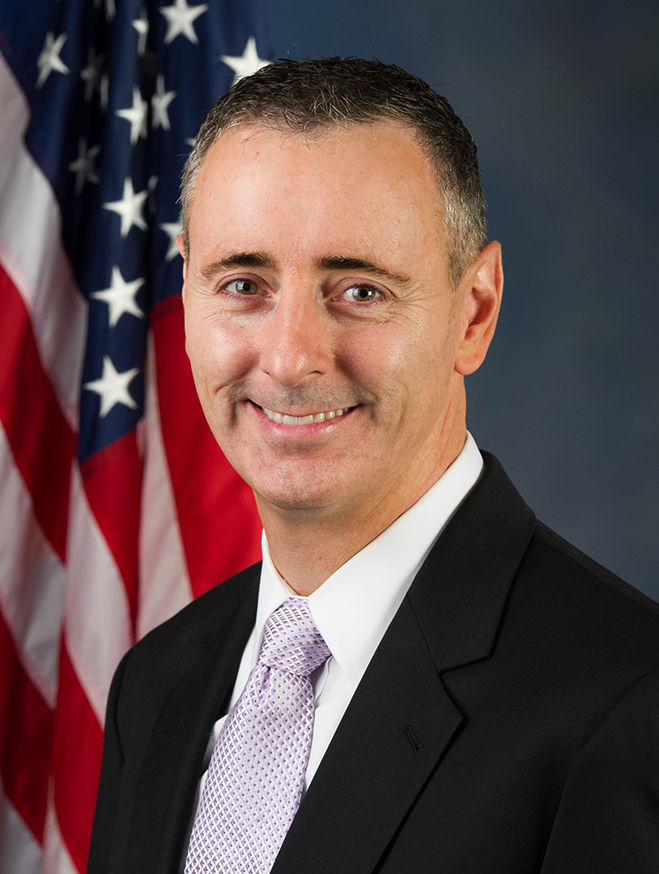
Co-Sponsor
-
TrackMike Flood
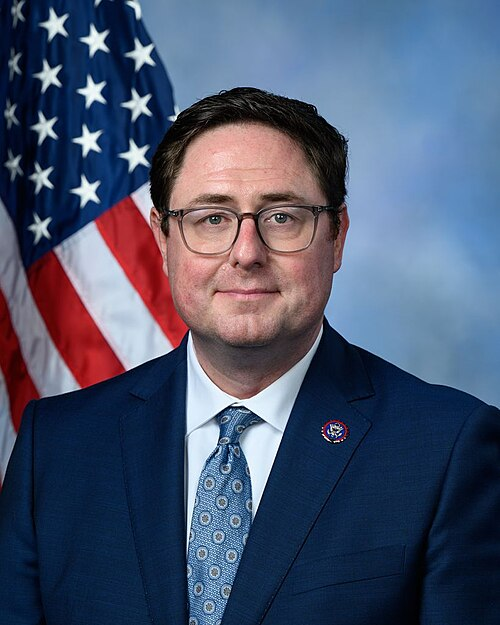
Co-Sponsor
-
TrackMaggie Goodlander
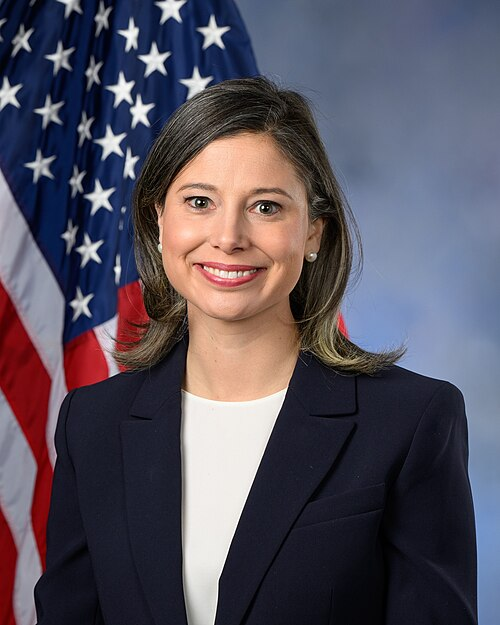
Co-Sponsor
-
TrackJosh Gottheimer
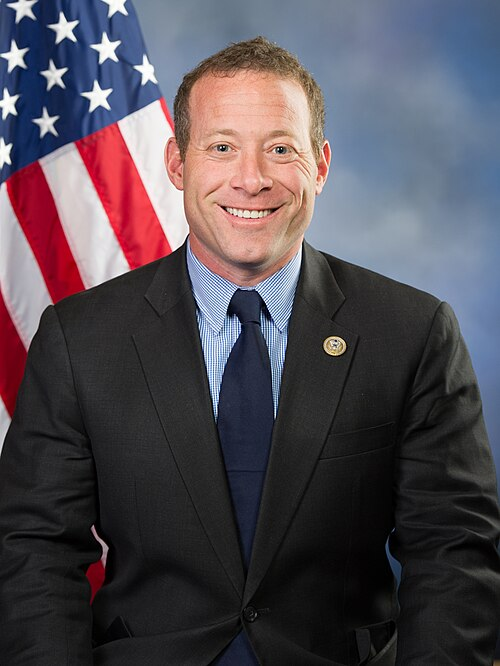
Co-Sponsor
-
TrackH. Morgan Griffith
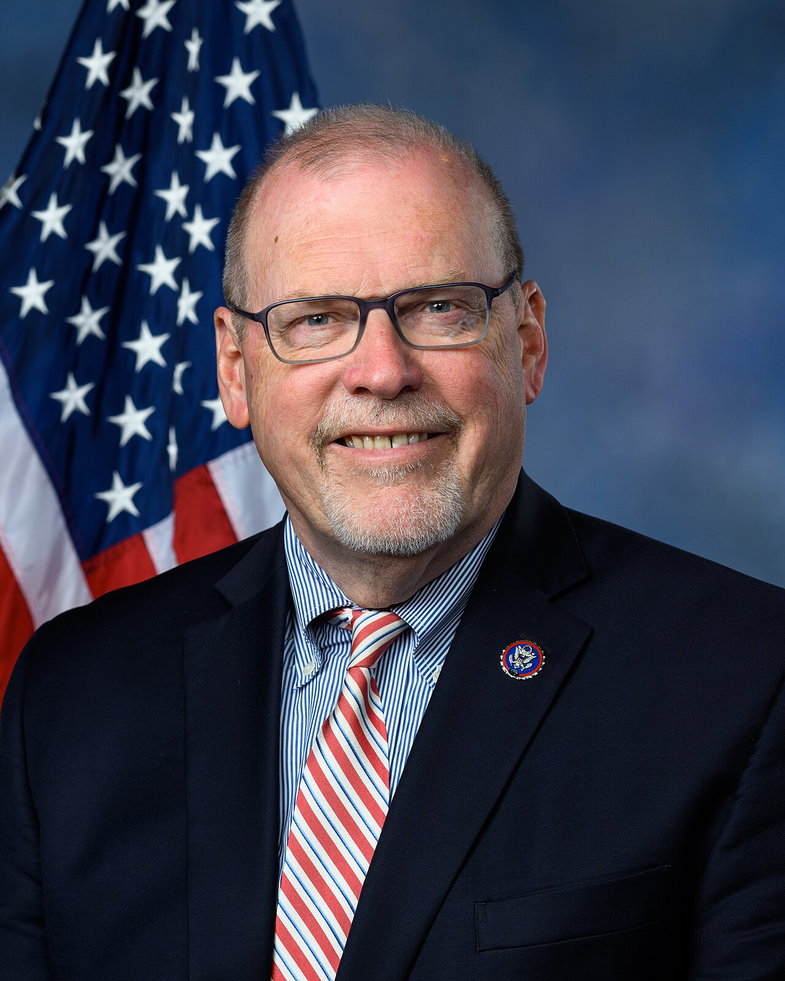
Co-Sponsor
-
TrackHarriet M. Hageman
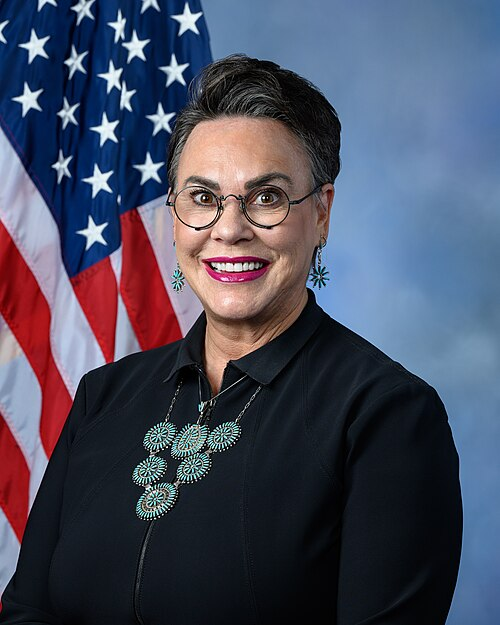
Co-Sponsor
-
TrackBill Huizenga
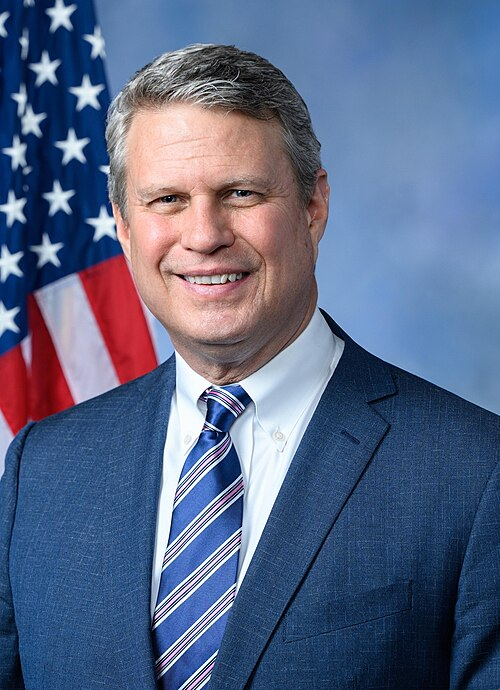
Co-Sponsor
-
TrackJeff Hurd
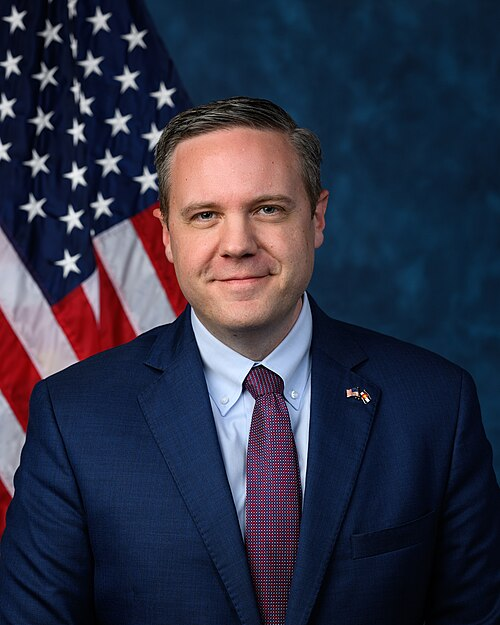
Co-Sponsor
-
TrackJim Jordan
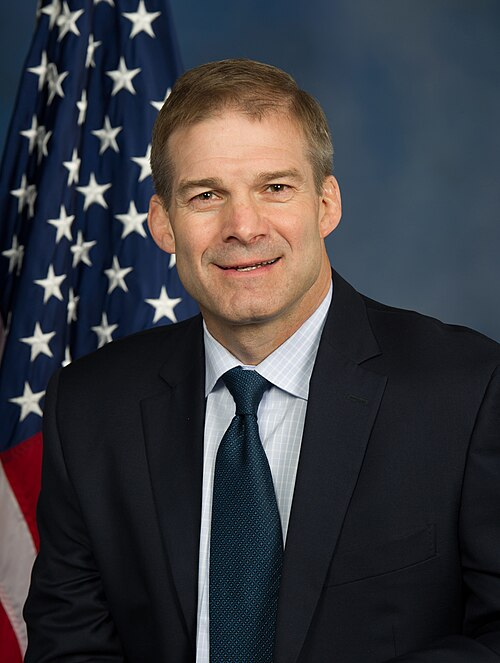
Co-Sponsor
-
TrackJohn Joyce
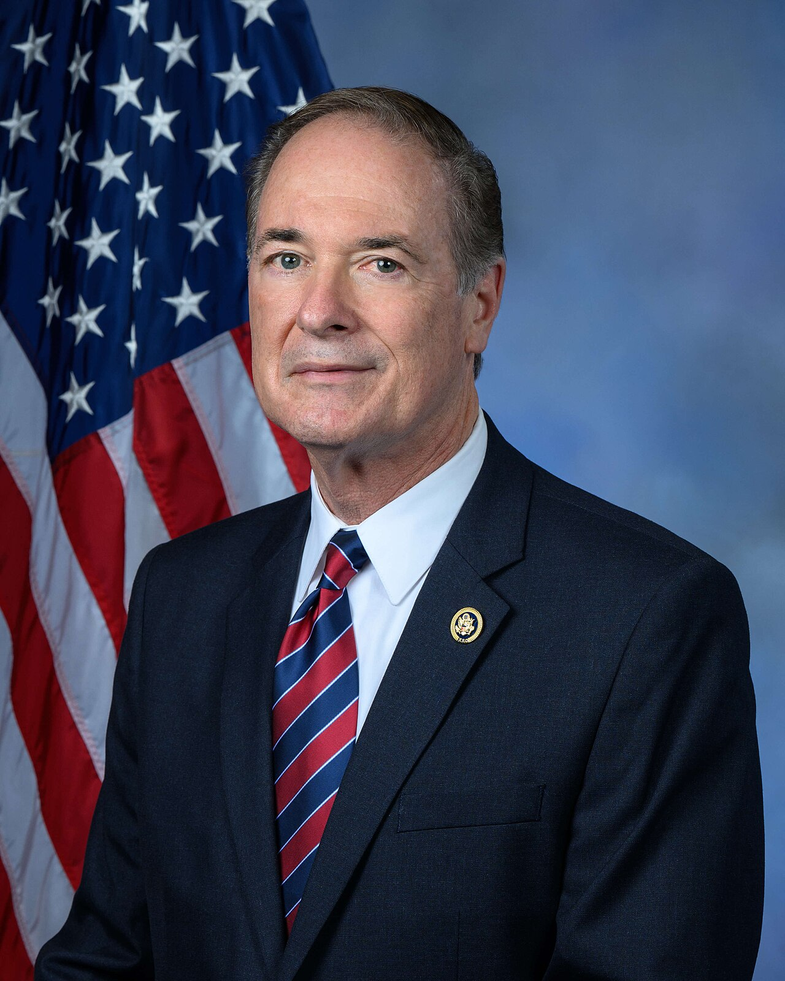
Co-Sponsor
-
TrackThomas H. Kean, Jr.
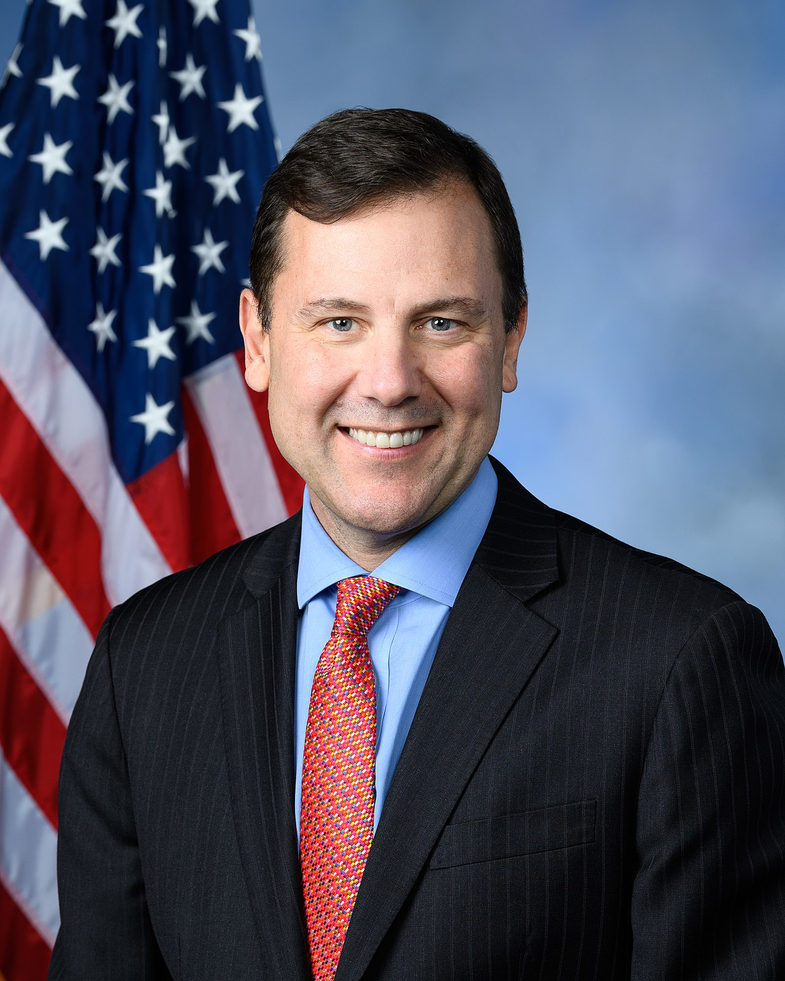
Co-Sponsor
-
TrackJennifer Kiggans
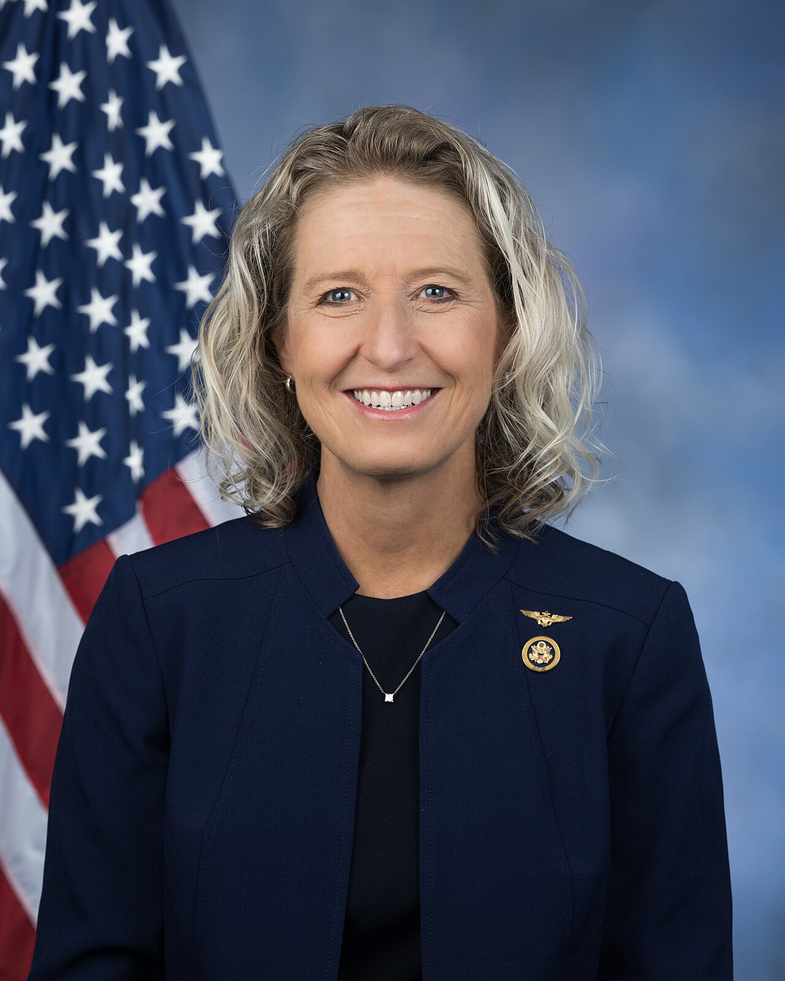
Co-Sponsor
-
TrackMichael Lawler
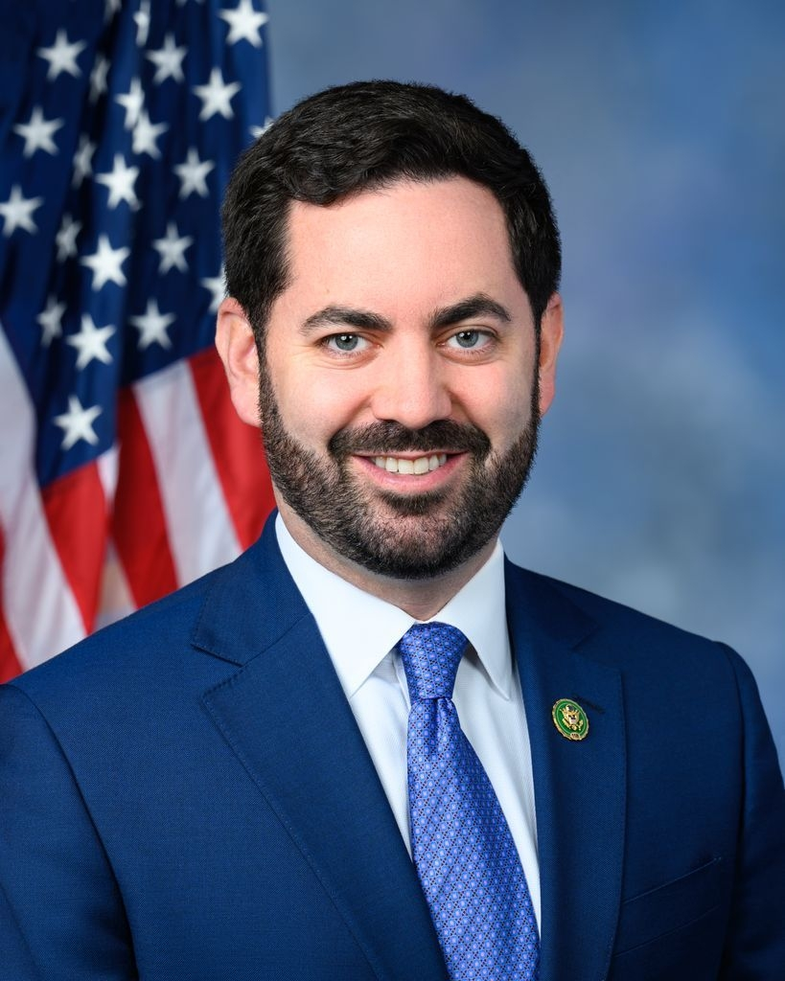
Co-Sponsor
-
TrackLaurel M. Lee
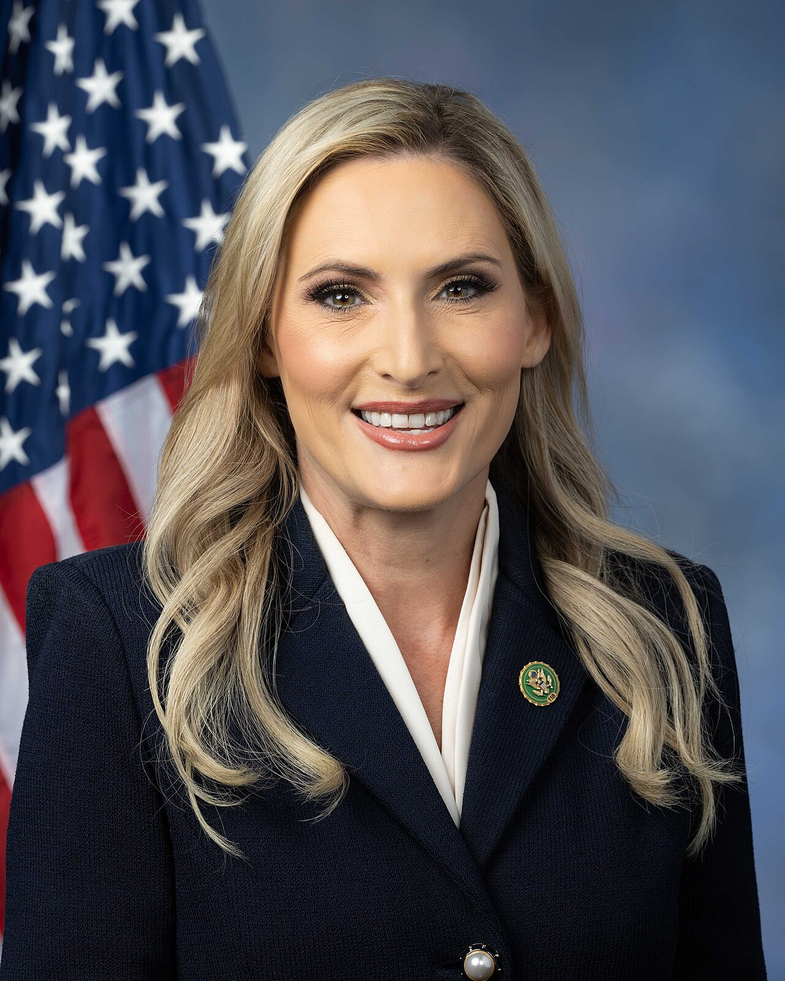
Co-Sponsor
-
TrackRyan Mackenzie
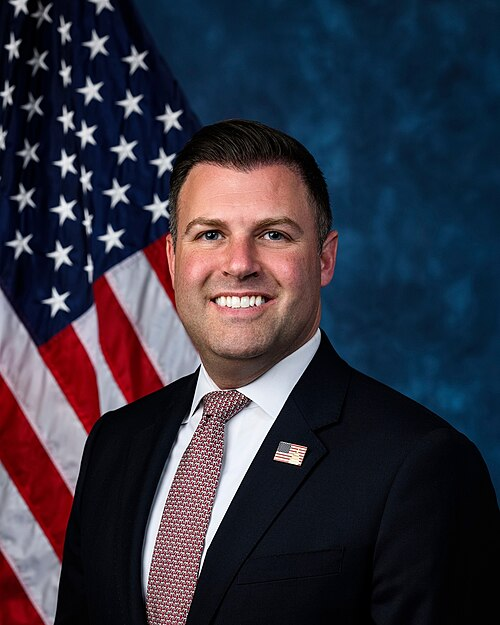
Co-Sponsor
-
TrackMichael T. McCaul
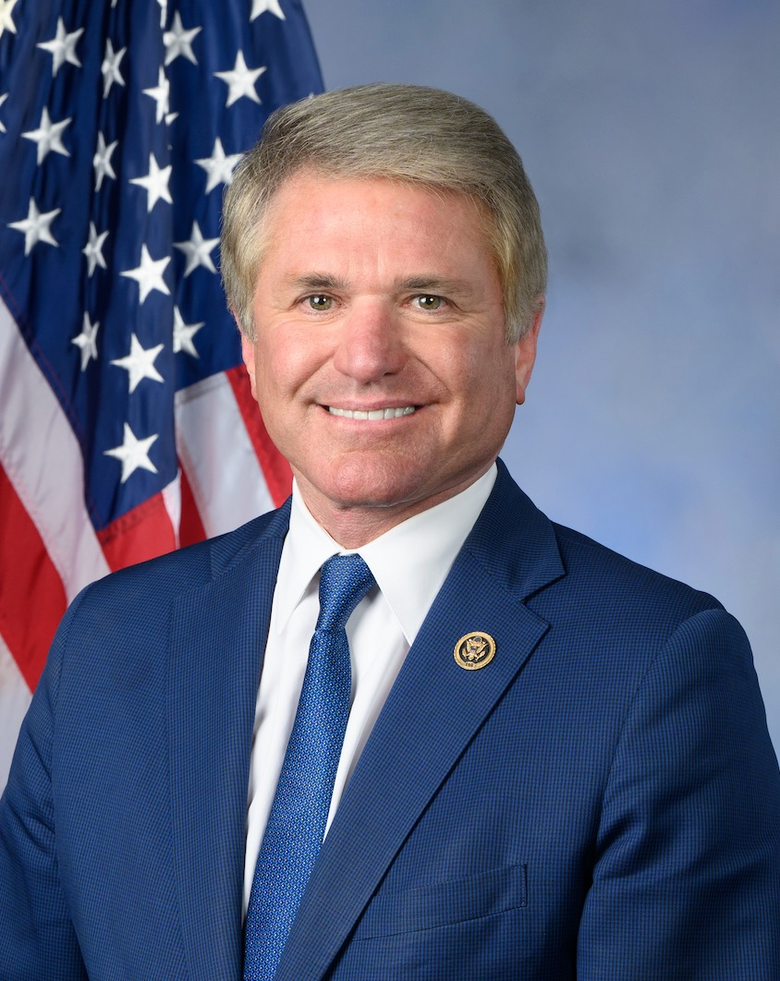
Co-Sponsor
-
TrackJennifer L. McClellan
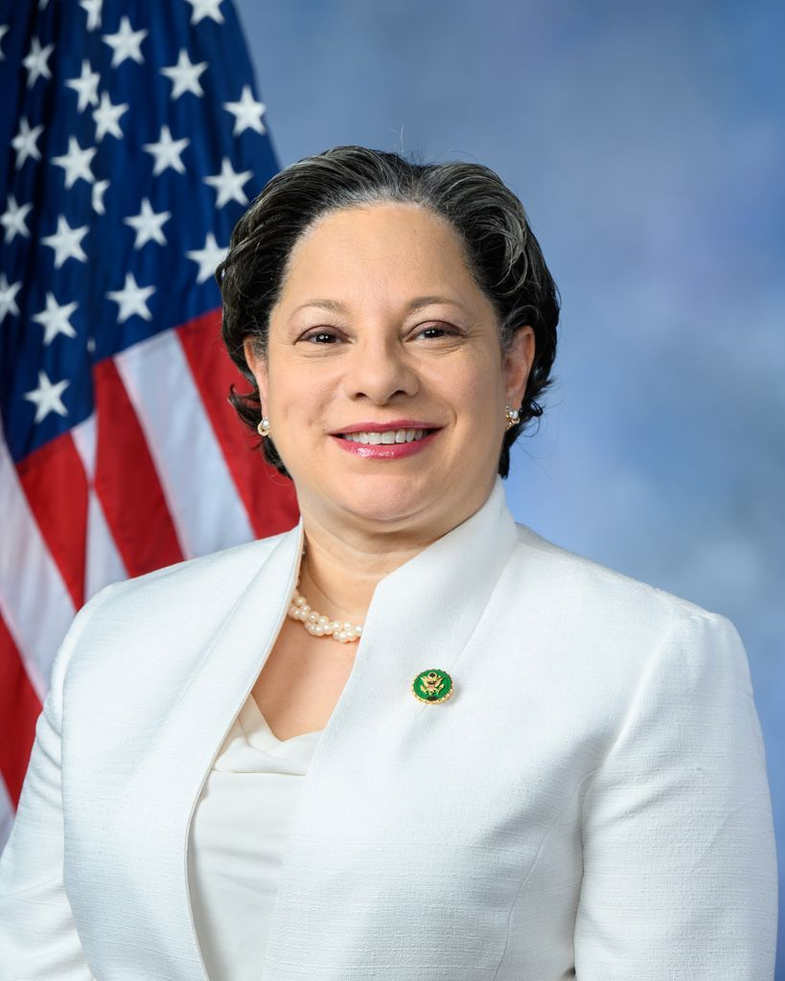
Co-Sponsor
-
TrackKristen McDonald Rivet
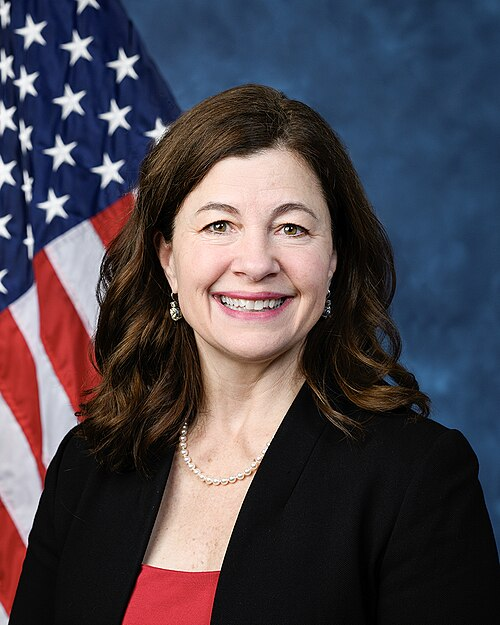
Co-Sponsor
-
TrackJohn McGuire
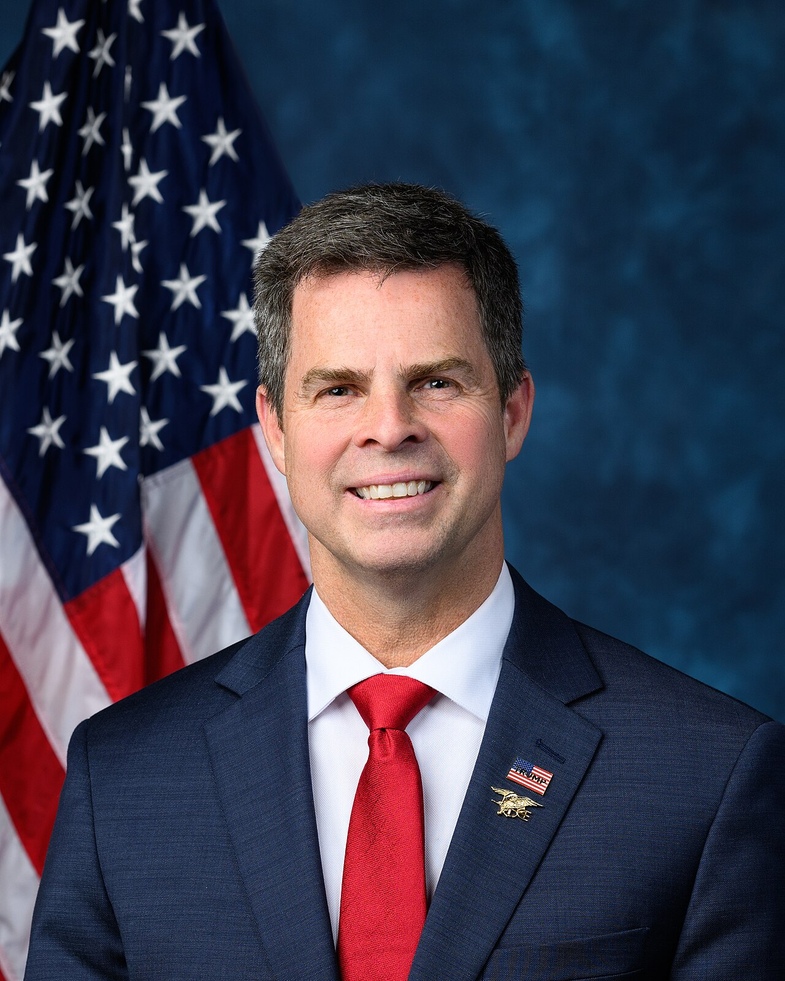
Co-Sponsor
-
TrackJohn R. Moolenaar
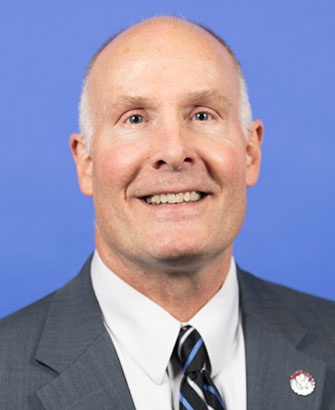
Co-Sponsor
-
TrackRiley Moore

Co-Sponsor
-
TrackRobert Onder
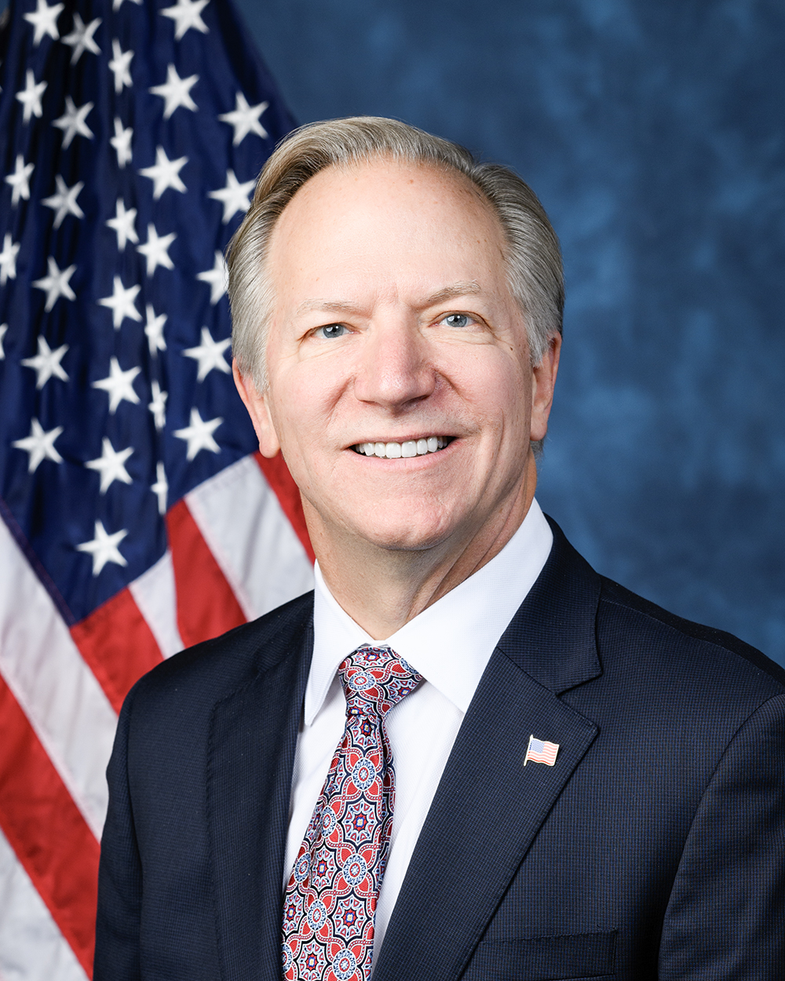
Co-Sponsor
-
TrackChristopher H. Smith
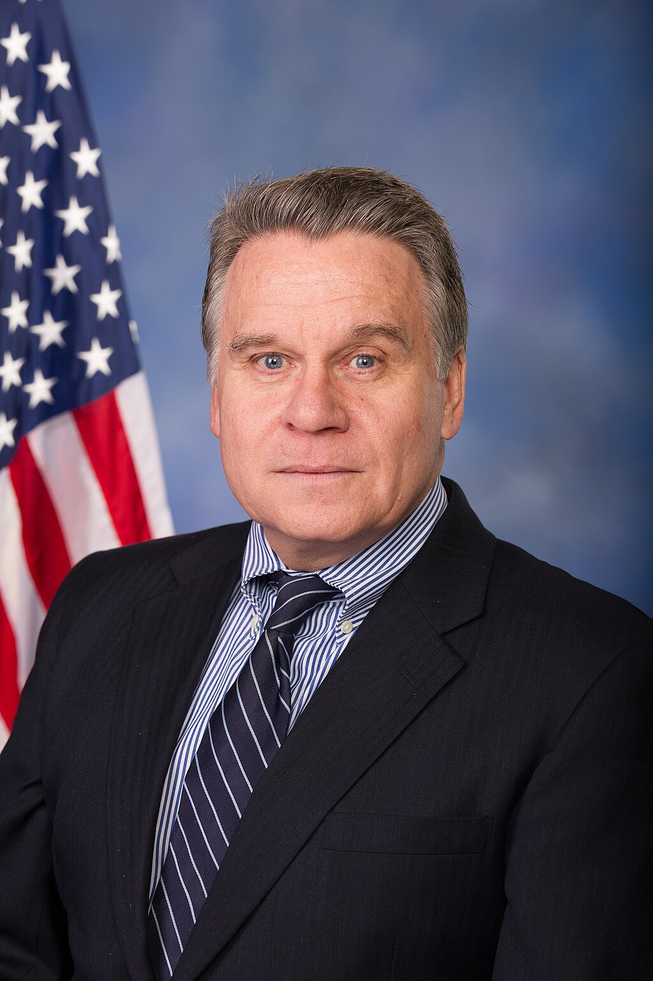
Co-Sponsor
-
TrackDavid G. Valadao
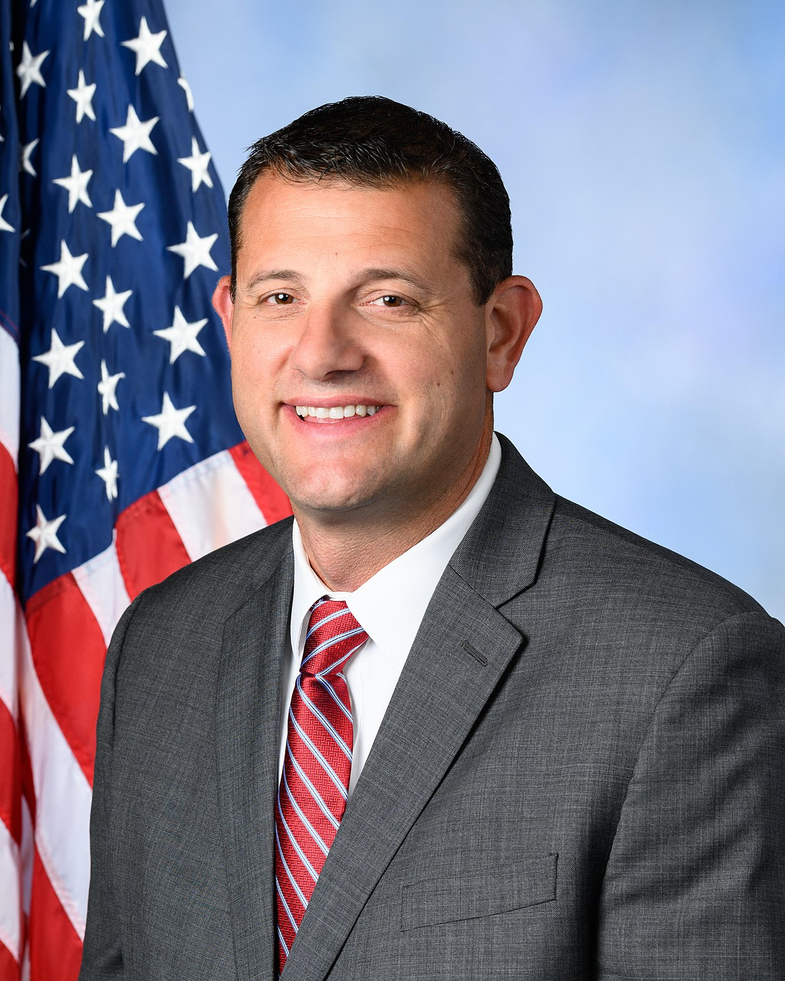
Co-Sponsor
-
TrackJefferson Van Drew
Co-Sponsor
-
TrackBeth Van Duyne
Co-Sponsor
-
TrackDerrick Van Orden
Co-Sponsor
-
TrackRandy K. Weber, Sr.
Co-Sponsor
-
TrackRobert J. Wittman

Co-Sponsor
-
Tracknan

Co-Sponsor
Actions
27 actions
| Date | Action |
|---|---|
| Sep. 30, 2026 | Cloture on the motion to proceed to the measure not invoked in Senate by Yea-Nay Vote. 57 - 43. Record Vote Number: 254. |
| Sep. 30, 2026 | Motion to proceed to consideration of measure made in Senate. (CR S5199) |
| Sep. 30, 2026 | Motion to proceed to consideration of measure withdrawn in Senate. (CR S5199) |
| Sep. 29, 2026 | Motion to proceed to consideration of measure made in Senate. |
| Sep. 28, 2026 | Cloture motion on the motion to proceed to the measure presented in Senate. (CR S5065) |
| Sep. 28, 2026 | Motion to proceed to consideration of measure made in Senate. (CR S5065) |
| Sep. 24, 2026 | Read the second time. Placed on Senate Legislative Calendar under General Orders. Calendar No. 684. |
| Sep. 23, 2026 | Read the first time. Placed on Senate Legislative Calendar under Read the First Time. |
| Sep. 17, 2026 | Received in the Senate. |
| Sep. 16, 2026 | Considered as unfinished business. (consideration: CR H5958-5959) |
| Sep. 16, 2026 | Motion to reconsider laid on the table Agreed to without objection. |
| Sep. 16, 2026 | On motion to suspend the rules and pass the bill, as amended Agreed to by the Yeas and Nays: (2/3 required): 417 - 3 (Roll no. 312). (text: CR H5656-5657) |
| Sep. 16, 2026 | Passed/agreed to in House: On motion to suspend the rules and pass the bill, as amended Agreed to by the Yeas and Nays: (2/3 required): 417 - 3 (Roll no. 312). (text: CR H5656-5657) |
| Sep. 15, 2026 | At the conclusion of debate, the Yeas and Nays were demanded and ordered. Pursuant to the provisions of clause 8, rule XX, the Chair announced that further proceedings on the motion would be postponed. |
| Sep. 15, 2026 | Considered under suspension of the rules. (consideration: CR H5656-5661) |
| Sep. 15, 2026 | DEBATE - The House proceeded with forty minutes of debate on H.R. 9340. |
| Sep. 15, 2026 | Mr. Guthrie moved to suspend the rules and pass the bill, as amended. |
| Sep. 10, 2026 | Placed on the Union Calendar, Calendar No. 713. |
| Sep. 10, 2026 | Reported (Amended) by the Committee on Energy and Commerce. H. Rept. 119-814. |
| Jul. 21, 2026 | Committee Consideration and Mark-up Session Held |
| Jul. 21, 2026 | Ordered to be Reported in the Nature of a Substitute by the Yeas and Nays: 52 - 0. |
| Jul. 20, 2026 | Committee Consideration and Mark-up Session Held |
| Jun. 24, 2026 | Forwarded by Subcommittee to Full Committee by Voice Vote. |
| Jun. 24, 2026 | Subcommittee Consideration and Mark-up Session Held |
| Jun. 18, 2026 | Introduced in House |
| Jun. 18, 2026 | Referred to the House Committee on Energy and Commerce. |
| Jun. 18, 2026 | Referred to the Subcommittee on Energy. |
Corporate Lobbying
0 companies lobbying
None found.
* Note that there can be significant delays in lobbying disclosures, and our data may be incomplete.
Potentially Relevant Congressional Stock Trades
No relevant congressional stock trades found.