H.R. 9300: Postsecondary Student Success Act of 2026
This bill would create a federal grant program to help colleges and related organizations improve student success for high-need students, such as students from low-income backgrounds, first-generation college students, caregivers, students with disabilities, students who previously dropped out, reentering justice-impacted students, and military-connected students.
What the bill authorizes
The Secretary of Education would award competitive grants to eligible applicants for fiscal years 2027 through 2032. Eligible applicants include:
- public colleges and universities,
- partnerships between nonprofit educational organizations and colleges,
- consortia of colleges, and
- entities that govern Tribal Colleges or Universities.
How the money would be used
Grant recipients would use the funds to carry out evidence-based programs intended to improve:
- participation in college,
- retention from year to year, and
- completion or graduation rates.
Examples of allowed activities include:
- academic, career, and student support services such as mentoring, advising, or case management,
- accelerated learning options like dual enrollment or early college high school programs,
- changes to course scheduling or how credits are awarded,
- better transfer pathways between schools,
- tutoring, academic enrichment, and emergency financial help,
- career coaching, career counseling, work-based learning, and career pathway programs, and
- efforts to recruit and keep faculty and other instructional staff.
Application requirements
To apply, an institution would need to submit a plan showing how it would improve outcomes for all enrolled students, with a special focus on high-need students. The application would have to include:
- the evidence-based reform or practice to be used and whether it falls into evidence tier 1, 2, or 3,
- annual student outcome benchmarks,
- a plan for evaluating the program,
- Pell Grant enrollment data,
- student demographic information,
- details on how the grant money would be spent, and
- a description of how the program would continue after the grant ends.
Funding rules
The bill would require the Education Department to reserve 2% of the overall funding each year for eligible Indian entities to support Tribal Colleges or Universities.
Of the remaining money, at least 20% would be reserved for grants that include stronger evidence-based practices, including at least one tier 3 reform or practice.
The bill would also allow up to 5% for administration, research, evaluation, and reporting, and up to 2% for technical assistance.
Evaluation and reporting
The Secretary of Education would have to fund outside organizations to evaluate how well the grants work and to share the results. These evaluations would look at whether schools carried out their plans and whether students in the programs had better retention and completion outcomes than similar students who did not participate.
The Secretary would have to submit a final report to Congress no later than 18 months after enactment.
Other limits
If a grantee has more than one campus, the bill would allow it to receive a grant for only one campus at a time.
Relevant Companies
None found
This is an AI-generated summary of the bill text. There may be mistakes.
Sponsors
14 bill sponsors
-
TrackMelanie A. Stansbury
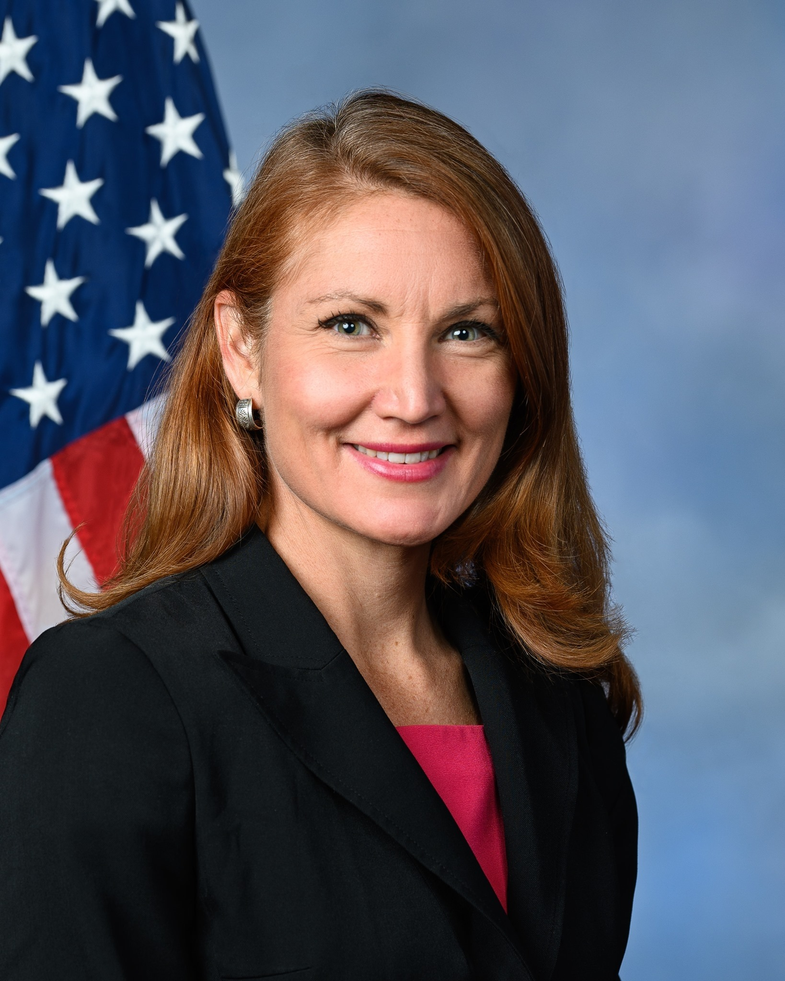
Sponsor
-
TrackJanelle Bynum

Co-Sponsor
-
TrackLaura Friedman

Co-Sponsor
-
TrackPablo Hernández
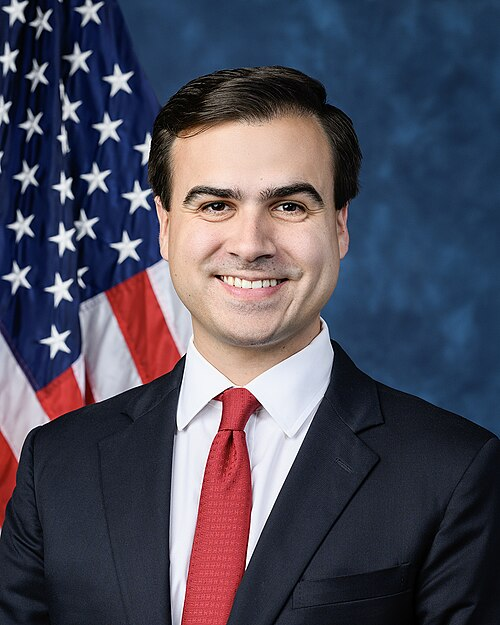
Co-Sponsor
-
TrackVal T. Hoyle
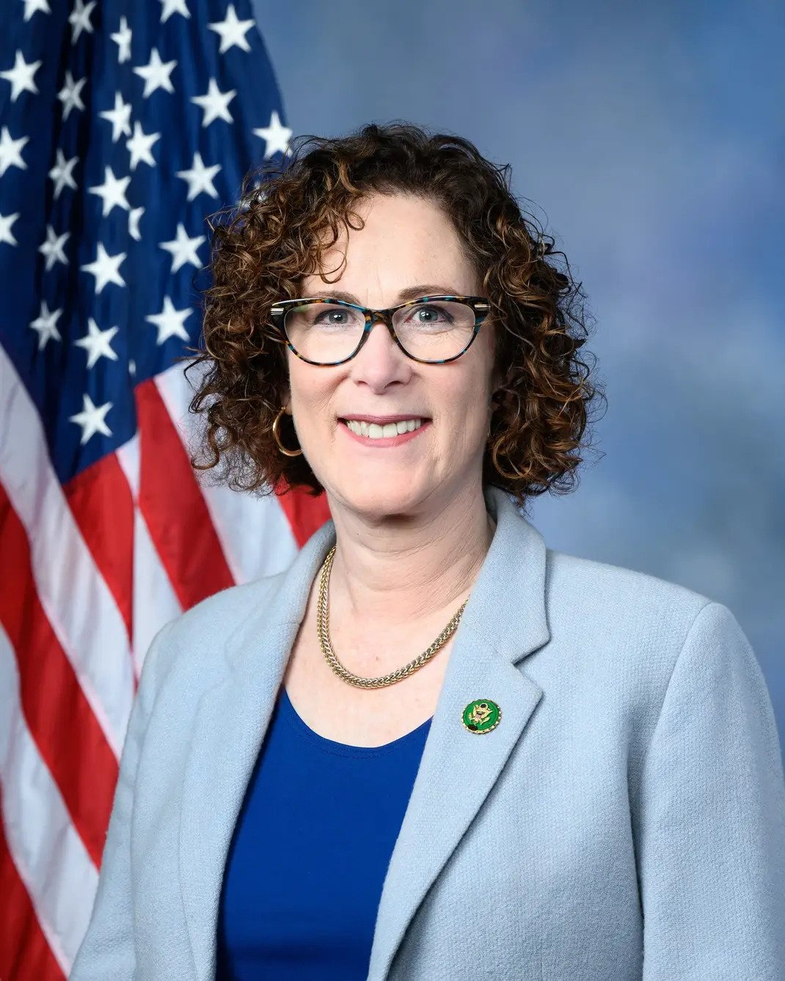
Co-Sponsor
-
TrackRaja Krishnamoorthi
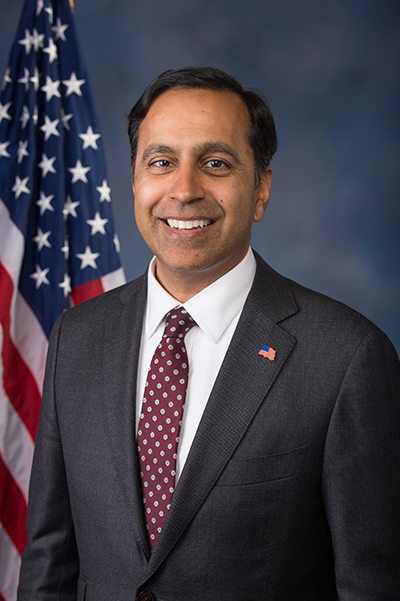
Co-Sponsor
-
TrackStephen F. Lynch
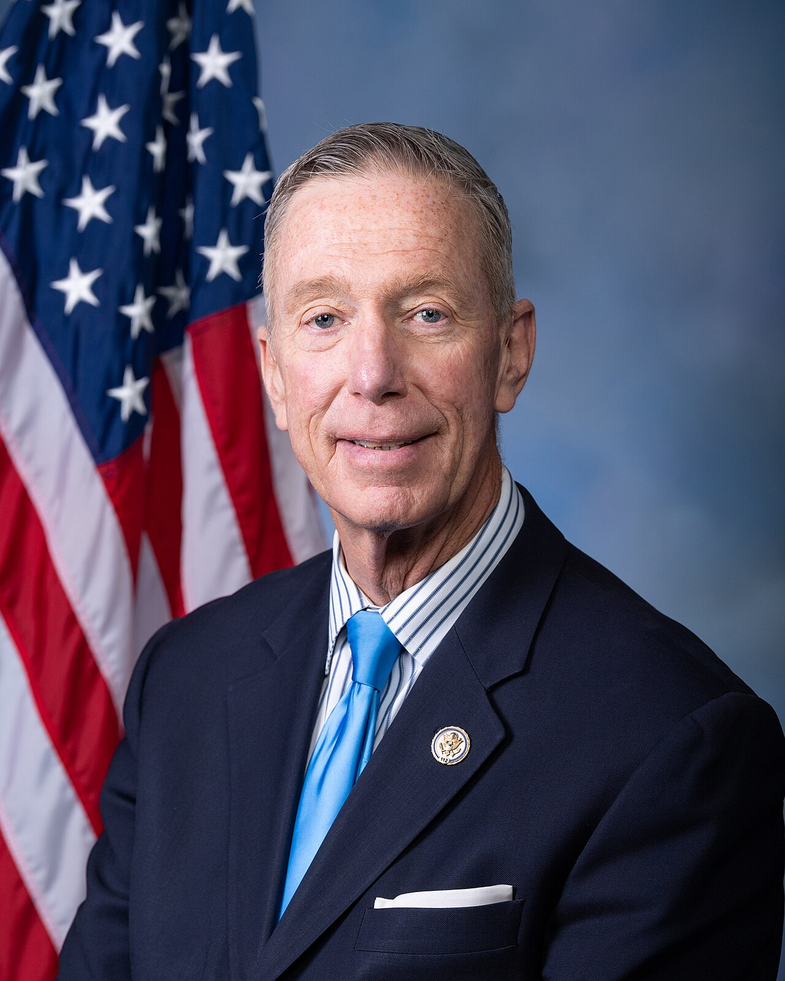
Co-Sponsor
-
TrackLucy McBath
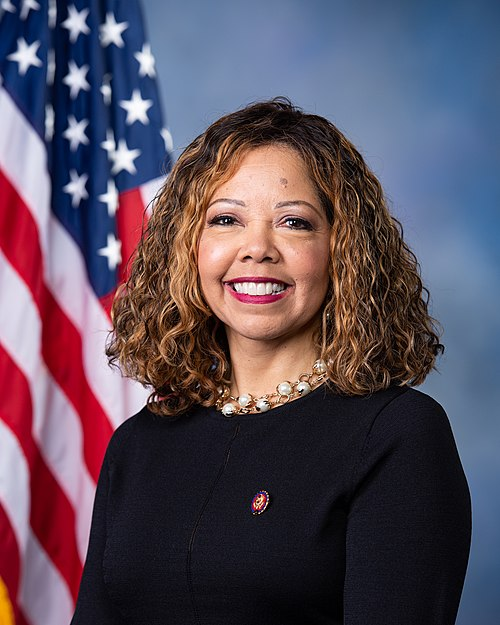
Co-Sponsor
-
TrackSeth Moulton
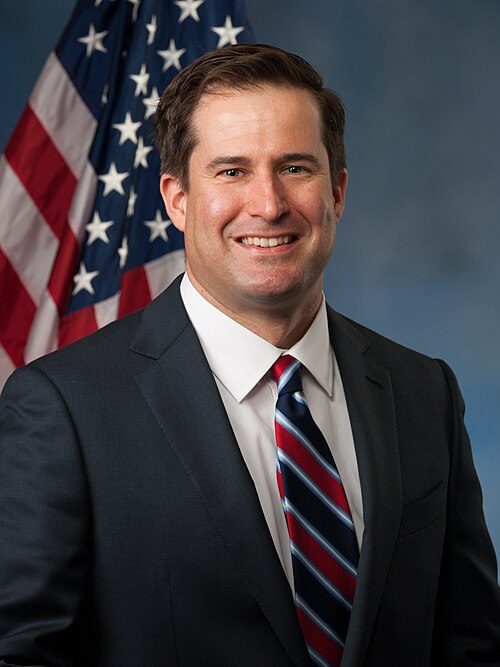
Co-Sponsor
-
TrackEleanor Holmes Norton

Co-Sponsor
-
TrackBrittany Pettersen
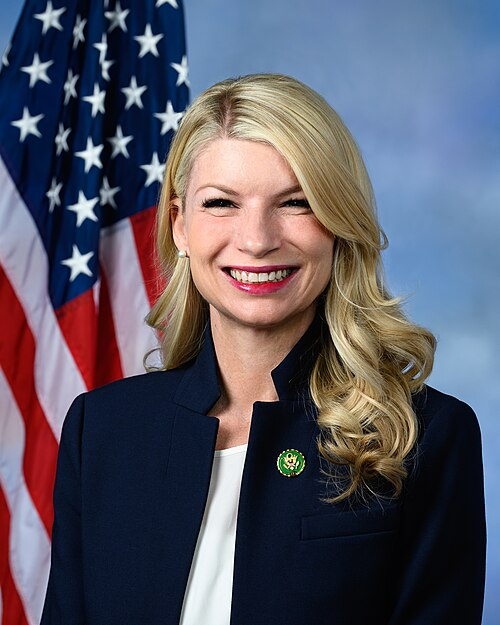
Co-Sponsor
-
TrackRashida Tlaib
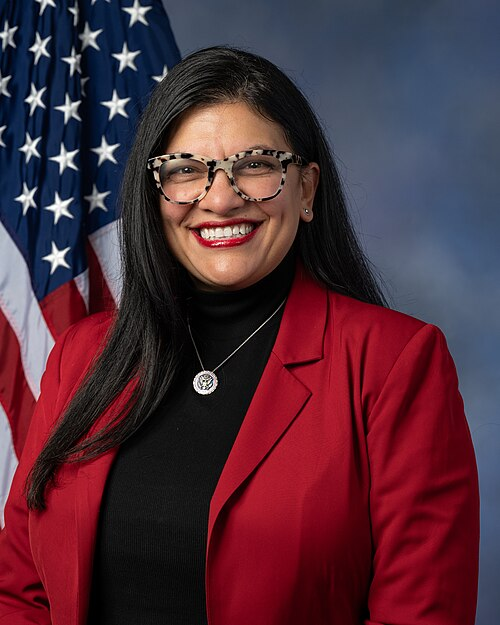
Co-Sponsor
-
TrackNydia M. Velázquez
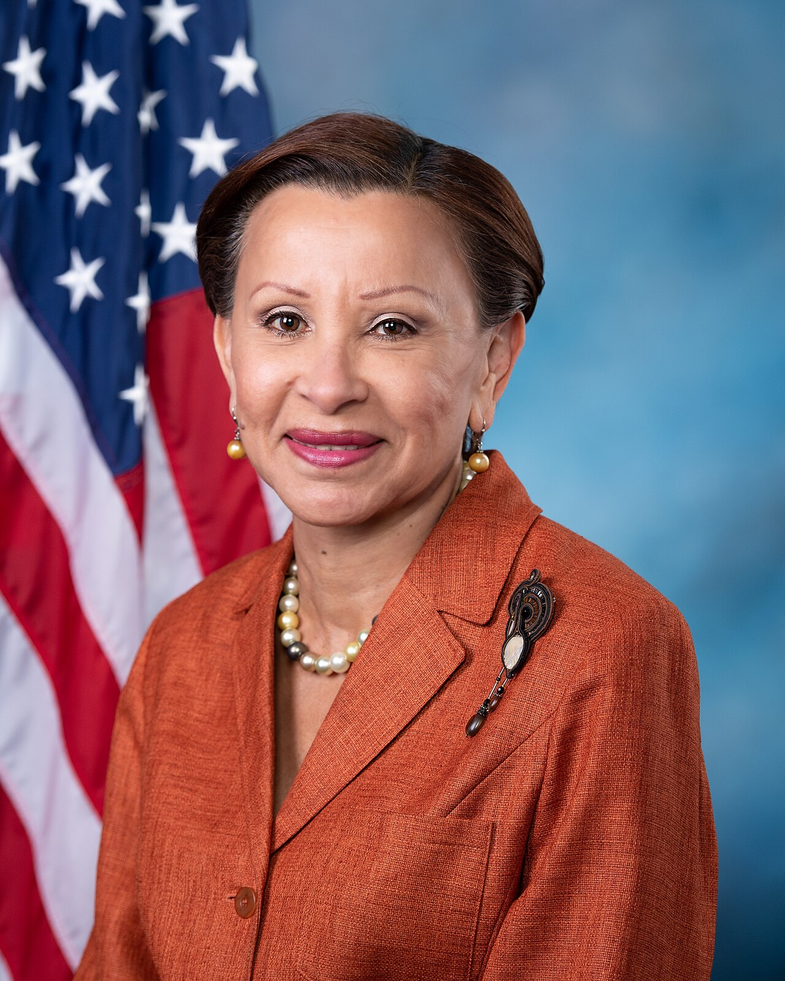
Co-Sponsor
-
Tracknan

Co-Sponsor
Actions
3 actions
| Date | Action |
|---|---|
| Jun. 11, 2026 | Introduced in House |
| Jun. 11, 2026 | Referred to the House Committee on Education and Workforce. |
| Jun. 11, 2026 | Sponsor introductory remarks on measure. (CR H4102) |
Corporate Lobbying
0 companies lobbying
None found.
* Note that there can be significant delays in lobbying disclosures, and our data may be incomplete.
Potentially Relevant Congressional Stock Trades
No relevant congressional stock trades found.