
H.R. 9237: Take Care of America’s Veterans Act
The "Take Care of America’s Veterans Act" is designed to improve the benefits and services provided to veterans and their families by amending existing laws and enhancing the efficiency of the Department of Veterans Affairs (VA). The key provisions of the bill include:
Streamlining Claims and Benefits
The bill requires the Secretary of Veterans Affairs to create guidelines to expedite the processing of veterans' claims within a year of the bill's enactment. This includes defining the types of evidence necessary for advancing claims cases and mandating annual reporting on the progress made in claims processing. Additionally, there will be improvements in the accuracy of disability ratings for conditions such as sleep apnea and tinnitus.
Support for Transitioning Service Members
For about-to-be retirees, the bill mandates approaches to ensure that service members receive adequate pre-separation documentation and counseling. It requires annual reports on program participation and proposes to standardize presentations on veteran benefits. There will also be studies to assess programs designed to help service members transition back into civilian life.
Health Care Innovations
The bill allocates funds to create a research graining program focused on minor traumatic brain injury (mTBI) treatments for veterans, with strict eligibility criteria. It mandates a pilot program to improve clinical outcomes, health services for veterans in associated states, and to address rural health care challenges. Participants may have to apply, ensuring that those included are suited for the program aimed at collecting health data and establishing benchmarks.
Access to Care and Facilities
The bill includes provisions requiring medical facilities to offer temporary housing for veterans traveling long distances for care. It also initiates partnerships between the VA and local rural medical facilities to enhance access to care and streamline costs for veterans.
Support for Military Sexual Trauma and Service Animals
It requires that the VA provide care for veterans dealing with military sexual trauma, including information about available services. Furthermore, there is a proposal for grants to be allocated for service dogs for eligible veterans, alongside specific administration details for the program.
Cybersecurity and Administrative Changes
To protect sensitive data, the bill allocates $200 million towards enhancing cybersecurity measures within the VA, notably transitioning to a zero trust architecture. It will also establish a new Under Secretary for Management and CFO to oversee financial operations, ensuring better acquisition and budget management.
Community Care and Mental Health
The act modifies existing community care eligibility protocols, improving communication regarding eligibility determinations and ensuring veterans receive timely notifications. Veterans will also be offered options for non-Department medical facilities, emphasizing quality between mental health treatment programs with specific oversight and reporting requirements.
Enhancements in Rehabilitation and Staff Management
The Secretary of Veterans Affairs is mandated to develop plans that enhance access to mental health residential treatment and report on these initiatives within a year. This includes improving staffing processes and providing educational reimbursements for VA personnel.
Financial Accountability and Reporting Requirements
The Secretary must notify Congress and impacted staff before any workforce reductions, providing detailed reports about affected offices and potential budget impacts. Furthermore, there are requirements for creating reports on capital asset needs and developing telemedicine services for controlled substances.
Innovative Care Models
The establishment of an Innovation Center aims to test new healthcare models with the goal of improving care quality and reducing costs associated with veterans' health services. This includes a concerted effort to consult veterans service organizations in the planning processes.
Relevant Companies
- VA: As a major provider of veterans' health benefits, changes on how the VA operates and offers services could significantly impact the company's operations and service delivery models.
This is an AI-generated summary of the bill text. There may be mistakes.
Sponsors
31 bill sponsors
-
TrackMike Bost
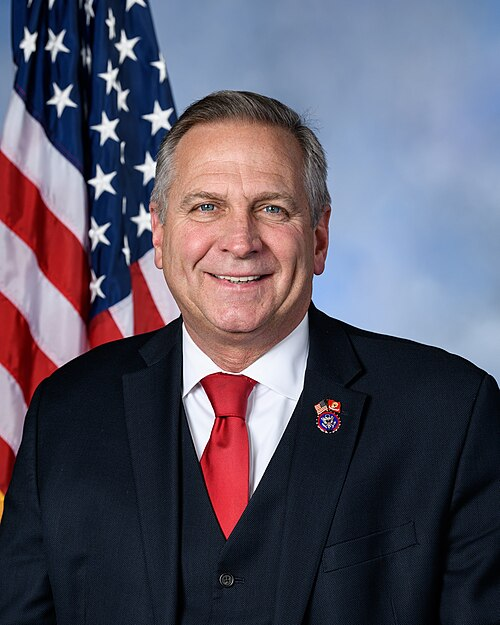
Sponsor
-
TrackDon Bacon
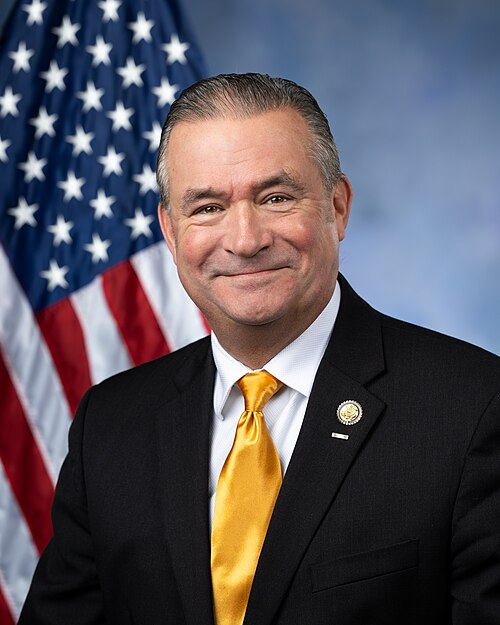
Co-Sponsor
-
TrackJames R. Baird
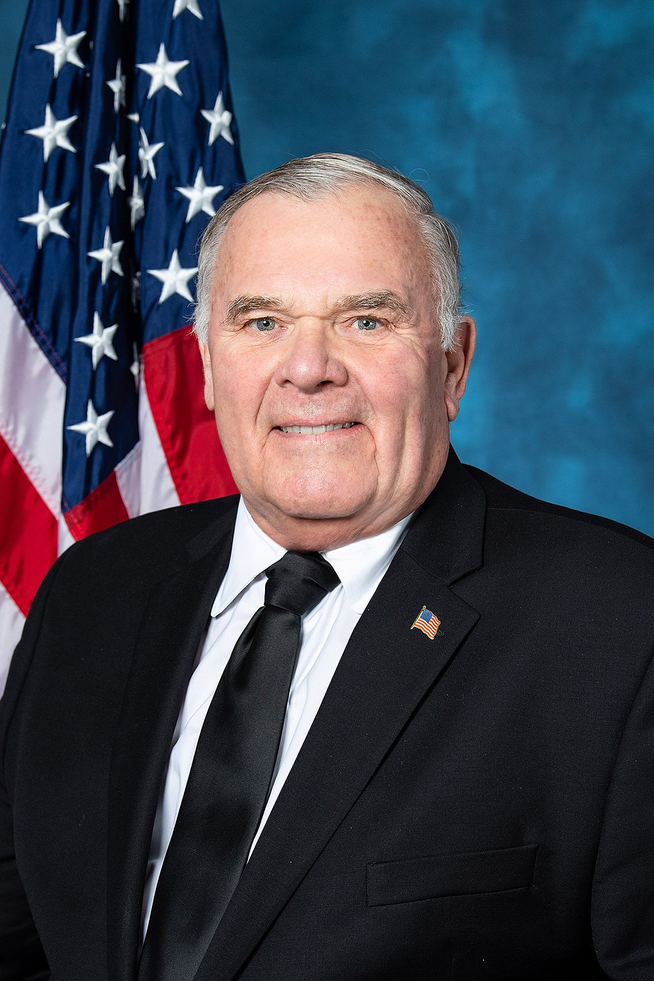
Co-Sponsor
-
TrackTom Barrett
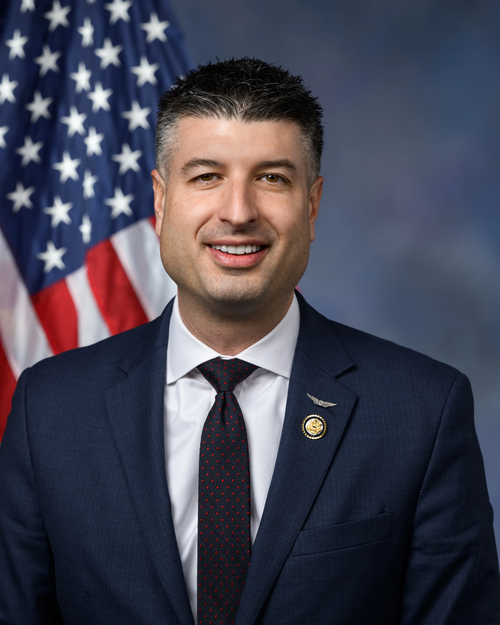
Co-Sponsor
-
TrackJack Bergman
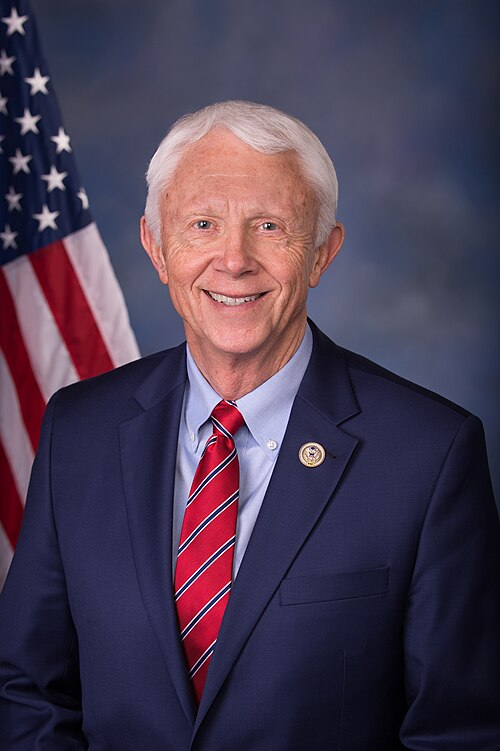
Co-Sponsor
-
TrackGus M. Bilirakis

Co-Sponsor
-
TrackJuan Ciscomani
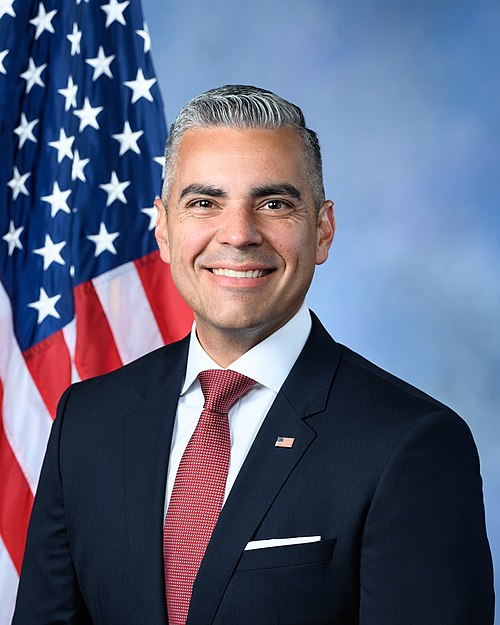
Co-Sponsor
-
TrackChuck Edwards
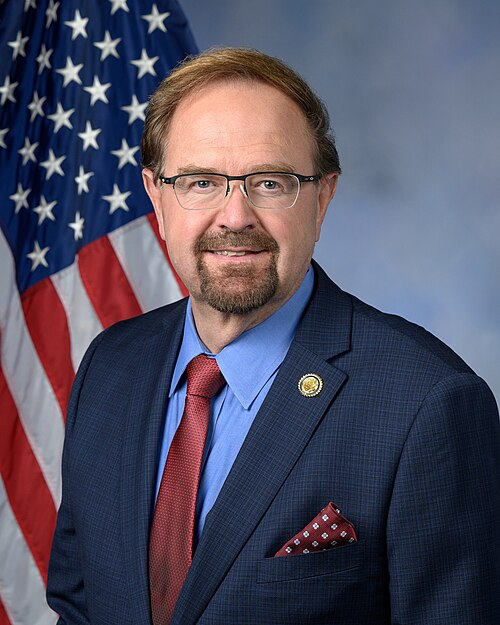
Co-Sponsor
-
TrackMichelle Fischbach
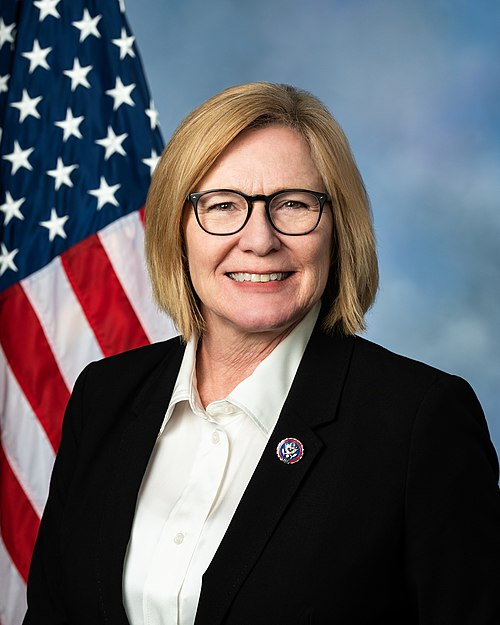
Co-Sponsor
-
TrackAbraham Hamadeh
Co-Sponsor
-
TrackJ. French Hill
Co-Sponsor
-
TrackRichard Hudson
Co-Sponsor
-
TrackMike Kelly
Co-Sponsor
-
TrackJennifer Kiggans
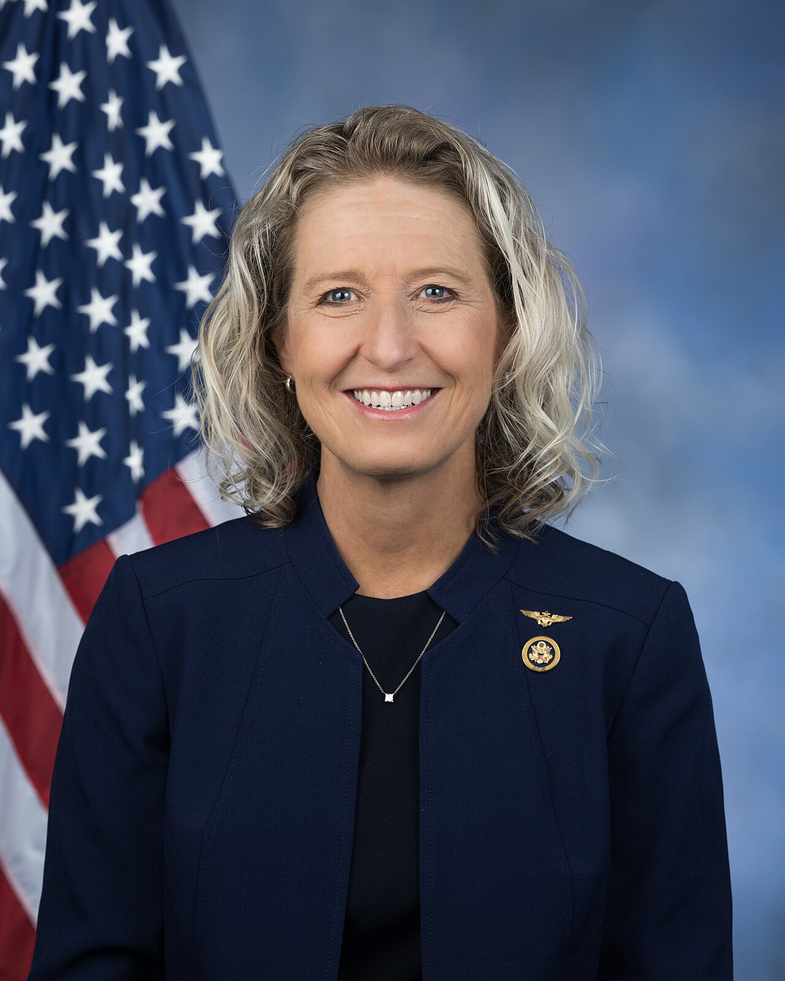
Co-Sponsor
-
TrackKimberlyn King-Hinds
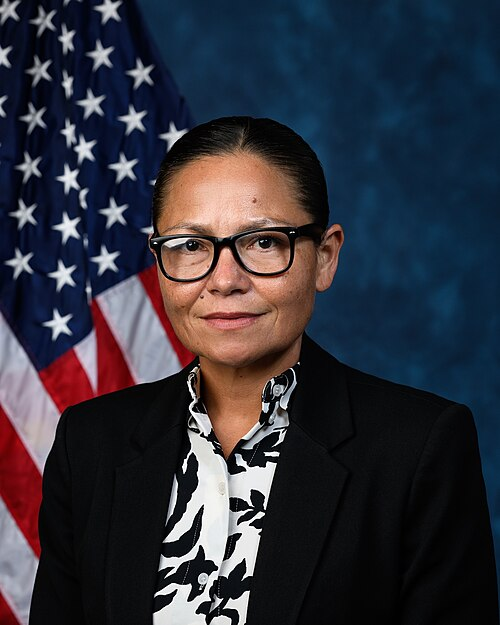
Co-Sponsor
-
TrackMichael Lawler
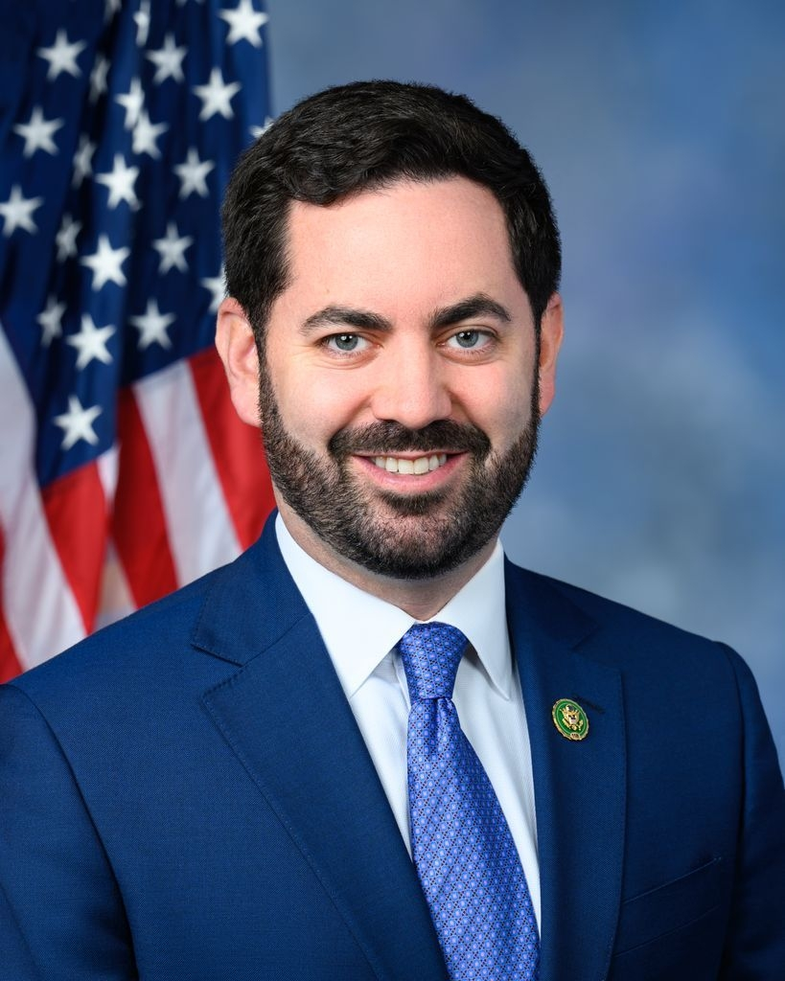
Co-Sponsor
-
TrackMorgan Luttrell
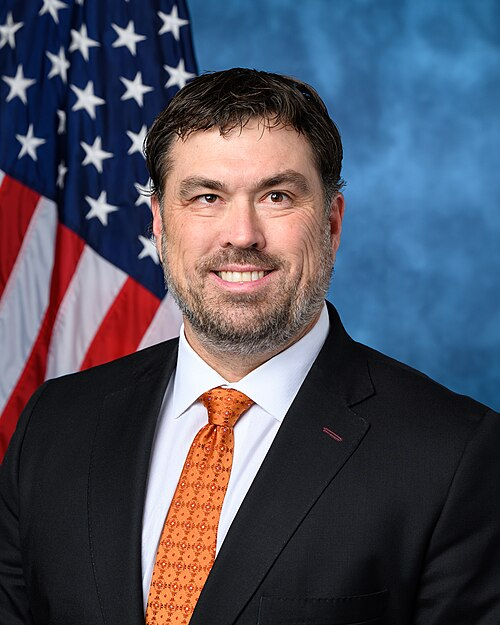
Co-Sponsor
-
TrackNicole Malliotakis
Co-Sponsor
-
TrackJohn McGuire
Co-Sponsor
-
TrackDaniel Meuser
Co-Sponsor
-
TrackMariannette Miller-Meeks
Co-Sponsor
-
TrackJohn R. Moolenaar

Co-Sponsor
-
TrackBarry Moore
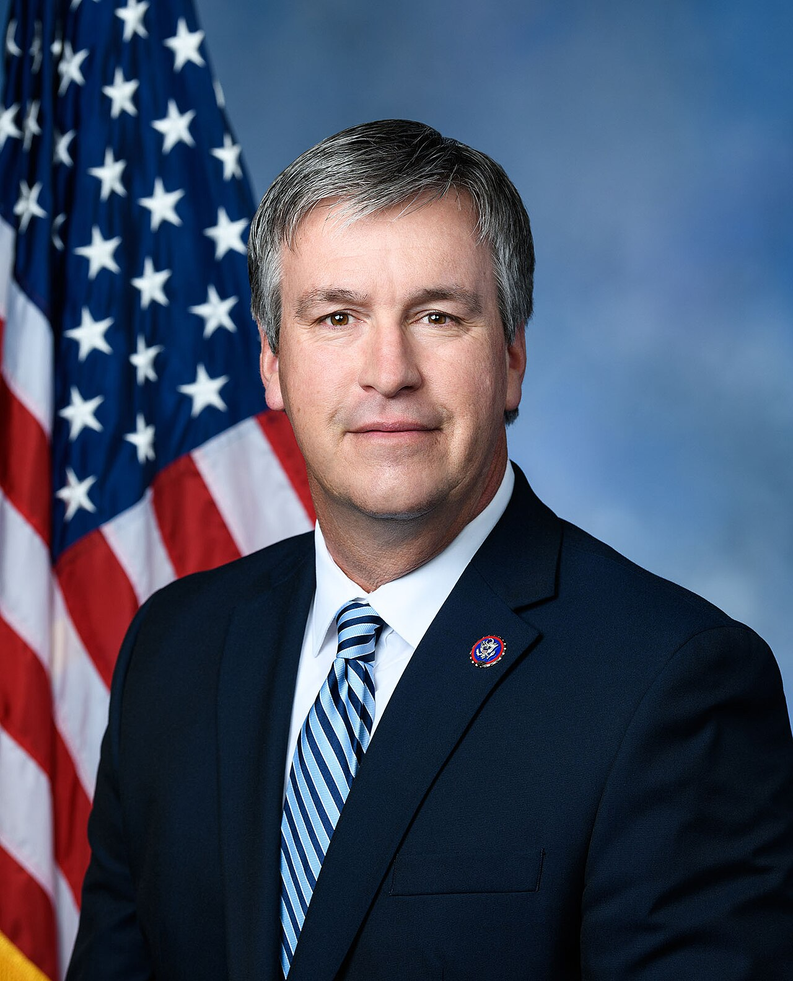
Co-Sponsor
-
TrackGregory F. Murphy
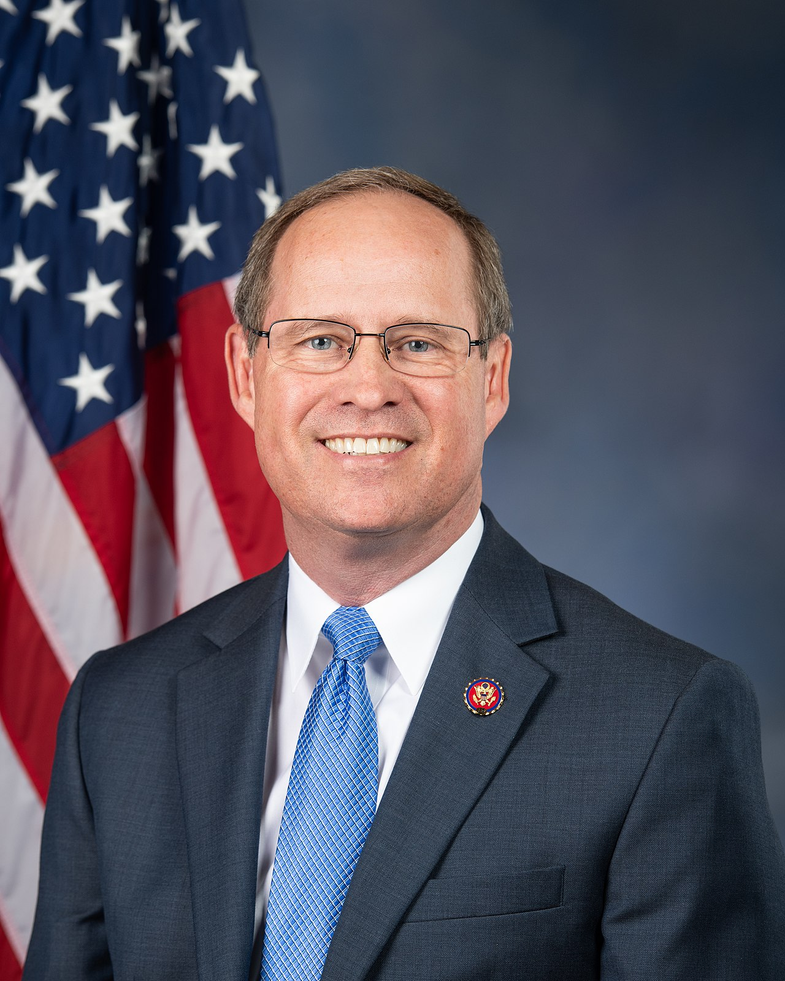
Co-Sponsor
-
TrackDan Newhouse
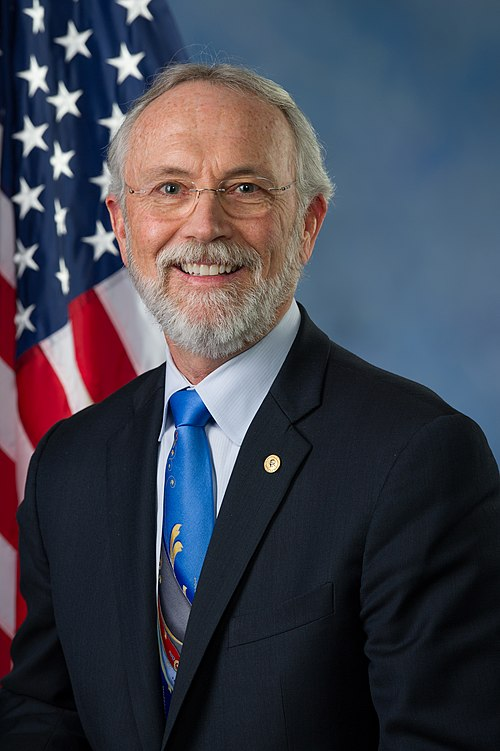
Co-Sponsor
-
TrackJay Obernolte
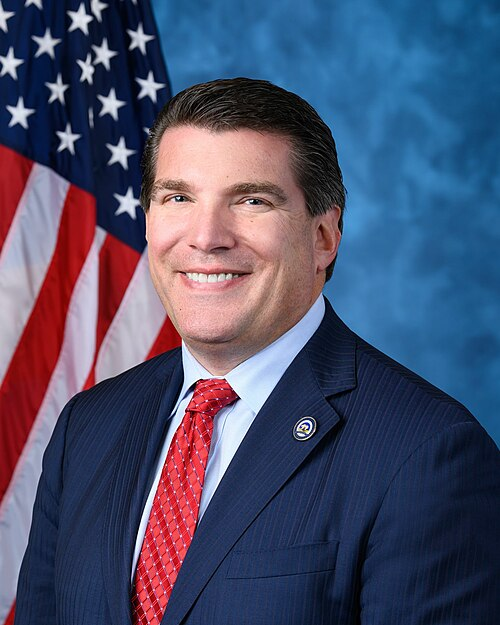
Co-Sponsor
-
TrackAumua Amata Coleman Radewagen
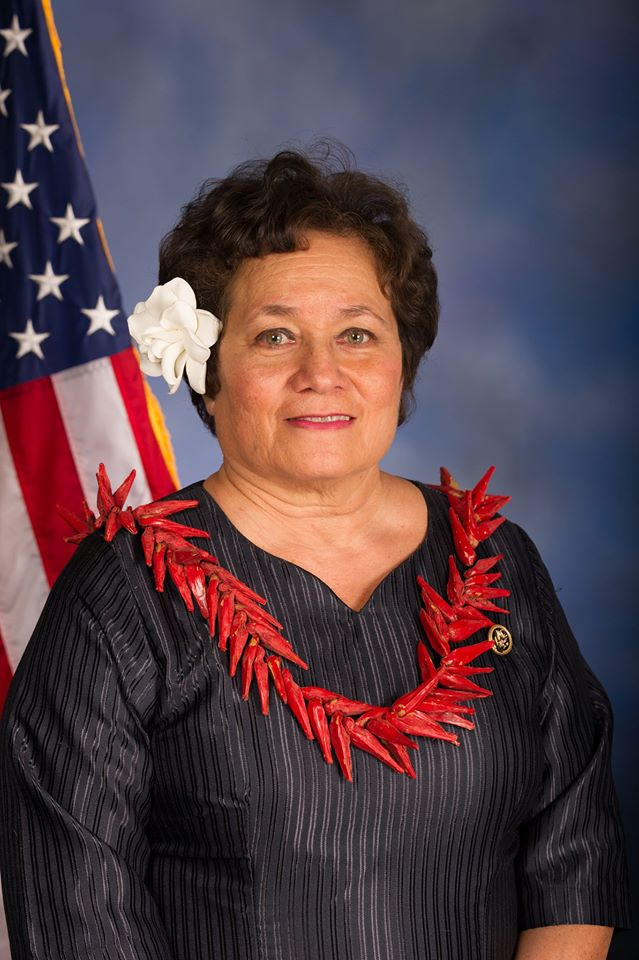
Co-Sponsor
-
TrackPete Stauber
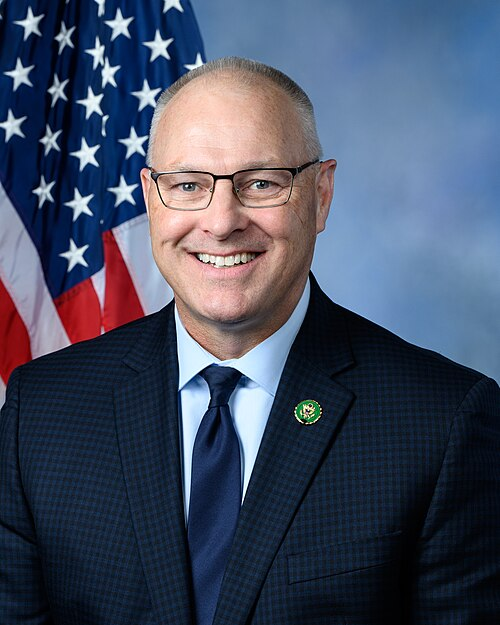
Co-Sponsor
-
TrackDavid Taylor
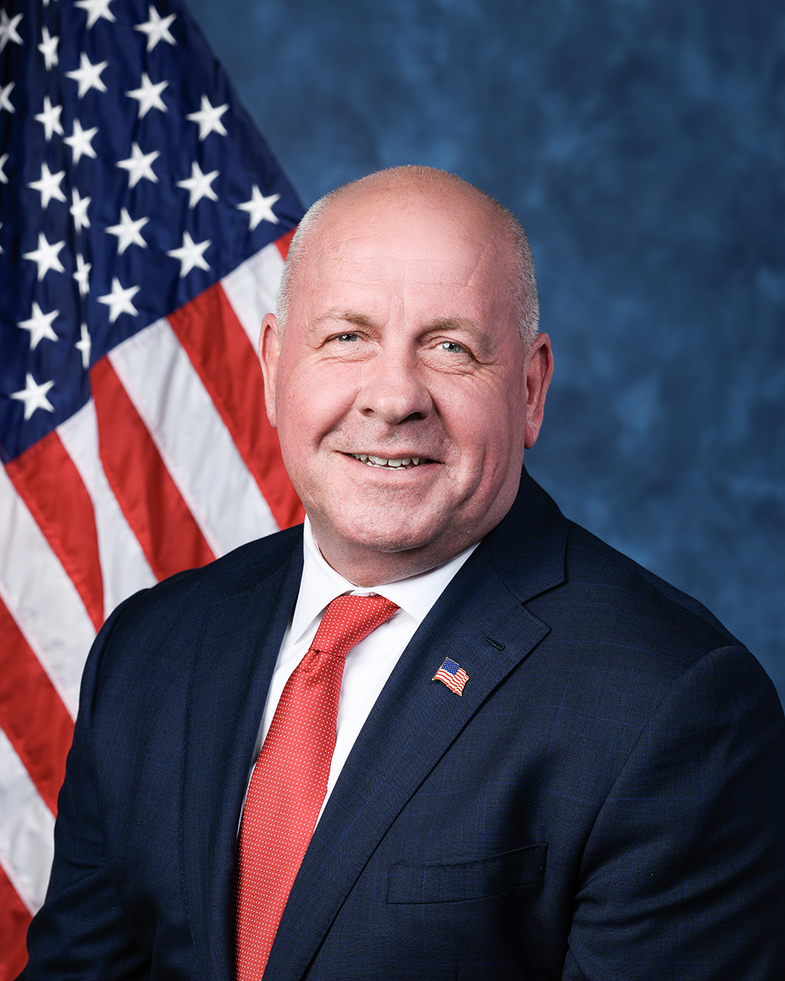
Co-Sponsor
-
TrackClaudia Tenney
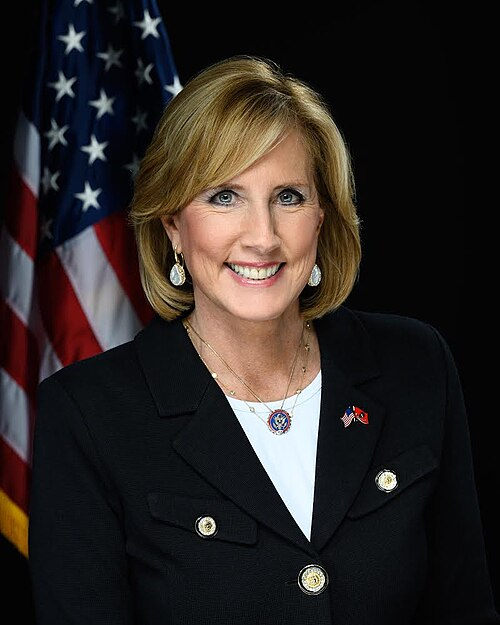
Co-Sponsor
-
TrackDerrick Van Orden
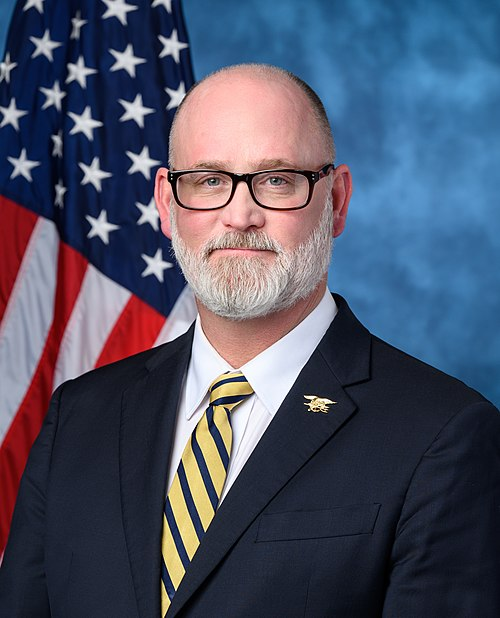
Co-Sponsor
Actions
14 actions
| Date | Action |
|---|---|
| Jul. 16, 2026 | Considered as unfinished business. (consideration: CR H4614-4615) |
| Jul. 16, 2026 | Considered under the provisions of rule H. Res. 1423. (consideration: CR H4548-4613; text: CR H4548-4613) |
| Jul. 16, 2026 | DEBATE - The House proceeded with one hour of debate on H.R. 9237. |
| Jul. 16, 2026 | Mr. Deluzio moved to recommit to the Committee on Veterans' Affairs. (CR H4613) |
| Jul. 16, 2026 | On motion to recommit Failed by the Yeas and Nays: 210 - 211 (Roll no. 249). |
| Jul. 16, 2026 | POSTPONED PROCEEDINGS - At the conclusion of debate on H.R. 9237, the Chair put the question on motion to recommit and by voice vote, announced the noes had prevailed. Mr. Deluzio demanded the yeas and nays and the Chair postponed further proceedings until a time to be announced. |
| Jul. 16, 2026 | POSTPONED PROCEEDINGS - Pursuant to clause 1(c) of rule XIX, the Chair announced further proceedings on H.R. 9237 is postponed. |
| Jul. 16, 2026 | Rule provides for consideration of H.R. 139, H.R. 8595, H.R. 9237 and H.R. 1181. The resolution provides for consideration of H.R. 139, H.R. 9237, and H.R. 1181 under a closed rule, and H.R. 8595 under a structured rule with one hour of debate and one motion to reconsider on each bill. |
| Jul. 16, 2026 | The previous question on the motion to recommit was ordered pursuant to clause 2(b) of rule XIX. |
| Jul. 16, 2026 | The previous question was ordered pursuant to the rule. |
| Jul. 13, 2026 | Rules Committee Resolution H. Res. 1423 Reported to House. Rule provides for consideration of H.R. 139, H.R. 8595, H.R. 9237 and H.R. 1181. The resolution provides for consideration of H.R. 139, H.R. 9237, and H.R. 1181 under a closed rule, and H.R. 8595 under a structured rule with one hour of debate and one motion to reconsider on each bill. |
| Jun. 23, 2026 | Rules Committee Resolution H. Res. 1377 Reported to House. Rule provides for consideration of H.R. 1181, H.R. 9022, H.R. 8595 and H.R. 9237. The resolution provides for consideration of H.R. 1181 and H.R. 9237 under a closed rule and H.R. 9022 and H.R. 8595 under a structured rule. The resolution provides for one hour of general debate and one motion to recommit on each bill. |
| Jun. 10, 2026 | Introduced in House |
| Jun. 10, 2026 | Referred to the Committee on Veterans' Affairs, and in addition to the Committee on Armed Services, for a period to be subsequently determined by the Speaker, in each case for consideration of such provisions as fall within the jurisdiction of the committee concerned. |
Corporate Lobbying
0 companies lobbying
None found.
* Note that there can be significant delays in lobbying disclosures, and our data may be incomplete.
Potentially Relevant Congressional Stock Trades
No relevant congressional stock trades found.