
H.R. 9222: Drain the Swamp Act
This bill would make a wide range of changes to federal ethics rules, campaign finance laws, voting rights enforcement, and congressional procedures.
Ethics and conflict-of-interest rules
The bill would place new limits on trading and financial activity by senior federal officials. It would ban certain federal officials from trading in prediction markets and restrict or prohibit some payments from foreign governments or foreign sources without congressional approval. It would also require more disclosure of payments connected to appointments, clemency, inaugural activities, and legal expenses, and it would create penalties for violations.
For the President and former Presidents, the bill would tighten ethics rules by limiting certain pardons and self-pardons, restricting foreign emoluments and payments, and allowing Congress to sue to enforce some of these rules. It would also let Congress strip some benefits from former Presidents after a felony conviction.
The bill would also expand ethics disclosure requirements and enforcement tools, and regulate some committees such as inaugural committees and legal expense committees.
Supreme Court and executive branch oversight
The bill would create a Supreme Court ethics and investigative counsel system, along with reporting requirements to Congress. It would also set Supreme Court term limits and add ethics rules for the Court.
In addition, it would create special oversight rules for certain criminal prosecutions involving the President, including a requirement for written certification by the Attorney General and review by a three-judge panel in some cases.
Congressional pay and term limits
The bill would cut congressional pay during government shutdowns or debt defaults. It would also propose term limits for members of Congress.
Campaign finance and election disclosure
The bill would expand campaign-finance reporting rules, including for some politically active organizations often referred to as dark-money groups. It would also require more disclosure around spending connected to judicial nominations.
Redistricting and gerrymandering
The bill would create new rules for congressional redistricting. States would be barred from redrawing districts in the middle of a decade except in limited circumstances, and they would have to provide transparent public input processes and comply with the Voting Rights Act.
It would prohibit partisan gerrymandering and prevent states from using candidate party information when drawing districts. If states miss required deadlines, courts could intervene and impose maps. Enforcement could come through the Department of Justice or private lawsuits.
Voting Rights Act expansion
The bill would significantly expand Voting Rights Act protections. It would broaden the kinds of claims voters can bring for vote dilution or denial, increase federal court and Attorney General oversight, and create new preclearance requirements for some jurisdictions and election changes.
It would also establish new coverage formulas, allow some jurisdictions to “bail out” of oversight if they meet certain conditions, and authorize federal courts to impose remedial redistricting plans when needed. The bill would bar use of legislative privilege to block enforcement in some cases.
Additional provisions would require faster public notice and more transparency for election changes, polling resources, and district data. It would also expand the authority of election observers and strengthen enforcement powers for the Attorney General and private plaintiffs.
Special election-related rules
The bill would define certain election changes as “covered practices” that need preclearance before taking effect in areas with significant minority populations. It would also create grants for small jurisdictions to help with compliance and administration.
Other penalties and restrictions
The bill would add restrictions and forfeiture provisions for officials convicted of certain offenses. It would also ban certain federal officials from trading in prediction markets.
Relevant Companies
- None found
This is an AI-generated summary of the bill text. There may be mistakes.
Sponsors
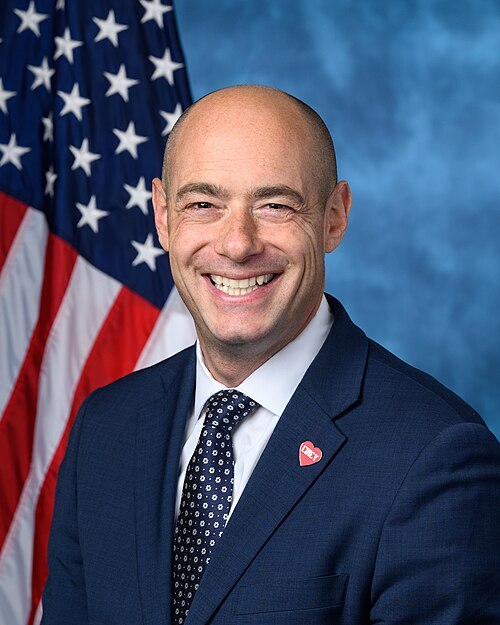
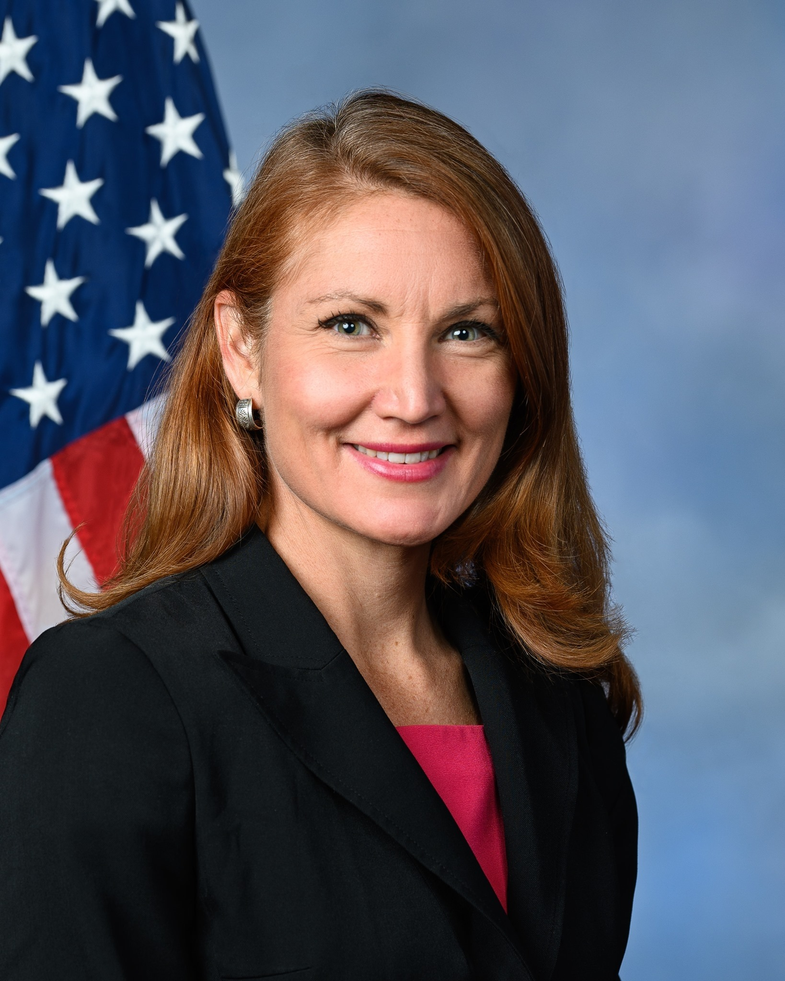
3 bill sponsors

Actions
2 actions
| Date | Action |
|---|---|
| Jun. 09, 2026 | Introduced in House |
| Jun. 09, 2026 | Referred to the Committee on the Judiciary, and in addition to the Committees on Oversight and Government Reform, House Administration, Ways and Means, and Rules, for a period to be subsequently determined by the Speaker, in each case for consideration of such provisions as fall within the jurisdiction of the committee concerned. |
Corporate Lobbying
0 companies lobbying
None found.
* Note that there can be significant delays in lobbying disclosures, and our data may be incomplete.
Potentially Relevant Congressional Stock Trades
No relevant congressional stock trades found.