H.R. 9218: Marcus’s Law
This bill, called Marcus’s Law, would require public school districts and other local educational agencies that receive certain federal education funds to make some high school students get two heart tests before they can join an athletic contest for the first time in grades 9 through 12.
What the bill would require
Starting with the 2026–2027 school year, students in grades 9–12 would need to receive:
- An electrocardiogram (ECG or EKG), which checks the heart’s electrical activity; and
- An echocardiogram, which is an ultrasound that shows the heart’s structure and function.
This requirement would apply before a student participates in a school athletic contest for the first time during high school.
When the screening can happen
The tests could be done any time starting on the first day of the school year in which the student begins 9th grade. They must be completed before the student’s first athletic contest in grades 9–12.
School partnerships to provide the tests
School districts would have to work with a public or private entity to offer the required screenings for no more than $20 per student. This partnership would need to be in place by the first sports season that begins after the law takes effect.
If a district cannot find a partnership, it would have to show the federal Education Secretary that it tried. If the Secretary agrees the district made enough effort, the district could get a waiver for that sports season. The district would still have to keep trying to arrange a partnership for the next season.
Exemptions
Schools would not have to require the screenings for a student if:
- the screening conflicts with the religious beliefs or practices of the student or parent; or
- a physician provides documentation explaining why the student should not have the screening.
Who is covered
The bill defines an “athletic contest” broadly to include school games, matches, meets, and tournaments for secondary school athletes. It applies to local educational agencies that receive certain federal education funds.
Relevant Companies
- GE — May be indirectly affected through demand for medical imaging equipment used for echocardiograms.
- PHG — May be indirectly affected if school screening programs increase use of diagnostic imaging systems.
- UNH — Could be indirectly affected if insurers or health service networks are involved in covering or administering the tests.
- CVS — Could be indirectly affected if pharmacy/health clinic operations participate in screening partnerships.
This is an AI-generated summary of the bill text. There may be mistakes.
Sponsors
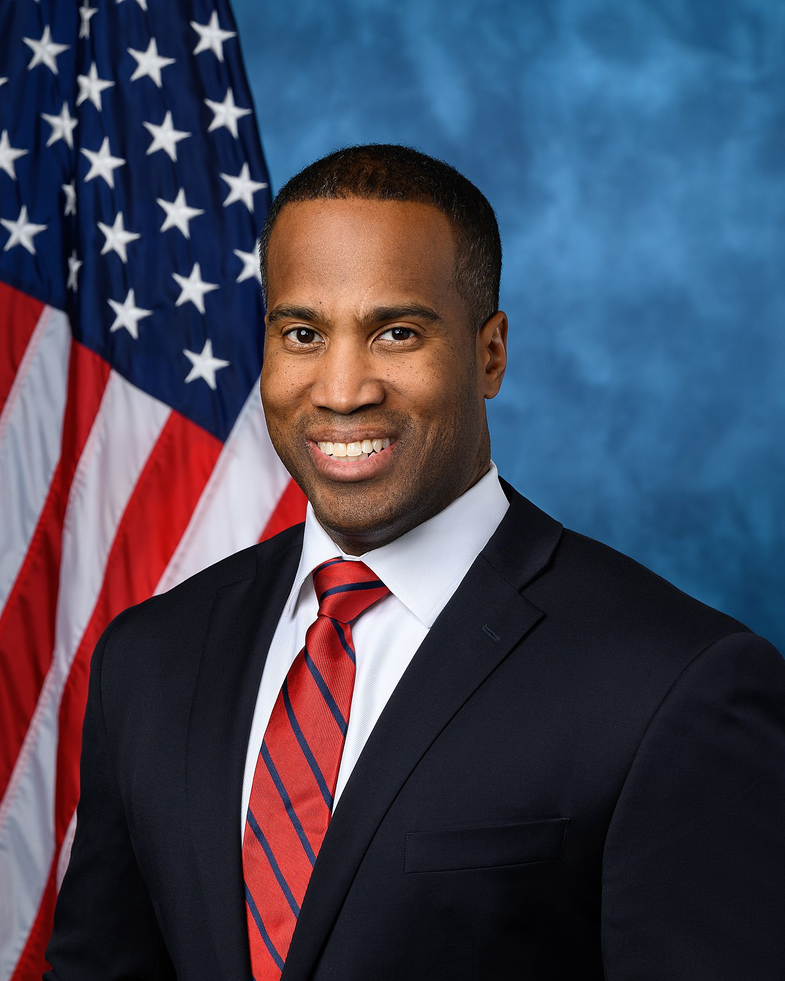
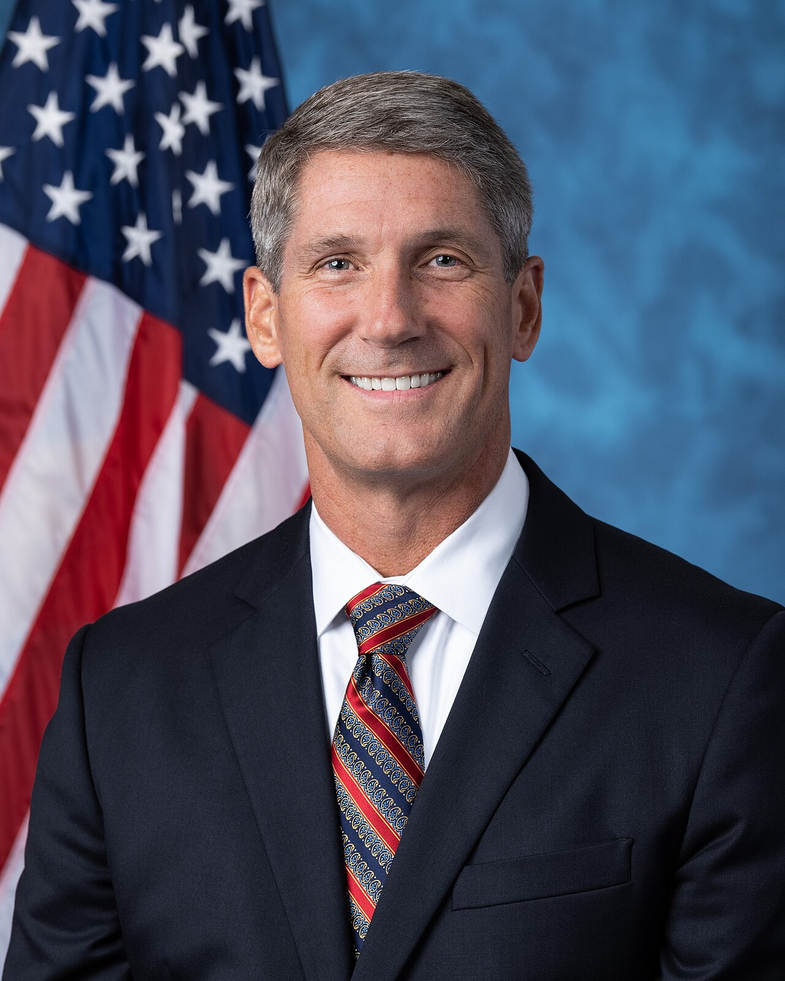
2 bill sponsors

Actions
2 actions
| Date | Action |
|---|---|
| Jun. 09, 2026 | Introduced in House |
| Jun. 09, 2026 | Referred to the House Committee on Education and Workforce. |
Corporate Lobbying
0 companies lobbying
None found.
* Note that there can be significant delays in lobbying disclosures, and our data may be incomplete.