H.R. 9199: Permanent Trump Secure Border Act
This bill would make a wide set of changes to immigration and border policy. It focuses on border security, asylum, detention, parole, hiring for Customs and Border Protection (CBP), and related enforcement tools.
Border barriers and surveillance
The bill would restart and expand construction of physical barriers along the border, and it would increase use of surveillance and other monitoring technology. It also directs CBP to plan for technology upgrades and improvements to its border operations.
CBP staffing, hiring, and oversight
The bill would expand staffing levels and authorize bonuses and other hiring incentives for CBP personnel. It also creates special hiring flexibility for anti-corruption purposes, but adds conditions and oversight rules.
For some CBP personnel waivers, the agency would have to certify that staffing requirements are being met. Those waivers would not remove other hiring checks. In some cases, they could trigger higher-level background investigations and polygraph testing. CBP would also have to report each year on waivers, hiring, and the effects of these policies. The bill requires the Secretary to increase the number of trained polygraph examiners to at least 150 by September 30, 2025.
Asylum restrictions
The bill would tighten the asylum system in several ways. It would narrow who can qualify, limit eligibility for people with certain criminal histories or prior refusals, and require most applicants to arrive at a port of entry. It would also add fees, restrict access to work permits, and narrow some types of claims based on membership in a “social group.”
The bill also requires several studies and reports related to border security and migration.
Detention, removal, and enforcement
The bill would expand and speed up detention and return procedures at the border. It would restart use of detention facilities, strengthen arrangements with other countries for regional migration management, and impose tighter rules around detention and return of families and children. It would also increase penalties related to visa overstays and other immigration enforcement violations.
Parole limits
The bill would sharply restrict the government’s authority to grant immigration parole. Parole would be limited to urgent humanitarian or law-enforcement situations, and the bill gives it a narrow definition. It would generally be limited to one-year terms, would not automatically give immigration benefits or work authorization, and would come with reporting requirements.
The bill also sets effective dates, preserves some pending applications made before the new rules take effect, allows lawsuits challenging unlawful implementation, and repeals certain regulations related to H-2A agricultural workers.
Relevant Companies
- None found
This is an AI-generated summary of the bill text. There may be mistakes.
Sponsors
16 bill sponsors
-
TrackChip Roy
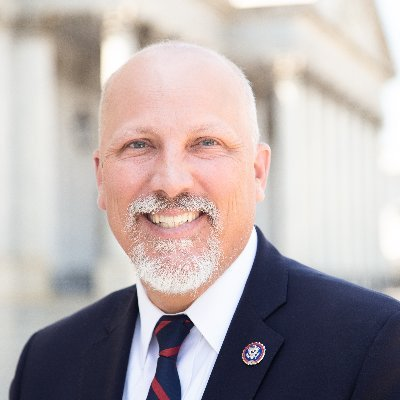
Sponsor
-
TrackSheri Biggs
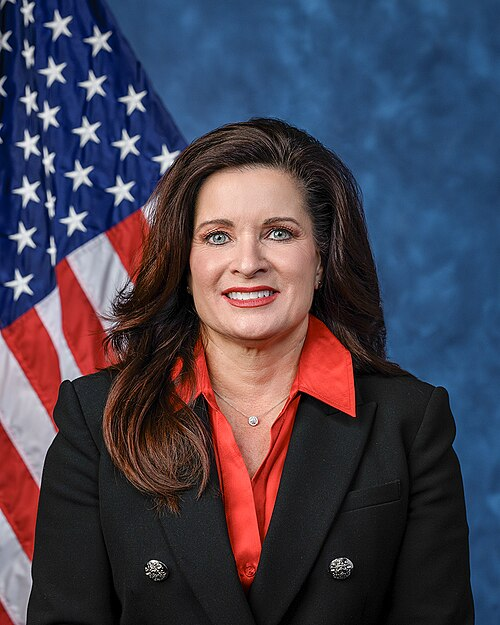
Co-Sponsor
-
TrackLauren Boebert
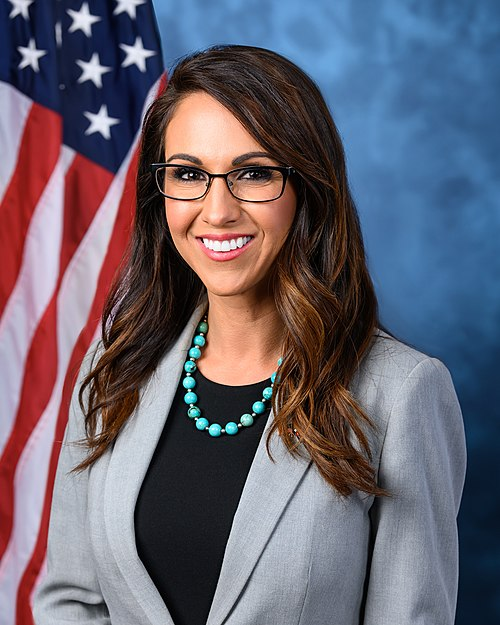
Co-Sponsor
-
TrackMichael Cloud
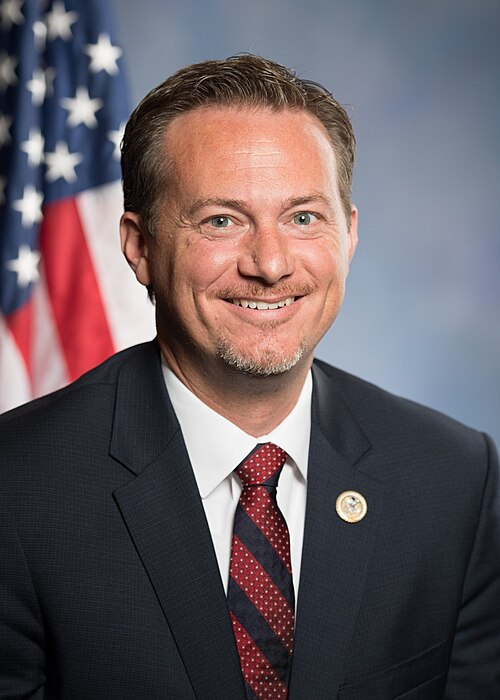
Co-Sponsor
-
TrackAndrew S. Clyde
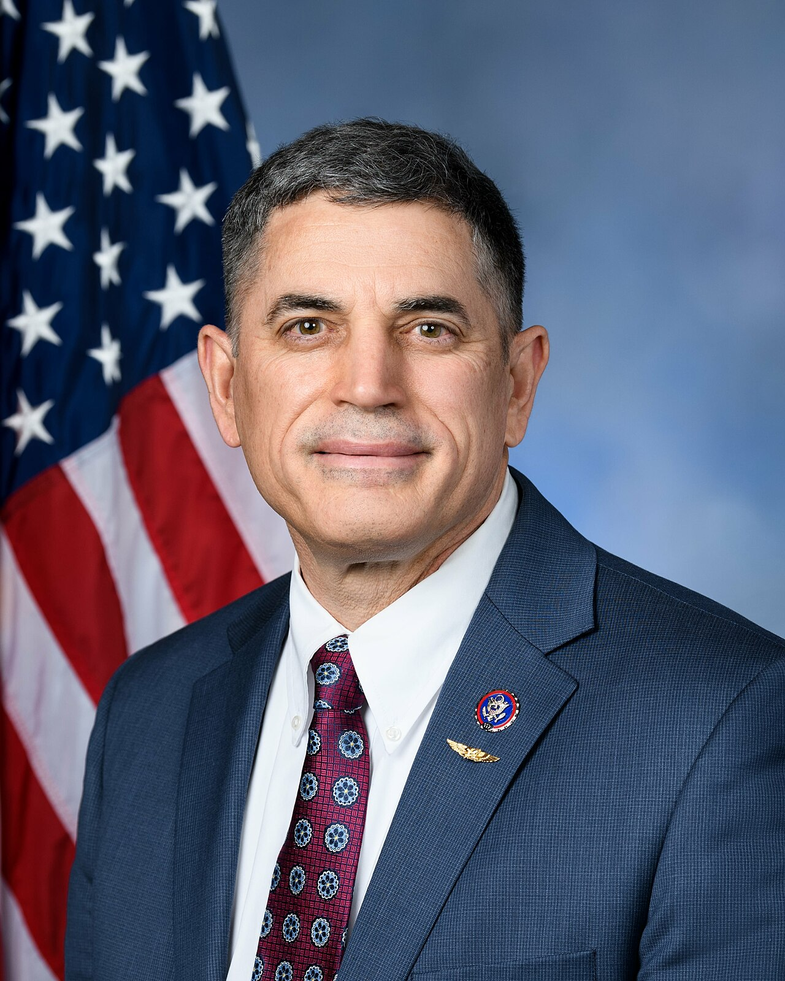
Co-Sponsor
-
TrackByron Donalds
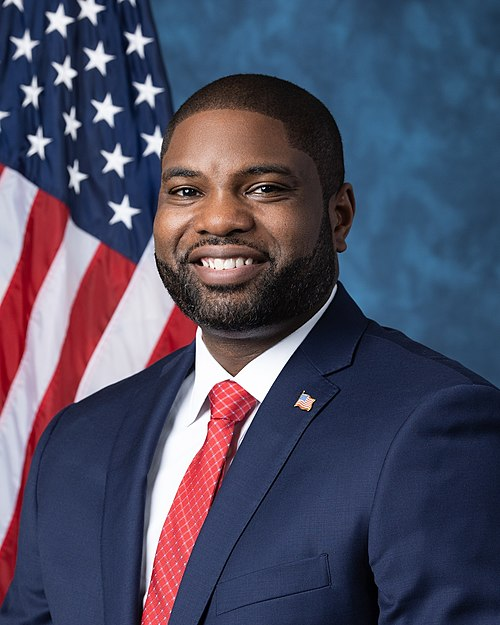
Co-Sponsor
-
TrackPaul A. Gosar

Co-Sponsor
-
TrackAndy Harris
Co-Sponsor
-
TrackMark Harris
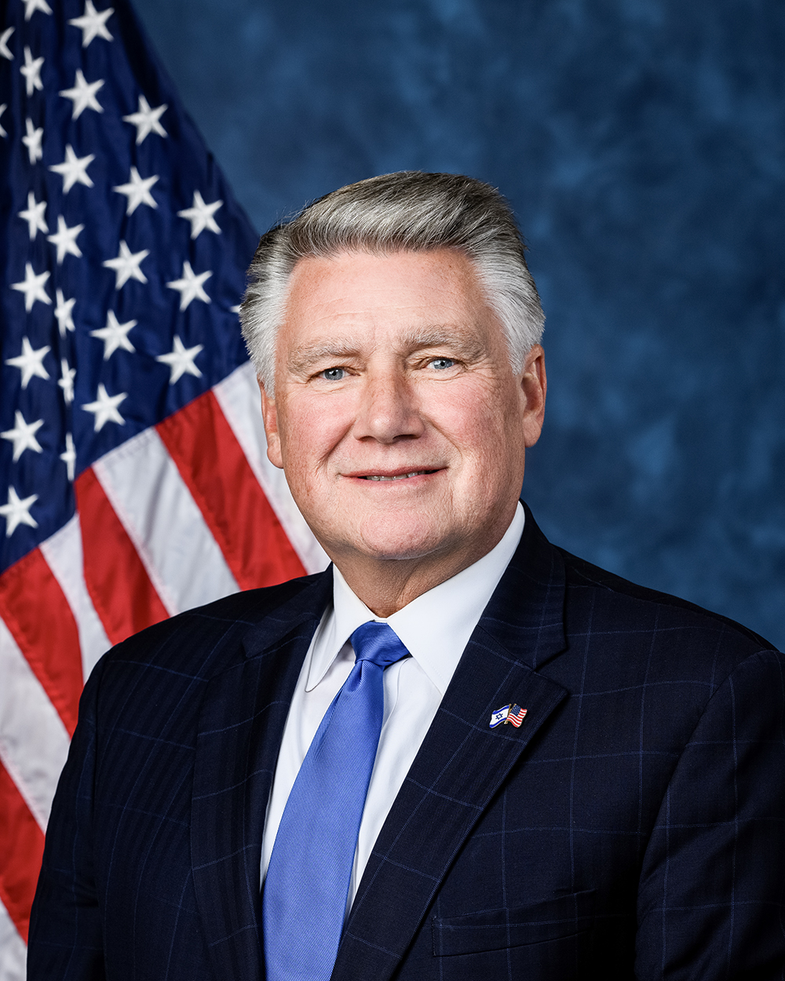
Co-Sponsor
-
TrackClay Higgins
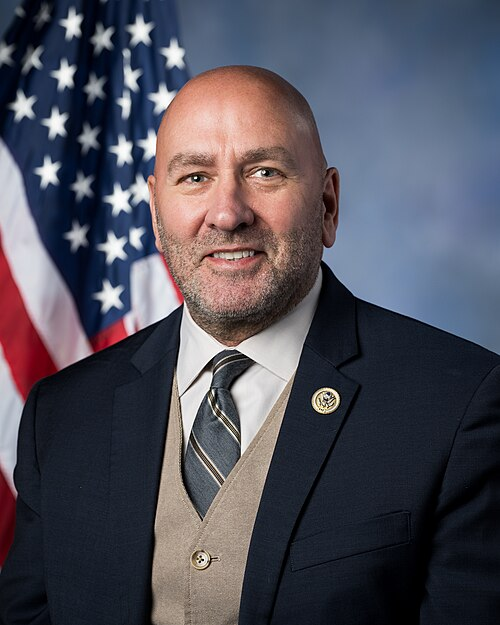
Co-Sponsor
-
TrackWesley Hunt
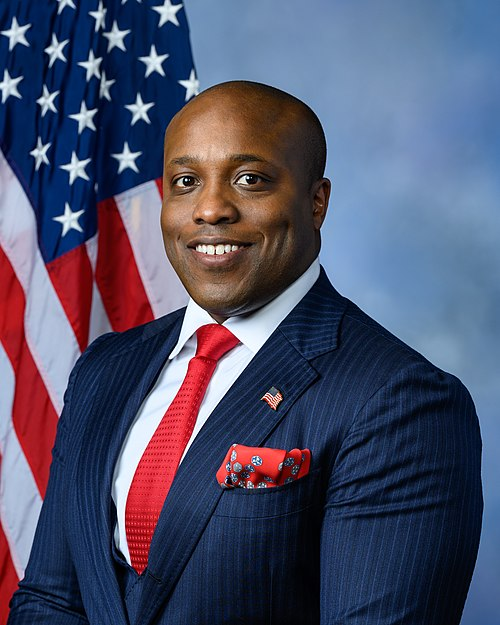
Co-Sponsor
-
TrackRonny Jackson
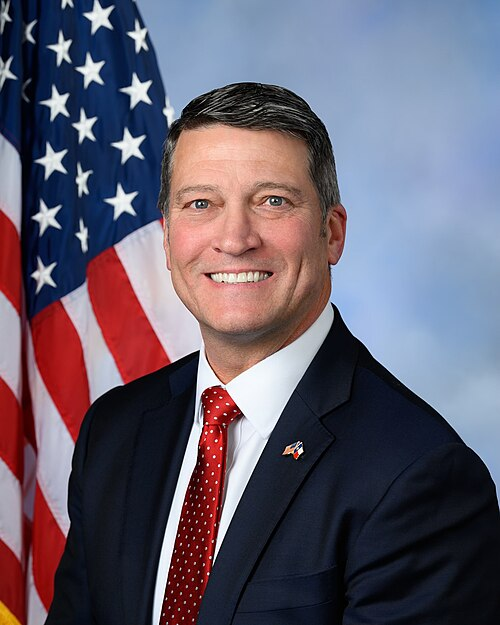
Co-Sponsor
-
TrackRalph Norman
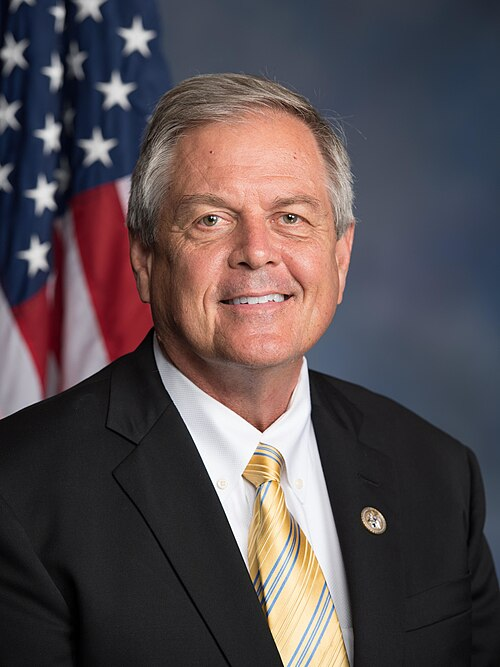
Co-Sponsor
-
TrackAndrew Ogles
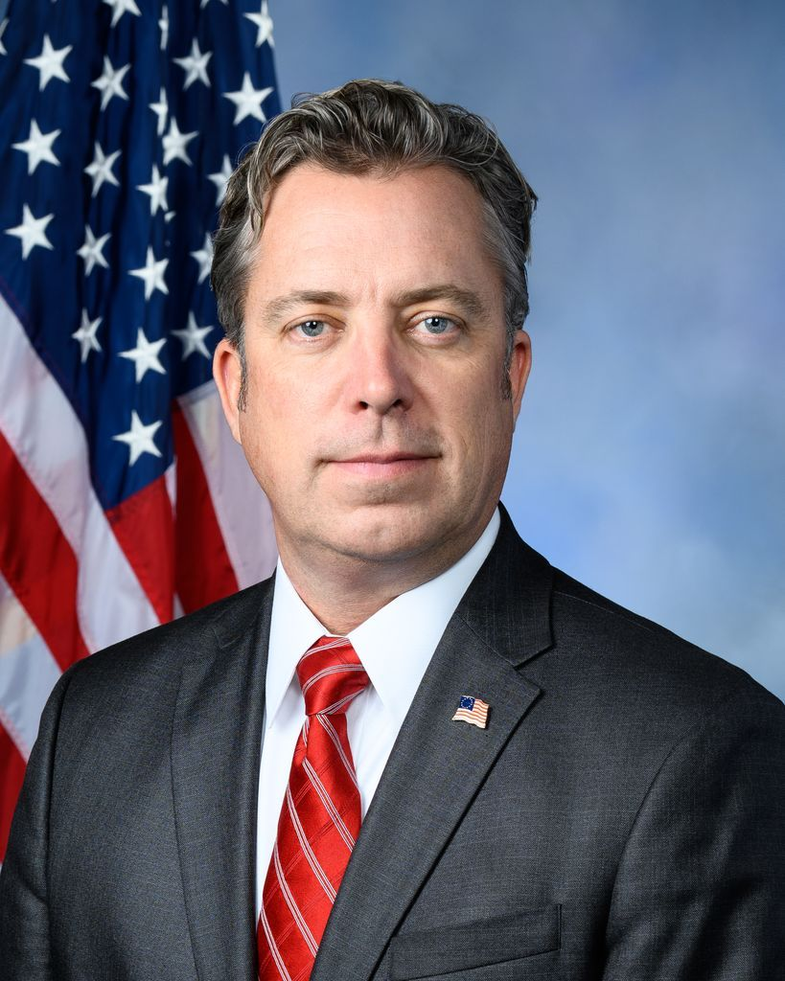
Co-Sponsor
-
TrackScott Perry
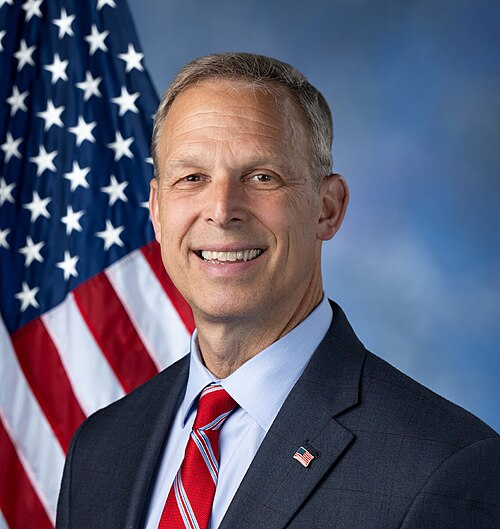
Co-Sponsor
-
TrackKeith Self
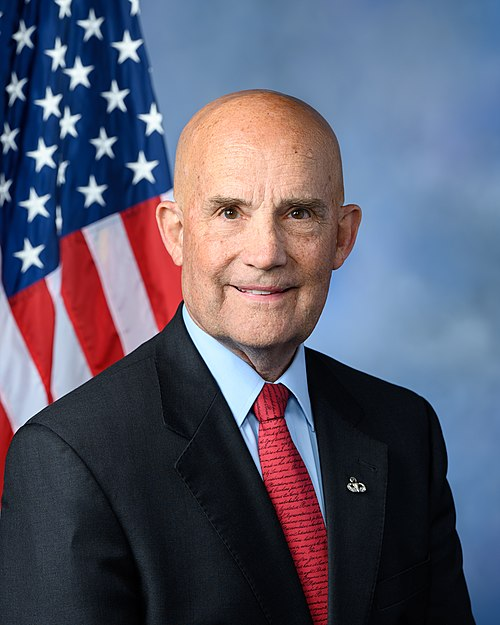
Co-Sponsor
Actions
5 actions
| Date | Action |
|---|---|
| Jul. 07, 2026 | Referred to the Subcommittee on Border Security and Enforcement. |
| Jul. 07, 2026 | Referred to the Subcommittee on Oversight, Investigations, and Accountability. |
| Jul. 07, 2026 | Referred to the Subcommittee on Transportation and Maritime Security. |
| Jun. 08, 2026 | Introduced in House |
| Jun. 08, 2026 | Referred to the Committee on the Judiciary, and in addition to the Committees on Homeland Security, Ways and Means, and Foreign Affairs, for a period to be subsequently determined by the Speaker, in each case for consideration of such provisions as fall within the jurisdiction of the committee concerned. |
Corporate Lobbying
0 companies lobbying
None found.
* Note that there can be significant delays in lobbying disclosures, and our data may be incomplete.
Potentially Relevant Congressional Stock Trades
No relevant congressional stock trades found.