H.R. 9189: Right to Record Act of 2026
This bill, known as the Right to Record Act of 2026, aims to establish legal protections for individuals who wish to record, observe, or peacefully protest law enforcement activities. Here are the key provisions of the bill:
1. Right to Record and Observe
The bill affirms that individuals have the right to record, observe, or protest law enforcement actions in public, which aligns with existing First Amendment rights. It acknowledges that while these rights are constitutionally protected, additional legal measures are necessary to provide effective remedies for violations.
2. Legal Recourse for Violations
The legislation creates a formal legal pathway for individuals to seek redress if their rights to record, observe, or protest are violated. Key points include:
- Liability for Law Enforcement Officers: Federal law enforcement officers who infringe these rights while acting under official capacity can be held liable in civil court, with potential damages of at least $25,000 for each violation, along with punitive damages up to $100,000 if the violation involves malice or reckless disregard for the individual’s rights.
- Liability for the United States: The U.S. government can also be held liable for the actions of its law enforcement officers, allowing individuals to seek damages even if the officer has a defense or immunity claim.
- Defined Violations: The bill outlines specific actions that constitute violations, including preventing someone from recording, retaliating against them for doing so, or unlawfully seizing their recording devices or footage.
3. Limitations on Rights
The bill specifies that individuals do not have the right to record or observe law enforcement activities if they physically interfere with law enforcement officers taking official action. However, this does not prohibit merely recording or observing from a lawful distance.
4. Attorney’s Fees
If a plaintiff prevails in court, they are entitled to recover reasonable attorney’s fees and costs associated with the legal action.
5. Annual Training for Federal Law Enforcement
The heads of federal law enforcement agencies are required to conduct annual training for officers on respecting individuals' rights to record and observe law enforcement activities, starting one year after the bill passes.
6. Definitions
The bill provides definitions for key terms to clarify its scope, including:
- Federal law enforcement agency: Any agency authorized to enforce federal laws.
- Law enforcement activities: Actions taken in public view by officers in their official capacity.
- Public view: Areas visible to the public, such as streets and parks, where individuals are not trespassing.
7. Broad Construction
The bill emphasizes that it should be interpreted broadly to protect the rights of individuals to record and observe law enforcement, supporting transparency and accountability in public officials' actions.
8. No Diminishment of Other Rights
It clarifies that this legislation does not reduce the protections provided by the First Amendment or other laws, ensuring that individuals retain their rights to free expression beyond those encompassed by this specific bill.
Relevant Companies
- GOOGL (Alphabet Inc.) - As a tech company that owns YouTube and other platforms where recording and broadcasting events can occur, changes in laws about recording law enforcement actions may influence content moderation and user policies.
- AAPL (Apple Inc.) - The company’s products, like iPhones, are commonly used for recording videos, making them directly relevant in the context of this bill if the rights to use such devices in public interactions with law enforcement are impacted.
- FB (Meta Platforms, Inc.) - Similar to Alphabet, Meta's platforms could see changes in user content dynamics based on how laws evolve concerning the right to record and share information about law enforcement activities.
This is an AI-generated summary of the bill text. There may be mistakes.
Sponsors
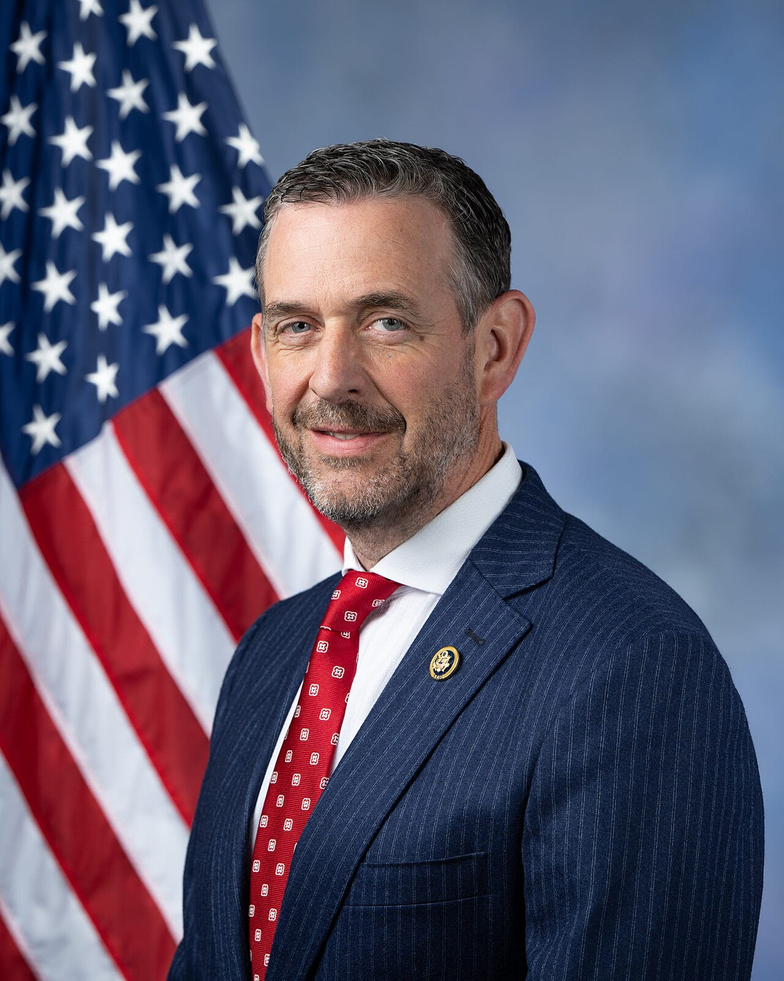
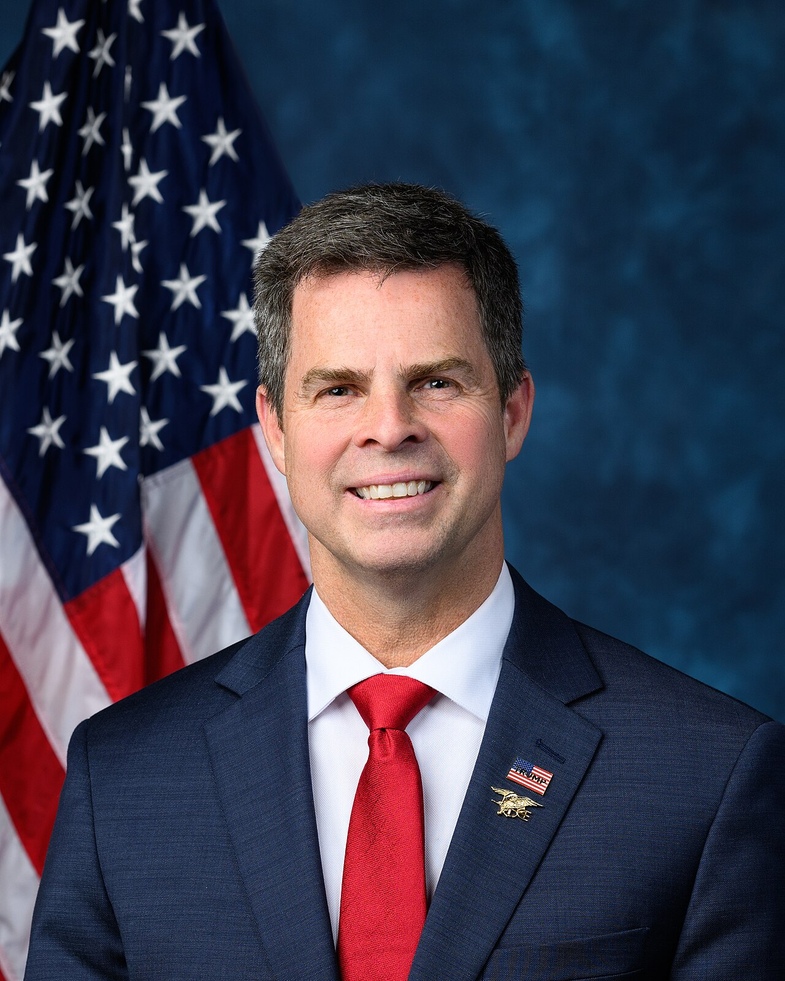
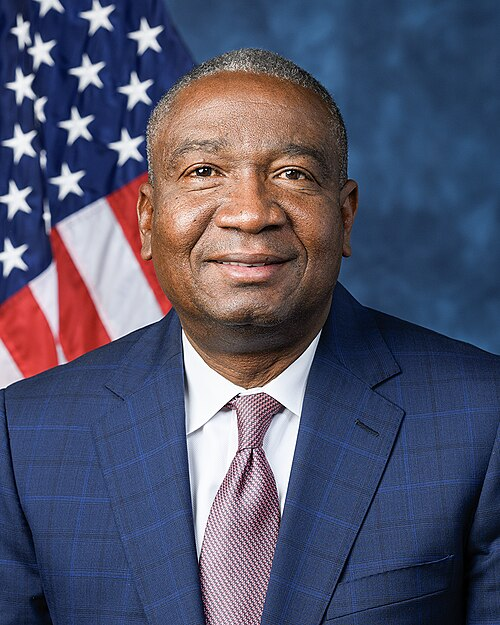
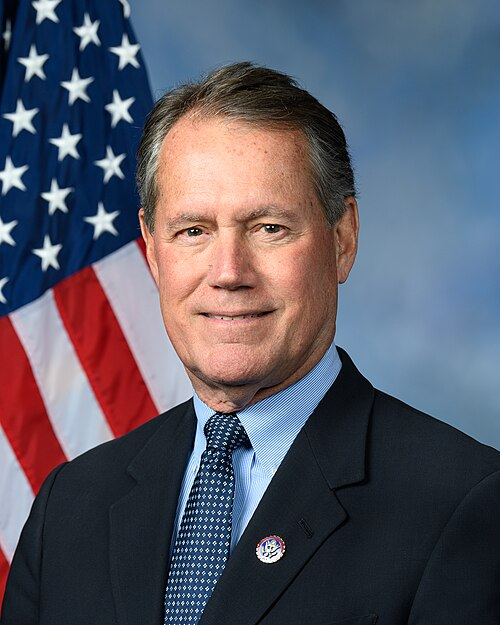
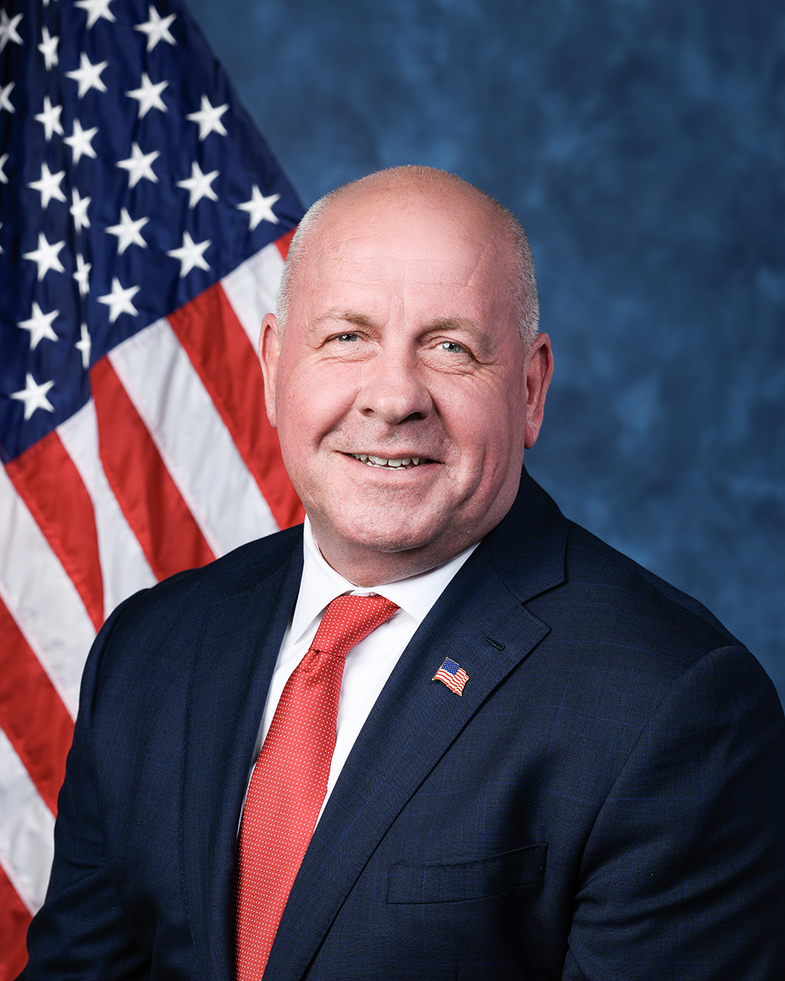
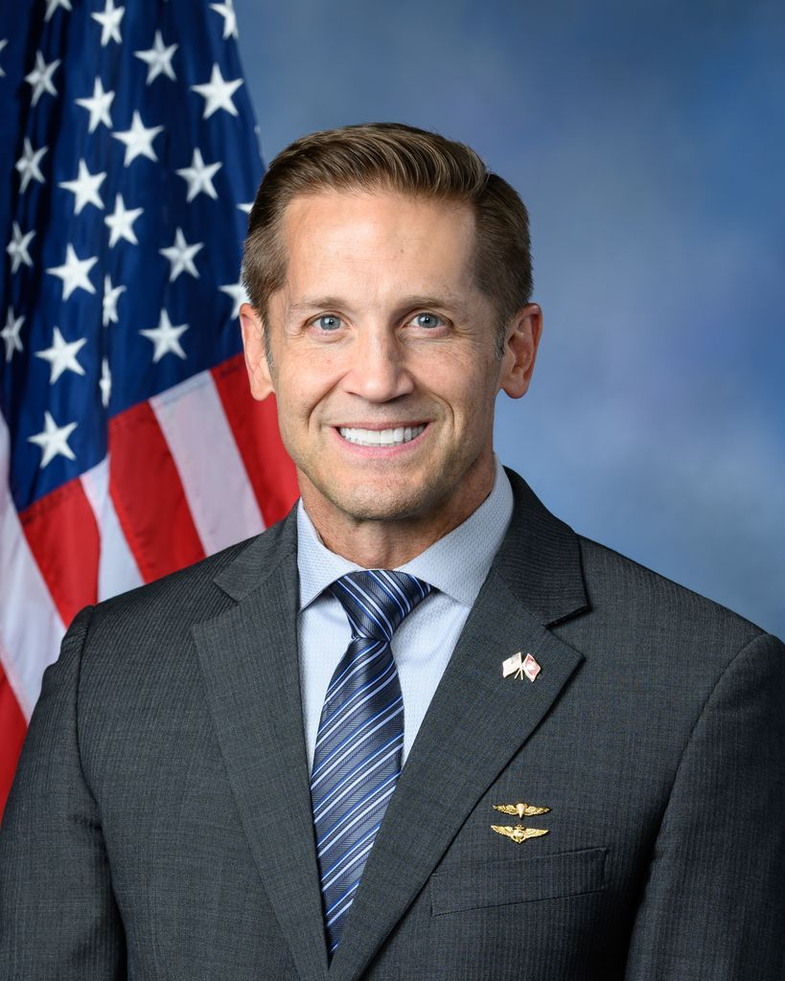
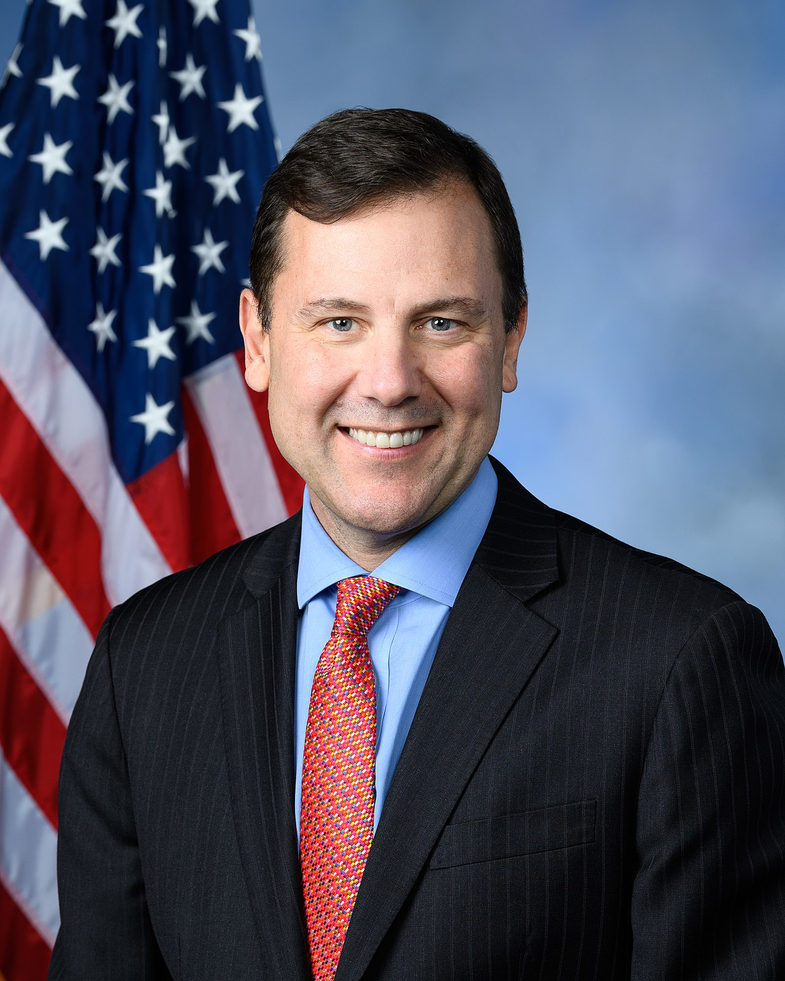
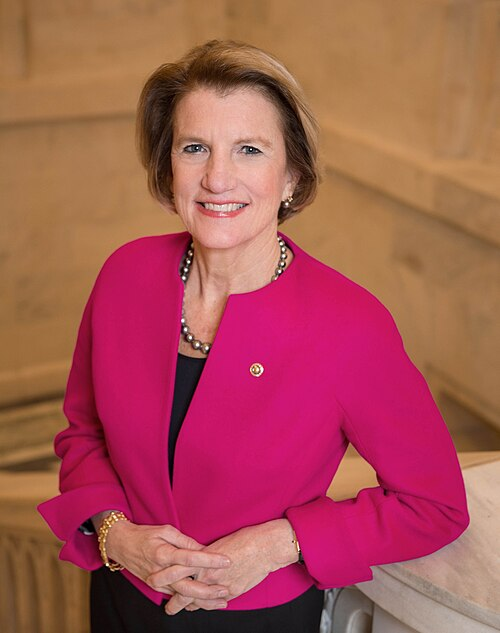
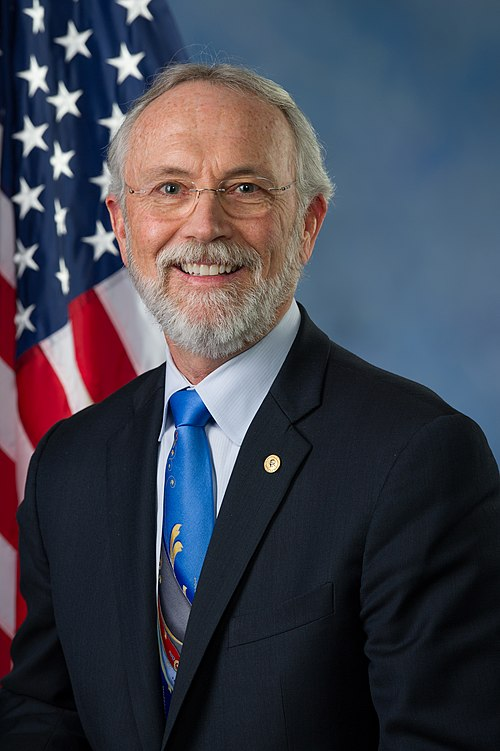
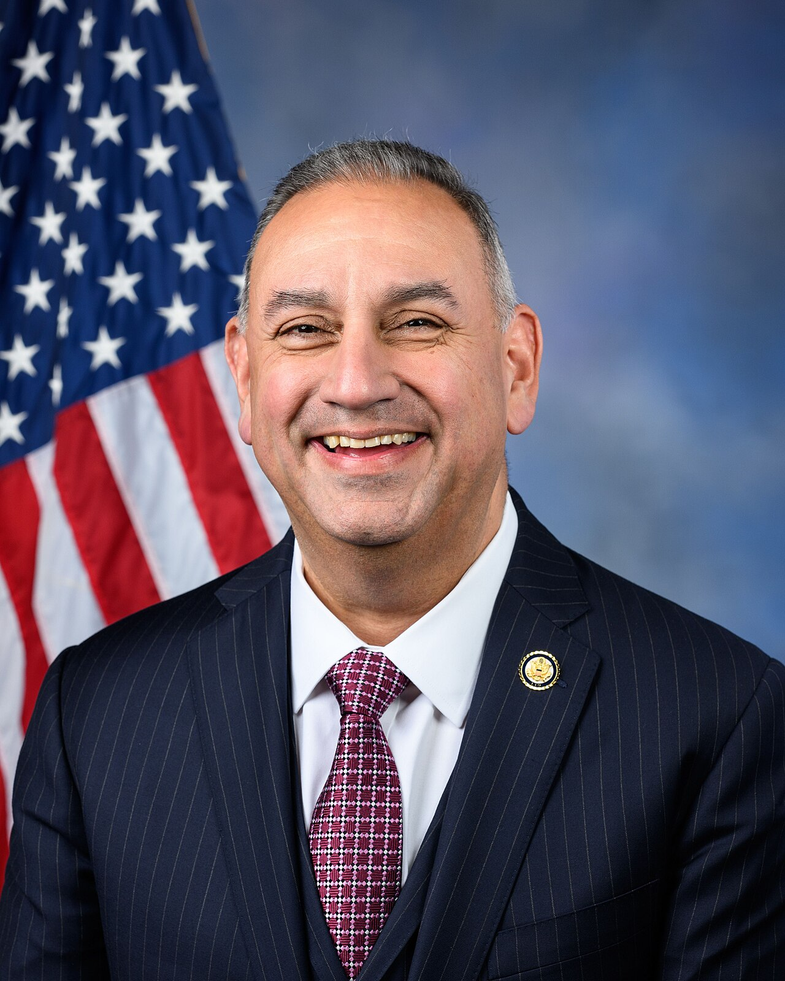
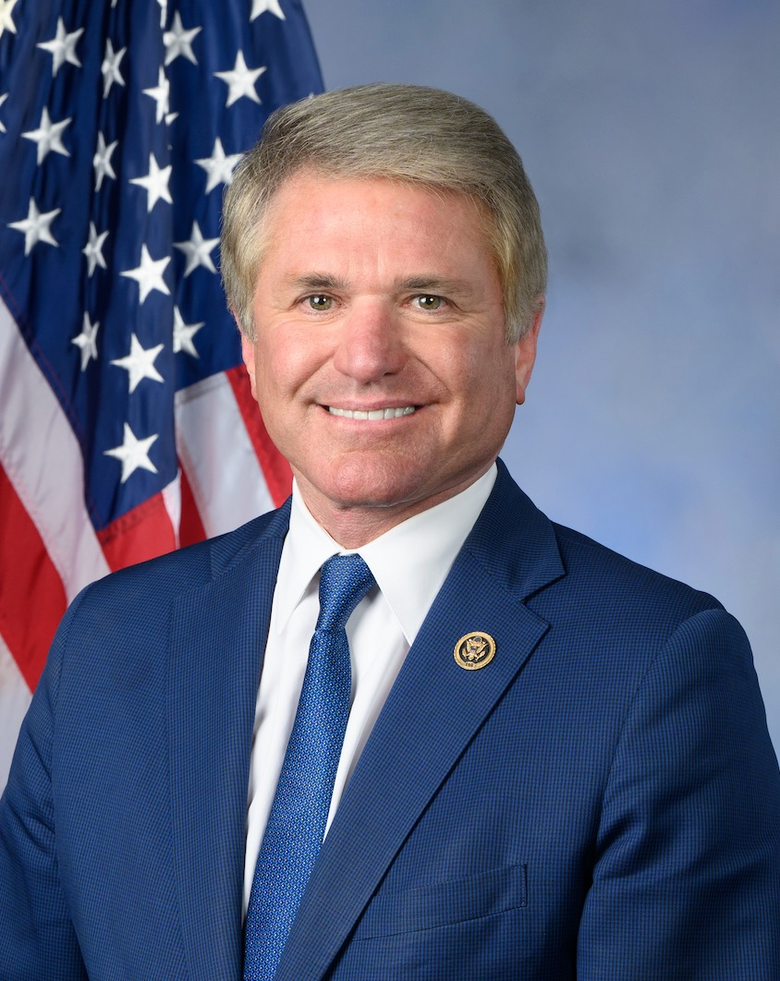
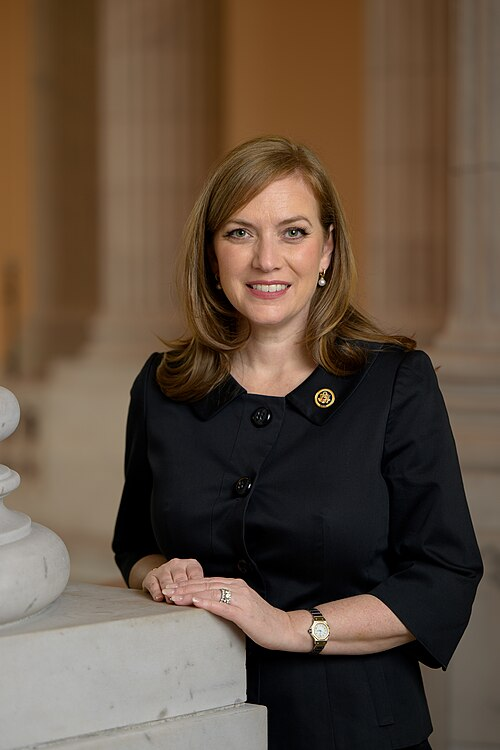
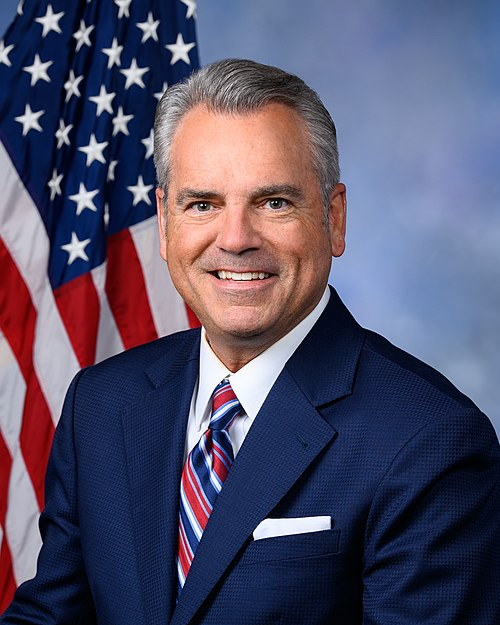
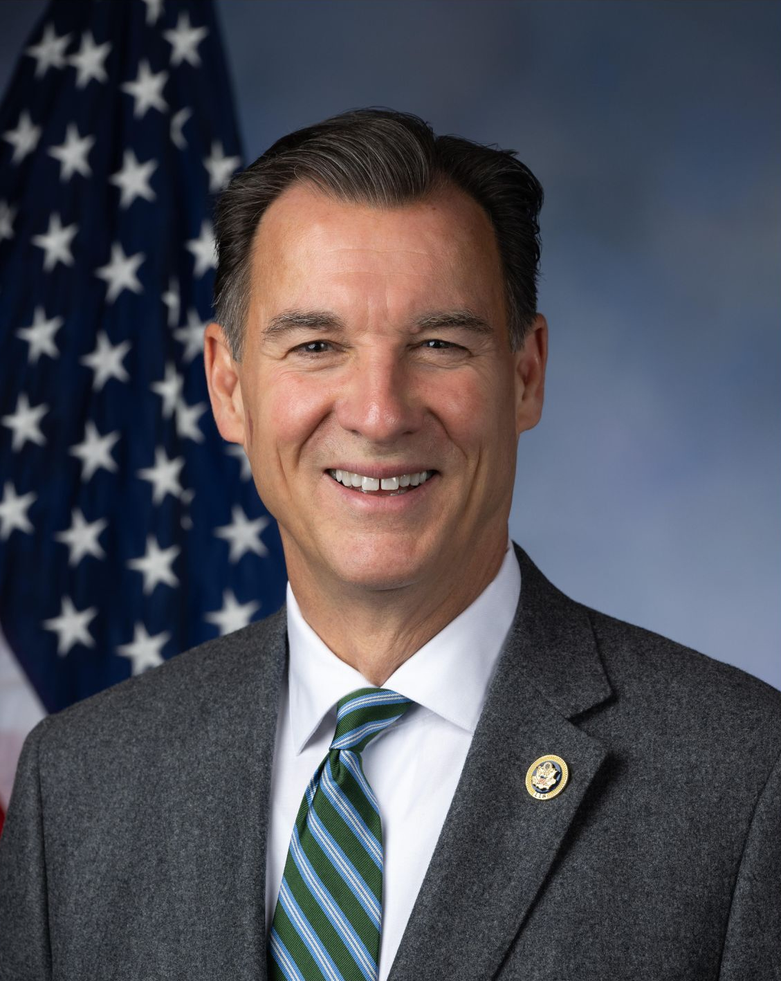
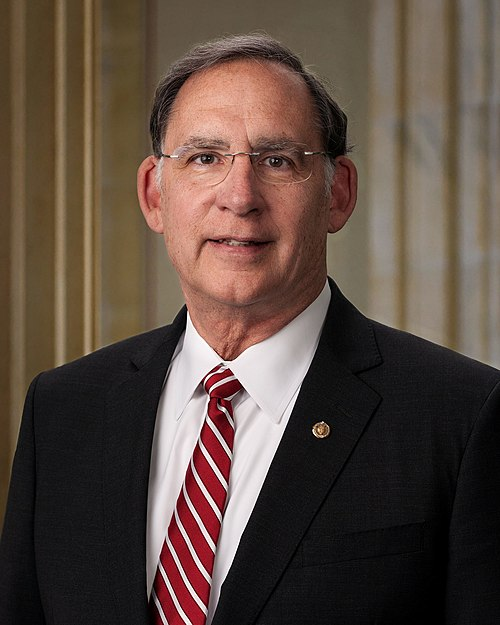
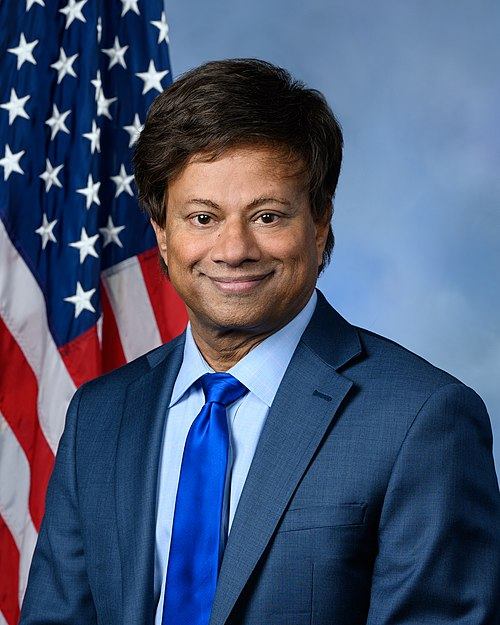
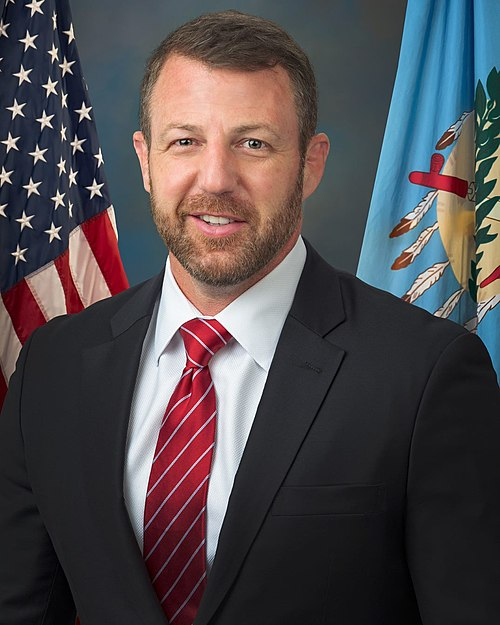
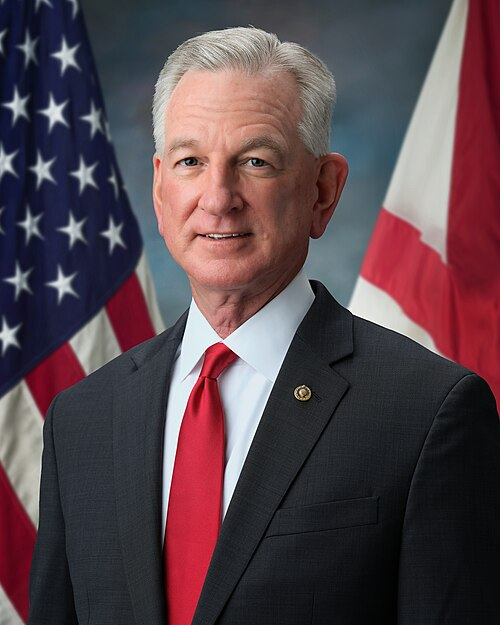
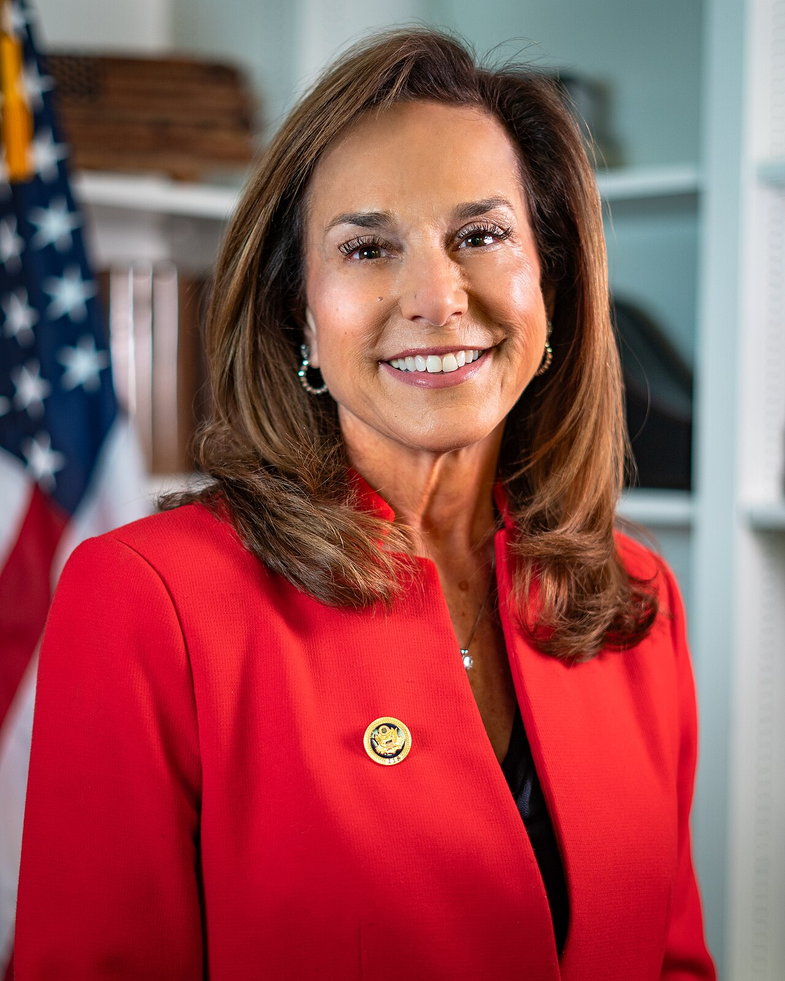
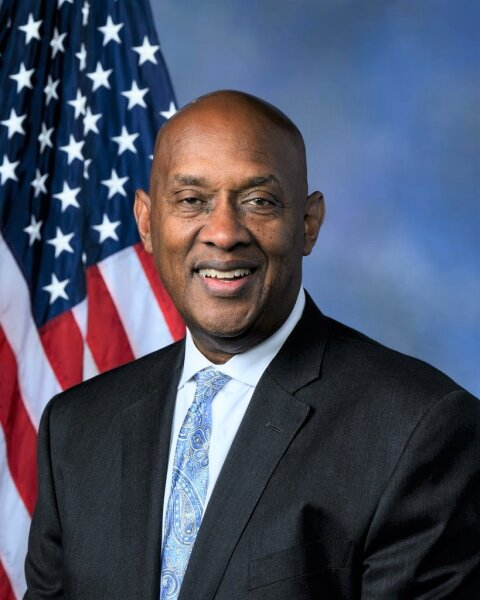
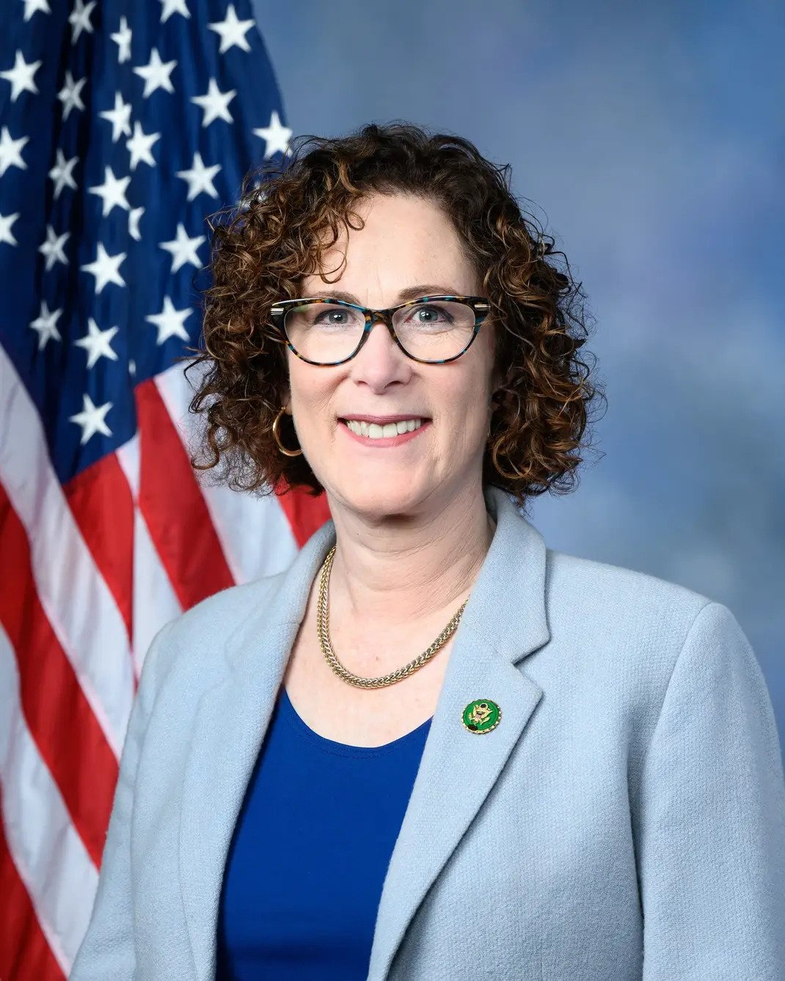
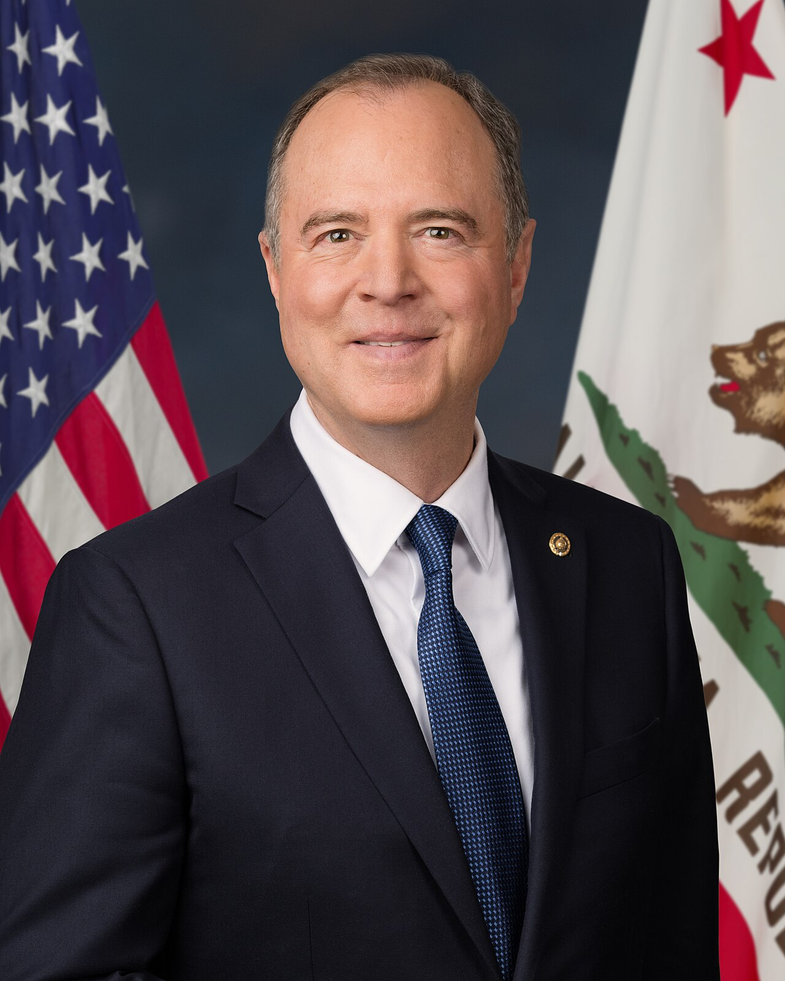
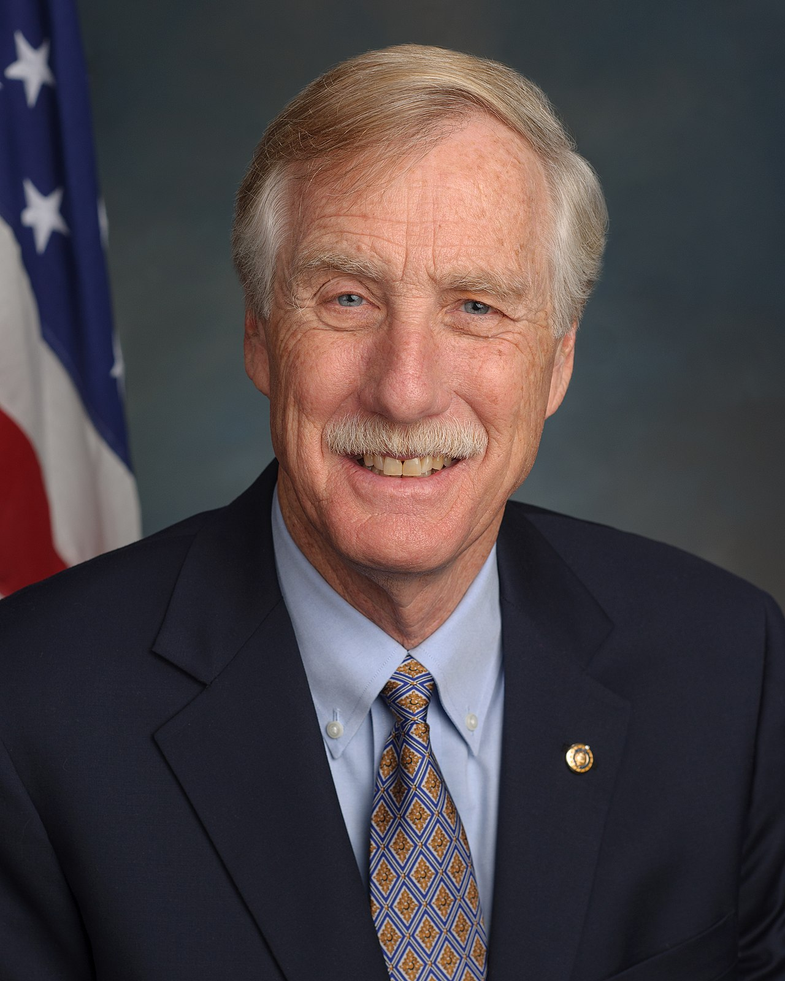
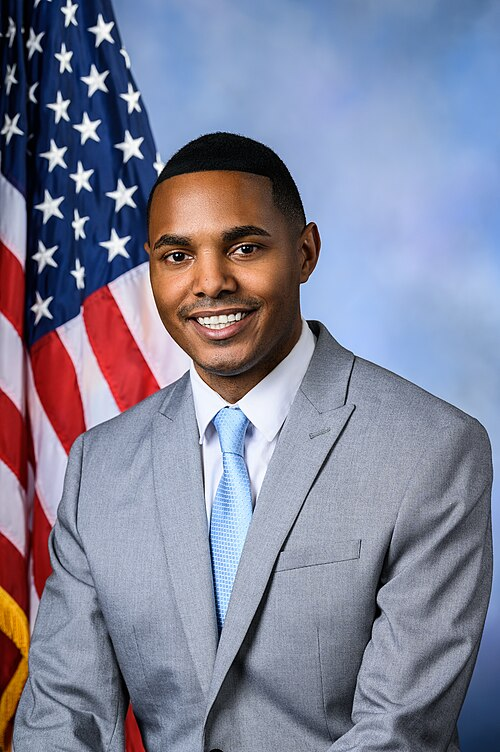
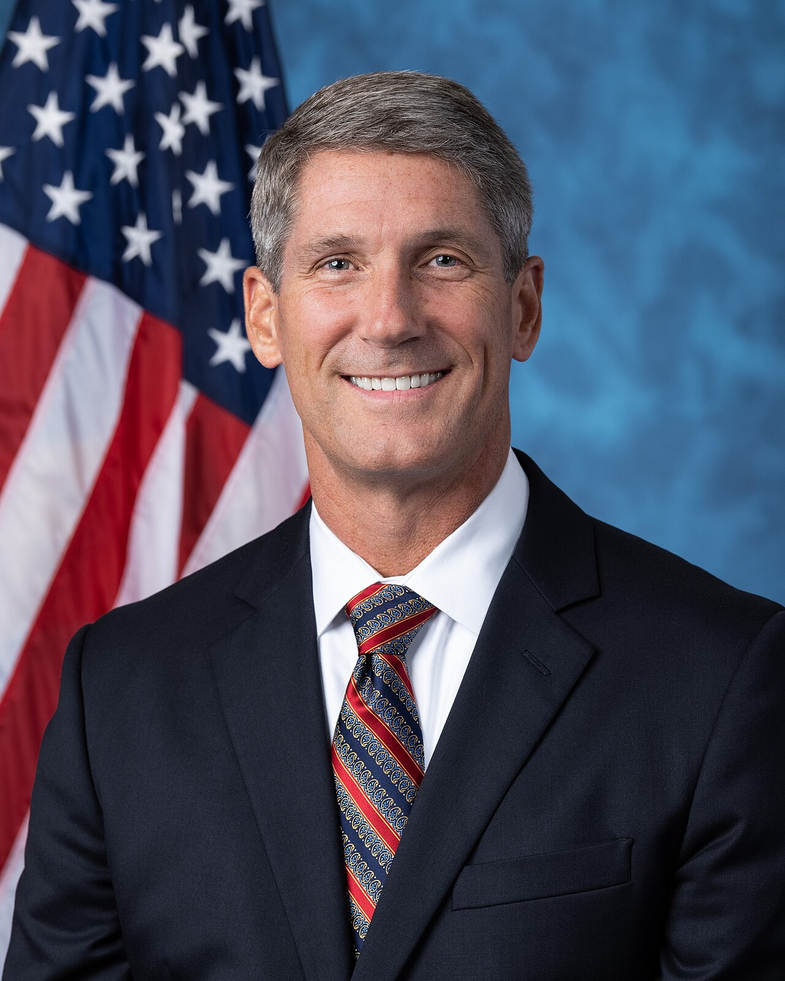
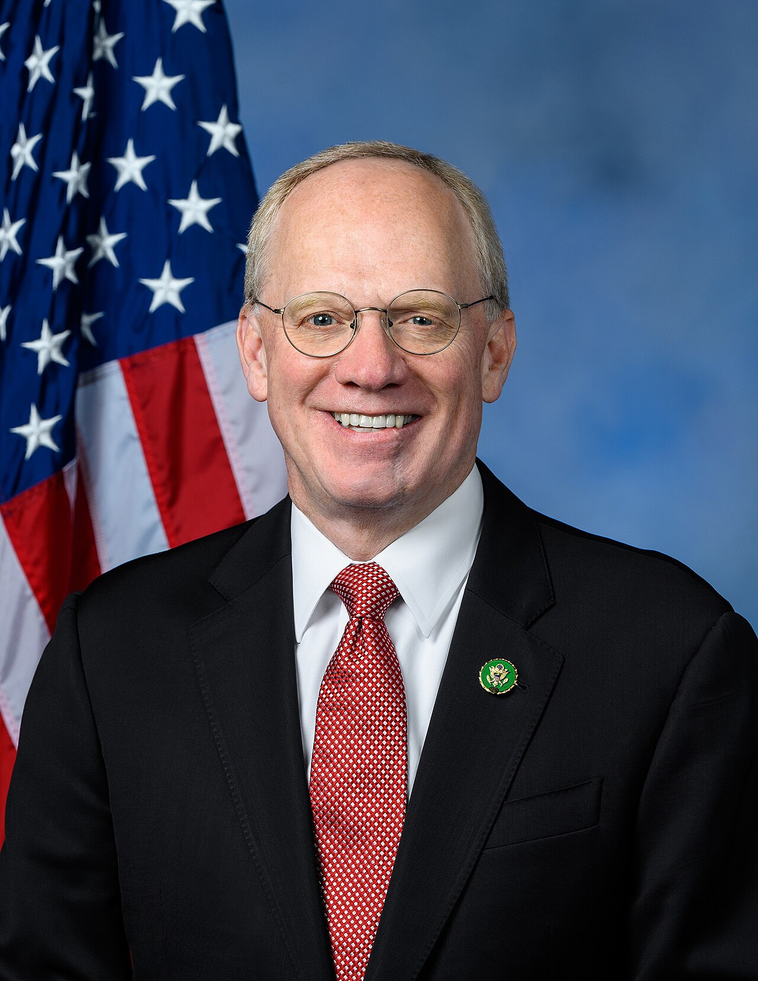
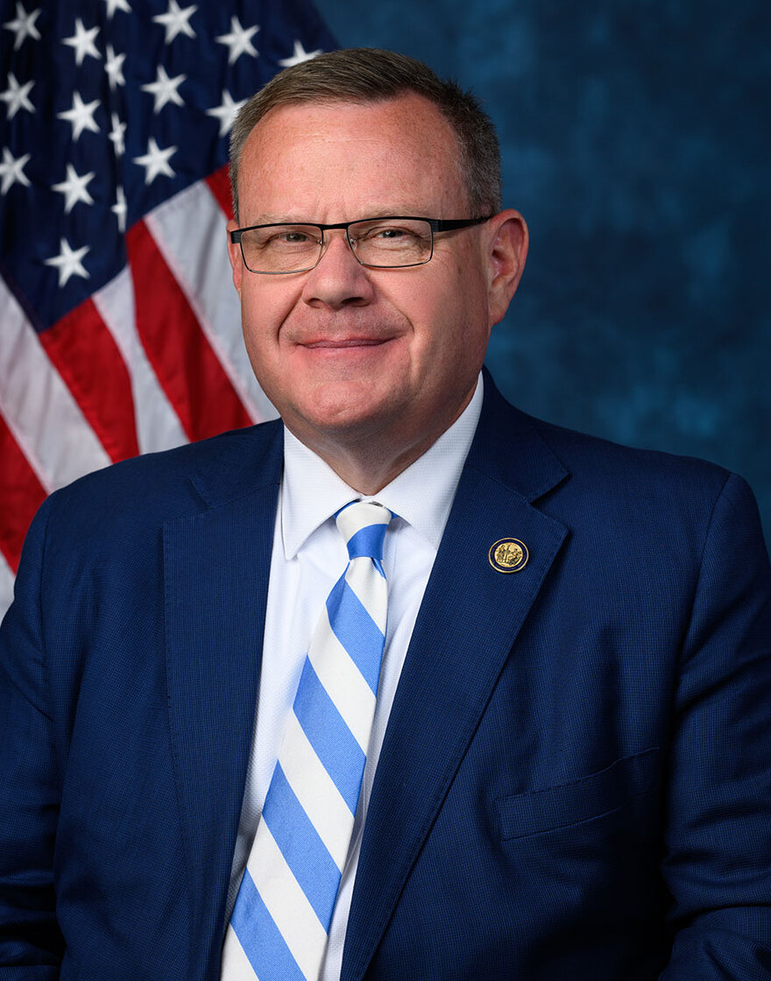
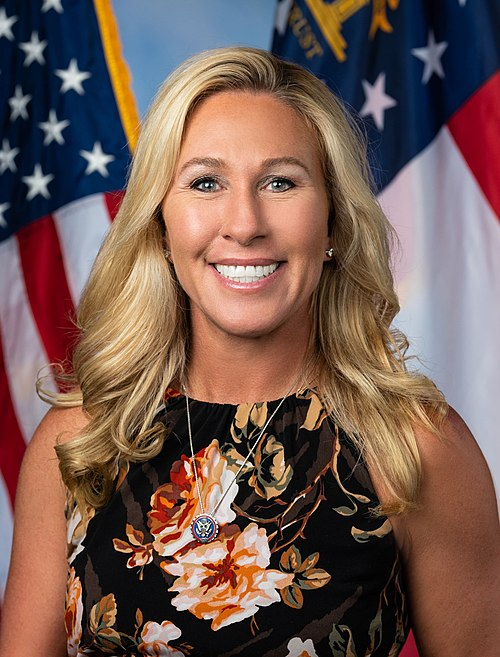
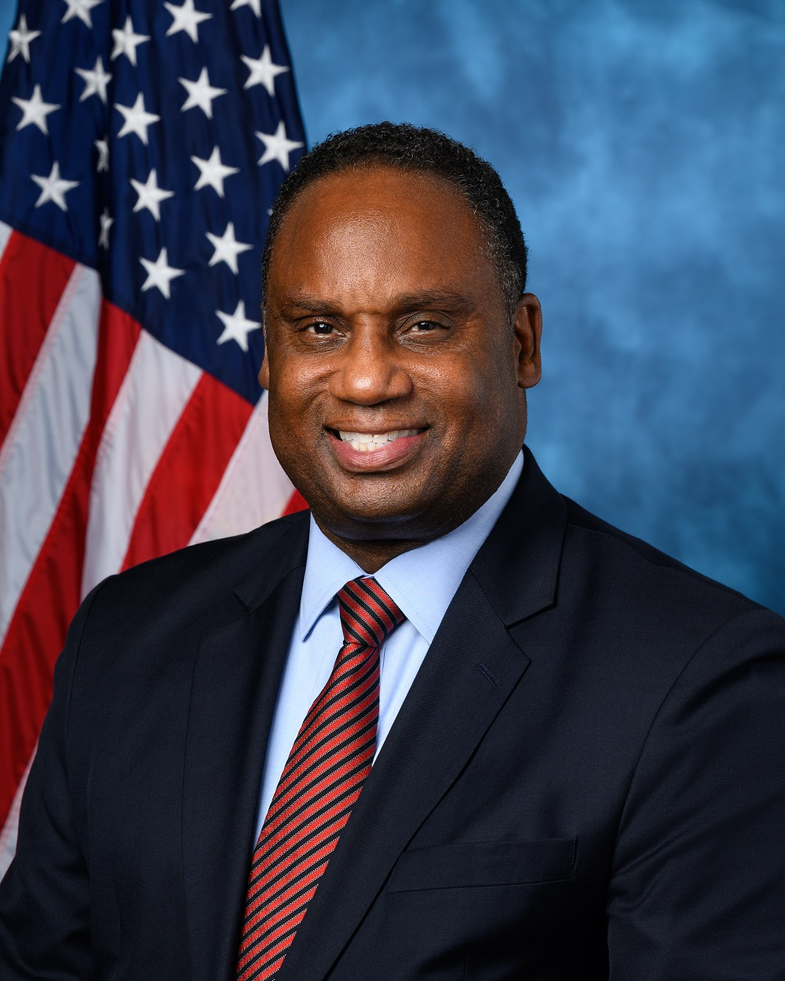
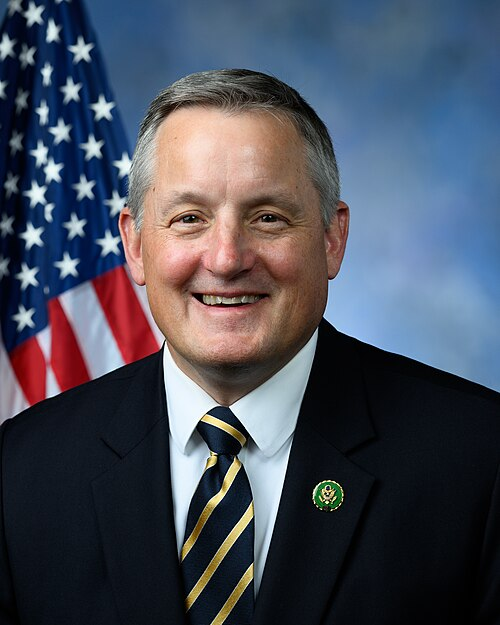
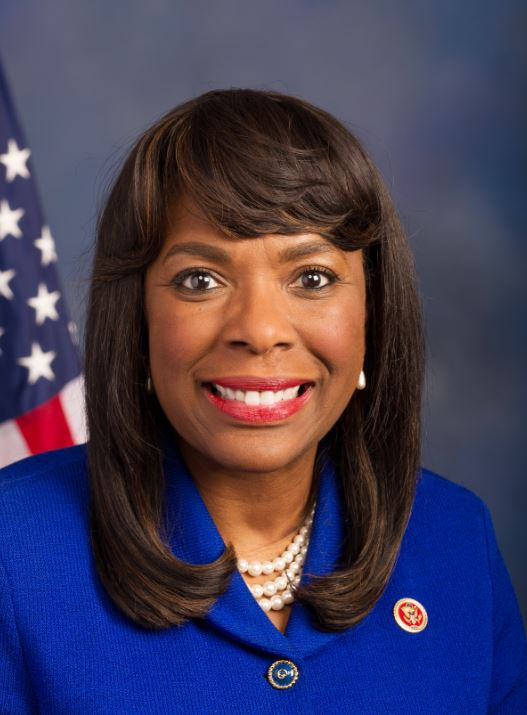
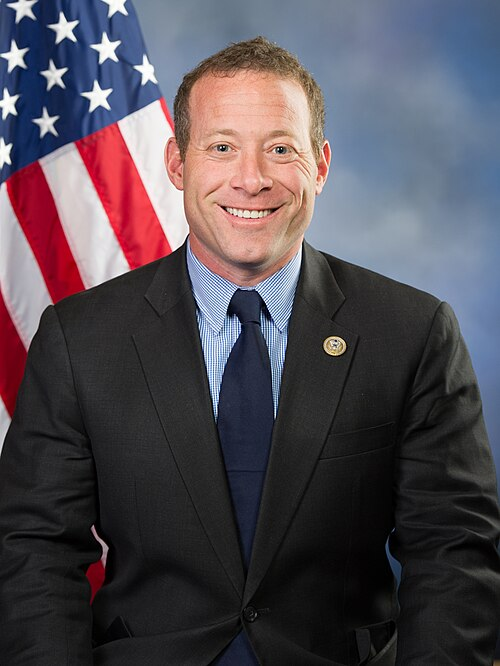
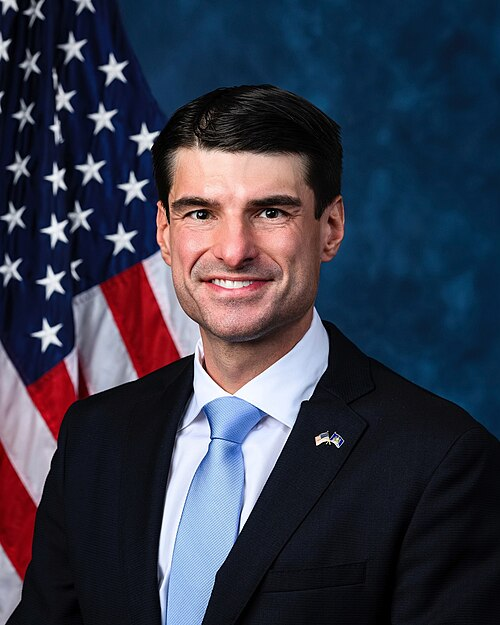
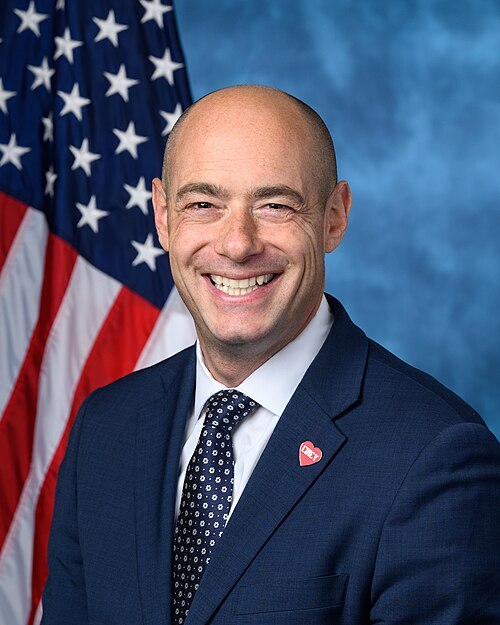
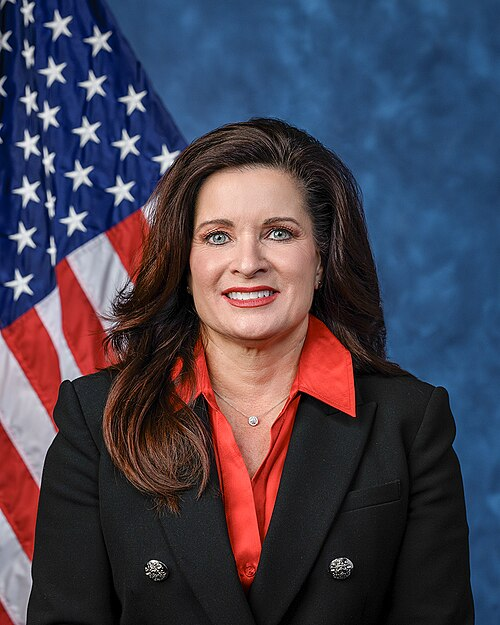
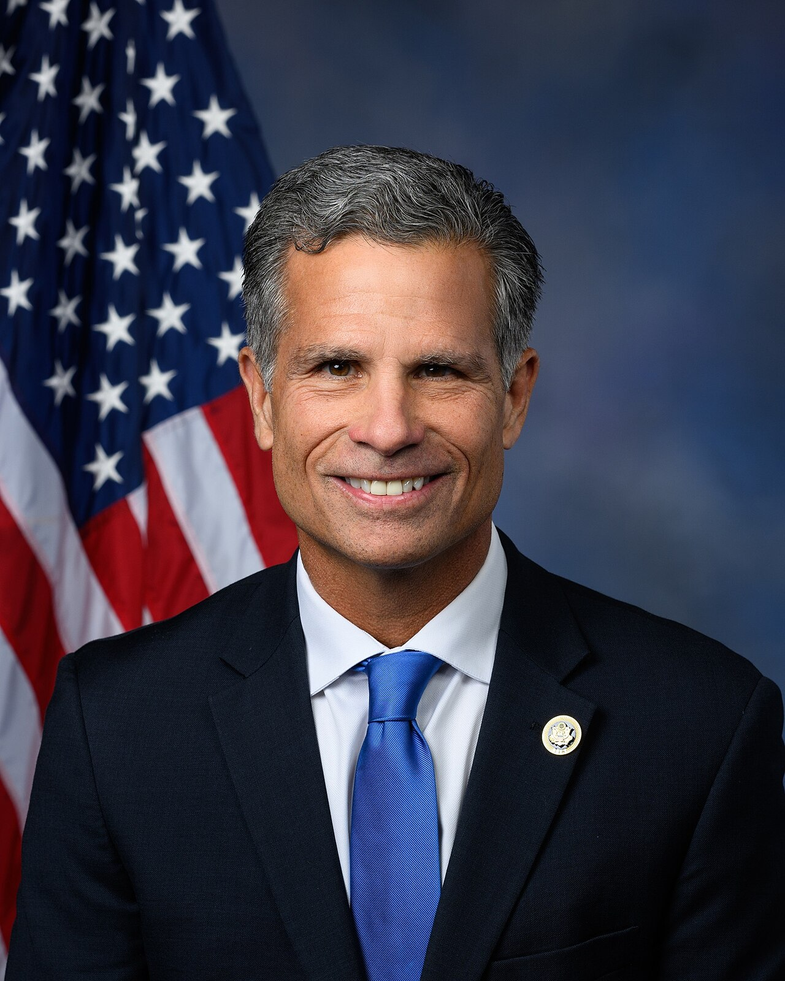
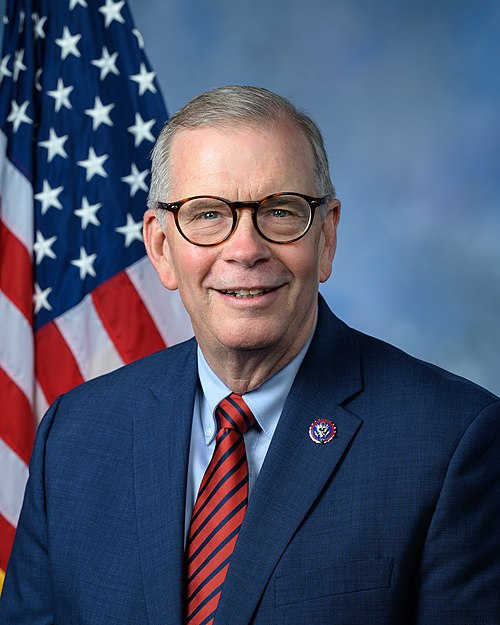
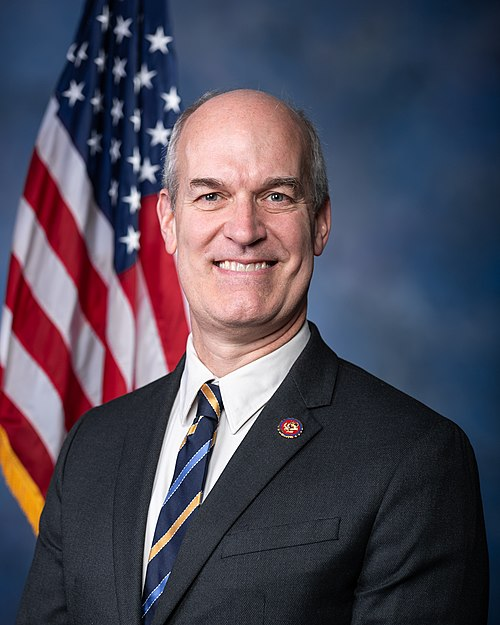
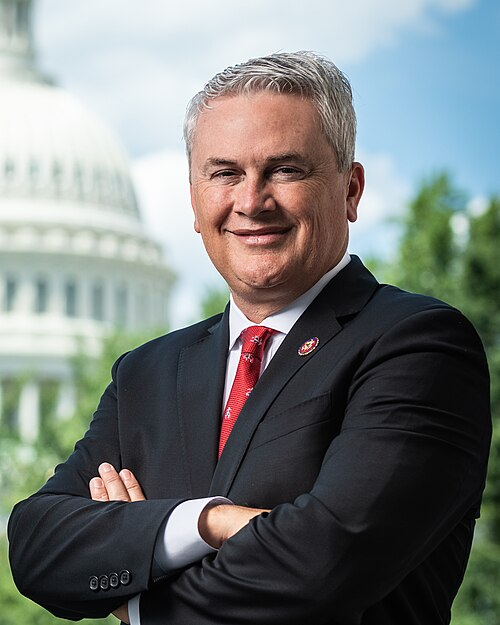
3 bill sponsors
Actions
2 actions
| Date | Action |
|---|---|
| Jun. 08, 2026 | Introduced in House |
| Jun. 08, 2026 | Referred to the House Committee on the Judiciary. |
Corporate Lobbying
0 companies lobbying
None found.
* Note that there can be significant delays in lobbying disclosures, and our data may be incomplete.